 EN
EN
تطور حلول مناولة المواد الحديثة
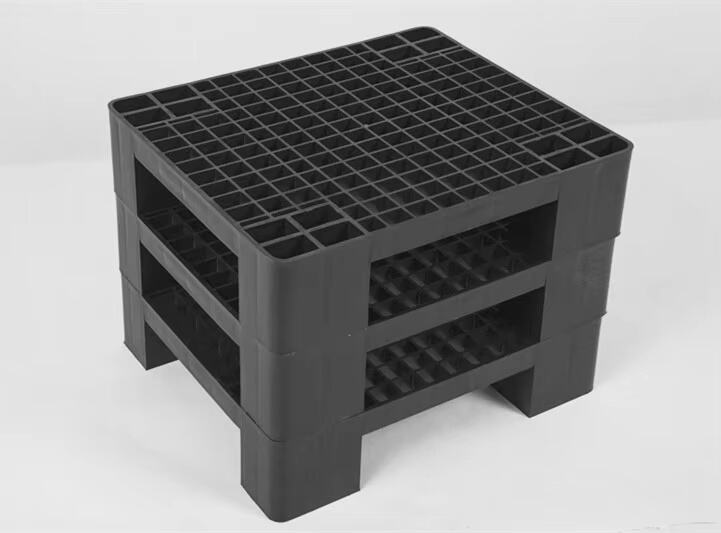
لقد شهدت بيئة مناولة المواد والخدمات اللوجستية تحولًا كبيرًا على مدى العقود الماضية، مع ظهور لوحات بلاستيكية باعتبارها حلاً مُحدثًا للشركات في جميع أنحاء العالم. وقد أحدثت هذه المنصات المبتكرة ثورة في طريقة نقل الشركات لبضائعها وتخزينها، حيث تقدم مزايا واضحة مقارنة بالبدائل الخشبية التقليدية. ويمكن أن يؤثر فهم التفاصيل الدقيقة المتعلقة باختيار المنصة البلاستيكية المناسبة تأثيرًا كبيرًا على كفاءة عملياتك وسلامتها ونتائجها النهائية.
تتطلب سلاسل التوريد اليوم حلولًا متقدمة بشكل متزايد يمكنها تحمل عمليات المناورة الصارمة مع الحفاظ على سلامة المنتج. وقد برزت المنصات البلاستيكية لتلبية هذه التحديات، حيث توفر المتانة والنظافة والاتساق التي تتطلبها العمليات الحديثة. سواء كنت تدير مستودعًا أو تشرف على الخدمات اللوجستية أو تشغّل منشأة تصنيع، فإن اتخاذ قرار مدروس بشأن اختيارك للمنصات البلاستيكية أمر بالغ الأهمية لنجاح العمليات.
الخصائص الأساسية للمنصات البلاستيكية عالية الجودة
تكوين المادة والمتانة
يتمثل أساس أي منصة بلاستيكية موثوقة في تركيبتها المادية. وتُستخدم عادةً مواد مثل البولي إيثيلين عالي الكثافة (HDPE) والبولي بروبيلين، وكل منها يوفر فوائد محددة. إذ يوفر البولي إيثيلين عالي الكثافة مقاومة ممتازة للتأثير ويحافظ على سلامته الهيكلية حتى تحت الأحمال الثقيلة، في حين يوفر البولي بروبيلين مقاومة كيميائية فائقة واستقرارًا حراريًا أفضل.
عند تقييم المتانة، يجب أخذ عملية التصنيع في الاعتبار أيضًا. عادةً ما توفر البالتات البلاستيكية المصنوعة بالحقن قوة وثباتًا أكبر مقارنةً بالبديل المصنوع بالضغط. تتضمن أفضل خيارات البالتات البلاستيكية مثبطات الأشعة فوق البنفسجية ومواد مضافة أخرى تمنع التدهور الناتج عن التعرض للبيئة، مما يضمن عمر خدمة أطول.
سعة الحمل وتوزيع الوزن
فهم تصنيفات الحمولة أمر بالغ الأهمية لتشغيل آمن وفعال. تشير سعة الحمولة الثابتة إلى كمية الوزن الذي يمكن للبالتة تحمله أثناء السكون، بينما تشير سعة الحمولة الديناميكية إلى أقصى وزن أثناء الحركة. تقوم البالتة البلاستيكية المصممة جيدًا بتوزيع الوزن بشكل متساوٍ على سطحها، مما يمنع حدوث نقاط إجهاد قد تؤدي إلى الفشل.
ضع في اعتبارك قدرات التحميل على الرفوف والأرضية عند اختيار البالتة البلاستيكية. توفر بعض التصاميم قوة رفوف محسّنة من خلال بنية معززة أو قضبان فولاذية، مما يجعلها مناسبة لأنظمة التخزين العالية. كما أن العلاقة بين سعة التحميل ووزن البالتة نفسه مهمة أيضًا، إذ يمكن للبالتات الأخف وزنًا أن تزيد من سعة الحمولة أثناء النقل.
مزايا التصميم المهمة
التكوين الهيكلي
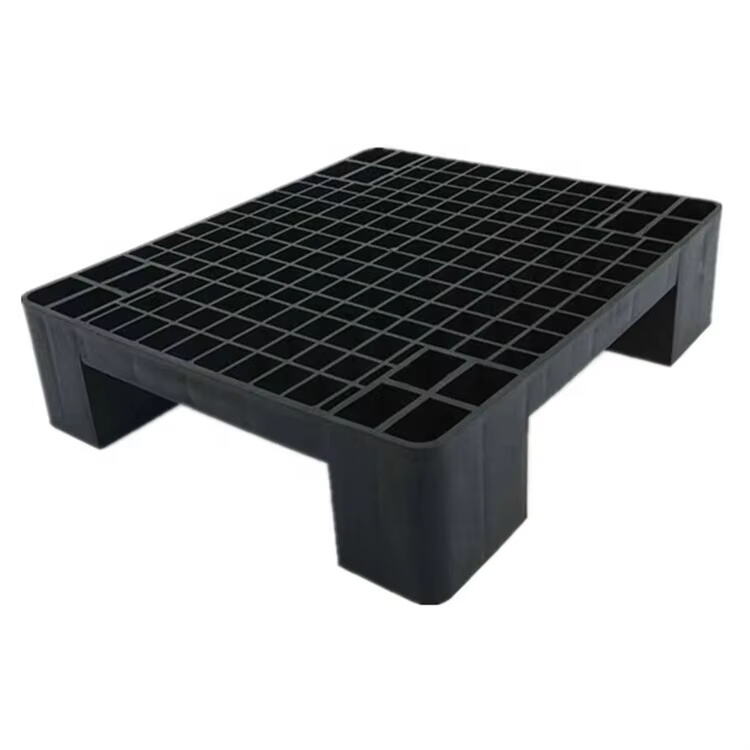
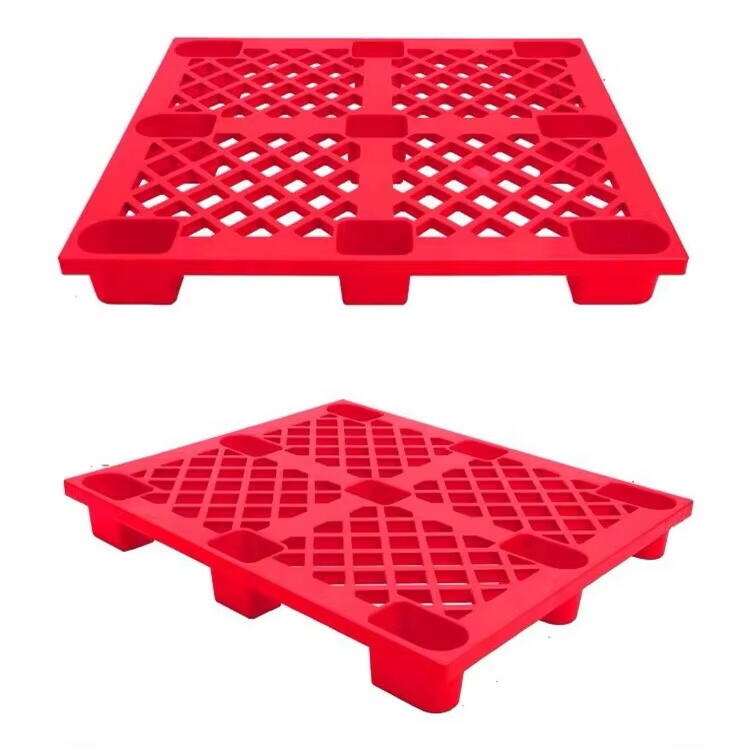
يؤثر تصميم البالتة البلاستيكية بشكل كبير على أدائها وتنوع استخداماتها. ويمكن أن تتضمن تكوينات السطح السفلي صفائح صلبة، أو أنماط صليبية، أو تصاميم مختلفة ذات ضلوع، وكل منها مُحسّن لتطبيقات معينة. وتتميز البالتات البلاستيكية المتفوقة بتعزيز استراتيجي في المناطق التي تتعرض لإجهاد عالٍ، وأعمدة دعم موضعَة بشكل مناسب لتحقيق أقصى درجات الثبات.
فكر في نوع الدخول المطلوب لتشغيلك. توفر تصاميم الدخول من أربع جهات مرونة قصوى للوصول باستخدام رافعة شوكية أو عربة البالته، في حين قد تكون النماذج ذات الدخول من ناحيتين أكثر ملاءمة لمتطلبات المناورة الخاصة. يمكن أن يعزز وجود أسطح مضادة للانزلاق وحواف محيطية من أمان الحمولة أثناء النقل والتخزين.
اعتبارات النظافة والتنظيف
يتمثل أحد المزايا الرئيسية للبالتة البلاستيكية في قدرتها على الحفاظ على النظافة في البيئات الحساسة. ابحث عن التصاميم ذات الأسطح الناعمة والشقوق القليلة حيث يمكن أن تتراكم الأوساخ أو الشوائب. تحتوي بعض البالتات البلاستيكية على إضافات مثبطة للبكتيريا تمنع نمو الكائنات الدقيقة، مما يجعلها مثالية للتطبيقات الغذائية والصيدلانية والرعاية الصحية.
يجب أن تتماشى قدرات التنظيف والتعقيم مع متطلبات تشغيلك. يمكن لأفضل المنصات البلاستيكية أن تتحمل غسل الضغط العالي وعوامل التنظيف الكيميائية دون التدهور. فكر فيما إذا كان التصميم الذي اخترته يسمح بتصريف فعال وجفاف سريع للحفاظ على المعايير المثلى للنظافة.
الاعتبارات التشغيلية
درجة الحرارة والعوامل البيئية
تتطلب البيئات المختلفة مواصفات مختلفة من منصة النقل البلاستيكية الخاصة بك. تحتاج عمليات التخزين البارد إلى منصات تحافظ على سلامتها الهيكلية في درجات الحرارة تحت الصفر، في حين أن البيئات الساخنة تحتاج إلى مواد تقاوم التواء أو تشوه. ضع في اعتبارك مدى درجات الحرارة التي ستتعرض لها المنصات الخاصة بك طوال سلسلة التوريد.
يمتد مقاومة البيئة لما هو أبعد من اعتبارات درجة الحرارة. يمكن للتعرض للإشعاع فوق البنفسجي، والرطوبة، والعديد من المواد الكيميائية أن يؤثر على أداء المنصة. يجب أن توفر المنصات البلاستيكية عالية الجودة مقاومة مناسبة لهذه العوامل البيئية مع الحفاظ على سلامتها الهيكلية ومظهرها مع مرور الوقت.
التوافق مع الأتمتة
مع تزايد أتمتة المستودعات، أصبح توافق البالتات البلاستيكية مع الأنظمة الآلية أمرًا بالغ الأهمية. إن الأبعاد الموحّدة والتشغيل السلس من خلال أنظمة النقل، وأنظمة التخزين والاسترجاع الآلي (AS/RS)، ومعدات المناورة الروبوتية تعتبر اعتبارات أساسية. ابحث عن بالتات تتمتع باستقرار في الأبعاد ولا تنحني أو تشوه مع مرور الوقت.
إن التوافق مع تقنية التعريف بالإشارات الراديوية (RFID) يُعد عاملًا مهمًا آخر في العمليات الحديثة. فبعض البالتات البلاستيكية تتميز بإمكانية دعم RFID مدمجة أو مناطق مخصصة لوضع العلامات، مما يسهل تتبع المخزون ويزيد من شفافية سلسلة التوريد.
تحليل التكلفة واعتبارات العائد على الاستثمار
الاستثمار الأولي مقابل القيمة طويلة الأمد
رغم أن المنصات البلاستيكية تتطلب عادةً استثمارًا أوليًا أعلى مقارنةً بالمنصات الخشبية، فإن القيمة طويلة الأجل التي توفرها غالبًا ما تبرر التكلفة. احسب التكلفة الإجمالية للملكية من خلال أخذ عوامل مثل العمر المتوقع ومتطلبات الصيانة وتكرار الاستبدال بعين الاعتبار. يمكن للمنصات البلاستيكية عالية الجودة أن تدوم لعدة سنوات في ظل ظروف الاستخدام العادية، مما يقلل بشكل كبير من تكاليف الاستبدال مع مرور الوقت.
فكّر في التوفير المحتمل في المجالات المرتبطة، مثل تقليل تلف المنتجات، وانخفاض تكاليف النقل بسبب الوزن الخفيف، وتقليل نفقات الصيانة. كما يمكن أن يؤدي الاتساق والموثوقية العالية للمنصات البلاستيكية إلى كفاءة تشغيلية تسهم في التوفير الشامل في التكاليف.
الاستدامة والتأثير البيئي
تُعد الاعتبارات البيئية أمرًا متزايد الأهمية في القرارات التجارية. ويتم تصنيع العديد من المنصات البلاستيكية من مواد معاد تدويرها، كما يمكن إعادة تدويرها بنفسها في نهاية عمرها الافتراضي. احسب الأثر البيئي لاختيارك للمنصة من خلال أخذ عوامل مثل مصدر المادة، واستهلاك الطاقة أثناء الإنتاج، وخيارات التخلص في نهاية العمر الافتراضي بعين الاعتبار.
تقدم بعض الشركات المصنعة برامج استرداد أو أنظمة دورة مغلقة تضمن التخلص المسؤول وإعادة تدوير المنصات المستعملة. ويمكن أن تعزز هذه البرامج مصداقية شركتك فيما يتعلق بالاستدامة، إلى جانب تقليل التكاليف المحتملة من خلال استرداد المواد.
الأسئلة الشائعة
ما هو العمر الافتراضي المتوسط للمنصة البلاستيكية؟
تتراوح مدة عمر التحميلة البلاستيكية عادة بين 5 و10 سنوات، حسب ظروف الاستخدام وممارسات المناورة وجودة التصنيع. يمكن أن تدوم التحميلات البلاستيكية الثقيلة المستخدمة في البيئات الخاضعة للرقابة لفترة أطول، في حين قد تكون مدة عمر تلك المعرضة لظروف قاسية أو مناورة متكررة أقصر.
كيف أُحدد السعة التحملية المناسبة لاحتياجاتي؟
لتحديد السعة التحملية المناسبة، حدّد أثقل حمولة متوقعة لديك وأضف هامش أمان بنسبة 15-20%. خذ بعين الاعتبار متطلبات الحمولة الثابتة والديناميكية، وضمّن أي ظروف مناورة خاصة مثل التخزين على الرفوف أو الأنظمة الآلية. من الأفضل دائمًا اختيار سعة أعلى بقليل مما تعتقد أنك تحتاجه.
هل يمكن استخدام التحميلات البلاستيكية في درجات الحرارة القصوى؟
نعم، يمكن للأرصفة البلاستيكية المصممة خصيصًا أن تتحمل درجات الحرارة القصوى. ابحث عن أرصفة مصنفة ضمن النطاق الحراري المحدد لديك، سواء كان لتخزين في الثلاجات (حتى -20°ف/-29°م) أو في البيئات الحارة (حتى 140°ف/60°م). يجب التحقق دائمًا من المواصفات الحرارية مع الشركة المصنعة واختيار الأرصفة التي تحتوي على الإضافات المناسبة لظروفك.
هل تستحق الأرصفة البلاستيكية الاستثمار بالمقارنة مع الأرصفة الخشبية؟
عادةً ما توفر الأرصفة البلاستيكية قيمة أفضل على المدى الطويل على الرغم من تكلفتها الأولية الأعلى. فهي تقدم أداءً متسقًا وتتطلب صيانة أقل وتقلل من تلف المنتجات وتدوم لفترة أطول مقارنة بالأرصفة الخشبية. وعند أخذ تكرار الاستبدال المنخفض والأوزان الأخف في الشحن والميزات المعززة للسلامة بعين الاعتبار، غالبًا ما تثبت الأرصفة البلاستيكية أنها أكثر فعالية من حيث التكلفة على مدى دورة حياتها.