
 EN
EN
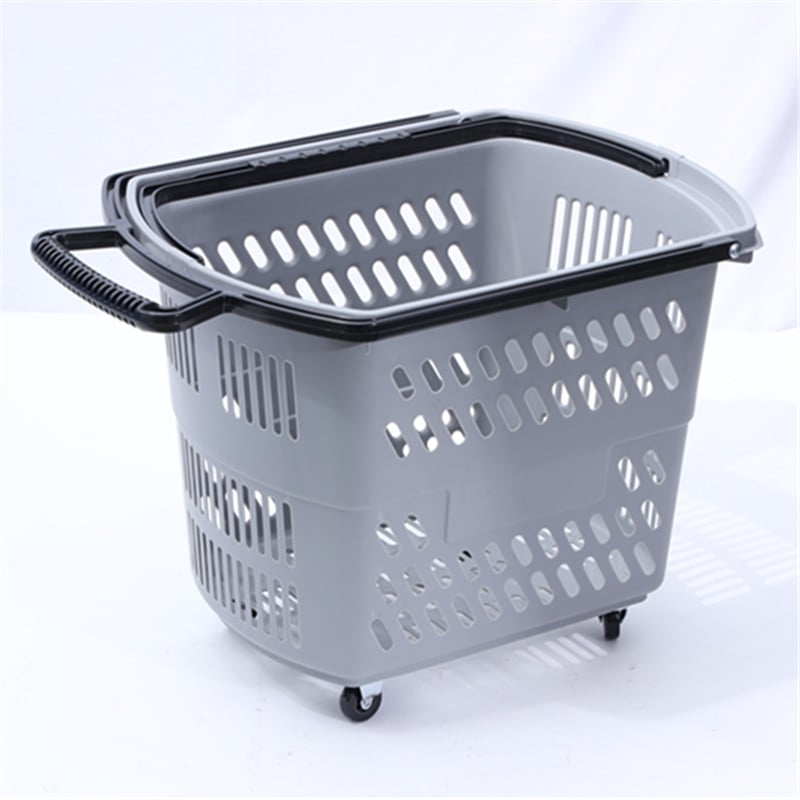
أصبحت سلة التسوق ذات العجلات أكثر شيوعاً بين المستهلكين كبار السن لأسباب مقنعة تتجاوز بُعد الراحة البسيطة بكثير. ومع تزايد صعوبات التنقّل وانخفاض القوة الجسدية مع التقدّم في العمر، توفّر سلة التسوق ذات العجلات حلاً عملياً يحافظ على الاستقلالية ويقلّل من الإجهاد الجسدي. وفهم أسباب تفضيل كبار السن لسلة التسوق ذات العجلات يكشف رؤى مهمة حول الشيخوخة والصحة وجودة الحياة في الأنشطة اليومية.
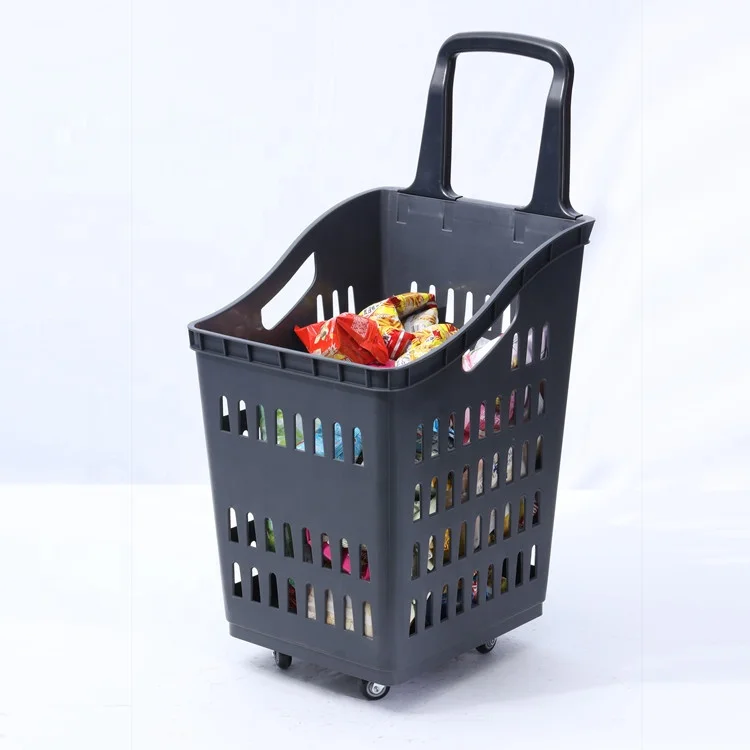
يَعكس انتشار سلّة التسوُّق ذات العجلات بين كبار السن تحولاً أوسع في طريقة أداء البالغين الأكبر سناً للمهام اليومية. فبدلاً من الاعتماد على أفراد الأسرة أو تجنُّب التسوُّق تماماً، يختار المستهلكون المسنُّون بشكل متزايد سلّة تسوُّق ذات عجلات لإدارة مشترياتهم ومشتريات البقالة بأنفسهم. ويُظهر هذا الاتجاه كيف يمكن للتصميم المدروس أن يمكِّن الفئات المتقدِّمة في العمر من الحفاظ على نمط حياة نشيطٍ ومستقلٍ، مع حماية صحتهم الجسدية.
الفوائد الصحية والجسدية وفوائد التنقُّل
تقليل إجهاد المفاصل والعضلات
واحدٌ من الأسباب الرئيسية التي تجعل عربة التسوق ذات العجلات جذّابةً لكبار السن هو التقليل الكبير في الإجهاد البدني المُلقى على المفاصل والعضلات. فحمل أكياس التسوق الثقيلة، لا سيما لفترات طويلة، يُسبب ضغطًا كبيرًا على الكتفين والمرفقين ومعصمي اليدين والظهر السفلي. وتلغي عربة التسوق ذات العجلات الحاجة إلى الحمل، ما يسمح لكبار السن بدفع مشترياتهم بدلًا من حمل الوزن بيديهم وذراعيهم. وهذه الفروقة بالغة الأهمية خصوصًا للأشخاص الذين يعانون من التهاب المفاصل أو هشاشة العظام أو إصابات سابقة.
تتمثّل الميزة الإنجابية لاستخدام سلة تسوق ذات عجلات في تحسين تجربة التسوّق بأكملها. ويمكن للمستهلكين كبار السن أن يتجوّلوا لفترة أطول، ويملؤوا السلة بشكل أكثر اكتمالاً، ويطوفوا مسافات أبعد دون أن يشعروا بالإرهاق. وبما أن سلة التسوّق ذات العجلات توزّع الوزن بأمان عبر العجلات بدلًا من تحميل الجسم به، فإن كبار السن يشعرون بإرهاق أقلّ بكثير، ويحتاجون إلى وقت أقصر للتعافي بعد التسوّق. وهذه القدرة المستمرة على التسوّق باستقلالية تُرْجِع مباشرةً إلى تحسّن التغذية، وازدياد التفاعل الاجتماعي، وتحسّن الرفاه العام.
دعم التوازن ومنع السقوط
تُعَدُّ السقوط إحدى أخطر المخاطر الصحية التي تواجه كبار السن، وغالبًا ما تؤدي إلى إصاباتٍ بالغةٍ تقلِّل من استقلاليتهم وجودة حياتهم. ويوفِّر سلَّة التسوُّق ذات العجلات هيكل دعمٍ ثابتٍ يساعد في الوقاية من السقوط أثناء رحلات التسوُّق. وعلى عكس الأكياس التي يُحمَلُها الشخص بيده والتي تؤثِّر على توازنه وتُشكِّل عوائق، تقدِّم سلَّة التسوُّق ذات العجلات إطارًا متينًا يمكن لكبار السن الإمساك به أثناء التنقُّل في ممرات المتاجر ومناطق موقف السيارات. وهذه الثباتية ذات قيمةٍ كبيرةٍ خصوصًا على الأسطح التي قد تكون خطرةً، مثل الأرضيات الرطبة أو الأسطح غير المستوية.
كما يسهم الفائدة النفسية لسلة التسوق ذات العجلات في الوقاية من السقوط. فعندما يشعر كبار السن بالثقة والدعم أكثر أثناء التسوق، تقل احتمالية أن يسارعوا أو يمدّوا أيديهم بعيدًا جدًّا أو يسلكوا طرقًا غير آمنة مختصرة. وتتيح سلة التسوق ذات العجلات لكبار السن التحرُّك بوتيرتهم المريحة الخاصة مع الحفاظ على الوضعية الصحيحة والتوازن. وهذه المزج بين الدعم الجسدي والطمأنينة النفسية يجعل سلة التسوق ذات العجلات أداة فعَّالة للحد من خطر السقوط أثناء الأنشطة الروتينية للتسوق.
الاستقلالية وتحسين نوعية الحياة
الحفاظ على الاستقلال أثناء التسوق
للكثير من المستهلكين كبار السن، يشكّل الحفاظ على الاستقلالية في الأنشطة اليومية مثل التسوّق عنصراً جوهرياً في شعورهم بالكرامة والانطلاق الذاتي. وتساعد السلة المُزوَّدة بعجلات كبار السن على التسوّق دون الحاجة إلى مساعدة أفراد العائلة أو الاعتماد على خدمات التوصيل. وهذه الاستقلالية ذات أهميةٍ بالغة؛ فهي تعني القدرة على اختيار البقالة المطلوبة بدقة، والتسوّق في الوقت الذي يناسبهم، والحفاظ على القدرة على اتخاذ القرارات الشخصية. ويعكس الطلب المتزايد على السلة المُزوَّدة بعجلات مدى تعلُّق كبار السن بهذه الاستقلالية، ومدى عمق معناها في الحفاظ على السيطرة على حياتهم الخاصة.
وبالإضافة إلى الميزة العملية، فإن استخدام سلة تسوق ذات عجلات يدعم الصحة العقلية والانخراط الاجتماعي. فالمسنون الذين يحافظون على استقلاليتهم باستخدام أدوات مثل سلة التسوق ذات العجلات يظلون أكثر نشاطًا، ويتفاعلون مع مجتمعاتهم، ويتفادون العزلة التي قد تترافق مع فقدان القدرة على الحركة. وتصبح رحلات التسوق فرصًا للتواصل الاجتماعي — كتحيّة موظفي المتجر، أو مقابلة الأصدقاء، أو المشاركة في الحياة المجتمعية. وبالتالي، فإن سلة التسوق ذات العجلات تسهم في الرفاه العاطفي والاندماج الاجتماعي لدى المستهلكين المسنين.
توسيع سعة التسوق والمرونة
سلة تسوق ذات عجلات توفر عادةً سعة أكبر بكثير مقارنةً بالسلال اليدوية التقليدية، ما يمكّن المستهلكين كبار السن من شراء كميات أكبر وتقليل عدد مرات التسوق. وبفضل هذه السعة الموسَّعة، تقل الرحلات إلى المتجر، ما يخفّف مباشرةً من الجهد البدني والوقت الذي يقضيه كبار السن في التعامل مع تحديات التنقّل. أما بالنسبة لكبار السن ذوي الدخل الثابت، فيصبح شراء كميات أكبر قليلًا عند توفر الخصومات أمرًا ممكنًا باستخدام سلة تسوق ذات عجلات، ما يوفّر فوائد مالية إلى جانب الفوائد الصحية.
المرونة التي يوفّرها سلة التسوّق ذات العجلات تكتسب أهمية كبيرة أيضًا. ويمكن لكبار السن اختيار مختلف المتاجر استنادًا إلى تنوع المنتجات المعروضة فيها، بدلًا من الاقتصار على أقرب المتاجر أو تلك التي يسهل حمل المشتريات منها. وتساعد سلة التسوّق ذات العجلات في إزالة القيد المتعلق بالوزن الذي كان يحدّ من خيارات التسوّق لدى كثيرٍ من كبار السن سابقًا. ويمثّل هذا الحرّية في التسوّق في الأماكن المفضّلة، وشراء ما يحتاجونه، والشراء بكميّات تحقّق جدوى اقتصادية، تحسّنًا ملموسًا في نوعية الحياة لهؤلاء المستهلكين.
الميزات العملية في التصميم التي يقدّرها كبار السن
تصميم المقبض المريح وثبات السلة
يُعَدُّ التصميم الفعّال عاملًا جوهريًّا في شعبية سلّة التسوُّق ذات العجلات بين المستهلكين كبار السن. ويجب أن يكون مقبض السلّة ذات العجلات مريحًا عند الإمساك به، وذو حجم مناسب، وموضعه محسوبٌ بدقة لدعم الوضعية الصحيحة للجسم. كما يراعي المقبض المصمم جيدًا المبادئ الهندسية المراعية للإنسان، ما يمنع إجهاد المعصم ويوائم قوة القبضة المختلفة لدى المستخدمين. وبفضل ارتفاع المقبض المناسب في سلّة التسوُّق ذات العجلات، يستطيع كبار السن الحفاظ على وضعية مُحَايدة للمعصم ووضعية مريحة للذراع طوال رحلة التسوُّق.
تؤثر ميزات الاستقرار تأثيراً مباشراً على تفضيل كبار السن لسلة تسوق ذات عجلات. وتمنع النماذج التي تتميّز بمركز ثقل منخفض وقاعدة عجلات واسعة وثبات في تثبيت السلة الانقلاب، وتوفر شعوراً بالثقة أثناء الاستخدام. كما تضمن تصاميم مقاومة الانقلاب والهيكل المتين أن تبقى سلة التسوق ذات العجلات مستقرة حتى عند تحميلها بالكامل أو عند التنقّل على أسطح غير مستوية. وتحول هذه العناصر التصميمية سلة التسوق ذات العجلات من أداة راحة إلى جهاز أمان حقيقي يمكن لكبار السن الاعتماد عليه بثقة.
أداء العجلات وال maneuورability
تؤثّر جودة عجلات سلة التسوّق ذات العجلات تأثيرًا كبيرًا في رضا المستخدم واعتمادها من قِبل المستهلكين كبار السن. فعجلات التدحرج السلس التي تتطلّب أقلّ قدر ممكن من القوة الدافعة تُسهّل التسوّق لكبار السن ذوي القوة المحدودة. وتوفّر سلة التسوّق ذات العجلات، التي تتميّز بعجلات أمامية دوّارة وعجلات خلفية ثابتة، قدرة ممتازة على المناورة داخل الممرات الضيّقة للمتاجر مع الحفاظ على التحكّم في الاتجاه على الأسطح المفتوحة. كما أن تركيب المادة وجودة المحامل وقطر العجلات كلّها عوامل تؤثّر في سهولة أداء سلة التسوّق ذات العجلات على مختلف الأسطح.
تَهمُ مَقاوَمَةُ الطَّقس وَالمَتانَةُ بِشَكْلٍ مُتساوٍ المُستهلكينَ الكِبارَ فِي السِّنِ عِندَ انتخابِ سَلَّةِ تَسوُّقٍ مَزودَةٍ بِعَجلاتٍ. فَالعَجلاتُ الَّتي تَتدحْرَجُ بِسلاسَةٍ سواءً كَانَتِ الأَرضُ رَطْبَةً أَو جافَّةً، وَالَّتي تَقاوِمُ التَّآكُلَ، تَضمنُ أَداءً مُتَّسِقًا طَوالَ الفُصولِ. وَعِندَما يَشتري الكِبارُ فِي السِّنِ سَلَّةَ تَسوُّقٍ مَزودَةً بِعَجلاتٍ، يَتوقَّعونَ أَنْ تَأْديَ أَداءً مَوثوقًا بِهِ لِعَدَّةِ سَنَواتٍ بِصِيانَةٍ دَنيا. وَيَتَرجَمُ البِناءُ الجَيِّدُ لِلعَجلاتِ الَّذي يَتَحمَّلُ الاستِخدامَ المُنتَظمَ إِلى رِضاً طَويلَ الأَجَلِ وَاسْتِمْرارِ الاستِقلالِ الَّذي يَجعَلُ سَلَّةَ التَّسوُّقِ المَزودَةَ بِعَجلاتٍ قَيِّمَةً لِلكِبارِ فِي السِّنِ.
الأسئلة الشائعة
أَيُّ الظَّروفِ الصِّحِّيَّةِ المُحدَّدةِ تَستفيدُ أَكثَرَ مِن استِخدامِ سَلَّةِ تَسوُّقٍ مَزودَةٍ بِعَجلاتٍ؟
يَحْظَى كبار السن المصابون بالتهاب المفاصل أو هشاشة العظام أو آلام الظهر أو اضطرابات التوازن أو ضعف القوة في الجزء العلوي من الجسم بأكبر فائدة ملحوظة من عربة التسوق ذات العجلات. ويجد كبار السن الذين يتعافون من جراحة ما أو يعانون من أمراض مزمنة تؤثر على حركتهم وقدرتهم على التحمل أن عربة التسوق ذات العجلات تتيح لهم استئناف التسوق بشكل مستقل. بل حتى كبار السن الأصحاء يقدّرون انخفاض التعب وزيادة قدرة التسوق التي توفرها عربة التسوق ذات العجلات، مما يجعلها مفيدةً لمجموعة واسعة من الفئات العمرية ومستويات اللياقة البدنية.
كيف تقارن عربة التسوق ذات العجلات بغيرها من وسائل المساعدة على الحركة لكبار السن أثناء التسوق؟
ورغم أن المشايات والمشيات توفر أنواعاً مختلفة من الدعم الحركي، فإن سلة التسوق ذات العجلات تجمع بشكل فريد بين التخزين الوظيفي ومساعدة الحركة. وسلة التسوق ذات العجلات أخف وزناً وأكثر مرونة في التحكم مقارنةً بالعديد من المشايات، ومع ذلك فهي تقدّم سعة حمل أكبر من السلال أو الحقائب التقليدية. وللمسنين الذين يحتاجون الدعم أساساً أثناء رحلات التسوق لا طوال اليوم، تُعد سلة التسوق ذات العجلات حلاً متخصصاً يلبّي احتياجات الحركة وإنجاز المهام العملية معاً في أداة واحدة.
هل توجد خصائص محددة ينبغي على كبار السن إعطاؤها أولوية عند اختيار سلة تسوق ذات عجلات؟
يجب أن يُركِّز المتسوقون كبار السن على قابلية ضبط ارتفاع المقبض، وقدرة العجلات على الدوران، والوزن الكلي للسلة الفارغة، ومتانة التصنيع في مواجهة عوامل الطقس عند اختيار سلة تسوق ذات عجلات. وتوفِّر السلة ذات العجلات المزودة بمكابح درجة إضافية من الأمان للمستخدمين الذين يحتاجون إلى التوقف مؤقتًا على المنحدرات أو الأسطح المزدحمة. كما أن تصميم السلة الواسعة والسهلة الاستخدام، والتي تستوعب البقالة دون أن تنسكب، وتسمح بتحميلها وتفريغها بسهولة، يكتسب أهمية كبيرة في الاستخدام الفعلي لكبار السن ورضائهم عن سلة التسوق ذات العجلات.