
 EN
EN
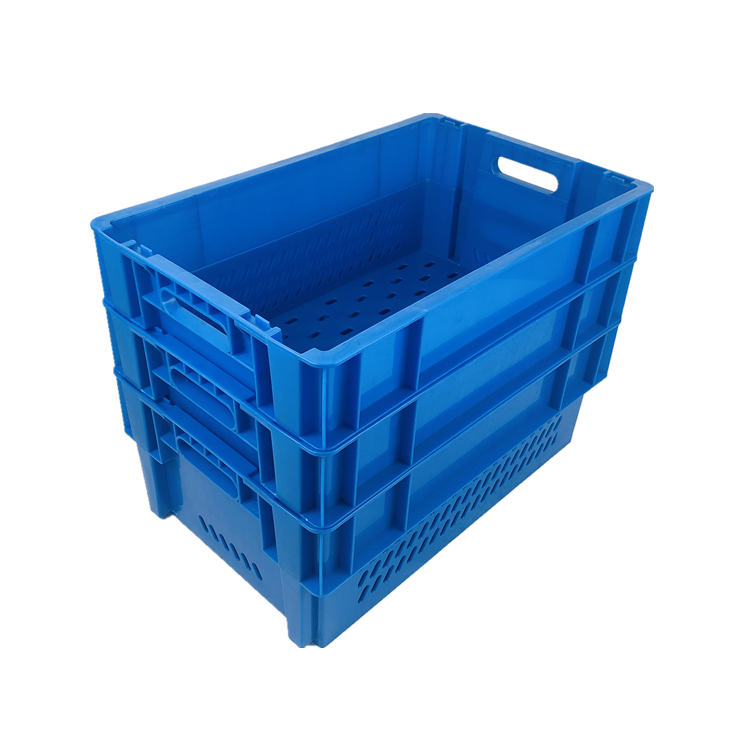
A shopping basket with wheels represents a transformative solution for modern retail environments, fundamentally changing how customers navigate stores and select merchandise. Unlike traditional hand-carried baskets, a shopping basket with wheels combines the portability of standard baskets with the ergonomic benefits of wheeled transport, reducing physical strain while improving the overall shopping experience. This innovation addresses a critical pain point in retail: customer fatigue during extended shopping sessions.
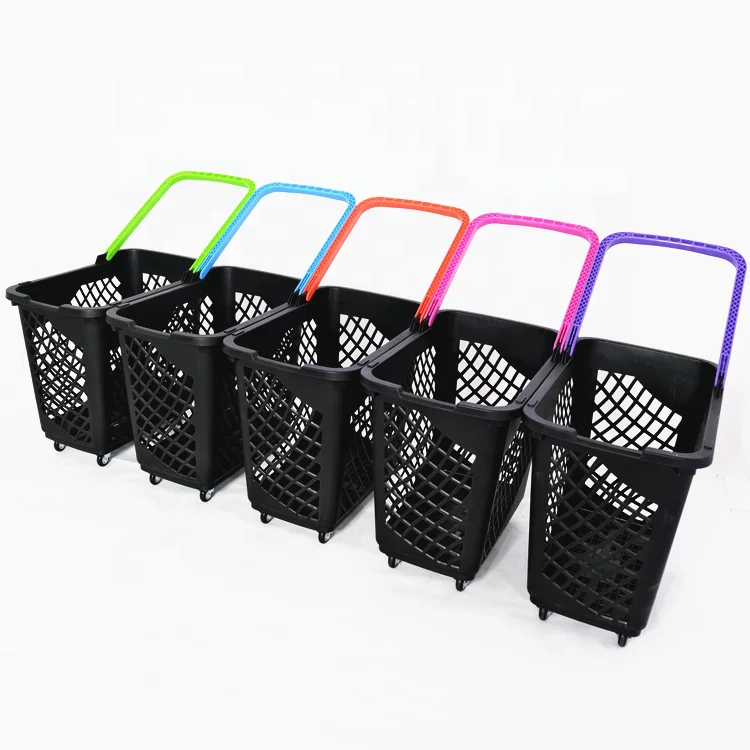
Understanding how a shopping basket with wheels enhances mobility requires examining both physical mechanics and customer behavior patterns. Retailers who implement wheeled baskets report increased customer satisfaction, longer shopping durations, and higher average transaction values. The design of a shopping basket with wheels balances storage capacity, maneuverability, and durability to meet diverse retail demands across supermarkets, department stores, and specialty retailers.
The Mechanics of Enhanced Mobility
Reducing Physical Strain Through Wheeled Design
A shopping basket with wheels eliminates the cumulative fatigue that comes from carrying heavy items throughout a store. Customers no longer grip handles tightly or shift weight between hands, which traditionally causes discomfort during extended shopping trips. The wheeled mechanism allows customers to push rather than carry, distributing weight through the wheels rather than their arms and shoulders. This fundamental shift in load management directly improves accessibility for elderly shoppers, parents managing multiple children, and individuals with mobility constraints. A shopping basket with wheels thus becomes not merely a convenience feature but an accessibility necessity for inclusive retail environments.
Maneuverability and Store Navigation
The effectiveness of a shopping basket with wheels depends on wheel quality, basket dimensions, and store layout compatibility. Smooth-rolling wheels enable customers to navigate tight aisles and crowded store sections without excessive physical exertion. A shopping basket with wheels featuring swivel front wheels and fixed rear wheels provides optimal control, allowing sharp turns and precise positioning near shelves. Retailers who select baskets with four-wheel designs report superior stability, particularly in stores with slope variations or uneven flooring. The wheel diameter and bearing quality directly influence how easily customers propel a shopping basket with wheels, making material selection crucial for long-term performance and customer satisfaction.
Business and Customer Experience Benefits
Increased Store Dwell Time and Purchase Behavior
When customers use a shopping basket with wheels, they experience reduced fatigue, which psychologically encourages longer shopping sessions. Extended time in-store correlates directly with higher basket sizes and increased impulse purchases. Research from retail analytics demonstrates that customers using a shopping basket with wheels spend approximately 15–20 percent longer browsing compared to those carrying traditional baskets. This behavioral shift translates to measurable revenue impact, as customers exploring more sections discover additional products they hadn't initially planned to purchase. Retailers investing in a shopping basket with wheels effectively create an environment that naturally encourages exploration and higher transaction values without aggressive sales tactics.
Customer Satisfaction and Loyalty Signals
Providing a shopping basket with wheels signals to customers that a retailer prioritizes their comfort and experience. This seemingly small amenity contributes significantly to overall store perception and brand loyalty. Customers appreciate not having to choose between comfort and purchasing convenience; a shopping basket with wheels eliminates that trade-off entirely. When customers associate a retailer with thoughtful design and customer-centric solutions, they return more frequently and recommend the store to others. The psychological value of a shopping basket with wheels extends beyond physical comfort—it communicates that management understands customer needs and invests in solutions that matter.
Implementation Considerations for Retailers
Capacity and Basket Specifications
Retailers must select a shopping basket with wheels that matches typical customer purchase volumes and store demographics. Baskets range from 30-liter to 65-liter capacities, with each size serving different retail formats and customer segments. Smaller baskets suit convenience stores and quick-trip environments, while larger capacities serve supermarkets where customers perform comprehensive weekly shopping. The material composition of a shopping basket with wheels significantly affects durability, weight, and cleanability. High-density polyethylene and polypropylene constructions provide excellent balance between strength and weight, ensuring a shopping basket with wheels remains lightweight enough for easy propulsion while maintaining structural integrity under heavy use.
Maintenance, Hygiene, and Operational Integration
A shopping basket with wheels requires systematic maintenance to sustain optimal performance and customer satisfaction. Store staff must regularly inspect wheels for debris accumulation, bearing degradation, and alignment issues that compromise maneuverability. Establishing a cleaning protocol for a shopping basket with wheels becomes essential post-pandemic, as hygiene standards now directly influence customer confidence. Retailers should implement designated storage areas and collection systems to prevent loss and damage. Training staff to recognize when a shopping basket with wheels requires wheel replacement or handle adjustment ensures consistent customer experience. The operational cost of maintaining a shopping basket with wheels is minimal compared to revenue benefits from increased shopping duration and customer retention.
FAQ
What weight capacity should a shopping basket with wheels support?
Standard retail shopping baskets with wheels typically support 25–30 kilograms, sufficient for most customer purchases. Retailers should verify weight ratings based on their specific customer demographics and typical purchase patterns. Quality manufacturers design a shopping basket with wheels with reinforced handles and wheel assemblies to prevent failure under normal retail use, ensuring durability and customer safety.
How does a shopping basket with wheels compare to traditional shopping carts?
While shopping carts accommodate larger volumes, a shopping basket with wheels fills a unique niche by offering mobility without the bulk and complexity of full carts. A shopping basket with wheels suits customers making quick purchases or browsing multiple aisles comfortably. Many retailers employ both solutions, allowing customers to choose based on their shopping needs and preferences.
Can retailers customize a shopping basket with wheels with branding?
Yes, manufacturers offer customization options for a shopping basket with wheels, including branded colors, logos, and handle designs. Customizing a shopping basket with wheels reinforces brand identity while maintaining functional performance. This branding approach creates cohesive store environments and strengthens customer recognition of your retail location.