
 EN
EN
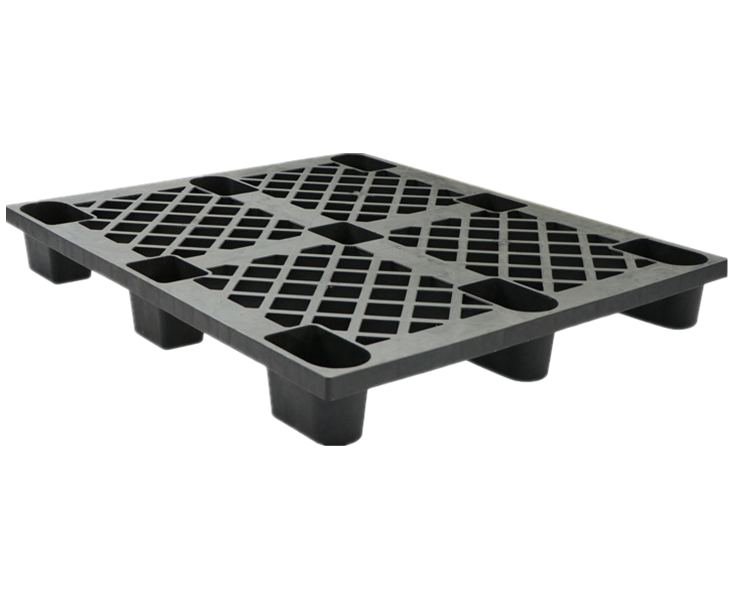
High-volume logistics and warehousing operations demand equipment that combines standardization, durability, and cost-effectiveness. The euro pallet has become the backbone of modern supply chains across Europe and increasingly worldwide. Understanding whether a euro pallet is suitable for your high-volume operations requires examining its technical specifications, compatibility with existing infrastructure, and proven track record in demanding environments. This article provides a comprehensive analysis of how the euro pallet performs in intensive warehousing scenarios and what factors determine its suitability for your business needs.
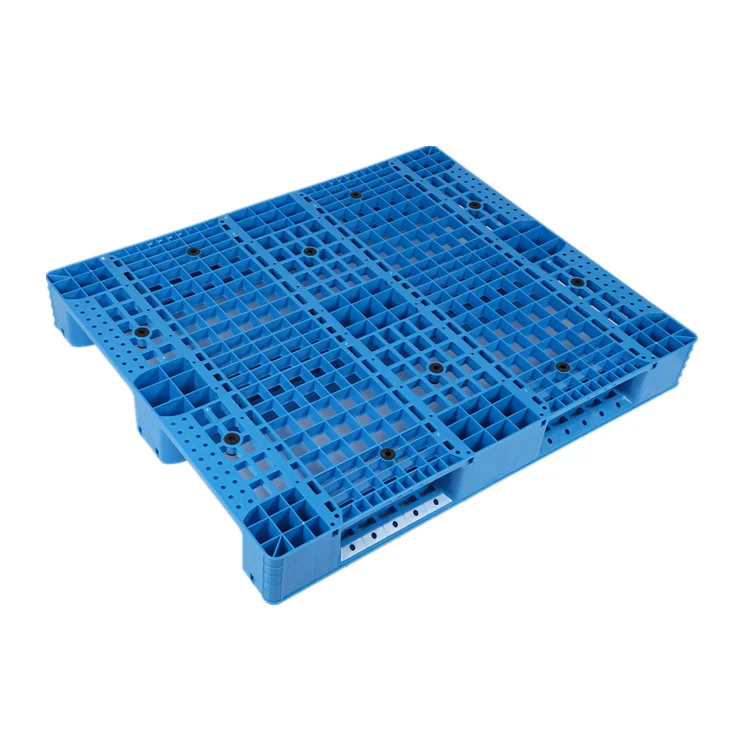
The euro pallet is far more than a simple wooden platform. It represents a standardized system that has transformed logistics efficiency across multiple continents. When evaluating whether a euro pallet meets your operational requirements, you must consider factors such as standardized dimensions, weight capacity, handling speed, and integration with automated systems. Organizations managing thousands of shipments daily have found that the euro pallet delivers measurable improvements in throughput, damage reduction, and overall supply chain cost.
Standardization and Universal Compatibility
Why Standard Dimensions Matter in High-Volume Operations
The euro pallet measures 1200 × 800 millimeters, a dimension established by the European Pallet Association. This standardized size ensures that every euro pallet fits seamlessly into automated conveyor systems, racking structures, and material handling equipment found throughout European warehouses. When your facility processes hundreds or thousands of pallets daily, non-standard pallet sizes create bottlenecks, require manual intervention, and slow throughput. A euro pallet eliminates these friction points because its universal dimensions mean equipment investments pay dividends across all incoming shipments, not just a subset of compatible sizes.
Standardized dimensions for the euro pallet also simplify training and reduce handling errors. Warehouse staff working with the euro pallet understand exactly how much space it occupies, how much weight it can bear, and how to position it correctly on racking systems. This consistency accelerates onboarding, reduces damage claims, and enables reliable labor productivity metrics. Large distributors serving multiple retail chains find that the euro pallet compatibility standard becomes a competitive advantage, enabling them to handle mixed shipments without logistical friction.
Integration with Automated Handling Systems
Modern high-volume warehouses increasingly rely on automated systems such as guided vehicles, robotic arms, and conveyor networks. The euro pallet has been engineered to work reliably with these systems because its standardized footprint allows equipment manufacturers to calibrate machinery precisely. When you invest in automation, the euro pallet becomes more valuable because the equipment treats every pallet identically, ensuring consistent performance across your entire operation. Facilities that have retrofitted their systems to handle the euro pallet report dramatic improvements in throughput per labor hour and fewer system stoppages caused by incompatible pallet dimensions.
Durability and Weight-Bearing Capacity
Construction Quality for Demanding Environments
The euro pallet is constructed from hardwood components, typically pine or birch, engineered to withstand thousands of handling cycles. In high-volume operations, a single euro pallet may be picked up, moved, and restacked dozens of times weekly. The euro pallet design distributes stress across multiple support blocks and deck boards, preventing the catastrophic failure modes that plague lighter-duty pallets. The typical euro pallet weighs approximately 25 kilograms and can support loads up to 1500 kilograms when properly stacked, making it suitable for everything from food products to automotive components.
Durability translates directly to lower total cost of ownership when managing the euro pallet fleet. Warehouses that cycle pallets continuously find that the euro pallet resists splintering, maintains dimensional stability, and requires minimal maintenance compared to lighter alternatives. A euro pallet subjected to daily mechanical handling in a busy distribution center typically remains serviceable for three to five years, after which it can be refurbished or recycled. This longevity makes the euro pallet investment economically rational for facilities projecting multi-year operations.
Handling Compatibility Across Loading Equipment
High-volume warehouses employ diverse handling equipment including forklift trucks, pallet jacks, and conveyor systems. The euro pallet is specifically designed with entry points on all four sides, allowing equipment operators to approach from any direction without repositioning inventory. This four-way access design accelerates pallet movement through the facility and reduces congestion at key chokepoints. When comparing the euro pallet to other standards, this universal entry capability becomes significant when throughput is measured in pallets per hour rather than pallets per shift.
Cost Efficiency and Supply Chain Economics
Pallet Pooling and Standardization Savings
The widespread adoption of the euro pallet throughout European logistics has created a robust pallet pooling infrastructure. Organizations using the euro pallet can participate in shared pallet pools, where pallets circulate through multiple members of a supply chain network. Rather than purchasing and managing your own dedicated euro pallet inventory, participation in a pool spreads the cost across many users while ensuring pallets always circulate toward where they are needed. For high-volume operations, this pooling model significantly reduces capital investment and simplifies asset management compared to owning your entire euro pallet fleet outright.
The euro pallet standardization also reduces shipping damage and improves the economics of return logistics. When all trading partners use the identical euro pallet, products arrive in consistent condition, reducing claims and administrative friction. The standardized euro pallet also facilitates efficient reverse logistics, as distributors can consolidate empty euro pallet shipments and pool them back to sources at lower per-unit cost. This closed-loop model works only when all participants standardize on the euro pallet, making the efficiency gains substantial for well-integrated supply networks.
Operational Cost Reduction Through Standardization
Beyond pallet acquisition costs, standardization on the euro pallet reduces training expenses, inventory tracking complexity, and equipment customization requirements. When your facility operates with a single pallet standard, maintenance procedures become routine, spare parts inventory shrinks, and staff expertise deepens. Facilities that manage multiple pallet types report significant hidden costs in staff confusion, equipment incompatibility, and damage rates. Consolidating on the euro pallet for your high-volume operation eliminates these inefficiencies and creates predictable, measurable cost savings across labor, equipment maintenance, and damage prevention.
Practical Suitability Assessment
When the Euro Pallet Is the Right Choice
The euro pallet is exceptionally well-suited to high-volume operations that involve frequent cross-border European movements, participation in logistics networks where standardization is already established, and integration with modern automated handling systems. If your facility processes products that require predictable stacking and protection from damage during mechanical handling, the euro pallet design delivers superior performance compared to lightweight alternatives. Organizations experiencing rapid growth in throughput, frequent equipment upgrades, or expanding trading partner networks benefit most from euro pallet adoption because the standardization investment compounds in value as scale increases.
The euro pallet becomes less advantageous only in niche scenarios involving specialized load shapes, extreme outdoor storage requirements, or isolated operations without access to established euro pallet infrastructure. For mainstream high-volume logistics, the euro pallet represents the proven standard that balances durability, compatibility, and economic efficiency. euro pallet solutions designed specifically for demanding industrial environments provide reliable performance over extended service lives.
FAQ
What is the maximum weight a euro pallet can safely carry in high-volume operations?
The euro pallet is rated for maximum static loads of approximately 1500 kilograms. In dynamic handling environments typical of high-volume warehouses, operational practice recommends maintaining loads between 1000 and 1200 kilograms per euro pallet to ensure durability and prevent accelerated wear on handling equipment. Weight distribution across the euro pallet surface must be reasonably even to maintain structural integrity and prevent tipping.
Can a euro pallet be used with automated warehouse systems?
Yes, the standardized dimensions of the euro pallet make it fully compatible with modern automated systems including conveyor networks, robotic pallet movers, and automated storage and retrieval systems. The euro pallet design was specifically engineered with standardization in mind, allowing manufacturers to calibrate machinery for precise handling. Facilities implementing automation typically report that choosing the euro pallet standard simplifies equipment integration and maximizes the return on automation investments.
How do euro pallet costs compare to other pallet standards for large operations?
While initial euro pallet costs may be similar to alternative standards, the total cost advantage emerges through participation in pallet pooling networks, reduced equipment customization requirements, and lower damage rates. High-volume operations that can leverage existing euro pallet infrastructure and standardization benefits typically achieve 15 to 25 percent cost reductions compared to managing multiple non-standard pallet types. The euro pallet also retains superior residual value in secondary markets, improving total lifecycle economics.