
 EN
EN
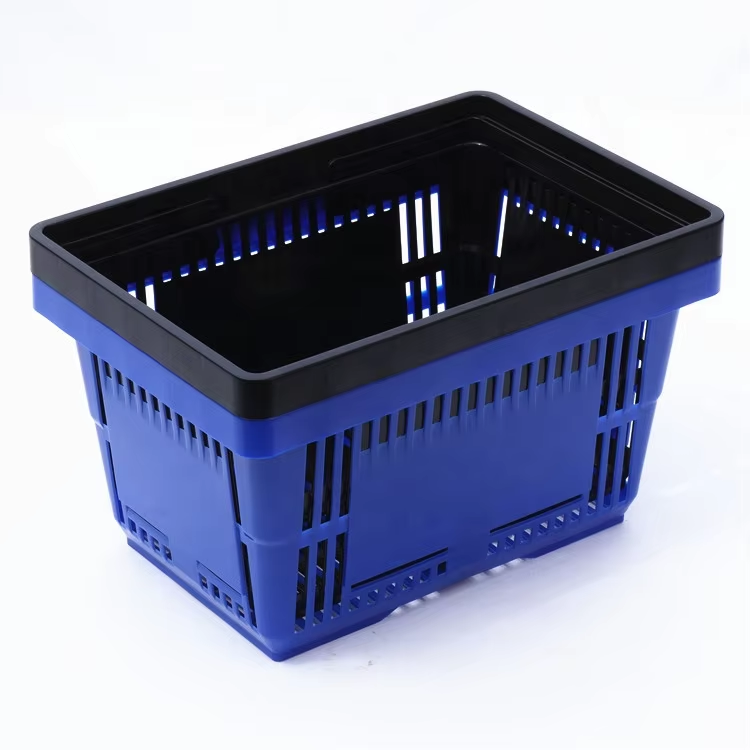
Understanding compliance standards for shopping trolley use in public retail areas is essential for store owners, facility managers, and safety coordinators who want to ensure both customer safety and legal adherence. These standards encompass multiple regulatory frameworks that govern everything from structural integrity and material safety to accessibility requirements and maintenance protocols. The complexity of these regulations varies by jurisdiction, but common themes include fire safety codes, disability access requirements, and general public safety mandates that directly impact how shopping trolley systems are designed, deployed, and maintained in retail environments.
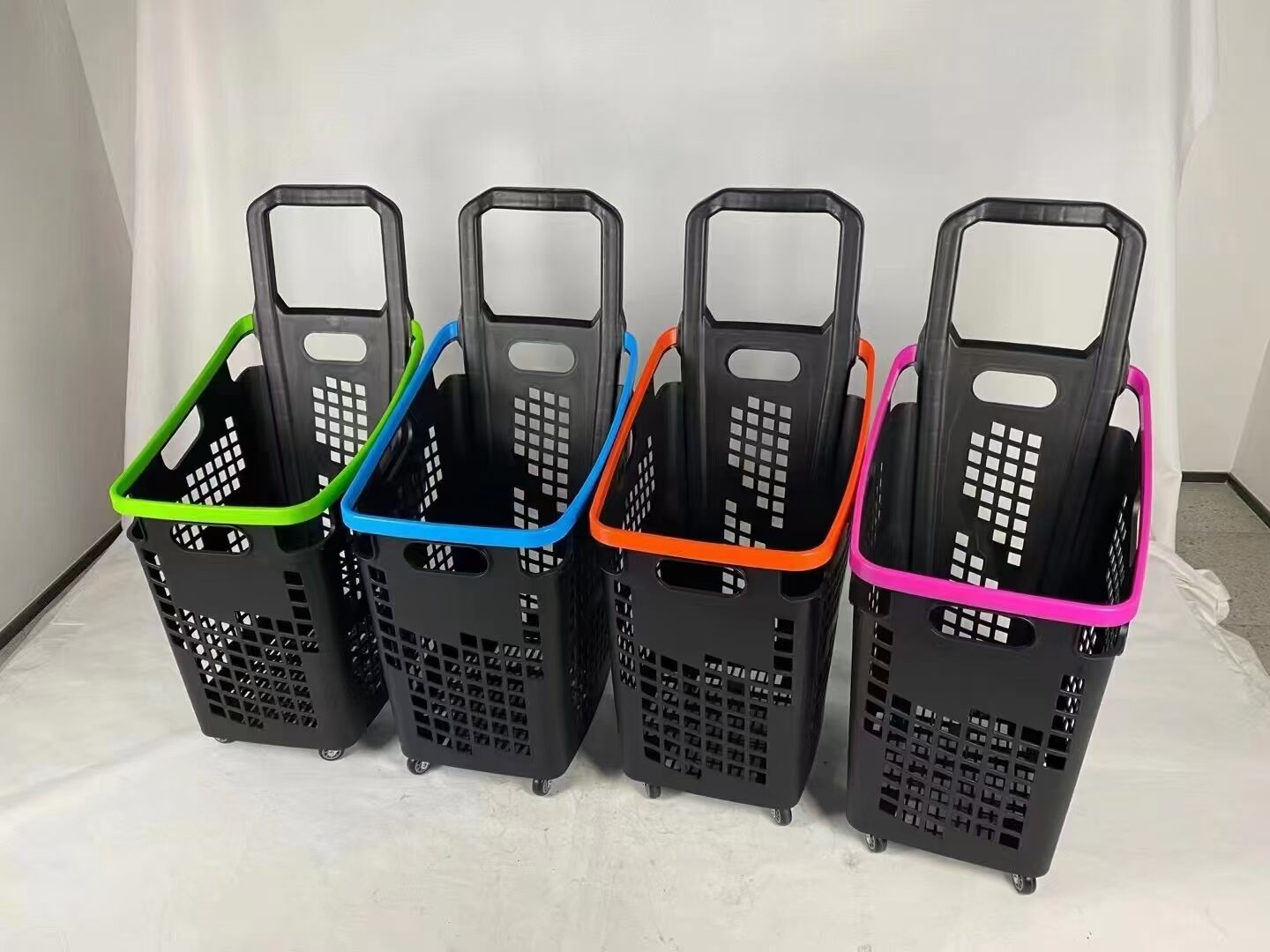
Retail facilities must navigate a comprehensive landscape of compliance requirements that affect every aspect of shopping trolley implementation. From initial procurement decisions to daily operational practices, these standards influence material specifications, design features, placement strategies, and ongoing maintenance requirements. The intersection of building codes, consumer protection laws, and accessibility regulations creates a framework that demands careful attention to detail and proactive compliance management to avoid potential liability issues and ensure optimal customer experience.
Safety and Structural Compliance Requirements
Material Safety Standards and Certifications
Shopping trolley compliance begins with material safety standards that govern the construction and composition of retail cart systems. These standards typically require that all materials used in shopping trolley manufacturing meet specific safety criteria, including flame resistance ratings, chemical stability requirements, and structural integrity specifications. Many jurisdictions mandate that plastic components achieve certain fire safety classifications, while metal components must demonstrate resistance to corrosion and structural failure under normal use conditions.
The certification process for shopping trolley materials often involves third-party testing to verify compliance with relevant safety standards. This testing evaluates factors such as impact resistance, load-bearing capacity, and environmental stability under various temperature and humidity conditions. Retail operators must ensure that their shopping trolley suppliers provide proper certification documentation and that replacement parts or components also meet these same material safety requirements throughout the product lifecycle.
Chemical safety considerations play a crucial role in shopping trolley compliance, particularly regarding materials that may come into contact with food items or children. Standards often specify acceptable levels of heavy metals, phthalates, and other potentially harmful substances in plastic components. Regular testing and documentation of material composition helps retail facilities maintain compliance and protect customers from potential health risks associated with substandard materials.
Structural Integrity and Load Capacity Standards
Structural compliance standards for shopping trolley systems establish minimum requirements for load-bearing capacity, stability, and durability under normal use conditions. These standards typically specify testing protocols that evaluate how much weight a shopping trolley can safely carry, both in terms of total load and distributed weight patterns. Compliance requires that trolleys maintain structural integrity throughout their expected service life while handling typical retail loads and customer use patterns.
The testing procedures for shopping trolley structural compliance often include dynamic loading tests that simulate real-world use conditions, including sudden stops, directional changes, and impact scenarios. These tests help ensure that the shopping trolley design can withstand the stresses of normal retail operation without compromising customer safety or causing property damage. Manufacturers must provide detailed engineering documentation and test results to demonstrate compliance with these structural requirements.
Ongoing structural monitoring becomes part of compliance management for retail operators, as standards often require regular inspection and maintenance protocols to ensure continued structural integrity. This includes checking for wear patterns, stress fractures, and component degradation that might compromise the shopping trolley safety performance over time. Documentation of these inspections and any remedial actions taken forms part of the compliance record that retailers must maintain.
Accessibility and Universal Design Standards
Americans with Disabilities Act Compliance
Shopping trolley accessibility compliance in the United States centers around Americans with Disabilities Act requirements that ensure equal access for customers with disabilities. These standards mandate that retail facilities provide adequate numbers of accessible shopping trolley options and that the design of these trolleys accommodates various mobility limitations and physical capabilities. The compliance framework includes specifications for handle heights, grip designs, and maneuvering characteristics that make shopping trolley use feasible for customers with different physical abilities.
The ADA compliance requirements for shopping trolley systems extend beyond individual cart design to encompass the entire shopping environment. This includes ensuring that aisles are wide enough to accommodate shopping trolley navigation by customers using mobility aids, that storage areas for trolleys are accessible, and that the process of obtaining and returning shopping trolleys does not create barriers for customers with disabilities. Retail operators must consider the entire customer journey when evaluating shopping trolley accessibility compliance.
Documentation and staff training requirements form important components of shopping trolley accessibility compliance. Retail facilities must maintain records demonstrating that accessible shopping trolley options are available and in good working condition, and staff must be trained to assist customers with disabilities in accessing and using these accommodations. Regular audits of accessibility features help ensure ongoing compliance and identify potential improvements to the shopping trolley accessibility program.
International Accessibility Standards
Beyond ADA requirements, international accessibility standards influence shopping trolley compliance for retailers operating in multiple jurisdictions or seeking to implement universal design principles. Standards such as ISO 14021 and various European accessibility directives establish additional requirements for shopping trolley design and deployment that may exceed local minimum requirements but provide broader accessibility benefits.
These international standards often emphasize universal design principles that make shopping trolley systems more usable for all customers, regardless of age or physical capability. This approach to shopping trolley accessibility compliance focuses on creating solutions that benefit the broadest possible range of users rather than simply meeting minimum legal requirements. Features such as ergonomic handle designs, smooth-rolling wheels, and intuitive steering mechanisms support universal accessibility goals.
Compliance with international accessibility standards for shopping trolley systems may also involve considerations of cultural and regional differences in customer needs and expectations. This comprehensive approach to accessibility ensures that shopping trolley solutions work effectively across diverse customer populations and retail environments, supporting both compliance goals and customer satisfaction objectives.
Fire Safety and Emergency Egress Standards
Building Code Requirements for Shopping Trolley Storage
Fire safety compliance for shopping trolley systems includes specific requirements governing how and where trolleys can be stored within retail facilities. Building codes typically establish maximum quantities of shopping trolley storage in designated areas, specify fire-resistant materials for storage structures, and mandate minimum clearances around emergency exits and fire suppression systems. These requirements ensure that shopping trolley storage does not compromise building safety or emergency response capabilities.
The placement of shopping trolley storage areas must comply with emergency egress requirements that ensure customers and staff can evacuate quickly in case of fire or other emergencies. This includes maintaining clear pathways around shopping trolley storage locations and ensuring that the storage systems themselves do not obstruct emergency exits or interfere with emergency lighting and signage visibility. Compliance requires careful planning of shopping trolley storage locations during facility design and ongoing monitoring during operations.
Fire suppression system compatibility represents another critical aspect of shopping trolley fire safety compliance. The materials and configuration of shopping trolley storage must not interfere with sprinkler system operation or other fire suppression mechanisms. This may require specific spacing requirements, material specifications, or special fire suppression provisions in areas where shopping trolley storage is concentrated.
Emergency Response and Evacuation Procedures
Emergency response procedures for shopping trolley management must address how these mobile units are handled during various emergency scenarios. Compliance standards often require specific protocols for quickly securing or removing shopping trolley units from emergency egress routes and ensuring that abandoned trolleys do not impede evacuation efforts. These procedures must be integrated with overall emergency response plans and regularly practiced through emergency drills.
Staff training on shopping trolley emergency procedures forms a crucial component of compliance with fire safety and emergency response standards. Personnel must understand how to quickly assess and manage shopping trolley-related obstacles during emergencies, how to communicate trolley-related hazards to emergency responders, and how to assist customers in safely abandoning shopping trolley units when necessary during evacuation procedures.
The integration of shopping trolley management with broader emergency response systems requires ongoing coordination with local fire departments and emergency services. This collaboration ensures that emergency responders understand the layout and typical distribution of shopping trolley units within the facility and can effectively navigate around or through these areas during emergency response operations.
Health Department and Sanitation Standards
Food Contact Surface Requirements
Shopping trolley compliance with health department standards becomes particularly important in grocery stores and other retail environments where trolleys may come into contact with food products. These standards typically specify requirements for surface materials, cleaning protocols, and maintenance procedures that ensure shopping trolley surfaces do not harbor harmful bacteria or contribute to foodborne illness risks. The compliance framework often aligns with broader food safety regulations that govern retail food handling environments.
Material specifications for shopping trolley surfaces in food retail environments often require non-porous materials that resist bacterial growth and can be effectively sanitized. Compliance may mandate specific cleaning agents, cleaning frequencies, and documentation procedures that demonstrate ongoing adherence to sanitation requirements. These requirements particularly affect shopping trolley designs used in grocery stores, supermarkets, and other food retail environments where customer health protection is paramount.
The cleaning and sanitization protocols for shopping trolley systems must be integrated with broader facility sanitation programs to ensure comprehensive compliance. This includes coordination with pest control measures, waste management procedures, and general facility hygiene protocols that support overall health department compliance. Regular inspection and documentation of shopping trolley sanitation efforts help demonstrate ongoing compliance commitment.
Public Health and Hygiene Standards
Beyond food-specific requirements, public health standards influence shopping trolley compliance through general hygiene and cleanliness expectations that apply to all customer-contact surfaces in retail environments. These standards may specify minimum cleaning frequencies, acceptable cleaning products, and procedures for addressing contamination incidents involving shopping trolley units. Compliance requires establishing systematic cleaning protocols and staff training programs that ensure consistent adherence to hygiene standards.
The recent emphasis on infection control and disease prevention has expanded public health compliance requirements for shopping trolley systems. This includes protocols for disinfection, provisions for customer self-sanitization of shopping trolley surfaces, and procedures for managing potentially contaminated trolleys. Retail operators must adapt their shopping trolley management practices to address evolving public health guidance while maintaining efficient operations.
Documentation and record-keeping requirements for shopping trolley hygiene compliance often include cleaning logs, staff training records, and incident reports related to contamination or customer health concerns. These records support ongoing compliance demonstration and help identify opportunities for improvement in shopping trolley hygiene management practices.
Environmental and Sustainability Compliance
Recycling and Waste Management Standards
Environmental compliance standards increasingly affect shopping trolley procurement and end-of-life management decisions. These standards may specify requirements for recyclable materials, sustainable manufacturing processes, and responsible disposal procedures when shopping trolley units reach the end of their service life. Compliance often requires documentation of material composition and established procedures for proper disposal or recycling of worn-out trolley components.
The lifecycle assessment requirements for shopping trolley systems evaluate environmental impact from manufacturing through disposal, encouraging retailers to consider long-term sustainability in their procurement decisions. This comprehensive approach to environmental compliance includes factors such as transportation impacts, energy consumption during manufacturing, and the availability of recycling options for various trolley components at the end of their useful life.
Sustainable procurement policies for shopping trolley systems often align with broader corporate environmental commitments and may exceed minimum regulatory requirements. These voluntary compliance initiatives can include preferences for locally manufactured trolleys, requirements for minimum recycled content, and commitments to specific end-of-life management practices that support circular economy principles.
Chemical Emissions and Indoor Air Quality
Indoor air quality standards may affect shopping trolley compliance through requirements related to off-gassing from plastic materials and other chemical emissions from trolley components. These standards typically specify maximum allowable levels of volatile organic compounds and other airborne contaminants that can be emitted by shopping trolley materials in enclosed retail environments. Compliance may require testing and certification of trolley materials to ensure they meet indoor air quality standards.
The selection of shopping trolley materials must consider potential impacts on indoor environmental quality, particularly in enclosed shopping centers and retail facilities with limited ventilation. Compliance standards may favor low-emission materials and manufacturing processes that minimize the introduction of harmful chemicals into the retail environment. This consideration becomes particularly important in facilities that serve sensitive populations such as children or individuals with chemical sensitivities.
Ongoing monitoring of indoor air quality in relation to shopping trolley emissions may be required in some jurisdictions or voluntary certification programs. This includes periodic testing, documentation of material specifications, and procedures for addressing any air quality concerns related to shopping trolley systems. Proactive management of these environmental factors supports both compliance goals and customer comfort objectives.
FAQ
What are the most critical compliance standards that affect shopping trolley selection for retail stores?
The most critical compliance standards for shopping trolley selection include safety and structural requirements that govern load capacity and material safety, accessibility standards such as ADA compliance that ensure equal access for customers with disabilities, fire safety codes that affect storage and emergency egress, and health department regulations that govern sanitation in food retail environments. These standards work together to create a comprehensive framework that influences every aspect of shopping trolley procurement and management decisions.
How often must shopping trolley systems be inspected to maintain compliance with safety standards?
Shopping trolley inspection frequency varies by jurisdiction and specific compliance requirements, but most standards require regular safety inspections at least monthly, with more frequent checks for high-traffic locations. These inspections should evaluate structural integrity, cleanliness, accessibility features, and overall safety performance. Many retailers implement weekly or even daily inspection protocols to ensure ongoing compliance and identify potential issues before they compromise safety or regulatory adherence.
Are there specific compliance requirements for shopping trolley use in outdoor retail areas versus indoor facilities?
Outdoor shopping trolley compliance typically includes additional requirements related to weather resistance, UV stability, and environmental durability that may not apply to indoor facilities. Outdoor trolley systems must also comply with local zoning regulations, parking lot safety standards, and potentially different accessibility requirements for outdoor pedestrian areas. However, both indoor and outdoor trolley systems must meet the same basic safety, structural, and accessibility standards, with outdoor applications adding environmental compliance layers.
What documentation must retailers maintain to demonstrate shopping trolley compliance with applicable standards?
Retailers must maintain comprehensive documentation including material safety certifications, structural testing reports, accessibility compliance assessments, cleaning and maintenance logs, staff training records, and regular inspection reports. This documentation should also include supplier certifications, emergency procedure documentation, and records of any incidents or corrective actions taken related to shopping trolley safety or compliance. Many jurisdictions require that these records be readily available for regulatory inspection and maintained for specified retention periods.
Table of Contents
- Safety and Structural Compliance Requirements
- Accessibility and Universal Design Standards
- Fire Safety and Emergency Egress Standards
- Health Department and Sanitation Standards
- Environmental and Sustainability Compliance
-
FAQ
- What are the most critical compliance standards that affect shopping trolley selection for retail stores?
- How often must shopping trolley systems be inspected to maintain compliance with safety standards?
- Are there specific compliance requirements for shopping trolley use in outdoor retail areas versus indoor facilities?
- What documentation must retailers maintain to demonstrate shopping trolley compliance with applicable standards?