
 EN
EN
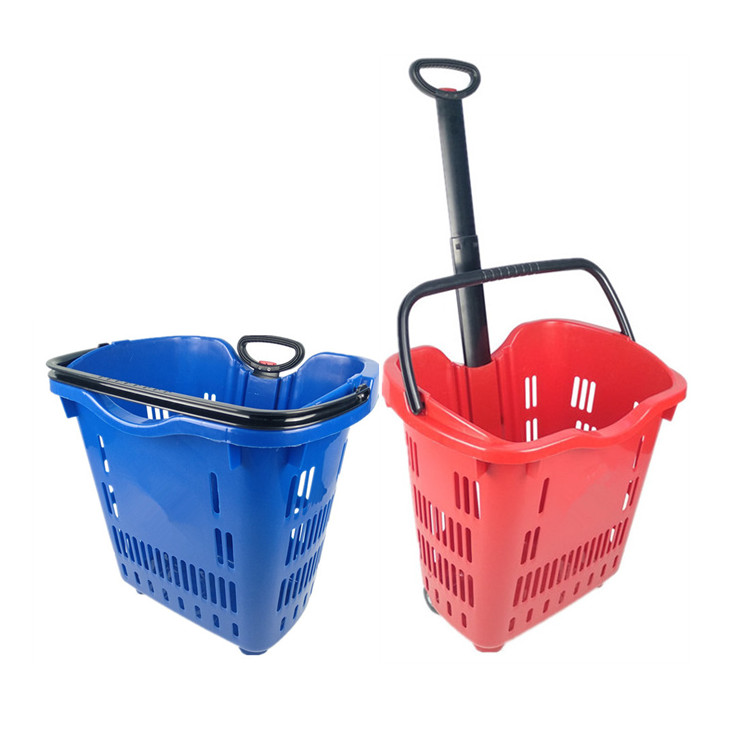
Adětský nákupní vozík představuje strategickou investici pro obchodní prostředí, která usilují o posílení zákaznické loajality a vytváření nezapomenutelných nákupních zážitků. Ačkoli mnoho maloobchodníků tento jednoduchý nástroj opomíjí, dětský nákupní vozík nabízí významné výhody, jež sahají daleko za pouhou zábavu. Tím, že malým dětem umožní vlastní nákupní vozík pro pohyb po obchodě, maloobchodníci podporují emocionální vazby, které se promítají do opakovaných návštěv a vyšších rodinných výdajů. Dětský nákupní vozík přeměňuje běžné nákupní výlety na zábavné aktivity, na něž se děti těší, a tím zvyšuje pravděpodobnost, že rodiče se do daného obchodního zařízení vrátí. Tento přístup řeší základní maloobchodní výzvu: jak udržet děti během nákupních návštěv angažované a spokojené a zároveň posílit emocionální vazbu celé rodiny k obchodu.
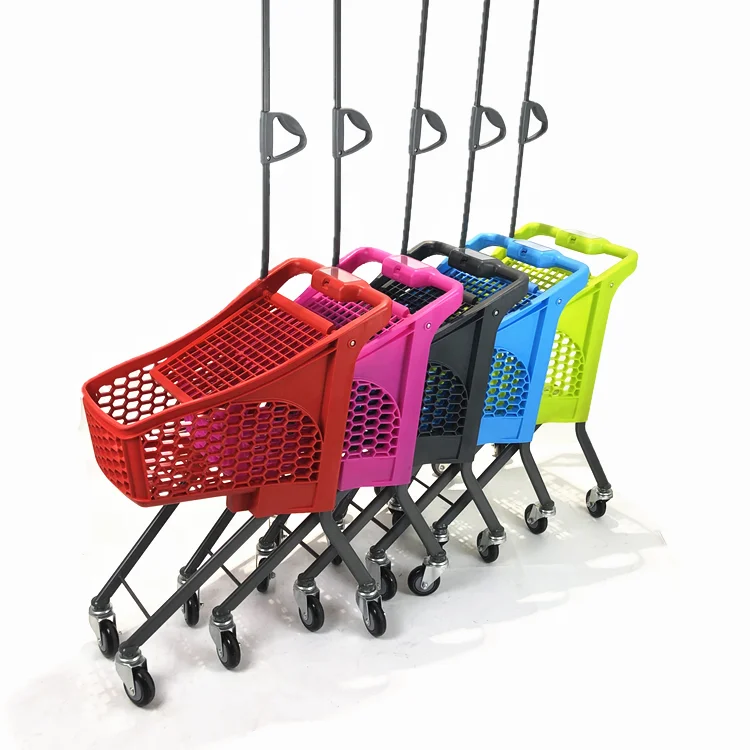
Psychologický dopad dětského nákupního vozíku sahá do oblasti behaviorální ekonomiky a psychologie zákazníků. Když si děti během nákupního procesu vytvářejí pocit vlastnictví a samostatnosti, vyvíjejí k obchodní značce pozitivní asociace. Dětský nákupní vozík umožňuje malým zákazníkům aktivně se zapojit do nákupního procesu místo toho, aby seděly pasivně v tradičním vozíku nebo je rodiče nesly. Tato aktivní účast vytváří trvalé vzpomínky a posiluje emocionální vazbu dítěte ke konkrétnímu obchodu, čímž ovlivňuje loajalitu celé rodiny k dané značce. Abychom pochopili, jak dětský nákupní vozík funguje jako nástroj budování loajality, je třeba zkoumat jak okamžitý nákupní zážitek, tak dlouhodobé vztahové dynamiky, které tento vozík mezi rodinami a obchodními zařízeními vytváří.
Jak dítě Nákupní košík Posiluje emocionální vazbu
Vytváření pamětních nákupních zážitků
Dětský nákupní vozík proměňuje běžné nakupování v dobrodružství, na které se děti těší s nadšením. Když děti používají dětský nákupní vozík vhodně přizpůsobený jejich výšce a síle, zažívají skutečnou nezávislost a schopnost jednat samostatně. Tento pocit posílení vytváří pozitivní emocionální stopy, které přímo spojují dítě s obchodní značkou. Rodiče si všimnou nadšení a spokojenosti svých dětí, což se pozitivně odrazí na celkovém obchodním prostředí. Dětský nákupní vozík se tak stává více než praktickým nástrojem – stává se součástí identity obchodu v paměti dítěte. Opakované pozitivní zážitky s dětským nákupním vozíkem postupně budují emocionální kapitál, který ovlivňuje nákupní preference a volbu obchodních destinací celé rodiny.
Vytváření dlouhodobé loajality rodin
Děti, které pravidelně používají dětský nákupní vozík v konkrétním obchodním zařízení, vyvíjejí značkovou loajalitu, která trvá až do dospělosti. Dětský nákupní vozík vytváří body interakce, které přesahují rámec čistě transakčního nakupování. Když rodiče vidí, že jejich děti si nakupování s dětským nákupním vozíkem skutečně užívají, vnímají daného prodejce jako dětem přátelský a zaměřený na rodiny. Toto vnímání ovlivňuje frekvenci opakovaných návštěv i průměrnou hodnotu nákupu. Rodiny, které mají s dětským nákupním vozíkem pozitivní asociace, jsou výrazně pravděpodobnější, že dané obchodní zařízení zvolí před konkurencí, i když by ceny nebo sortiment jinde mohly být srovnatelné. Dětský nákupní vozík efektivně rozšiřuje atraktivitu prodejce nejen pro dospělé zákazníky, ale i pro vlivnou skupinu: děti, které ovlivňují nákupní chování celé rodiny.
Provozní výhody zavedení programu dětských nákupních vozíků
Snížení překážek v nákupní cestě
Mnoho nákupních výletů narazí na potíže, když se děti během delšího pobytu v obchodě nudí, unaví nebo frustrovají. Dětský nákupní vozík tento problém řeší tím, že udržuje dětskou pozornost po celou dobu nákupního zážitku. Když mají děti vlastní dětský nákupní vozík, který mohou tlačit a řídit, rodiče mohou nakupovat efektivněji, aniž by museli řešit chování dětí nebo jejich trvalé žádosti o pomoc. Dětský nákupní vozík snižuje kognitivní zátěž rodičů, což jim umožňuje soustředit se na své nákupní potřeby, zatímco jejich děti zůstávají zaměstnané a spokojené. Tento hladší nákupní zážitek podporuje častější návštěvy rodin a prodloužení jejich pobytu v obchodě, což přímo ovlivňuje maloobchodní tržby. Navíc dětský nákupní vozík snižuje potenciální bezpečnostní rizika spojená s nekontrolovaným běháním dětí nebo jejich zásahy do výkladních ploch a zboží.
Odlišení vašeho maloobchodního prostředí
Na konkurenčních trzích maloobchodu dětský nákupní vozík slouží jako jednoduchý, avšak účinný prostředek diferenciace, který vašemu obchodu zajistí výhodu nad konkurencí. Ne všichni maloobchodníci nabízejí dětské nákupní vozíky a ti, kteří je nabízejí, se prezentují jako podniky citlivé na potřeby dětí a přátelské vůči rodinám. Tato diferenciace získává zvláštní váhu na trzích, kde se maloobchodní prodejny soutěží spíše na základě zkušeností než pouze ceny. Přítomnost dětského nákupního vozíku rodičům signalizuje, že maloobchodník zohlednil potřeby jejich rodiny během nákupního procesu. Toto zohlednění posiluje vnímání značky maloobchodníka a tvoří pozitivní ústní propagaci. Rodiny často doporučují prodejny, které vyvinuly nad rámec běžného úsilí zvláštní péči o děti, a dětský nákupní vozík představuje právě takovou uvážlivou pohodlnost, která vyvolává autentická doporučení a sdílení v sociálních sítích.
Měření dopadu na zákaznickou loajalitu a návratnosti investic
Sledování změn chování a nákupních vzorů
Prodejci mohou změřit dopad programu dětských nákupních vozíků analýzou změn v četnosti návštěv zákazníků a průměrné výše transakcí u rodin s malými dětmi. Před i po zavedení iniciativy dětských nákupních vozíků by prodejci měli sledovat metriky, jako jsou míry opakovaných návštěv, velikost nákupního košíku a skóre spokojenosti zákazníků specificky u rodin. Úspěch programu dětských nákupních vozíků se projeví zvýšením doby pobytu a vyššími konverzními sazbami mezi touto demografickou skupinou. Navíc by prodejci měli sledovat zpětnou vazbu zákazníků a zmínky na sociálních médiích související s prožitkem používání dětských nákupních vozíků. Tyto kvalitativní poznatky často odhalují emocionální rezonanci a efekty loajality, které samotné kvantitativní metriky nemusí zachytit. Mnoho prodejců uvádí, že po zavedení dětských nákupních vozíků se četnost návštěv rodin s malými dětmi zvýší o 20 až 40 procent, což přímo koreluje se zvýšenými ročními výdaji.
Optimalizace investiční strategie pro nákup dětského kočárku
Počáteční investice do programu dětských nákupních vozíků je skromná ve srovnání s jinými zlepšeními v obchodním prostředí, což činí návratnost investice velmi přitažlivou pro většinu maloobchodníků. Analýza nákladů a přínosů výrazně podporuje zavedení tohoto programu, zejména s ohledem na dlouhodobé efekty na loajalitu zákazníků a zvýšené výdaje rodin. Maloobchodníci by měli strategicky umístit více dětských nákupních vozíků v blízkosti vchodů do obchodu, kde je rodiny přirozeně vnímají. Umístění dětského nákupního vozíku na místa s vysokou viditelností zajišťuje maximální využití a posiluje zprávu, že váš obchod cení zapojení dětí. Údržba a čistota každého dětského nákupního vozíku jsou rozhodující, protože dobře udržovaný vozík pozitivně odráží celkové standardy obchodu. Pravidelní prohlídky, opravy a dezinfekce inventarizace dětských nákupních vozíků zajistí, že zůstanou funkční a atraktivní pro rodiny. Relativně nízké náklady na údržbu flotily dětských nákupních vozíků ve srovnání s výhodami pro loajalitu činí tento přístup vynikající dlouhodobou investiční strategií pro maloobchod.
Často kladené otázky
Které věkové kategorie nejvíce profitují z nákupního košíku pro děti?
Nákupní košík pro děti je nejúčinnější u dětí ve věku tří až osmi let, kdy mají dostatečnou koordinaci k tlačení košíku, ale stále usilují o napodobování dospělých chování. Tento věkový rozsah představuje ideální bod, kdy jsou děti starší než je nutné k bezpečnému ovládání nákupního košíku pro děti, ale zároveň ještě dost mladé na to, aby považovaly tento zážitek za nový a vzrušující. I starší děti i mladší batolata však mohou mít prospěch z přítomnosti nákupního košíku pro děti v prodejně. Nákupní košík pro děti slouží jako symbol toho, že vaše obchodní provozovna vítá rodiny s dětmi různého věku a přizpůsobuje se jejich potřebám. Prodejci často zjišťují, že nabídka několika velikostí košíků nebo nastavitelných verzí nákupních košíků pro děti umožňuje zapojit širší věkovou skupinu.
Jak nákupní košík pro děti zvyšuje spokojenost rodičů během nákupních výletů?
Rodiče zažívají měřitelné snížení stresu, když jejich děti používají dětský nákupní vozík, protože vozík děti bezpečně zabaví a zapojí. Místo toho, aby neustále řešily požadavky na pozornost, pomoc nebo nákupy, se rodiče mohou soustředit na své nákupní cíle. Dětský nákupní vozík odstraňuje běžné potíže při nákupu, jako je dotýkání se zboží, nekontrolované běhání dopředu nebo nuda a následné požadavky dítěte. Rodiče ocení prodejce, kteří poskytují dětský nákupní vozík, protože to ukazuje, že rozumí potřebám jejich rodiny. Tato péče vytváří příznivou atmosféru a posiluje emocionální vazbu rodiče na značku prodejce. Navíc mnoho rodičů považuje dětský nákupní vozík za praktický nástroj pro výuku dětí nákupu, rozpočtování a zodpovědného chování ve skladu, čímž zvyšuje vnímanou hodnotu prodejce.
Jaké výzvy by měli prodejci předvídat při zavádění programu dětských nákupních vozíků?
Hlavní výzvou programu dětských nákupních vozíků je udržení zásob a zajištění, aby zůstaly vozíky čisté, funkční a vizuálně atraktivní. Pravidelná údržba a dezinfekce každého dětského nákupního vozíku jsou nezbytné z důvodů zdraví a bezpečnosti. Obchodníci musí také řídit umísťování a sběr dětských nákupních vozíků, aby se zabránilo přeplnění nebo překážkám v průchozích cestách. Někteří obchodníci tento problém řeší vyhrazením specifických stání, kde si zákazníci mohou dětské nákupní vozíky snadno vyzvednout i vrátit. Školení zaměstnanců v oblasti hygieny a funkčnosti dětských nákupních vozíků zajišťuje trvale pozitivní zákaznický zážitek. Přesto jsou provozní výzvy spojené s řízením programu dětských nákupních vozíků minimální ve srovnání s výhodami loajality a zlepšením spokojenosti zákazníků, kterých většina obchodníků dosahuje.