
 EN
EN
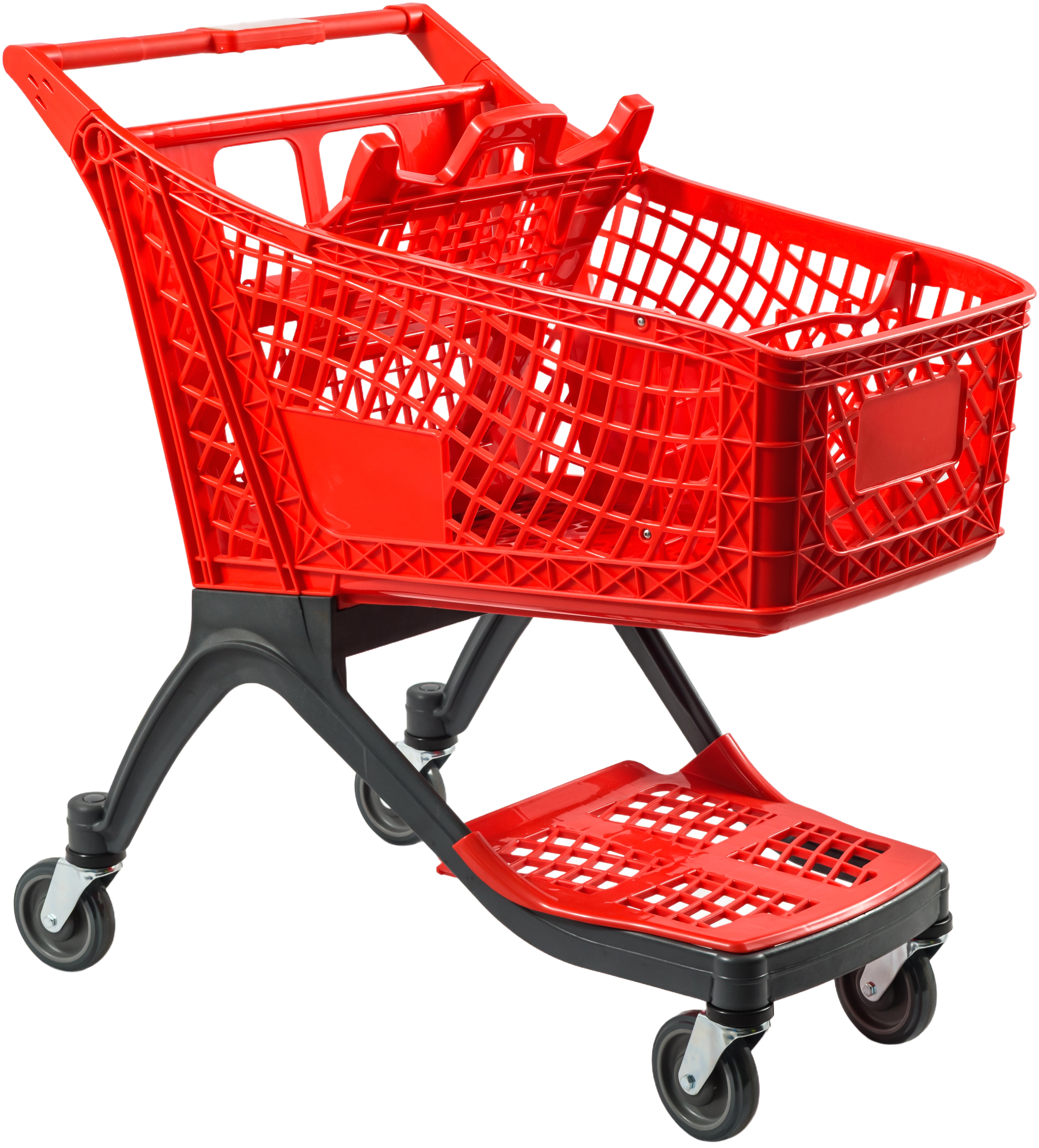
खुदरा विक्रेता और वितरण नेटवर्क बढ़ती तरह से विशिष्ट समाधानों की माँग कर रहे हैं, जो उनकी अद्वितीय संचालन आवश्यकताओं और ब्रांड पहचान के अनुरूप हों। एक पहियों वाला शॉपिंग बास्कट इन विविध आवश्यकताओं को पूरा करने के लिए एक लचीला मंच प्रस्तुत करती है, जिसमें रणनीतिक ओईएम अनुकूलन का उपयोग किया जाता है। यह समझना आवश्यक है कि यह उपकरण किन तरीकों से विशिष्ट व्यापार उद्देश्यों, विनियामक मानकों और ग्राहक प्राथमिकताओं के समर्थन के लिए अनुकूलित किया जा सकता है, जो दीर्घकालिक खुदरा बुनियादी ढाँचे के निवेश का मूल्यांकन करने वाले खरीद पेशेवरों के लिए आवश्यक है।
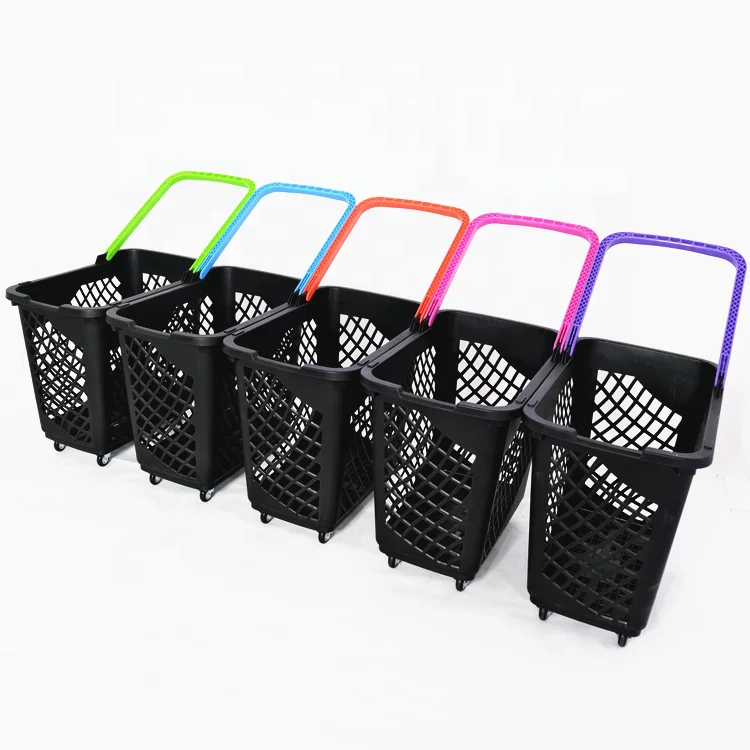
एक पहियों वाली शॉपिंग बास्केट का ओईएम अनुकूलन पहियों वाला शॉपिंग बास्कट यह खुदरा विक्रेताओं को मानकीकृत उत्पादन दक्षता और व्यक्तिगत ऑपरेशनल आवश्यकताओं के बीच के अंतर को पाटने में सक्षम बनाता है। दुकान की रचना, ग्राहक जनसांख्यिकी या तार्किक कार्यप्रवाह के साथ पूरी तरह से संरेखित न होने वाले तैयार-के-उपयोग के समाधानों को स्वीकार करने के बजाय, संगठन निर्माताओं के साथ मिलकर ऐसी टोकरियाँ विकसित कर सकते हैं जो उनकी मौजूदा प्रणालियों में आसानी से एकीकृत हो जाएँ। यह अनुकूलन क्षमता एक मूलभूत खुदरा उपकरण को एक रणनीतिक संपत्ति में बदल देती है जो ग्राहक अनुभव को बढ़ाती है, ऑपरेशनल दक्षता में सुधार करती है और प्रतिस्पर्धी बाज़ारों में ब्रांड की स्थिति को मज़बूत करती है।
डिज़ाइन की लचीलापन और कार्यात्मक अनुकूलन
आयाम और क्षमता विनिर्देश
एक पहियों वाली शॉपिंग बास्केट का ओईएम अनुकूलन पहियों वाला शॉपिंग बास्कट सटीक आयामों और क्षमता संशोधनों के साथ शुरू होता है, जो विशिष्ट खुदरा वातावरण के अनुकूलित होते हैं। संकुचित शहरी स्थानों से लेकर विस्तृत भंडार-शैली की सुविधाओं तक, विभिन्न दुकान प्रारूपों के लिए उनकी विशिष्ट स्थानिक सीमाओं और ग्राहक व्यवहार पैटर्न के अनुकूल टोकरियाँ आवश्यक होती हैं। खुदरा व्यापारी उत्पाद संग्रह, गलियारों की चौड़ाई और चेकआउट काउंटर के आयामों के अनुकूल टोकरी की ऊँचाई, चौड़ाई और गहराई को निर्दिष्ट कर सकते हैं। औसत लेन-देन मात्रा और ग्राहक प्राथमिकताओं के अनुरूप ४० से ८० लीटर तक क्षमता संशोधनों को डिज़ाइन किया जा सकता है। पहियों का आकार, सामग्री की रचना और स्टीयरिंग तंत्र भी चमकदार कंक्रीट से लेकर बनावटदार टाइल सतहों तक विभिन्न फर्श प्रकारों पर गति को अनुकूलित करने के लिए अनुकूलित किए जा सकते हैं।
सामग्री का चयन और टिकाऊपन इंजीनियरिंग
एक टोकरी की संरचनात्मक दृढ़ता और दीर्घायु पहियों वाला शॉपिंग बास्कट सीधे स्वामित्व की कुल लागत और ग्राहक संतुष्टि के मापदंडों को प्रभावित करता है। ओईएम अनुकूलन रिटेलर्स को उनके संचालन वातावरण के अनुकूल सामग्री के ग्रेड, प्रबलन पैटर्न और सुरक्षात्मक कोटिंग्स के विनिर्देशन की अनुमति देता है। उच्च-यातायात डिस्काउंट रिटेलर्स प्रभाव-प्रतिरोधी प्लास्टिक सूत्रों और प्रबलित हैंडल निर्माण पर प्राथमिकता दे सकते हैं, जबकि प्रीमियम विशेषता वाली दुकानें दृश्य सुधार और शारीरिक रूप से आरामदायक हैंडल डिज़ाइन पर ज़ोर दे सकती हैं। ब्रांड पहचान पहलों, मौसमी अभियानों या विभागीय संगठन प्रणालियों का समर्थन करने के लिए रंग विकल्पों को मानक इन्वेंट्री से परे विस्तारित किया जा सकता है। जब खुदरा संदर्भ इन विशेषताओं की मांग करते हैं, तो यूवी प्रतिरोधकता, एंटी-स्टैटिक गुण और खाद्य-सुरक्षित प्रमाणन बास्केट विनिर्देशों में अभियांत्रिकी द्वारा शामिल किए जा सकते हैं।
संचालन एकीकरण और तार्किक संगतता
नेस्टिंग और भंडारण अनुकूलन
ए पहियों वाला शॉपिंग बास्कट विशिष्ट लॉजिस्टिक्स आवश्यकताओं के लिए अनुकूलित करने से गोदाम की दक्षता और फर्श के स्थान के उपयोग में काफी सुधार होता है। ओईएम निर्माता स्टोरेज और परिवहन के दौरान ऊर्ध्वाधर स्टैकिंग क्षमता को अधिकतम करने के लिए नेस्टिंग प्रोफाइल को इंजीनियर कर सकते हैं, जिससे बास्केट इन्वेंट्री के लिए आवश्यक घन माप (क्यूबिक फुटेज) कम हो जाता है। कस्टम हैंडल डिज़ाइन, पहियों की व्यवस्था और बॉडी प्रोफाइल को नेस्टिंग अनुपात को कुशल बनाने के साथ-साथ संरचनात्मक दृढ़ता बनाए रखने के लिए अनुकूलित किया जा सकता है। यह अनुकूलन विशेष रूप से उन खुदरा व्यापारियों के लिए मूल्यवान हो जाता है जो कई स्थानों पर कार्य करते हैं और वितरण केंद्रों के माध्यम से बास्केट इन्वेंट्री को एकीकृत करते हैं। अनुकूलित डिज़ाइन मौजूदा सामग्री हैंडलिंग उपकरणों के साथ एकीकरण को भी सुविधाजनक बनाते हैं, जिससे बास्केट स्वचालित वॉशडाउन प्रणालियों, स्टोरेज कैरोसल्स और सॉर्टिंग सुविधाओं के माध्यम से चिकनी तरह से गुज़र सकते हैं, बिना किसी अतिरिक्त बुनियादी ढांचा निवेश के।
चेकआउट और पॉइंट-ऑफ-सेल एकीकरण
खुदरा चेकआउट संचालन को एक पहियों वाला शॉपिंग बास्कट बिक्री-बिंदु के कार्यप्रवाह और ग्राहक सुविधा सुविधाओं का समर्थन करने के लिए अनुकूलित किया गया। ओईएम अनुकूलन आरएफआईडी टैग माउंटिंग बिंदुओं, बारकोड लेबल फिक्सचर्स या रसीद धारक अटैचमेंट्स के एकीकरण को सक्षम करता है, जो इन्वेंट्री ट्रैकिंग और चेकआउट की गति को सुग्लान करते हैं। हैंडल डिज़ाइन को चेकआउट काउंटरों के बीच टोकरी के त्वरित स्थानांतरण को सुविधाजनक बनाने या खुदरा व्यापारियों द्वारा माल के नुकसान को रोकने के लिए उपयोग किए जाने वाले सुरक्षा उपकरणों को समायोजित करने के लिए संशोधित किया जा सकता है। टोकरी के आधार को विशिष्ट आयामों के साथ इंजीनियर किया जा सकता है ताकि यह चेकआउट कतार प्रणालियों के भीतर पूर्ण रूप से फिट हो जाए या बैगिंग स्टेशन लेआउट के साथ संरेखित हो जाए। ये संचालन संबंधी विवरण, हालांकि छोटे लग सकते हैं, लेकिन जब डिज़ाइन चेकआउट बुनियादी ढांचे के साथ सटीक रूप से संरेखित होती है, तो ये हज़ारों दैनिक लेनदेन में मायने की कुशलता लाभ पैदा करते हैं। पहियों वाला शॉपिंग बास्कट डिज़ाइन चेकआउट बुनियादी ढांचे के साथ सटीक रूप से संरेखित होती है।
अनुपालन, सततता और ब्रांड संरेखण
विनियामक मानक और सुरक्षा प्रमाणन
एक पहियों वाली शॉपिंग बास्केट का ओईएम अनुकूलन पहियों वाला शॉपिंग बास्कट को भौगोलिक बाज़ार और खुदरा क्षेत्र के अनुसार भिन्न होने वाली विनियामक आवश्यकताओं और उद्योग सुरक्षा मानकों को पूरा करना चाहिए। यूरोपीय खुदरा विक्रेताओं को विशिष्ट प्लास्टिक संरचना निर्देशों के अनुपालन की आवश्यकता हो सकती है, जबकि उत्तर अमेरिका के खुदरा विक्रेताओं का ध्यान भार क्षमता और पहियों की टिकाऊपन के लिए एएसटीएम परीक्षण प्रोटोकॉल पर केंद्रित होता है। एक कुशल ओईएम निर्माता इन विनियामक ढांचों को पूरा करने के लिए बास्केट विनिर्देशों को अनुकूलित कर सकता है, बिना खुदरा विक्रेताओं को विभिन्न क्षेत्रों में कई आपूर्तिकर्ताओं से स्रोत प्राप्त करने की आवश्यकता के। सुरक्षा सूचना और उचित उपयोग दिशानिर्देशों को संचारित करने के लिए अनुकूलित लेबलिंग, चेतावनी ग्राफिक्स और निर्देशात्मक चिह्नों को बास्केट डिज़ाइन में एकीकृत किया जा सकता है। खाद्य खुदरा विक्रेताओं को विशेष पहियों वाला शॉपिंग बास्कट डिज़ाइन की आवश्यकता हो सकती है जो स्वच्छता मानकों के अनुपालन में हों और उपयोग चक्रों के बीच त्वरित सैनिटेशन को सुविधाजनक बनाएं।
सतत विकास और चक्रीय अर्थव्यवस्था का एकीकरण
आगे बढ़ते खुदरा विक्रेता बढ़ती मांग कर रहे हैं कि एक पहियों वाला शॉपिंग बास्कट अपनी स्थायित्व प्रतिबद्धताओं और परिपत्र अर्थव्यवस्था की रणनीतियों का समर्थन करें। ओईएम अनुकूलन चक्रीय सामग्री की सामग्री घोषणाओं, वापसी कार्यक्रम पहचानकर्ताओं और अंतिम-जीवन रिफर्बिशमेंट को सुविधाजनक बनाने वाली मॉड्यूलर डिज़ाइन विशेषताओं के एकीकरण को सक्षम करता है। निर्माता मजबूत किए गए घटकों को इंजीनियर कर सकते हैं जो टोकरी के जीवनकाल को बढ़ाते हैं, जिससे प्रतिस्थापन की आवृत्ति और संबंधित सामग्री अपशिष्ट कम हो जाता है। रंग के विकल्पों को आंतरिक टोकरी पुनर्प्राप्ति प्रणालियों के लिए अनुकूलित किया जा सकता है, जिससे क्षतिग्रस्त टोकरियों को पहचानना और उन्हें निपटान धाराओं के बजाय मरम्मत सुविधाओं की ओर भेजना आसान हो जाता है। पहियों वाला शॉपिंग बास्कट हल्के भार वाली सामग्री की दक्षता के लिए अनुकूलित किया जा सकता है, जिससे परिवहन का कार्बन पदचिह्न और शिपिंग लागत कम हो जाती है, जबकि संरचनात्मक प्रदर्शन की आवश्यकताएँ बनी रहती हैं।
अक्सर पूछे जाने वाले प्रश्न
पहियों वाली खरीदारी की टोकरी के लिए विशिष्ट ओईएम अनुकूलन विकल्प क्या हैं?
ओईएम अनुकूलन एक पहियों वाला शॉपिंग बास्कट इसमें आकार संबंधी समायोजन, सामग्री विनिर्देश, रंग विकल्प, हैंडल डिज़ाइन के प्रकार, पहियों की सामग्री और आकार में परिवर्तन, नेस्टिंग प्रोफ़ाइल का अनुकूलन, और बिक्री-बिंदु प्रणालियों के साथ एकीकरण सुविधाएँ शामिल हैं। खुदरा विक्रेता इसके अतिरिक्त मज़बूती बढ़ाने के पैटर्न, यूवी प्रतिरोध के गुण, ब्रांडिंग तत्व, आरएफआईडी एकीकरण बिंदुओं, और अपने संचालन संदर्भ तथा भौगोलिक बाज़ारों के अनुरूप नियामक प्रमाणन आवश्यकताओं को भी निर्दिष्ट कर सकते हैं।
पहियों वाली खरीदारी की टोकरी को अनुकूलित करने से कुल संचालन लागत कम कैसे होती है?
ए पहियों वाला शॉपिंग बास्कट विशिष्ट खुदरा संचालन के अनुकूलित करने से इंजीनियर द्वारा निर्मित स्थायित्व के कारण टूटने और प्रतिस्थापन की आवृत्ति कम हो जाती है। अनुकूलित संगठन (नेस्टिंग) से गोदाम के स्थान का उपयोग और परिवहन की दक्षता में सुधार होता है, जबकि चेकआउट लेआउट के अनुसार आकारित आयाम लेन-देन की गति को तेज़ करते हैं। बढ़ी हुई मानव-केंद्रित डिज़ाइन से ग्राहकों के चोट के दावों और संबंधित दायित्व लागत में कमी आ सकती है। जब टोकरी का डिज़ाइन मौजूदा उपकरणों और कार्यप्रवाहों के साथ संरेखित होता है, तो खुदरा व्यापारी महंगे बुनियादी ढांचे के संशोधन और कर्मचारियों के पुनः प्रशिक्षण की आवश्यकता से बच सकते हैं।
क्या पहियों वाली खरीदारी की टोकरी को कई खुदरा स्थानों पर त्वरित विस्तार के लिए समर्थित किया जा सकता है?
हाँ, ओईएम अनुकूलन एक पहियों वाला शॉपिंग बास्कट विशेष रूप से यह प्रारंभिक विनिर्देशों के अनुसार मानकीकृत डिज़ाइन के साथ कई स्थानों पर स्केलेबल तैनाती को सक्षम करता है। एक बार जब अनुकूलित आयामों, सामग्रियों और विशेषताओं के लिए उत्पादन उपकरण स्थापित कर लिए जाते हैं, तो स्थिर गुणवत्ता के साथ अतिरिक्त इकाइयों का उत्पादन कुशल और लागत-प्रभावी हो जाता है। यह मानकीकरण दृष्टिकोण असंगत उपकरणों से उत्पन्न संचालन संबंधी भ्रम को समाप्त करता है, स्थानों के बीच कर्मचारियों के प्रशिक्षण को सरल बनाता है और ग्राहक अनुभव को एकरूप बनाए रखता है। खुदरा विक्रेता यह विश्वास के साथ इन्वेंट्री का विस्तार कर सकते हैं कि प्रत्येक बास्केट अनुकूलित प्रदर्शन विनिर्देशों को पूरा करता है।