
 EN
EN
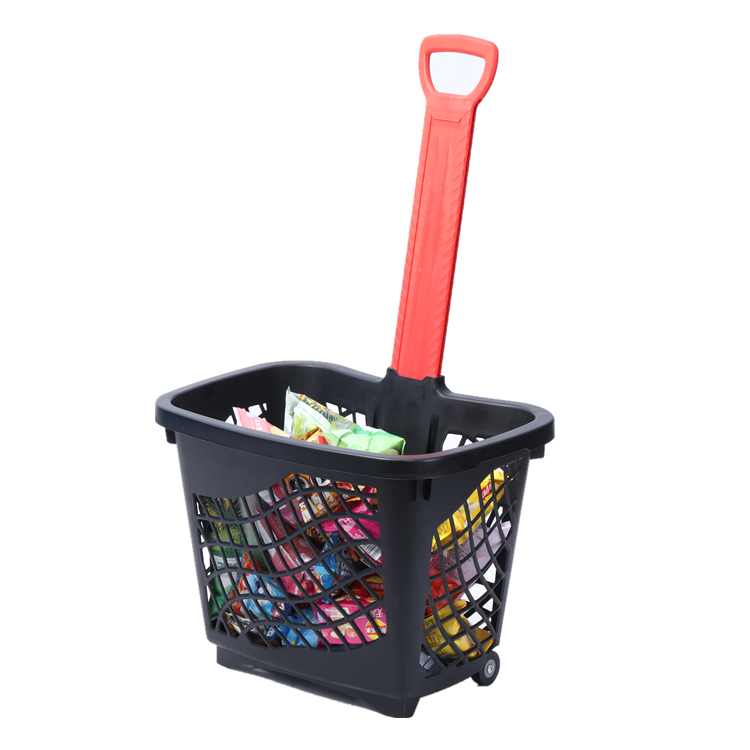
A szupermarketláncok gyakran értékelik az új termékek bevezetését, hogy javítsák az ügyfélélményt és növeljék a kapcsolatot minden életkorú vásárlóval. Egy gyermek bevásárlókocsi stratégiai beszerzési szempontként jelent meg számos kiskereskedelmi működtető számára, akik fiatalabb ügyfelek általi boltlátogatások növelését célozzák. Annak megítélése, hogy egy gyermek bevásárlókocsi megfelel-e szupermarketláncod konkrét működési igényeinek, ügyféldemográfiájának és pénzügyi célkitűzéseinek, több tényező gondos elemzését igényli. Ez az útmutató a gyermek bevásárlókocsi megoldások gyakorlati alkalmasságát vizsgálja nagy méretű szupermarketlánc-beszerzési projektekhez, valós világbeli előnyöket, bevezetési kihívásokat és döntési kritériumokat elemezve, amelyek felelős vásárlási döntések meghozatalát segítik.

Agyermek bevásárlókocsi szegmens jelentősen bővült, mivel a kiskereskedők felismerték a családok számára is befogadó bevásárlási környezetek létrehozásának értékét. Amikor értékeljük, hogy egy gyermek bevásárlókocsi program megfelel a beszerzési stratégiájának, a szupermarketláncoknak egyensúlyt kell teremteniük az ügyfél-elégedettség előnyei és az üzemeltetési költségek, a tárolási igények, a karbantartási felelősségek, valamint a biztonsági előírások betartására vonatkozó kötelezettségek között. Ez a cikk bizonyítékokon alapuló betekintést nyújt, hogy segítsen a beszerzési döntés meghozatalában, és támogassa szervezetét abban, hogy eldöntse: vajon egy gyermek bevásárlókocsi berendezés befektetése mérhető hozamot eredményez a szupermarketlánc kiskereskedelmi működésében.
A piaci illeszkedés és az ügyfél-demográfia megértése
Annak azonosítása, hogy szupermarketláncának van-e előnye gyermekbarát Vásárlókosár MEGOLDÁSOK
Megoldások iránti keresletben, amelyek családcentrikus környezetben működnek, általában magasabb, mint azoké, amelyek városi üzleti negyedekben vagy időskorúakra fókuszáló közösségekben találhatók. A beszerzési költségvetésbe való beruházás előtt gyermek bevásárlókocsi megoldások beszerzésére gyermek bevásárlókocsi készletet, elemezze üzletei forgalmi mintáit, ügyfelei életkor-eloszlását és az átlagos vásárlókosár összetételét. Azok a láncüzletek, amelyek városi elővárosi piacokon, családi kiskereskedelmi negyedekben vagy fiatal családokat tömörítő régiókban működnek, erősebb teljesítményt mutatnak a gyermek bevásárlókocsi programokból. Beszerzési csapatának demográfiai elemzést kell végeznie minden egyes üzlet helyszínéről annak meghatározására, hogy melyik üzlet hozna létre elegendő használati arányt egy gyermek bevásárlókocsi beruházásából.
Nagy léptékű gyermekkocsis bevásárlókocsi-telepítés működési szempontjai
Telepítés gyermek bevásárlókocsi flották bevezetése egy szupermarketláncban specifikus működési követelményeket támaszt, amelyek lényegesen eltérnek a szokásos bevásárlókocsik kezelésétől. Mindegyik gyermek bevásárlókocsi az egység külön parkolóhelyet, rendszeres takarítási ciklusokat, időszakos biztonsági ellenőrzéseket és karbantartási protokollokat igényel, amelyeket a nagyobb kosarak esetleg nem igényelnek. A szupermarketláncok beszerzési döntései figyelembe kell vegyék a tárolókapacitást, az alkalmazottak képzésének idejét, a takarítószerek költségét és a javítóalkatrészek készletét a teljes tulajdonosi költség kiszámításakor a gyermek bevásárlókocsi programokhoz. A sikeres szupermarketláncok, amelyek bevezették a gyermek bevásárlókocsi megoldásokat, általában a teljes kosárflotta helyének kb. tizenöt–húsz százalékát szentelik külön gyermek bevásárlókocsi tárolózónáknak, amelyeket a vásárlók könnyű hozzáférésének biztosítása érdekében a boltbejáratok közelében helyeznek el.
Pénzügyi és biztonsági megfelelőségi értékelés
Gyermekkosaras programok tőkeberuházásának és megtérülési rátájának értékelése
Szupermarketláncok beszerzési döntései a gyermek bevásárlókocsi beruházásokkal kapcsolatban részletes pénzügyi modellezést igényelnek, amely túlmutat az egyszerű egységárakon. Egyedi gyermek bevásárlókocsi az egységár általában nyolcvan és százötven dollár között mozog, de a teljes programköltségbe beletartozik a szállítási logisztika, az összeszerelési munkaerő, a kezdeti tájékoztató anyagok és a dolgozók képzésének költségei. Állítsa fel az alapvető ügyfélbefolyásolási mutatókat a program telepítése előtt gyermek bevásárlókocsi flották, majd mérje fel a későbbi változásokat az üzletbe történő látogatások gyakoriságában, az átlagos tranzakciós értékben és az ifjú gyermekekkel rendelkező családok ügyfélmegőrzési arányában. A sikeresen megvalósított programokról jelentést tevő láncok általában öt–tizenkét százalékos növekedést dokumentálnak az üzletbe történő látogatásokban a családok körében a program indítását követő tizenkét hónapon belül, ami megerősíti a pozitív megtérülési ráta indoklását a szupermarketláncok beszerzési jóváhagyásához. gyermek bevásárlókocsi megvalósításról jelentést tevő láncok általában öt–tizenkét százalékos növekedést dokumentálnak az üzletbe történő látogatásokban a családok körében a program indítását követő tizenkét hónapon belül, ami megerősíti a pozitív megtérülési ráta indoklását a szupermarketláncok beszerzési jóváhagyásához.
Biztonsági szabványok és felelősségkezelés a gyermekkocsik beszerzésénél
Szupermarketláncok beszerzésekor gyermek bevásárlókocsi a készletet ellenőrizni kell a vonatkozó biztonsági szabványoknak való megfelelés tekintetében, ideértve az ASTM F388 irányelveket a bevásárlókocsik tervezésére és teljesítmény-specifikációira vonatkozóan. Minden gyermek bevásárlókocsi az egységnek súrtartalom-mutatókat, megbízhatóságra tesztelt fékrendszereket, kerékstabilitási mechanizmusokat és lekerekített éleket kell tartalmaznia, amelyek kiküszöbölik a kisgyermekek számára sérülésveszélyt jelentő éles csipés pontokat. A beszerzési specifikációkhoz gyermek bevásárlókocsi megoldások esetében kötelező, hogy a gyártók részletes felelősségi dokumentációt, garanciavállalást és balesetjelentési rendszert biztosítsanak, így lehetővé téve a szupermarketláncok számára a biztosítási előírások betartását és a jogi védelem fenntartását. A beszerzési csapatnak kötelezővé kell tennie, hogy minden gyermek bevásárlókocsi szállító részletes biztonsági tanúsítvány-dokumentációt nyújtson be, és hozzájáruljon a cseréhez vagy visszahíváshoz, amennyiben hiányosságok merülnek fel a program működési ideje alatt.
Megvalósítási stratégia és személyzeti felkészültség
A telepítés fázisai és üzletszintű bevezetés a gyermekvásárlókocsik programjaihoz
Sikeres szupermarketlánc-beszerzési stratégiák a gyermek bevásárlókocsi megoldások esetében általában fokozatos bevezetési módszert alkalmaznak, nem pedig egyidejű üzembe helyezést az összes helyszínen. Kezdje azzal, gyermek bevásárlókocsi pilótprogramok három–öt nagy forgalmú, családokra fókuszáló üzletben, a használati arányok, karbantartási igények, vásárlói visszajelzések és a személyzeti munkaterhelés hatásainak adatainak gyűjtése. A pilótprogram eredményeit legalább hat hónapon keresztül kell mérni, mielőtt döntést hoznának arról, hogy a teljes hálózatra történő telepítés indokolja-e a bővített beszerzési kötelezettségeket. A fokozatos bevezetési megközelítések lehetővé teszik a szupermarketláncok beszerzési csapatainak, hogy optimalizálják gyermek bevásárlókocsi a készlet szintjeit, finomítsák az üzemeltetési eljárásokat, kezeljék a karbantartási kihívásokat, és felépítsék a belső személyzeti szakértelmet, mielőtt nagyobb méretű telepítési térfogatra lépnének át.
Személyzeti képzés és vásárlói kommunikáció a gyermekvásárlókocsik bevezetéséhez
Szupermarketláncok, amelyek gyermek bevásárlókocsi programokat vezetnek be, komplex alkalmazottképzésbe kell fektetniük, amely lefedi a megfelelő fertőtlenítési protokollokat, biztonsági ellenőrzési eljárásokat, vásárlói szolgáltatási útmutatókat és baleseti reakciós eljárásokat. A személyzet tagjai, akik felelősek a gyermek bevásárlókocsi a flotta-kezelésnek ismernie kell a súlykapacitás korlátozásait, a fékrendszer megfelelő működtetését, a kerekek helyezésére vonatkozó követelményeket, valamint azokat az eljárásokat, amelyek szerint sérült egységeket kell bejelenteni javításra vagy cserére. Az ügyfél felé irányuló kommunikáció a gyermek bevásárlókocsi rendelkezésre állásról, a megfelelő használatról és az életkorhoz igazított használati útmutatókról jelentősen befolyásolja a program sikerességét és az ügyfélegyedelmi eredményeket. A tárolóterületek közelében elhelyezett táblák egyértelműen jelezniük kell a célcsoport életkorát, a kapacitási adatokat, a biztonsági előírásokat és a felelős felnőtt felügyelet szükségességét, hogy az ügyfelek megértsék a program paramétereit és elvárásait. gyermek bevásárlókocsi tárolóterületek közelében elhelyezett táblák egyértelműen jelezniük kell a célcsoport életkorát, a kapacitási adatokat, a biztonsági előírásokat és a felelős felnőtt felügyelet szükségességét, hogy az ügyfelek megértsék a program paramétereit és elvárásait.
Hosszú távú fenntarthatóság és a program fejlődése
Gyermekkosarak flottáinak karbantartási ciklusa és eszközéletciklus-kezelése
A szupermarketlánc beszerzési folyamata megfelelő megelőző karbantartási ütemterveket kell, hogy határozzon meg, hogy biztosítsa gyermek bevásárlókocsi az egységek biztonságosak, működőképesek és esztétikusan elfogadhatók maradnak az üzemelési élettartamuk teljes ideje alatt. A heti ellenőrzési protokollnak ellenőriznie kell a fékrendszer működését, a kerekek egyeztetését, a szerkezeti integritást és az összes aktív gyermek bevásárlókocsi egység tisztasági szabványait. A havi alapos takarítási ciklusok és a negyedéves mechanikai ellenőrzések meghosszabbítják az egyes gyermek bevásárlókocsi egységek üzemelési élettartamát, miközben fenntartják a családos vásárlók számára fontos higiéniai szabványokat. A költségvetési források kiosztása gyermek bevásárlókocsi cserealkatrészekre, szakmai javítási szolgáltatásokra és a végleges egység-kivonásra biztosítja, hogy szupermarketláncod folyamatosan magas színvonalú programminőséget és vásárlói biztonságot nyújtson az egész kezdeményezés élettartama alatt.
Siker mérése és a gyermekkosaras vásárlási stratégia folyamatos finomhangolása
Szupermarketláncok gyermek bevásárlókocsi programjai egyértelmű teljesítménymutatókat állapítanak meg, amelyeket az egész kezdeményezés élettartama alatt folyamatosan nyomon követnek. A gyermek bevásárlókocsi programok kulcsfontosságú teljesítménymutatói közé tartozik a napi használati arány, valamint azoknak a családoknak az átlagos tranzakciós értéke, akik gyermekkosarat használnak gyermek bevásárlókocsi egységek, családos vásárlók elégedettségi pontszámai és karbantartási költségtendenciák, amelyek a flotta állapotát jelzik. Az éves felülvizsgálati folyamatok vizsgálata gyermek bevásárlókocsi a program teljesítményére vonatkozó adatok alapján döntéseket hoznak az állomány bővítéséről, szerződések meghosszabbításáról vagy stratégiai módosításokról, amelyek a vásárlói visszajelzésekre és működési kihívásokra reagálnak. A szupermarketláncok, amelyek hosszú távú gyermek bevásárlókocsi program-sikert ígérnek, rugalmasságot mutatnak az eredeti stratégiák valós világbeli teljesítményadatok és a piaci szegmensekben változó vásárlói elvárások alapján történő alkalmazkodásában.
GYIK
Milyen életkor-tartományok megfelelőek gyermekvásárlókocsik használatára?
A legtöbb gyermek bevásárlókocsi az egységek körülbelül 2–7 éves gyermekek számára alkalmasak, bár az egyes modellek pontos méret- és teherbírási specifikációi eltérhetnek gyermek bevásárlókocsi modelltől. Mindig ellenőrizze a gyártó útmutatásait és súlykorlátjait az Ön konkrét modelljéhez gyermek bevásárlókocsi termékeket, hogy biztosítsák a biztonságos működést a megcélzott életkor- és fizikai fejlődési tartományokon belül. A szupermarketláncok táblái egyértelműen jelezniük kell a megfelelő életkorhatárokat, hogy segítsék az ügyfeleket a családi körülményeikhez illő döntéshozatalban. gyermek bevásárlókocsi a használatról családjuk számára.
Milyen gyakran kell biztonsági ellenőrzésnek alávetni a gyermekkosarakat?
A szakmai biztonsági szabványok heti ellenőrzést javasolnak gyermek bevásárlókocsi az egységek esetében látható sérülések, fékfunkció, kerekek működése és szerkezeti integritás szempontjából, mielőtt az ügyfelek használatba vehetnék őket. Nagy forgalmú szupermarketekben, ahol intenzív gyermek bevásárlókocsi használat tapasztalható, gyakoribb ellenőrzések szükségesek lehetnek, míg kisebb forgalmú üzletekben a ellenőrzési időszakok tíz napra is kiterjeszthetők ugyanolyan biztonsági eredmények mellett. A következetes gyermek bevásárlókocsi ellenőrzési ütemtervek biztosítják, hogy szupermarketláncod felelősségi védelmet élvezzen, miközben megbízható és biztonságos élményt nyújt a családos vásárlóknak.
A gyermekkosarak általában növelik-e a családok üzletbe látogatásának gyakoriságát?
Kutatások azt mutatják, hogy a szupermarketláncok, amelyek sikeresen vezették be ezt a programot, mérhető növekedést jeleztek a vásárlási gyakoriságban és az átlagos tranzakciós értékben a kisgyermekes családok körében, bár a konkrét eredmények helyi demográfiai és versenypiaci feltételektől függően változnak. A kisgyermekes családok gyakran a gyermek bevásárlókocsi elérhetőséget említik befolyásoló tényezőként a boltválasztás során, különösen akkor, ha hasonló bevásárlási lehetőségek állnak rendelkezésre a környező negyedekben. Ezeknek a mutatóknak a nyomon követése a szupermarketláncod hűségprogram-adatrendszerén és tranzakciós rendszerén keresztül megbízható, számszerű bizonyítékot szolgáltat a további gyermek bevásárlókocsi beruházási döntések megtámogatására. gyermek bevásárlókocsi elérhetőség