
 EN
EN
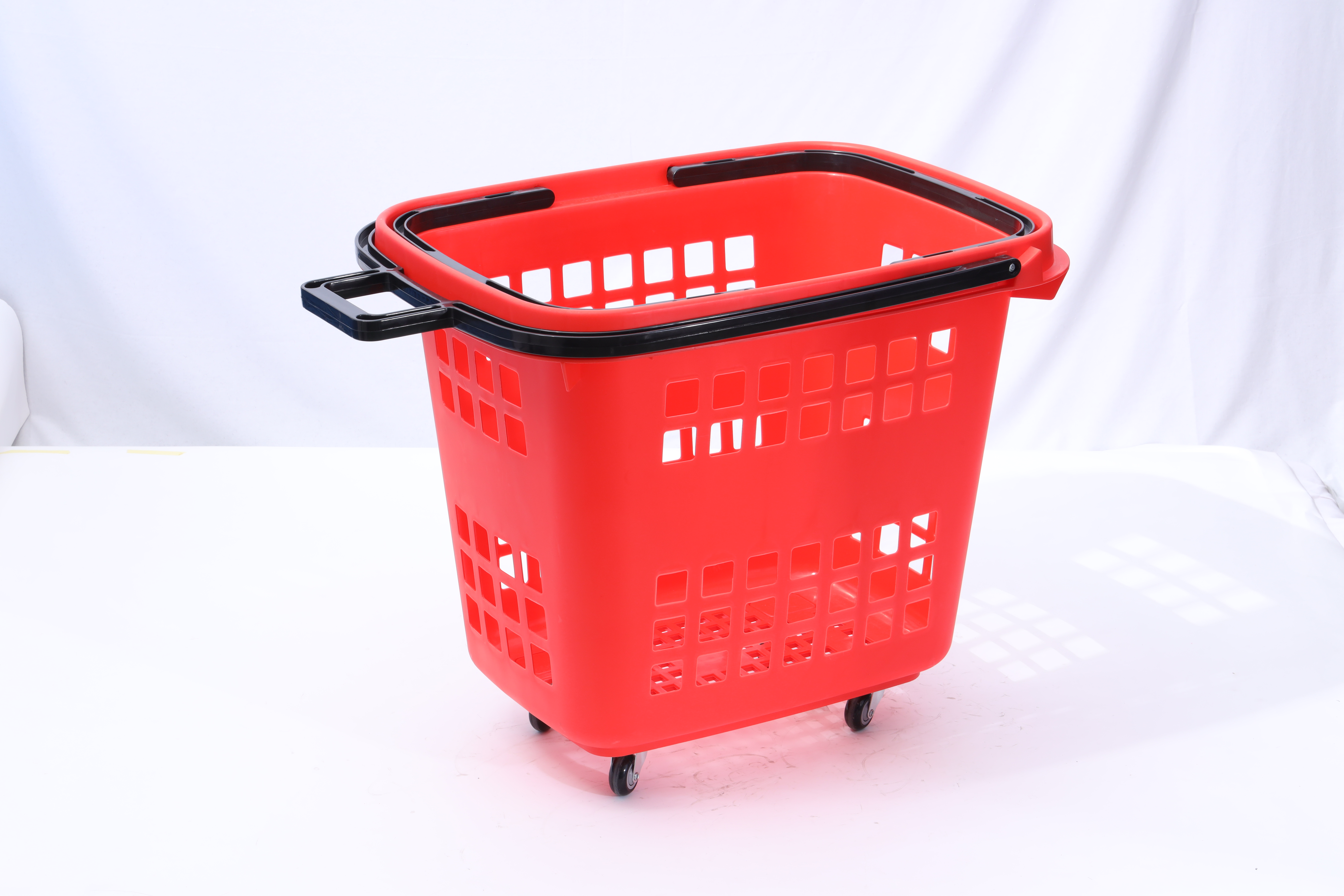
Xe đẩy hàng cho trẻ em biến những trải nghiệm bán lẻ thường ngày thành các cơ hội học tập hấp dẫn, từ đó thúc đẩy tính độc lập và sự phát triển xã hội. Dù được sử dụng tại nhà, trong các cơ sở giáo dục hay môi trường bán lẻ, xe đẩy hàng cho trẻ em đều khuyến khích sự tham gia chủ động trong khi vẫn tuân thủ các tiêu chuẩn an toàn. Việc hiểu rõ cách xe đẩy hàng cho trẻ em đáp ứng cả nhu cầu phát triển lẫn nhu cầu giải trí giúp phụ huynh, nhà giáo dục và nhà bán lẻ đưa ra quyết định sáng suốt khi giới thiệu trẻ nhỏ vào lĩnh vực thương mại và trách nhiệm.
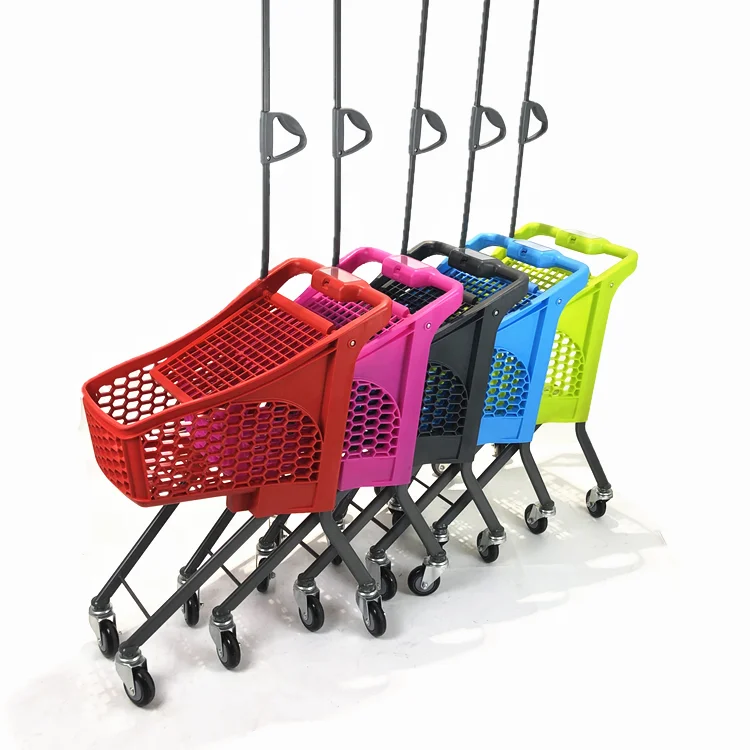
Thiết kế và chức năng của xe đẩy mua sắm dành cho trẻ em ảnh hưởng trực tiếp đến cách trẻ tham gia vào các hoạt động mua sắm. Khi xe đẩy mua sắm dành cho trẻ em có kích thước phù hợp, trọng lượng nhẹ và được trang bị cơ chế điều khiển phù hợp với độ tuổi, nó trở thành một công cụ dễ tiếp cận để học tập tương tác. Bài viết này khám phá nhiều cách khác nhau mà xe đẩy mua sắm dành cho trẻ em hỗ trợ sự tham gia an toàn, phát triển kỹ năng và tương tác có ý nghĩa trong các môi trường mua sắm.
Một chiếc xe đẩy mua sắm dành cho trẻ em Xe đẩy Thúc đẩy sự tương tác an toàn
Thiết kế Ergonomic và Các Tính Năng Truy Cập Dễ Dàng
Xe đẩy mua sắm dành cho trẻ em được thiết kế với kích thước và phân bố trọng lượng phù hợp đặc biệt cho người dùng nhỏ tuổi. Tay cầm được đặt ở độ cao thích hợp, giúp trẻ dễ dàng nắm và điều khiển xe mà không bị căng thẳng hay tư thế bất tiện. Bánh xe được thiết kế để lăn mượt và lái linh hoạt, cho phép ngay cả những trẻ nhỏ nhất di chuyển trong các lối đi và môi trường cửa hàng một cách tự tin. Nền tảng công thái học này đảm bảo rằng xe đẩy mua sắm dành cho trẻ em hỗ trợ khả năng di chuyển độc lập đồng thời giảm thiểu nguy cơ đổ nghiêng, va chạm hoặc tai nạn liên quan đến mệt mỏi.
Các tính năng an toàn được tích hợp vào xe đẩy mua sắm dành cho trẻ em bao gồm các bộ phận cấu trúc được gia cố, thiết kế đế ổn định và các cạnh được bo tròn nhằm giảm thiểu nguy cơ chấn thương. Dung tích giỏ được hiệu chỉnh sao cho xe đẩy mua sắm dành cho trẻ em vẫn dễ điều khiển ngay cả khi được chất hàng ở mức độ vừa phải, từ đó ngăn ngừa tình trạng quá tải có thể dẫn đến mất kiểm soát. Những yếu tố thiết kế này giúp xe đẩy mua sắm dành cho trẻ em hoạt động an toàn trong các môi trường bán lẻ năng động mà không cần sự can thiệp hoặc giám sát liên tục từ người lớn, dù việc theo dõi phù hợp vẫn luôn rất quan trọng.
Khả năng quan sát rõ ràng và nhận thức
Khi xe đẩy mua sắm dành cho trẻ em được chế tạo bằng vật liệu trong suốt hoặc bán trong suốt ở một số phần nhất định, khách hàng khác và nhân viên cửa hàng có thể dễ dàng quan sát trẻ đang điều khiển xe, từ đó giảm nguy cơ va chạm. Xe đẩy mua sắm dành cho trẻ em cũng được trang bị các màu sắc tươi sáng, dễ nhận biết, giúp xe nổi bật trong các lối đi đông đúc. Cách thiết kế này cho phép nhân viên cửa hàng nhanh chóng nhận diện xe đẩy dành cho trẻ em, tạo thêm một lớp an ninh và hỗ trợ trong môi trường mua sắm thương mại.
Học tập tương tác và lợi ích phát triển
Xây dựng nhận thức người tiêu dùng cũng như kỹ năng ra quyết định
Việc vận hành một chiếc xe đẩy mua sắm dành cho trẻ em giúp những người học nhỏ tuổi làm quen với thương mại thực tế theo cách phù hợp với độ tuổi và mang tính thực hành cao. Khi trẻ sử dụng xe đẩy mua sắm dành cho trẻ em để chọn sản phẩm, so sánh các lựa chọn và quản lý giỏ hàng của mình, các em phát triển nền tảng ban đầu về năng lực người tiêu dùng. Một chiếc xe đẩy mua sắm dành cho trẻ em biến các khái niệm trừu tượng như lập ngân sách, lựa chọn sản phẩm và quy trình giao dịch thành những trải nghiệm học tập cụ thể và trực quan. Trẻ được tiếp xúc với giá cả, sự đa dạng của sản phẩm cũng như hậu cần liên quan đến việc mua sắm—mà không bị quá tải bởi độ phức tạp.
Một chiếc xe đẩy mua sắm dành cho trẻ em còn khuyến khích trẻ suy nghĩ phản biện về các lựa chọn của mình. Bằng cách tự tay chọn sản phẩm và đặt chúng vào xe đẩy riêng, người dùng xe đẩy mua sắm dành cho trẻ em hình thành ý thức làm chủ quyết định và học cách nhận diện hệ quả trong một bối cảnh hỗ trợ tích cực. Sự tham gia chủ động này cùng xe đẩy mua sắm dành cho trẻ em giúp trẻ xây dựng lòng tự tin và thúc đẩy tư duy phản tỉnh về nhu cầu so với mong muốn—một kỹ năng thiết yếu trong việc phát triển năng lực tài chính.
Sự phát triển xã hội và cảm xúc thông qua việc tham gia
Khi trẻ em di chuyển trong môi trường bán lẻ cùng với chiếc xe đẩy dành riêng cho trẻ xe đẩy trẻ em , trẻ cảm nhận được sự gắn bó và hòa nhập trong hoạt động mua sắm chung của gia đình hoặc nhóm. Xe đẩy dành riêng cho trẻ nâng trẻ từ vị thế người quan sát thụ động lên thành người tham gia chủ động, từ đó củng cố lòng tự trọng và cảm giác về năng lực của trẻ. Vai trò tham gia này làm giảm cảm giác bị loại ra ngoài và tạo dựng những liên kết tích cực với các hoạt động chung, làm sâu sắc thêm mối quan hệ gia đình và khuyến khích sự tương tác hợp tác.
Sự tự tin đạt được khi trẻ điều khiển độc lập xe đẩy dành riêng cho trẻ không chỉ giới hạn trong môi trường mua sắm. Chiếc xe đẩy trở thành biểu tượng cho tính tự chủ và trách nhiệm ngày càng tăng, đồng thời khẳng định những năng lực đang phát triển của trẻ. Sự củng cố cảm xúc này hỗ trợ toàn diện cho sự phát triển xã hội, khuyến khích trẻ tham gia tích cực hơn vào các không gian cộng đồng cũng như các sinh hoạt thường ngày trong gia đình.
Ứng dụng thực tiễn trong các điểm bán lẻ và môi trường giáo dục
Triển khai trong môi trường bán lẻ thương mại
Các nhà bán lẻ ngày càng nhận ra giá trị của việc cung cấp xe đẩy trẻ em như một phần trong hệ sinh thái dịch vụ của họ. Việc cung cấp xe đẩy trẻ em khuyến khích khách hàng ở lại cửa hàng lâu hơn, nâng cao mức độ hài lòng của các gia đình và khẳng định hình ảnh nhà bán lẻ thân thiện với gia đình. Một chiếc xe đẩy trẻ em trong bối cảnh thương mại thường được thiết kế chắc chắn để chịu được tần suất sử dụng cao, dễ làm sạch nhằm đáp ứng yêu cầu về vệ sinh, đồng thời có thể in logo hoặc thiết kế theo chủ đề phù hợp với bản sắc thương hiệu của cửa hàng. Nhiều nhà bán lẻ đặt xe đẩy trẻ em gần lối vào cửa hàng để đảm bảo sản phẩm luôn dễ nhìn thấy và thuận tiện tiếp cận đối với các gia đình có trẻ nhỏ.
Từ góc độ vận hành, xe đẩy mua sắm dành cho trẻ em đảm nhiệm nhiều chức năng trong bối cảnh bán lẻ. Xe đẩy này chứa được hàng hóa do trẻ em chọn mua cùng với hàng hóa của cả gia đình, giúp gom chung tại quầy thanh toán. Ngoài ra, xe đẩy mua sắm dành cho trẻ em còn làm giảm các vấn đề về hành vi phát sinh do trẻ cảm thấy buồn chán hoặc bồn chồn trong suốt chuyến đi mua sắm, từ đó tạo ra trải nghiệm dễ chịu hơn cho cả trẻ em lẫn người lớn. Các nhà bán lẻ tiên phong xem xe đẩy mua sắm dành cho trẻ em như một khoản đầu tư nhằm xây dựng lòng trung thành của khách hàng và gắn kết tích cực với thương hiệu.
Ứng dụng trong giáo dục và tại gia
Cac co so giao duc su dung xe day tre em trong cac mo hinh thuong mai dua tren lop hoc, giup tre hoc toan thuc te, ky nang ra quyet dinh va nhan thuc ve nguoi tieu dung. Xe day tre em trong cac moi truong giao duc ho tro viec hoc kinh nghiem ve kinh te, lap ngan sach va quan ly tai nguyen. Cac giao vien bao cao rang cac hoat dong su dung xe day tre em tao ra muc do tham gia cao va giup tre ghi nho tot cac ket qua hoc tap, dac biet voi nhung hoc sinh hoc bang hanh dong (kinesthetic learners) – nhung nguoi thu loi tu su tham gia truc tiep.
Trong moi truong gia dinh, xe day tre em khuyen khich tre tham gia mot cach co y nghia vao cac hoat dong cua gia dinh. Xe day tre em co the duoc su dung cho tro choi vai tro, chon do an, hoac sap xep cac cong viec trong nha, phu hop voi nhieu giai doan phat trien khac nhau va nhu cau cu the cua moi gia dinh. Tinh da dang cua xe day tre em lam cho no co gia tri trong nhieu bau canh khac nhau, dong thoi ho tro viec hoc tap va phat trien, cung nhu cung co cac thu tu va trach nhiem trong gia dinh.
Câu hỏi thường gặp
Khoảng độ tuổi nào phù hợp để sử dụng xe đẩy mua sắm dành cho trẻ em?
Hầu hết các mẫu xe đẩy mua sắm dành cho trẻ em được thiết kế cho trẻ từ ba đến tám tuổi, mặc dù độ tuổi này có thể thay đổi tùy theo kích thước và khả năng chịu tải của xe. Xe đẩy mua sắm dành cho trẻ em cần phù hợp với chiều cao và sức mạnh thể chất của trẻ, nhằm đảm bảo việc điều khiển thoải mái và di chuyển an toàn. Người chăm sóc nên đánh giá mức độ sẵn sàng cá nhân dựa trên khả năng phối hợp, khả năng đi theo và mức độ tập trung của trẻ khi lần đầu giới thiệu xe đẩy mua sắm dành cho trẻ em.
Xe đẩy mua sắm dành cho trẻ em so sánh như thế nào với các công cụ mua sắm tương tác khác?
Xe đẩy mua sắm dành cho trẻ em mang lại sự độc lập và sự tham gia chủ động cao hơn so với các lựa chọn thụ động như ghế gắn trên xe đẩy hoặc túi xách đựng đồ. Mặc dù xe đẩy mua sắm dành cho trẻ em đòi hỏi sự giám sát kỹ lưỡng hơn trong các môi trường bán lẻ đông đúc, nhưng nó mang lại lợi ích phát triển và mức độ tương tác vượt trội đáng kể. Xe đẩy mua sắm dành cho trẻ em khác biệt với các bộ đồ chơi mua sắm vì nó hoạt động thực tế trong các cửa hàng bán lẻ, tạo ra những trải nghiệm học tập chân thực mà các sản phẩm đồ chơi không thể mô phỏng được.
Những biện pháp bảo trì và an toàn nào đảm bảo xe đẩy mua sắm dành cho trẻ em vận hành hiệu quả?
Việc kiểm tra định kỳ bánh xe, tay cầm và độ nguyên vẹn của giỏ hàng dành cho trẻ em là điều thiết yếu để đảm bảo an toàn. Giỏ hàng dành cho trẻ em cần được làm sạch thường xuyên, đặc biệt khi sử dụng trong các môi trường thương mại, và phải được kiểm tra kỹ lưỡng nhằm phát hiện các bộ phận bị lỏng hoặc hư hỏng trước mỗi lần sử dụng. Người chăm sóc nên thiết lập các hướng dẫn rõ ràng về cách sử dụng giỏ hàng dành cho trẻ em, bao gồm giới hạn tốc độ, ý thức khi di chuyển trong các lối đi và tải trọng phù hợp nhằm duy trì hoạt động an toàn cũng như tối đa hóa lợi ích phát triển mà giỏ hàng mang lại.