
 EN
EN
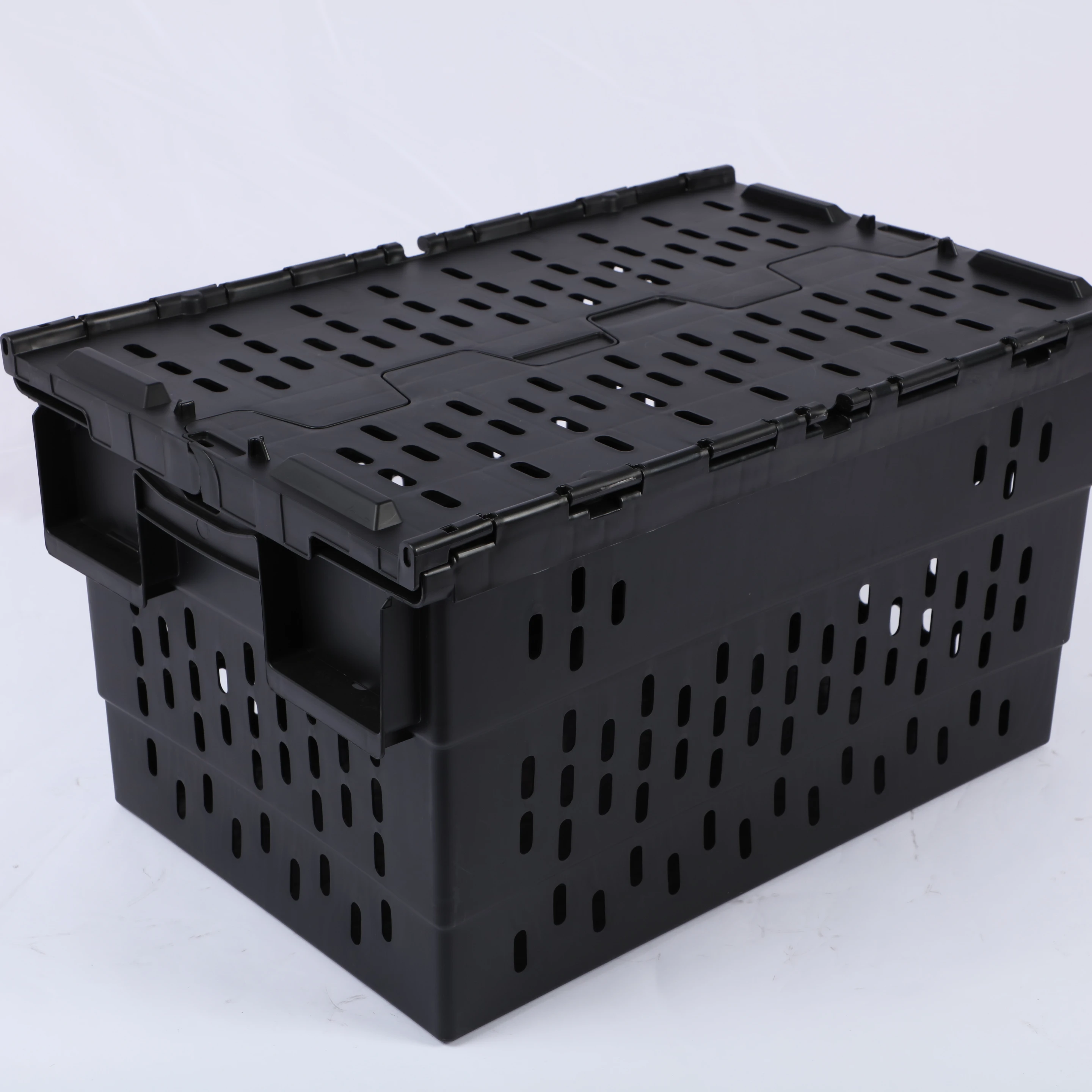
Modern warehouse operations demand efficient storage solutions that maximize space utilization while ensuring product safety and accessibility. The turnover box has emerged as a cornerstone of contemporary logistics management, offering versatility that traditional storage methods simply cannot match. These innovative containers revolutionize how businesses approach inventory management, providing stackable, durable, and cost-effective solutions for diverse industrial applications. Understanding the various types and features of these containers is essential for warehouse managers seeking to optimize their operations in 2025.
The evolution of storage technology has transformed warehouse environments from chaotic spaces into precisely organized systems. Each turnover box solution addresses specific operational challenges, from temperature-sensitive pharmaceuticals to heavy automotive components. Professional warehouse managers recognize that selecting the right container system directly impacts productivity, safety compliance, and bottom-line profitability. The strategic implementation of appropriate storage containers reduces handling time, minimizes product damage, and creates more efficient workflows throughout the entire supply chain.
Essential Features of Modern Turnover Box Systems
Durability and Material Construction
High-quality turnover box solutions utilize advanced polymer materials engineered to withstand industrial environments. These containers feature reinforced corners, impact-resistant walls, and UV-stabilized surfaces that maintain structural integrity under extreme conditions. The injection-molded construction ensures consistent wall thickness, preventing weak points that could compromise load-bearing capacity. Professional-grade materials resist chemical exposure, temperature fluctuations, and repetitive handling stress that occurs in demanding warehouse operations.
Manufacturing specifications typically include high-density polyethylene or polypropylene compounds that offer superior strength-to-weight ratios. These materials provide excellent resistance to cracking, warping, and degradation over extended service periods. Quality turnover box designs incorporate ergonomic features such as smooth edges, comfortable grip areas, and balanced weight distribution to reduce worker fatigue during manual handling operations.
Stackability and Space Optimization
Effective warehouse management relies on maximizing vertical storage capacity while maintaining easy access to inventory. Modern turnover box systems feature precision-engineered stacking mechanisms that ensure stable tower configurations up to specified height limits. Interlocking rim designs prevent sliding or shifting during transport, while tapered sidewalls enable secure nesting when containers are empty.
Space optimization extends beyond simple stacking capabilities to include modular sizing systems that integrate seamlessly with standard shelving and racking configurations. Professional warehouse planners utilize turnover box dimensions that align with pallet footprints, conveyor widths, and door openings to create cohesive material handling systems. These considerations eliminate wasted space and reduce the need for custom modifications to existing infrastructure.
Heavy-Duty Industrial Applications
Automotive Component Storage
Automotive manufacturing facilities require turnover box solutions capable of handling precision components weighing up to several hundred pounds. These specialized containers feature reinforced bottom panels, steel-reinforced corners, and heavy-duty latching mechanisms designed for repetitive use in demanding production environments. The containers protect sensitive electronic components from static discharge while providing clear visibility for quality control inspections.
Production line integration demands turnover box systems that interface smoothly with automated handling equipment and robotic systems. Standardized dimensions ensure compatibility with conveyor systems, while RFID-ready designs enable real-time inventory tracking throughout the manufacturing process. These features reduce handling time, minimize component damage, and support lean manufacturing principles by eliminating non-value-added activities.
Pharmaceutical and Healthcare Storage
Healthcare facilities utilize specialized turnover box designs that meet stringent regulatory requirements for pharmaceutical storage and distribution. These containers feature smooth, non-porous surfaces that resist bacterial growth and facilitate thorough cleaning protocols. Temperature-indicating materials and tamper-evident sealing systems ensure product integrity during transport between facilities.
Compliance with FDA regulations requires turnover box systems that maintain detailed chain-of-custody documentation and prevent cross-contamination between different product categories. Color-coded designs help staff quickly identify container contents and storage requirements, while transparent materials enable visual inspection without opening sealed containers. These features support Good Manufacturing Practices and reduce the risk of costly regulatory violations.
Food Service and Agricultural Solutions
Fresh Produce Distribution
Agricultural operations benefit from turnover box designs specifically engineered for fresh produce handling and distribution. These containers feature ventilated sidewalls that promote air circulation, preventing moisture buildup that leads to spoilage during transport. Food-grade materials ensure compliance with health department regulations while providing easy cleaning and sanitization capabilities.
Temperature management becomes critical when transporting perishable products through multiple distribution points. Advanced turnover box systems incorporate insulation panels and gel pack compartments that maintain consistent temperatures during extended transport periods. These features extend product shelf life, reduce waste, and ensure customer satisfaction with fresh, high-quality produce.
Commercial Kitchen Operations
Restaurant and foodservice operations require turnover box solutions that streamline ingredient preparation and storage workflows. These containers feature easy-to-clean surfaces, rounded corners that prevent bacterial accumulation, and transparent materials that enable quick content identification. Standardized sizing ensures efficient refrigerator and freezer storage while maximizing available space.
Professional kitchens utilize color-coded turnover box systems to prevent cross-contamination between raw and cooked ingredients. Different colored containers designate specific food categories, helping staff maintain proper food safety protocols during busy service periods. These organizational systems reduce preparation time, minimize waste, and support consistent food quality standards.
Technology Integration and Smart Features
RFID and Barcode Compatibility
Modern turnover box systems incorporate technology integration features that support automated inventory management and tracking systems. Built-in RFID tag mounting points and barcode label areas enable real-time location tracking and content identification throughout the supply chain. These technologies eliminate manual counting procedures, reduce human error, and provide detailed usage analytics for optimization purposes.
Integration with warehouse management systems creates comprehensive visibility into inventory movement patterns, helping managers identify bottlenecks and optimize storage layouts. Automated data collection reduces administrative overhead while providing accurate information for demand forecasting and procurement planning. These capabilities become increasingly important as warehouses adopt Industry 4.0 principles and automated handling systems.
Environmental Monitoring
Advanced turnover box designs incorporate sensor mounting capabilities for temperature, humidity, and shock monitoring during transport and storage. These features prove essential for products requiring specific environmental conditions, such as pharmaceuticals, electronics, and specialty chemicals. Real-time monitoring prevents product damage and provides documentation for insurance and regulatory compliance purposes.
Wireless connectivity enables remote monitoring of container conditions, alerting managers to potential problems before they impact product quality. Historical data logging supports root cause analysis and helps identify patterns that could indicate system improvements. These capabilities transform basic storage containers into intelligent assets that actively contribute to operational efficiency and quality assurance.
Cost-Effectiveness and Return on Investment
Long-Term Durability Benefits
Investing in high-quality turnover box systems provides significant long-term cost advantages compared to disposable packaging alternatives. Durable containers withstand thousands of use cycles, eliminating recurring packaging costs and reducing waste disposal expenses. The initial investment typically pays for itself within 12-18 months through reduced material costs and improved operational efficiency.
Maintenance requirements remain minimal throughout the container lifecycle, with most systems requiring only periodic cleaning and inspection procedures. Replacement parts for handles, latches, and lids extend service life even further, maximizing return on investment. These economic benefits become particularly significant for high-volume operations that process hundreds of containers daily.
Operational Efficiency Improvements
Standardized turnover box systems reduce training requirements and eliminate confusion about proper handling procedures. Workers quickly become familiar with consistent latching mechanisms, stacking procedures, and weight capacities across all containers. This standardization reduces workplace injuries, improves productivity, and creates more predictable operational costs.
Improved inventory accuracy results from better organization and visibility provided by professional storage systems. Reduced product damage, faster picking operations, and optimized space utilization contribute to measurable improvements in warehouse key performance indicators. These operational benefits often exceed the direct cost savings from reduced packaging expenses.
Maintenance and Safety Considerations
Cleaning and Sanitization Protocols
Proper maintenance extends turnover box service life while ensuring compliance with industry hygiene standards. Regular cleaning schedules prevent buildup of contaminants that could compromise product quality or create safety hazards. Most professional-grade containers support power washing, steam cleaning, and chemical sanitization procedures without material degradation.
Documentation of cleaning procedures becomes essential for regulated industries requiring detailed sanitation records. Turnover box systems with smooth surfaces and minimal crevices simplify cleaning procedures while reducing the time required for thorough sanitization. These features prove particularly valuable in food service, pharmaceutical, and healthcare applications where contamination prevention is critical.
Worker Safety and Ergonomics
Ergonomic design features reduce the risk of workplace injuries associated with repetitive lifting and handling operations. Properly designed turnover box systems include comfortable grip areas, balanced weight distribution, and appropriate size limitations that prevent overloading. These features become increasingly important as workplace safety regulations become more stringent.
Visual inspection procedures help identify damaged containers before they create safety hazards or compromise product protection. Regular inspection schedules and replacement criteria ensure that containers remain in safe operating condition throughout their service life. Training programs help workers recognize signs of wear or damage that require immediate attention.
FAQ
What factors should I consider when selecting a turnover box system for my warehouse
The most important factors include load capacity requirements, stacking height limitations, and compatibility with existing handling equipment. Consider the types of products you store, environmental conditions, and any industry-specific regulations that apply to your operations. Evaluate long-term costs including maintenance, replacement, and operational efficiency improvements to determine the best value solution.
How do I determine the appropriate size and capacity for my application
Analyze your current storage needs, product dimensions, and handling procedures to identify optimal container sizes. Consider future growth plans and product line changes that might affect storage requirements. Most suppliers provide sizing guides and capacity charts to help match container specifications with specific application requirements.
What maintenance procedures are required to maximize container service life
Establish regular cleaning schedules appropriate for your industry and product types. Inspect containers periodically for signs of wear, damage, or structural problems. Replace worn components such as handles or latches before they fail completely. Proper storage when containers are not in use prevents unnecessary exposure to UV light and extreme temperatures.
How can I integrate turnover box systems with existing warehouse management technology
Most modern containers support RFID tags, barcode labels, or other identification systems that integrate with warehouse management software. Work with your technology vendor to establish data standards and tracking procedures that meet your operational requirements. Consider starting with a pilot program to test integration procedures before implementing system-wide changes.
Table of Contents
- Essential Features of Modern Turnover Box Systems
- Heavy-Duty Industrial Applications
- Food Service and Agricultural Solutions
- Technology Integration and Smart Features
- Cost-Effectiveness and Return on Investment
- Maintenance and Safety Considerations
-
FAQ
- What factors should I consider when selecting a turnover box system for my warehouse
- How do I determine the appropriate size and capacity for my application
- What maintenance procedures are required to maximize container service life
- How can I integrate turnover box systems with existing warehouse management technology