
 EN
EN
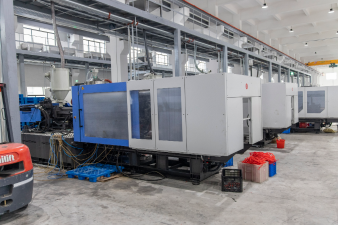
Selecting the right storage and transportation solution is crucial for businesses operating in logistics, agriculture, retail, and manufacturing sectors. A turnover box serves as an essential component in modern supply chain operations, offering durability, versatility, and cost-effectiveness that traditional packaging cannot match. These specialized containers have revolutionized how companies handle inventory management, product distribution, and warehouse organization across various industries.
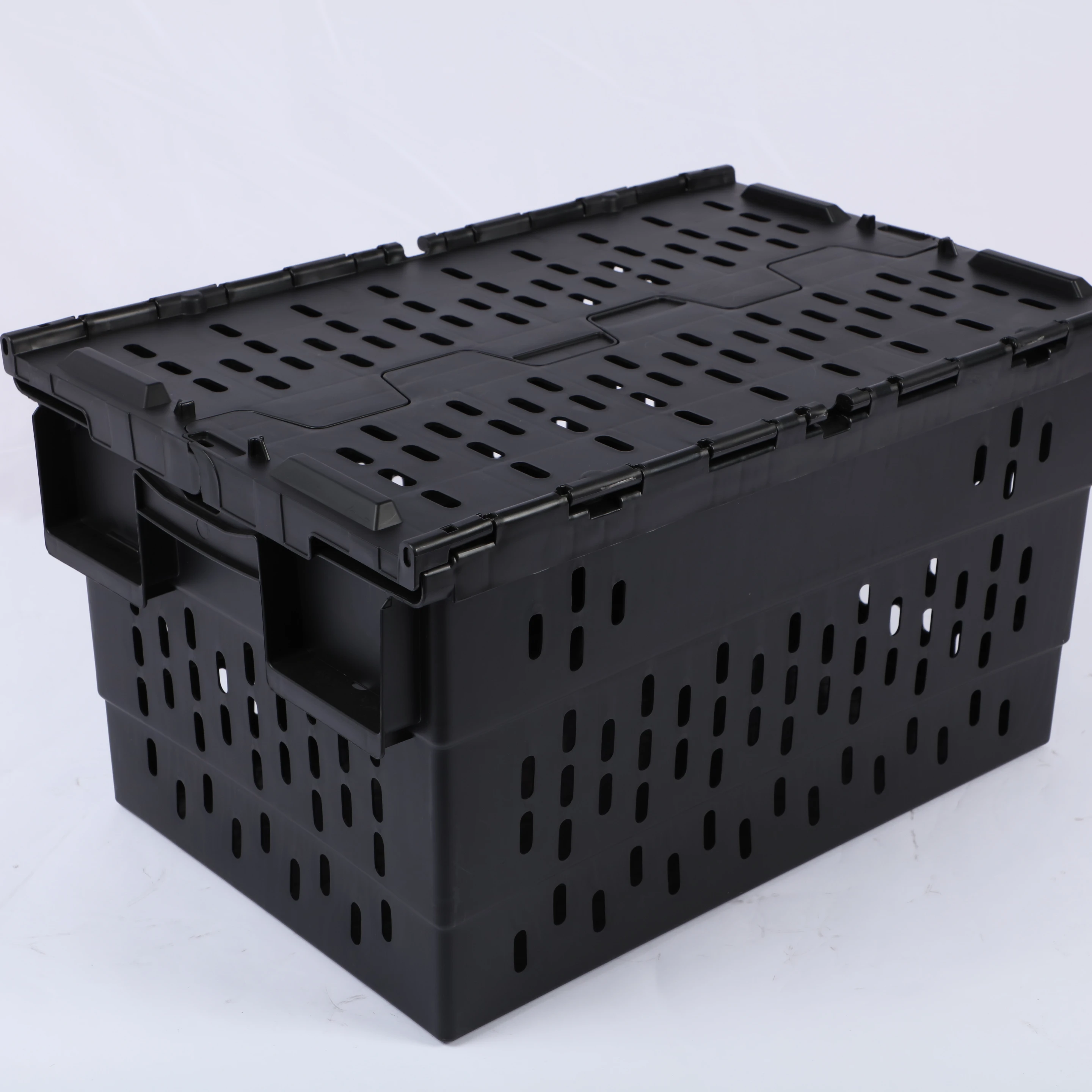
Understanding the unique requirements of your business operations will guide you toward making an informed decision when investing in these storage solutions. The right choice can significantly impact your operational efficiency, reduce handling costs, and improve product protection during transit. Modern businesses require reliable containers that can withstand repeated use while maintaining structural integrity and protecting valuable merchandise.
This comprehensive guide explores the critical factors that influence your selection process, helping you identify the most suitable options for your specific operational needs. From material considerations to size specifications, we will examine every aspect that contributes to making an optimal choice for your organization.
Essential Material Considerations
Plastic Composition and Durability
High-density polyethylene and polypropylene represent the most common materials used in manufacturing quality storage containers. These materials offer exceptional resistance to impact, chemicals, and temperature variations that occur during typical industrial use. The molecular structure of these plastics ensures consistent performance even under demanding operational conditions.
Advanced polymer formulations provide enhanced flexibility while maintaining structural strength, preventing crack formation during repeated loading and unloading cycles. UV stabilizers incorporated into the material composition protect against degradation from prolonged exposure to sunlight, extending the operational lifespan significantly.
Food-grade certifications become essential when handling consumable products, ensuring compliance with health and safety regulations. These specialized formulations prevent contamination and maintain product integrity throughout the supply chain process.
Environmental Resistance Properties
Temperature resistance capabilities determine suitability for various storage environments, from refrigerated facilities to outdoor applications. Quality containers maintain dimensional stability across temperature ranges from negative forty to positive sixty degrees Celsius.
Chemical resistance protects against corrosive substances commonly encountered in industrial environments, including cleaning agents, oils, and acidic materials. This resistance ensures consistent performance and prevents premature deterioration of container walls and structural components.
Moisture resistance prevents warping and dimensional changes that could compromise stacking stability and storage efficiency. Sealed construction designs eliminate water penetration while allowing proper ventilation when required for specific applications.
Size and Capacity Optimization
Dimensional Planning Strategies
Accurate measurement of available storage space ensures maximum utilization of warehouse capacity while maintaining accessibility for material handling equipment. Standard modular dimensions facilitate efficient stacking and integration with existing racking systems.
Product dimensions directly influence container selection, requiring careful consideration of item shapes, weights, and packaging requirements. Optimal fit minimizes wasted space while providing adequate protection against shifting during transportation.
Loading dock specifications and transportation vehicle dimensions establish maximum allowable container sizes, preventing costly compatibility issues during shipping and receiving operations.
Weight Distribution Analysis
Maximum load capacity ratings ensure safe handling practices while preventing structural failure under normal operating conditions. Distributed weight limits differ from concentrated load specifications, requiring careful consideration of product placement strategies.
Center of gravity calculations become critical when stacking loaded containers, maintaining stability during transport and storage operations. Proper weight distribution prevents tipping hazards and ensures safe material handling practices.
Dynamic load considerations account for forces generated during transportation, including acceleration, braking, and turning movements that create additional stress on container structures.
Design Features and Functionality
Stacking and Nesting Capabilities
Interlocking design features provide secure stacking while preventing lateral movement that could compromise stability. Reinforced corner structures distribute weight evenly across multiple container layers, enabling safe vertical storage.
Nesting functionality reduces storage space requirements when containers are empty, optimizing warehouse efficiency and reducing transportation costs for return logistics. Tapered wall designs allow containers to nest securely while maintaining easy separation capabilities.
Compatible stacking systems ensure seamless integration with existing inventory management procedures, maintaining operational continuity while introducing improved storage solutions.
Access and Security Options
Lid configurations range from hinged designs offering convenient access to removable covers providing complete opening capabilities. Locking mechanisms secure valuable contents while maintaining easy operation for authorized personnel.
Ventilation options accommodate products requiring air circulation, preventing moisture accumulation and maintaining optimal storage conditions. Perforated wall designs provide controlled airflow while maintaining structural integrity.
Transparent window sections allow visual inspection of contents without opening containers, reducing handling time and improving inventory management efficiency. Strategic placement of viewing areas provides optimal visibility while maintaining structural strength.
Industry-Specific Applications
Agricultural and Food Processing
Fresh produce handling requires containers designed for ventilation, drainage, and easy cleaning to maintain product quality throughout the distribution chain. Specialized designs accommodate different product types while ensuring compliance with food safety regulations.
Harvest collection applications demand robust construction capable of withstanding field conditions while protecting delicate produce from damage. Smooth interior surfaces prevent bruising and facilitate thorough cleaning between uses.
Cold chain compatibility ensures dimensional stability in refrigerated environments while maintaining insulation properties that help preserve product temperature during short-term exposure to ambient conditions.
Manufacturing and Assembly Operations
Component storage systems require precise dimensional control to accommodate various part geometries while maintaining organized inventory systems. Divider options create customized compartments for small parts organization and inventory control.
Work-in-process applications benefit from containers designed for easy access during assembly operations while protecting components from contamination and damage. Mobile designs facilitate movement between workstations while maintaining product organization.
Quality control procedures are enhanced by transparent designs that allow visual inspection without disturbing product placement, reducing handling time while maintaining traceability throughout production processes.
Cost-Effectiveness and ROI Analysis
Initial Investment Considerations
Purchase price evaluation must include long-term durability factors, comparing initial costs against expected operational lifespan to determine true value proposition. Premium materials command higher prices but offer extended service life and reduced replacement frequency.
Volume discounts become significant for large-scale operations, making bulk purchasing strategies economically attractive while ensuring consistent container specifications across all operational areas.
Financing options may include leasing programs that reduce initial capital requirements while providing access to latest design improvements and material technologies.
Operational Efficiency Benefits
Labor cost reductions result from improved handling efficiency, standardized procedures, and reduced product damage requiring manual sorting and repackaging. Ergonomic designs reduce worker fatigue and injury risks.
Space utilization improvements translate directly into reduced storage costs, enabling higher inventory density while maintaining accessibility for material handling operations. Standardized dimensions optimize warehouse layout efficiency.
Maintenance requirements remain minimal for quality containers, reducing operational overhead while ensuring consistent performance throughout extended service life. Simple cleaning procedures maintain hygiene standards without specialized equipment requirements.
Selection Criteria and Decision Matrix
Performance Requirements Assessment
Load capacity specifications must align with typical product weights while providing adequate safety margins for operational variations. Dynamic loading conditions require higher strength ratings than static storage applications.
Environmental exposure factors influence material selection and design features, requiring consideration of temperature ranges, chemical exposure, and UV radiation levels encountered during normal use.
Handling frequency determines wear resistance requirements, with high-turnover applications demanding enhanced durability features and reinforced stress points.
Integration and Compatibility Factors
Existing equipment compatibility ensures seamless implementation without requiring modifications to material handling systems, conveyor equipment, or storage racking configurations.
Software integration capabilities enable barcode scanning, RFID tracking, and inventory management system connectivity, supporting automated warehouse operations and real-time inventory visibility.
Supplier support services including training, technical assistance, and replacement part availability contribute to long-term operational success and system reliability.
Implementation and Training Strategies
Deployment Planning
Phased implementation approaches minimize operational disruption while allowing gradual transition from existing systems to new turnover box solutions. Pilot programs validate performance characteristics before full-scale deployment.
Training programs ensure proper handling techniques, safety procedures, and maintenance practices that maximize container lifespan while maintaining operational efficiency. Comprehensive documentation supports consistent implementation across multiple facilities.
Performance monitoring systems track key metrics including damage rates, handling efficiency, and cost savings, providing data for continuous improvement initiatives and ROI validation.
Maintenance and Lifecycle Management
Regular inspection schedules identify wear patterns and potential issues before they compromise container integrity or operational safety. Preventive maintenance programs extend service life while reducing unexpected replacement costs.
Cleaning protocols maintain hygiene standards while preventing chemical degradation that could reduce container strength or contaminate stored products. Appropriate cleaning agents and procedures preserve material properties.
End-of-life planning includes recycling programs that support sustainability goals while recovering value from worn containers. Many manufacturers offer take-back programs that facilitate responsible disposal and material recovery.
FAQ
What factors determine the appropriate size for my business needs
Container sizing depends on your product dimensions, storage space constraints, and handling equipment capabilities. Measure your typical products and storage areas, then select containers that optimize space utilization while maintaining efficient handling. Consider both current needs and anticipated growth to avoid premature obsolescence. Standard modular sizes often provide the best balance between capacity and compatibility with existing systems.
How do I evaluate the quality and durability of different options
Quality assessment involves examining material specifications, load capacity ratings, and manufacturing standards. Look for certifications relevant to your industry, such as food-grade approvals for consumable products. Request sample containers for testing under your actual operating conditions, evaluating factors like impact resistance, temperature stability, and wear characteristics. Reputable manufacturers provide detailed specifications and performance data to support your evaluation process.
What maintenance requirements should I expect
Maintenance requirements are typically minimal for quality plastic containers, involving regular cleaning and periodic inspection for damage or wear. Establish cleaning protocols appropriate for your products and environment, using compatible cleaning agents that won't degrade the container material. Implement inspection schedules to identify and replace damaged containers before they compromise product safety or operational efficiency. Proper handling training reduces damage and extends container lifespan significantly.
How can I calculate the return on investment for my purchase
ROI calculation includes direct cost savings from reduced product damage, improved handling efficiency, and space optimization benefits. Factor in labor cost reductions from streamlined operations and decreased maintenance requirements compared to alternative solutions. Consider the container lifespan and replacement frequency to determine total cost of ownership. Many businesses achieve payback within twelve to eighteen months through operational improvements and cost reductions.