
 EN
EN
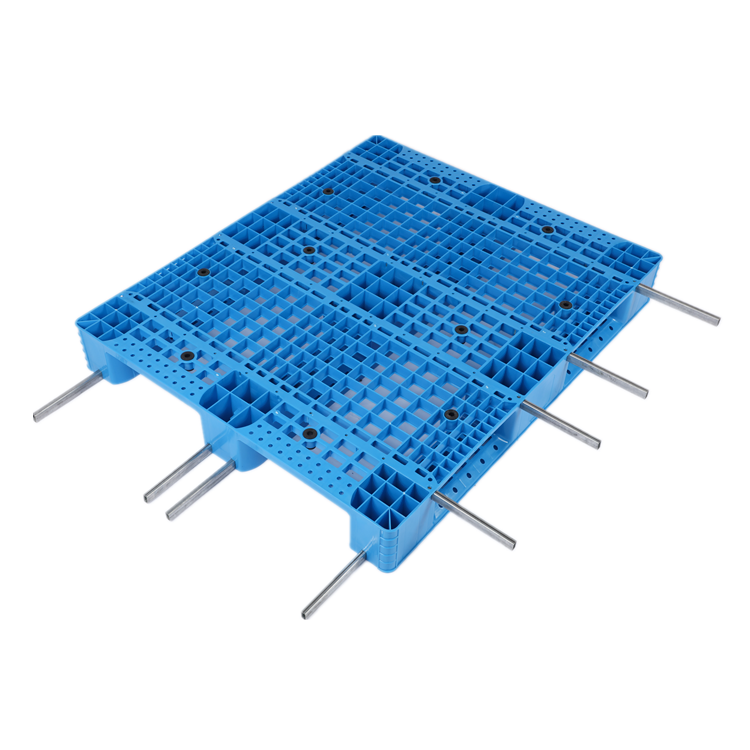
The euro pallet has become the backbone of modern warehouse operations across Europe and beyond, serving as a standardized foundation for efficient storage and logistics. Understanding whether a euro pallet can support standardized warehouse storage systems requires examining its structural capabilities, dimensional standardization, and compatibility with modern handling equipment. A euro pallet represents a carefully engineered solution designed to work seamlessly within integrated warehouse ecosystems, and its ability to support standardized systems has made it an industry standard for decades.
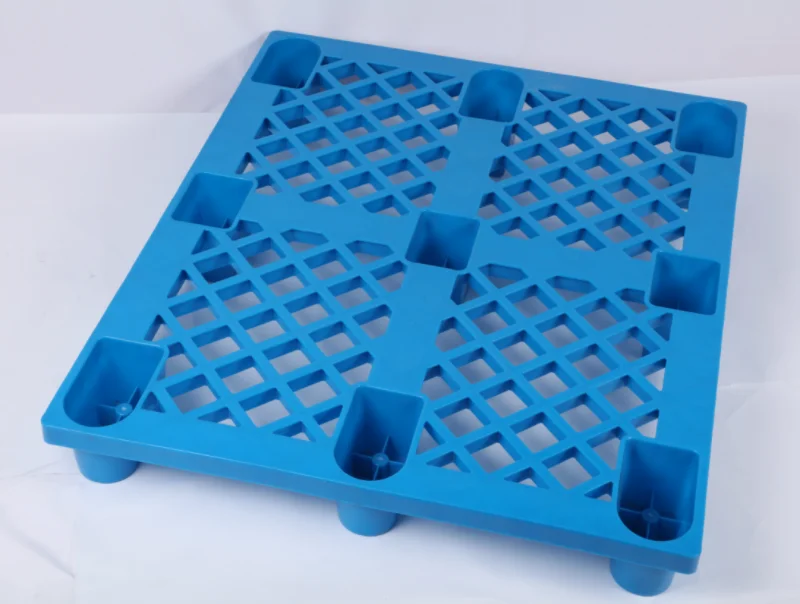
When evaluating whether a euro pallet can support warehouse storage systems, the answer is definitively yes, provided that load limits are respected and the pallet is in proper condition. The euro pallet's standardized dimensions of 1200 × 800 millimeters create a universal platform that integrates with automated systems, racking solutions, and transportation networks designed specifically for this specification. This standardization means that any euro pallet entering a warehouse equipped with standardized storage infrastructure will fit perfectly within the operational framework, enabling seamless workflow integration and maximizing storage density.
Structural Capacity and Load-Bearing Performance
Maximum Weight Distribution on Euro Pallets
A euro pallet typically supports loads up to 1500 kilograms in dynamic warehouse environments and up to 4000 kilograms in static stacking scenarios, making it suitable for the majority of standardized warehouse storage applications. The load-bearing capacity of a euro pallet depends on several factors including pallet material composition, deck board arrangement, and the type of goods being stored. When a euro pallet is manufactured to certified standards, it undergoes rigorous testing to ensure it can handle repetitive fork truck handling, automated conveyor transfer, and vertical stacking within standard racking systems used in modern warehouses.
Material Standards Affecting Euro Pallet Durability
The durability of a euro pallet directly influences its ability to support standardized warehouse storage systems consistently over time. Wooden euro pallets must meet specific moisture content requirements and wood quality standards to maintain structural integrity when supporting heavy loads or engaging with automated handling equipment. Alternatively, plastic euro pallets offer enhanced durability and chemical resistance, making them ideal for industries requiring strict hygiene standards or exposure to moisture, while maintaining identical dimensional compatibility with warehouse storage infrastructure designed for the standard euro pallet footprint.
Integration with Automated Warehouse Storage Systems
Dimensional Compatibility with Racking Solutions
Modern warehouse storage systems are engineered around the euro pallet's precise 1200 × 800 millimeter dimensions, ensuring that every euro pallet positions consistently within rack bays and automated storage retrieval systems. This dimensional standardization means that a euro pallet can support warehouse storage operations by fitting exactly into pallet racking, mobile shelving units, and high-density storage configurations without modification or adjustment. Facilities designed for euro pallet operations can achieve optimal storage density because the euro pallet's geometry is mathematically optimized to fit standard shipping containers and warehouse bay dimensions used throughout the logistics industry.
Compatibility with Handling Equipment and Conveyors
A euro pallet integrates seamlessly with forklifts, pallet jacks, and automated conveyor systems because all this equipment is manufactured to accommodate the standard euro pallet dimensions and entry points. When a euro pallet enters a warehouse equipped with standardized handling infrastructure, the equipment's fork pockets align perfectly with the pallet's design specifications, enabling efficient material movement without delays or safety concerns. This universal compatibility means that a euro pallet can support warehouse storage systems by enabling rapid transfer between receiving areas, storage zones, and shipping docks without requiring manual repositioning or deck transfers.
Standardization Benefits for Warehouse Operations
Operational Efficiency Through Standardized Platforms
The euro pallet's standardized design creates significant operational advantages that directly enhance warehouse storage system performance and cost-effectiveness. Because every euro pallet meets identical specifications, warehouse managers can implement consistent handling protocols, training procedures, and equipment utilization without accounting for pallet variations that could compromise efficiency. A euro pallet supports warehouse storage systems by eliminating the hidden costs associated with managing multiple pallet types, reducing equipment downtime caused by incompatibility issues, and enabling staff to work with complete confidence that equipment will interact predictably with every pallet entering the facility.
Risk Mitigation and Safety Compliance
Using a euro pallet within standardized warehouse storage systems reduces operational risk because the pallet's structural compliance is already established through certification standards recognized throughout the logistics industry. When a euro pallet meets recognized standards, it inherently supports warehouse storage systems by minimizing load collapse incidents, reducing worker injuries associated with unstable loads, and ensuring equipment operates within manufacturer specifications. Standardized euro pallets also facilitate easier inventory tracking, barcode scanning, and integration with warehouse management software systems designed specifically around euro pallet dimensions and specifications.
FAQ
Can a euro pallet support heavy machinery or industrial equipment in warehouse storage?
A euro pallet can support moderate-weight machinery and industrial equipment if the load remains within its weight capacity and is properly distributed across the deck boards. For exceptionally heavy equipment, specialized reinforced euro pallet variants are available that provide enhanced structural support while maintaining dimensional compatibility with warehouse storage systems. However, extremely heavy or unevenly balanced items may require custom support solutions or multiple pallets to ensure safe storage and handling within standardized warehouse environments.
How does a euro pallet maintain compatibility with different warehouse management systems?
A euro pallet maintains compatibility because its standardized dimensions and structure are recognized globally by warehouse management software, automated systems, and handling equipment manufacturers. Whether a warehouse uses advanced robotic systems or traditional manual handling, the euro pallet's specifications remain constant, allowing seamless integration with virtually any warehouse storage system designed to accommodate standard pallet dimensions. This universal compatibility means that a euro pallet can be transferred between different warehouses, transportation networks, and logistics providers without requiring system modifications or equipment adjustments.
What maintenance is required to ensure a euro pallet continues supporting warehouse storage operations?
Regular inspection of a euro pallet for damage, decay, or structural compromise is essential to maintain its ability to support warehouse storage systems safely. Wooden euro pallets require monitoring for rot, pest damage, or moisture infiltration, while plastic euro pallets should be checked for cracks or permanent deformation that could compromise load capacity. Implementing a pallet maintenance protocol ensures that damaged units are removed from circulation promptly, preserving the reliability of your warehouse storage system and preventing accidents that could result from storing loads on compromised pallets.