
 EN
EN
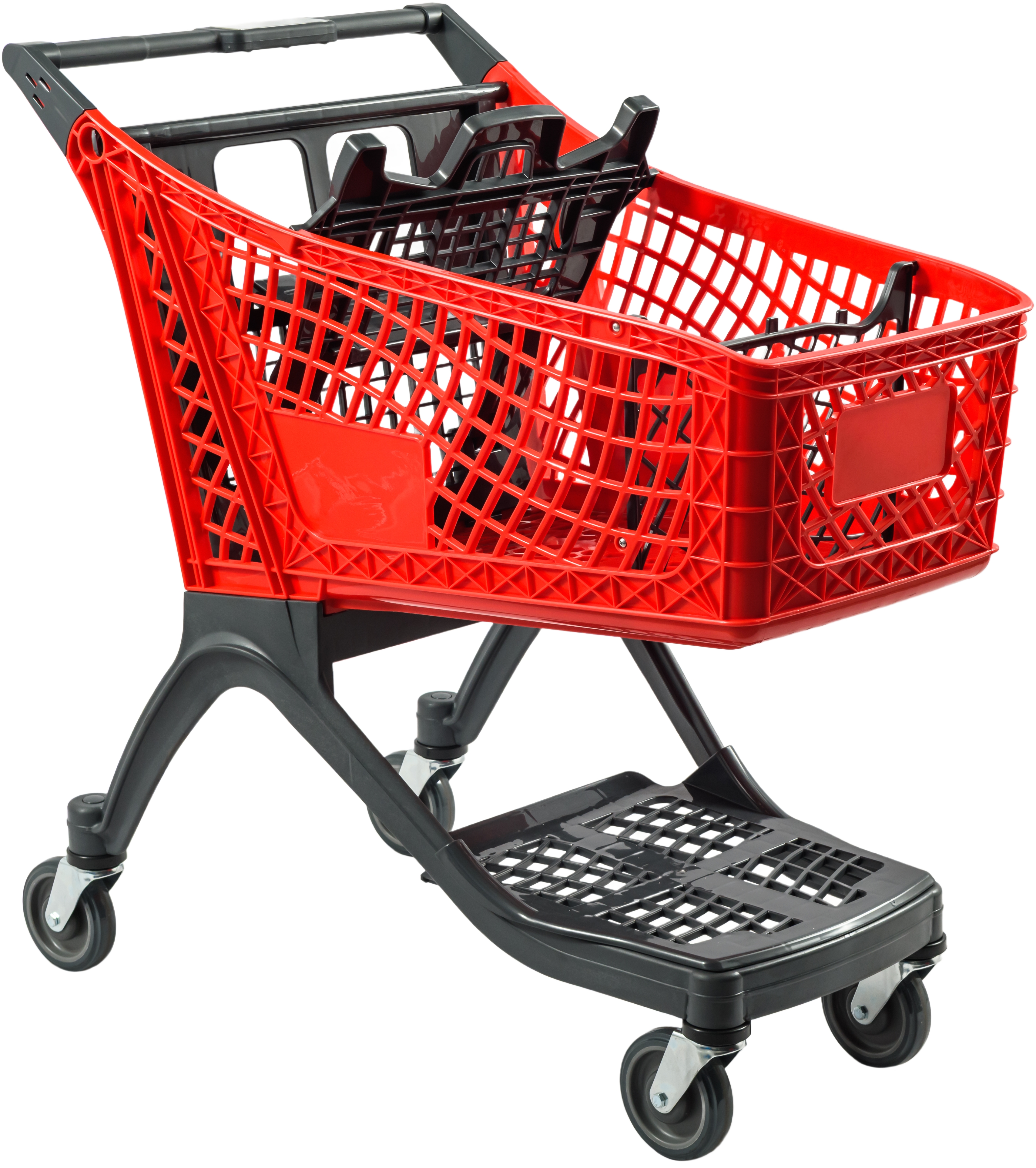
A plastic shopping cart represents a fundamental tool in modern retail environments, directly shaping how customers interact with stores and complete their shopping journeys. Unlike traditional alternatives, a plastic shopping cart combines practical functionality with enhanced user experience, addressing the specific needs of both shoppers and retailers. Understanding how a plastic shopping cart enhances customer convenience requires examining its design features, operational benefits, and real-world impact on the shopping experience.
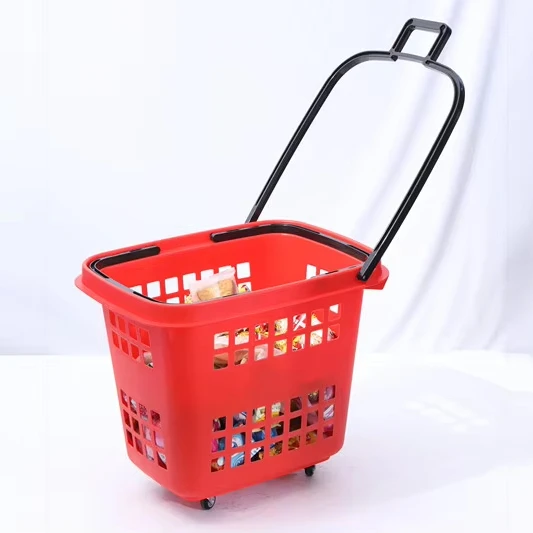
The effectiveness of a plastic shopping cart goes beyond basic product transportation. A plastic shopping cart enables customers to carry larger quantities of items while reducing physical strain, exploring more products, and extending their shopping duration. This increased shopping capacity directly translates to higher basket values and improved customer satisfaction, making a plastic shopping cart an investment in both retailer success and consumer convenience.
Design and Structural Benefits of a Plastic Shopping Cart
Durability and Low Maintenance Requirements
A plastic shopping cart offers exceptional durability compared to metal or wooden alternatives, withstanding years of daily use without rust, corrosion, or structural degradation. The material composition of a plastic shopping cart resists moisture, humidity, and temperature fluctuations, making it ideal for both indoor and outdoor retail spaces. Retailers benefit significantly from reduced maintenance costs, as a plastic shopping cart requires minimal repairs and never needs repainting or protective coatings.
Lightweight Yet Load-Bearing Capacity
A plastic shopping cart achieves an optimal balance between lightweight construction and impressive load capacity, typically supporting 100 to 300 pounds depending on design specifications. This characteristic means customers can push and maneuver a plastic shopping cart effortlessly, even when fully loaded, reducing physical fatigue during extended shopping trips. The lightweight nature of a plastic shopping cart also facilitates easier storage, transportation, and inventory management for retail operations.
Ergonomic and User Experience Advantages
Comfortable Pushing and Maneuvering
The ergonomic design of a plastic shopping cart features cushioned handles, smooth-rolling wheels, and intuitive steering that minimize customer effort and strain. A plastic shopping cart allows shoppers to navigate crowded aisles comfortably, turn corners smoothly, and transition between different store sections without hesitation. The improved maneuverability of a plastic shopping cart encourages customers to browse longer and explore more product categories, directly enhancing their overall shopping experience and satisfaction.
Accessibility and Inclusivity
A plastic shopping cart design often incorporates accessibility features that serve elderly customers, those with mobility challenges, and parents with young children. The stable platform and supportive handles of a plastic shopping cart provide security and confidence during shopping, enabling broader customer demographics to shop independently. By accommodating diverse physical needs, a plastic shopping cart demonstrates retailer commitment to inclusive customer service and expands the customer base that feels welcomed and supported.
Operational and Business Convenience Impact
Increased Shopping Basket Size and Customer Spending
A plastic shopping cart's generous capacity directly influences customer purchasing behavior, enabling larger transactions and higher average basket values per visit. When customers have reliable access to a convenient plastic shopping cart, they purchase more items per trip, reducing repeat visits required and increasing transaction frequency. The psychological effect of a plastic shopping cart also encourages impulse purchases, as customers feel comfortable adding additional items without concern about carrying capacity or physical strain.
Operational Efficiency and Cost Effectiveness
A plastic shopping cart reduces long-term operational expenses through minimal maintenance requirements, extended lifespan, and lower total cost of ownership compared to alternative cart materials. The lightweight design of a plastic shopping cart simplifies restocking, reorganization, and facility cleaning processes, improving staff efficiency. Additionally, a plastic shopping cart's weather-resistant properties eliminate concerns about outdoor placement or exposure damage, expanding where retailers can position shopping infrastructure and manage inventory movement.
Customer Satisfaction and Brand Perception
Creating Positive Shopping Environments
A plastic shopping cart contributes to cleaner, more professional retail environments by resisting staining, resisting odor absorption, and maintaining visual appeal over extended periods. The modern appearance and reliable performance of a plastic shopping cart reflect positively on retailer professionalism and attention to customer care. Stores that invest in quality plastic shopping cart systems signal commitment to customer convenience, influencing brand perception and encouraging repeat shopping visits and customer loyalty.
Reducing Shopping Friction and Hesitation
When customers encounter well-maintained, accessible plastic shopping cart options, shopping friction decreases significantly, removing a potential barrier to purchase behavior. A plastic shopping cart eliminates concerns about carrying capacity, physical strain, or equipment reliability that might otherwise cause customers to limit purchases or abandon shopping trips. This removal of practical obstacles enhances overall customer experience, increases purchase frequency, and builds positive associations with the retail location.
FAQ
How does a plastic shopping cart improve customer experience compared to metal carts?
A plastic shopping cart offers superior ergonomics, lighter weight for easier pushing, enhanced durability against rust and corrosion, and modern aesthetics that metal carts cannot match. Customers experience reduced fatigue and greater comfort when using a plastic shopping cart, resulting in longer shopping sessions and increased satisfaction. The maintenance requirements for a plastic shopping cart are also significantly lower, ensuring consistent cart availability and reliability throughout the shopping day.
What is the typical load capacity of a plastic shopping cart?
Most plastic shopping carts are engineered to safely support between 100 and 300 pounds, depending on specific design and material specifications. This capacity accommodates typical grocery shopping needs while maintaining the lightweight characteristics that make a plastic shopping cart easy to maneuver. The robust construction of a plastic shopping cart ensures reliable performance even with maximum loads, providing both customer confidence and retailer durability assurance.
Are plastic shopping carts suitable for outdoor retail environments?
Yes, a plastic shopping cart is exceptionally well-suited for outdoor retail environments because the material resists weather damage, moisture, temperature fluctuations, and UV exposure. Unlike metal carts that rust or wooden carts that deteriorate, a plastic shopping cart maintains structural integrity and visual appearance through years of outdoor exposure. This weather resistance makes a plastic shopping cart an ideal choice for farmers markets, outdoor garden centers, and exterior retail displays.