
 EN
EN
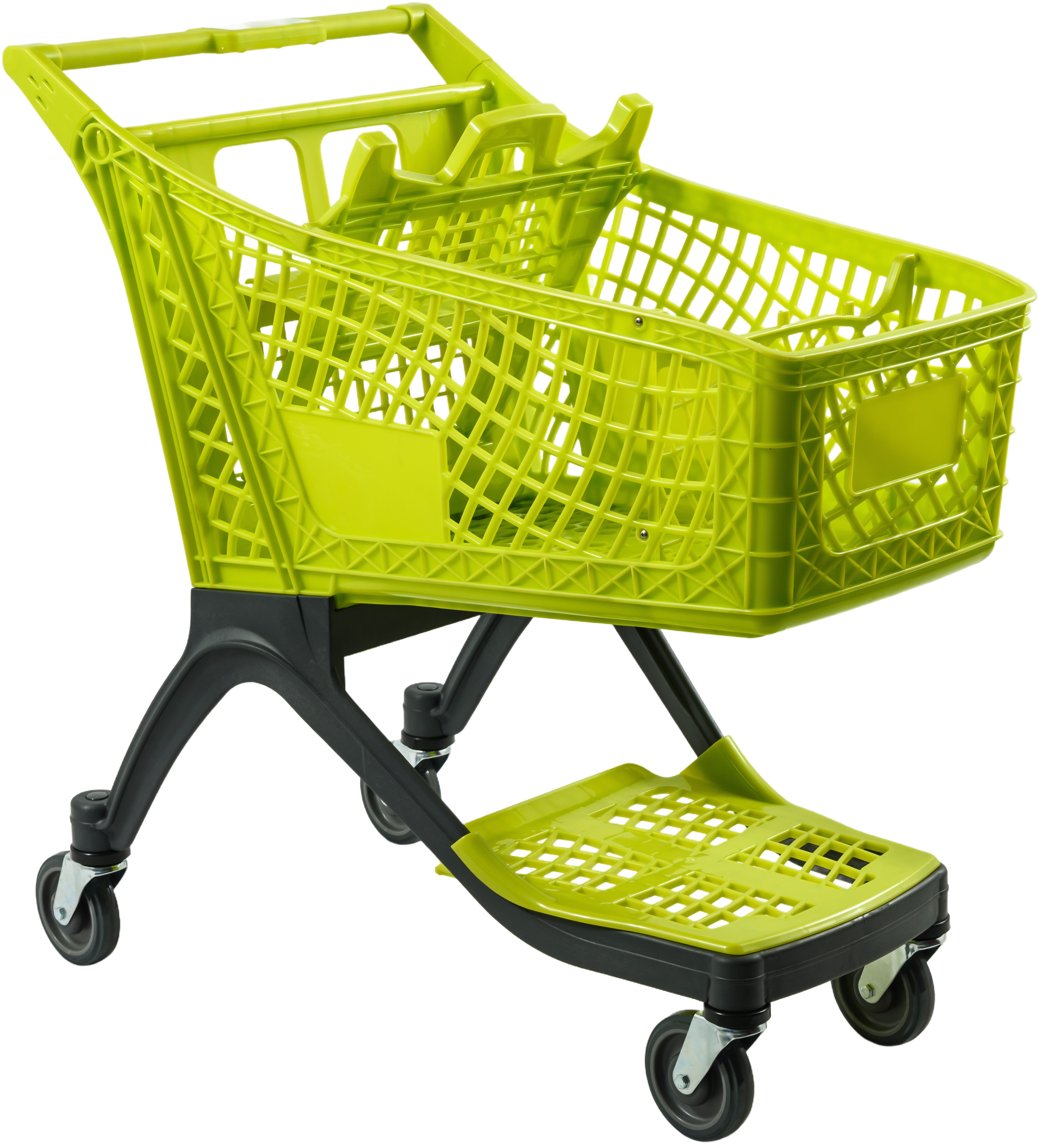
Retailers across the globe continuously seek ways to enhance customer experience while maintaining operational efficiency and managing costs effectively. One strategic investment that has become increasingly vital to modern retail operations is upgrading to quality plastic shopping cart systems. Understanding why retailers prioritize this investment reveals important insights into contemporary retail management and customer satisfaction strategies. The decision to invest in plastic shopping cart solutions reflects a broader commitment to creating seamless shopping environments that benefit both customers and store operations.
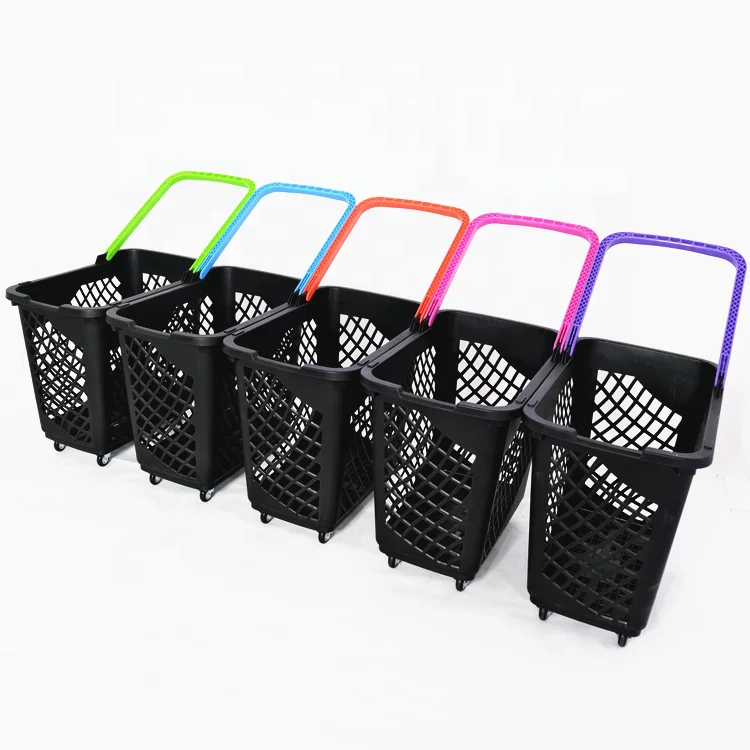
The retail landscape has transformed dramatically over the past decade, with consumer expectations driving fundamental changes in how stores operate. A plastic shopping cart is no longer merely a functional tool but a critical component of the overall retail experience. Retailers who invest in modern plastic shopping cart solutions report measurable improvements in customer satisfaction, reduced operational disruptions, and stronger brand perception. This article explores the multifaceted reasons behind these significant investments and how they directly impact retail success.
Durability and Long-Term Cost Efficiency
Extending Asset Lifespan Through Superior Materials
When retailers evaluate their equipment investments, durability stands as a primary concern. A plastic shopping cart constructed from high-grade materials significantly outlasts traditional metal alternatives in high-traffic retail environments. The plastic shopping cart's resistance to rust, corrosion, and weather-related degradation means retailers can deploy these carts both indoors and in outdoor store areas without accelerated deterioration. This extended lifespan directly translates to reduced replacement frequency and lower total cost of ownership, making the plastic shopping cart an economically sound choice for forward-thinking retailers.
Maintenance Reduction and Operational Savings
Maintenance complexity represents a hidden cost burden for many retailers managing traditional cart fleets. The plastic shopping cart requires substantially less maintenance compared to metal carts, eliminating concerns about rust treatment, paint touch-ups, and structural reinforcement. Store managers appreciate that a plastic shopping cart fleet demands minimal intervention beyond routine cleaning and basic wheel inspections. This reduced maintenance burden frees up staff resources for customer-facing activities and other critical store operations. Retailers investing in plastic shopping cart systems effectively reduce their operational overhead while maintaining cart functionality and appearance.
Enhanced Customer Experience and Brand Perception
Modern Aesthetic Appeal and Store Image
Contemporary shoppers associate modern, well-maintained equipment with overall store quality and attention to detail. A plastic shopping cart presents a cleaner, more contemporary appearance compared to aging metal carts, positively influencing customer perception of the retail environment. Retailers understand that the plastic shopping cart serves as a silent brand ambassador, subtly communicating store standards and professionalism. When customers push a smooth, clean plastic shopping cart through aisles, they experience the physical manifestation of retail quality. This visual and tactile improvement contributes to positive shopping experiences that encourage repeat visits and customer loyalty.
Improved Functionality and Ergonomic Design
Modern plastic shopping cart designs incorporate ergonomic considerations that older equipment lacks. Smooth-rolling wheels, properly balanced weight distribution, and comfortable handle heights make shopping more pleasant for diverse customer demographics, including elderly shoppers and those with mobility considerations. The plastic shopping cart's lightweight construction reduces push resistance while maintaining structural integrity, creating a noticeably superior user experience. Retailers investing in quality plastic shopping cart solutions directly improve accessibility and comfort, demonstrating genuine customer-centric values. This functional excellence translates into measurable customer satisfaction improvements and reduced checkout friction.
Operational Efficiency and Fleet Management
Standardization and Inventory Accountability
Retailers managing multiple store locations benefit significantly from standardizing equipment across their estate. Investing in a consistent plastic shopping cart system enables simplified inventory tracking, streamlined replacement protocols, and unified maintenance procedures. When each location deploys the same plastic shopping cart model, managers can efficiently redistribute equipment between stores based on demand fluctuations and seasonal patterns. This standardization creates operational predictability and reduces complexity associated with managing diverse cart types. The plastic shopping cart becomes an integrated component of the retailer's broader asset management strategy, contributing to organizational efficiency at the enterprise level.
Space Optimization and Storage Efficiency
Modern plastic shopping cart designs often feature nesting or stackable configurations that optimize storage space in loading areas and stockrooms. Retailers can store more plastic shopping cart units in the same footprint compared to traditional rigid metal designs, improving back-of-house logistics. This space efficiency matters particularly for urban retailers with limited facility space or those managing constrained parking areas. The compact storage capability of quality plastic shopping cart solutions means retailers maintain adequate cart availability during peak shopping periods without excessive spatial requirements. This operational advantage translates directly into improved customer convenience and reduced instances of cart shortages during busy shopping times.
Environmental and Sustainability Considerations
Responsible Material Sourcing and Lifecycle Impact
Modern retailers increasingly recognize environmental stewardship as a core business value that resonates with conscious consumers. Premium plastic shopping cart solutions manufactured from recycled or recyclable materials align with sustainable retail practices. The plastic shopping cart's extended operational lifespan means fewer units require replacement, reducing overall manufacturing impacts and waste generation. Retailers investing in environmentally responsible plastic shopping cart systems demonstrate commitment to sustainability while managing financial prudence. This alignment between environmental values and operational efficiency creates a compelling business case for upgrading cart fleets to modern plastic shopping cart systems.
FAQ
How does a plastic shopping cart compare to metal alternatives in terms of durability?
A plastic shopping cart significantly outperforms metal alternatives in durability, particularly in corrosive environments or outdoor store settings. Metal carts require regular rust prevention treatment and paint maintenance, while the plastic shopping cart naturally resists corrosion and weather damage. The plastic shopping cart's superior lifespan reduces replacement frequency, making it the more durable long-term investment for most retail operations.
What specific customer experience improvements result from upgrading to plastic shopping cart systems?
Customers immediately notice improvements when using a quality plastic shopping cart compared to aged equipment. Better aesthetics, smoother operation, lighter weight, and ergonomic design all enhance the shopping experience. The plastic shopping cart signals store quality and professionalism, directly influencing customer satisfaction and likelihood of repeat visits.
Can retailers easily expand their plastic shopping cart fleet as store operations grow?
Yes, retailers can seamlessly expand their plastic shopping cart fleet as business needs evolve. Standardized plastic shopping cart systems allow for straightforward addition of new units that integrate with existing inventory management and maintenance protocols. The plastic shopping cart scalability supports retail growth without operational disruption or training complications.