
 EN
EN

Electrostatic coating powder has emerged as a transformative solution for industries seeking to align production processes with environmental responsibility. As manufacturers face increasing pressure to reduce waste, emissions, and resource consumption, electrostatic coating powder offers a compelling pathway toward sustainable finishing without compromising quality or performance. The technology behind electrostatic coating powder enables precise application, minimal overspray, and recyclable material recovery, making it fundamentally different from traditional liquid coating methods. Understanding how electrostatic coating powder supports environmentally friendly finishing processes is essential for decision-makers in manufacturing, automotive, aerospace, and consumer goods sectors.
The environmental case for electrostatic coating powder rests on several interconnected advantages. First, electrostatic coating powder achieves transfer efficiency rates of 85 to 98 percent, meaning virtually all material applied reaches the target surface. This contrasts sharply with conventional spray methods, where significant material becomes overspray, requiring capture and disposal. When electrostatic coating powder overspray does occur, the charged particles settle in collection systems where they can be reclaimed, reprocessed, and reused in subsequent coating runs. This recovery capability transforms electrostatic coating powder from a one-time consumable into a circular resource, dramatically reducing waste streams that would otherwise burden landfills or require energy-intensive incineration.
How Electrostatic Coating Powder Minimizes Environmental Impact
Waste Reduction and Material Recovery
Electrostatic coating powder systems eliminate the waste cycle inherent in liquid spray finishing. Traditional wet coating methods generate hazardous waste in the form of overspray, which must be filtered, treated, and disposed of according to environmental regulations. This process consumes water, chemicals, and energy while creating compliance obligations that increase operational costs. In contrast, electrostatic coating powder operates without solvents or water, generating no liquid waste streams. Unused electrostatic coating powder remains stable in collection hoppers and can be recovered through simple mechanical means. Industrial operations report recovery rates exceeding 95 percent when using modern electrostatic coating powder equipment, meaning material that would become waste becomes sellable product or input for new coating batches.
Elimination of Volatile Organic Compounds
One of the most significant environmental benefits of electrostatic coating powder is the complete absence of volatile organic compounds, or VOCs. Traditional liquid coatings release VOCs during application and drying, contributing to air pollution, workplace safety concerns, and regulatory compliance expenses. Electrostatic coating powder contains no solvents, eliminating VOC emissions entirely. Facilities using electrostatic coating powder avoid the need for expensive air handling systems, solvent recovery equipment, and exhaust scrubbers. Workers benefit from improved air quality and reduced respiratory exposure. Regulatory agencies recognize electrostatic coating powder as a compliant finishing method in jurisdictions with strict emissions standards. For manufacturers operating in regions with tightening environmental regulations, electrostatic coating powder represents not just an environmental choice but an operational necessity.
Energy Efficiency and Carbon Footprint Reduction
Lower Processing Energy Requirements
Electrostatic coating powder requires less energy per unit of finished product compared to liquid coating systems. The application process does not require heating, cooling, or ventilation systems of the magnitude needed for solvent-based methods. Curing times for electrostatic coating powder are typically shorter, with most thermosetting formulations reaching full hardness within 10 to 30 minutes at moderate temperatures. This accelerated cure cycle reduces the energy footprint per part and increases production throughput. Additionally, because electrostatic coating powder operates at lower cure temperatures than some alternative finishing methods, heat-sensitive substrates and complex assemblies can be finished without risk of damage or distortion. The cumulative energy savings from reduced ventilation, shorter cure times, and ambient-temperature application make electrostatic coating powder a low-carbon finishing choice.
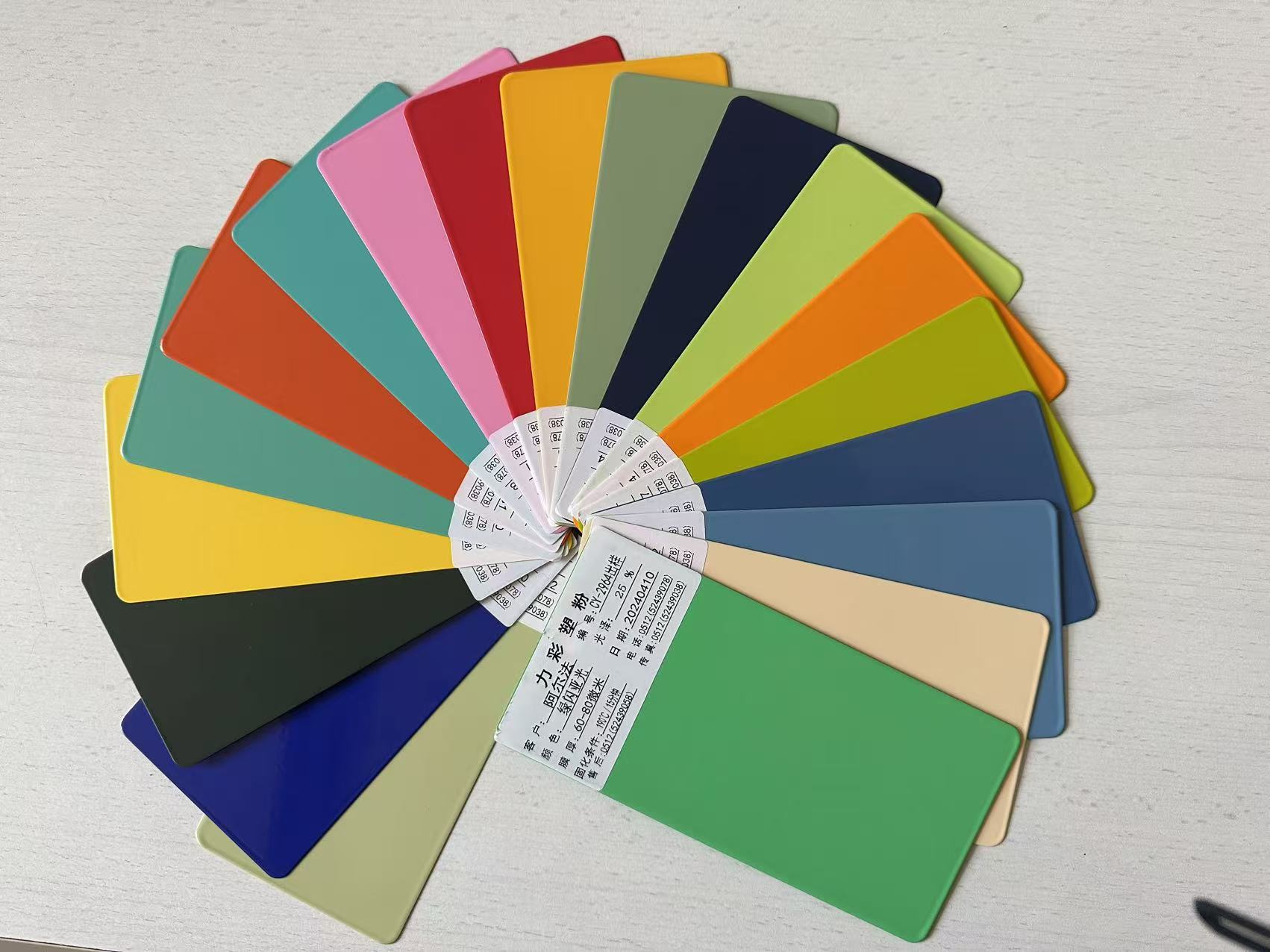
Transportation and Supply Chain Sustainability
Electrostatic coating powder is denser than liquid coatings, meaning equivalent coating volumes can be transported in smaller shipments with lower fuel consumption per unit delivered. The shelf stability of electrostatic coating powder exceeds that of most liquid systems, reducing spoilage and the need for frequent reordering. Because electrostatic coating powder generates no hazardous waste requiring special transportation or disposal, supply chain costs remain lower. Facilities using electrostatic coating powder can implement just-in-time inventory practices, further reducing storage space and associated climate control needs. When manufacturers adopt electrostatic coating powder systems, they often discover that supply chain optimization becomes a natural outcome of the process architecture.
Performance Standards and Environmental Compliance
Meeting Regulatory and Certification Requirements
Electrostatic coating powder formulations are engineered to meet stringent environmental and performance standards established by regulatory bodies and industry associations. Polyester-based electrostatic coating powder and epoxy-based electrostatic coating powder both offer zero-VOC profiles while delivering durability, chemical resistance, and aesthetic finishes comparable to or exceeding traditional coatings. Many electrostatic coating powder products qualify for environmental certifications such as EU Ecolabel, Green Seal, and regional RoHS compliance. Industries serving automotive, aerospace, and consumer electronics markets increasingly require that suppliers source electrostatic coating powder that meets these certifications. For manufacturers seeking to differentiate through sustainability credentials, electrostatic coating powder provides a verifiable pathway.
Long-Term Durability and Lifecycle Value
Electrostatic coating powder produces finishes with extended service life, reducing the frequency of recoating and refinishing operations. A part coated with electrostatic coating powder may resist corrosion, UV degradation, and mechanical abrasion for 10, 15, or more years depending on environmental exposure and formulation. This durability means the total lifecycle environmental cost per year of service is lower than finishes requiring periodic maintenance recoating. End-of-life considerations also favor electrostatic coating powder; many formulations are compatible with thermal recycling processes for metal substrates, allowing both the substrate and coating to be recovered together. The extended service life and end-of-life recyclability of electrostatic coating powder create a closed-loop environmental narrative that appeals to manufacturers, brand owners, and end customers prioritizing sustainability.
FAQ
What makes electrostatic coating powder different from liquid spray coating in terms of environmental impact?
Electrostatic coating powder achieves 85 to 98 percent transfer efficiency without solvents or water, eliminating VOC emissions and hazardous liquid waste. Overspray particles in electrostatic coating powder systems settle in collection hoppers where they can be reclaimed and reused, whereas liquid overspray becomes hazardous waste requiring treatment and disposal. The absence of solvents, coupled with high material recovery rates, makes electrostatic coating powder substantially more environmentally favorable than conventional liquid finishing methods.
Can electrostatic coating powder be recycled or reused?
Yes, electrostatic coating powder recovered from overspray can be mechanically sifted, cleaned, and reintroduced into the coating process with minimal performance degradation. Recovery rates exceeding 95 percent are achievable with modern electrostatic coating powder equipment. This recyclability transforms the material from a consumable into a reusable resource, reducing landfill burden and total material costs over the product lifetime. Industrial operators report that recycled electrostatic coating powder maintains coating quality and cure characteristics equivalent to virgin material when proper collection and storage practices are followed.
Are electrostatic coating powder finishes durable enough for demanding industrial applications?
Electrostatic coating powder formulations deliver performance characteristics suitable for automotive, aerospace, industrial machinery, and consumer electronics applications. Epoxy-based electrostatic coating powder offers superior chemical and corrosion resistance, while polyester-based electrostatic coating powder provides excellent UV stability and aesthetic finish. Field data shows that properly applied electrostatic coating powder finishes maintain integrity for 10 to 20 years in outdoor or harsh environments. The combination of durability, environmental compliance, and aesthetic appeal makes electrostatic coating powder a reliable choice for applications requiring both performance and sustainability credentials.