
 EN
EN
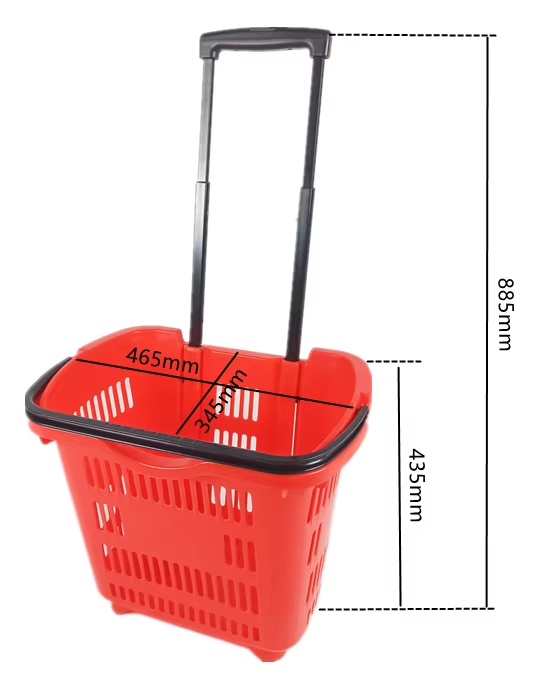
A supermarket basket is far more than a simple shopping vessel. In modern retail environments, the supermarket basket has become a critical operational asset that directly influences store efficiency, customer satisfaction, and overall profitability. When properly selected and deployed, a supermarket basket can streamline workflows, reduce congestion at checkout counters, and create a more organized shopping experience that benefits both staff and customers. Understanding how a supermarket basket functions within the broader retail ecosystem is essential for any store manager seeking to optimize operations and maintain competitive advantage.
The impact of choosing the right supermarket basket extends beyond simple convenience. A well-designed supermarket basket influences inventory management, encourages higher average transaction values, and reduces the time customers spend navigating store aisles. Retailers who invest in quality supermarket basket solutions report measurable improvements in store traffic flow, staff productivity, and customer retention. This article explores the concrete ways a supermarket basket enhances retail operations and why it deserves careful consideration in your store infrastructure strategy.
How a Supermarket Basket Improves Operational Efficiency
Streamlining Checkout and Payment Processes
The supermarket basket plays a vital role in accelerating checkout operations. When customers use a supermarket basket, items are pre-organized and ready for scanning, reducing the time cashiers spend handling individual products. A supermarket basket with ergonomic handles and appropriate weight distribution allows customers to carry more items comfortably, which translates to fewer trips through the store and faster overall shopping cycles. This efficiency gains momentum during peak hours when every second of checkout time impacts customer satisfaction and throughput.
Modern supermarket basket designs now incorporate features that further enhance checkout speed. Some supermarket basket options include wheels or integrated handles that facilitate smooth movement through self-checkout stations, reducing friction in the transaction process. When a supermarket basket is sized appropriately for typical purchase volumes, it encourages customers to complete their shopping more methodically, reducing the need for repeat browsing and diminishing last-minute item additions that complicate checkout workflows.
Managing Store Traffic and Congestion
A strategically deployed supermarket basket directly influences how customer traffic flows through your retail space. When the supermarket basket is readily available at store entrances and positioned throughout high-traffic zones, customers can immediately begin shopping with purpose rather than wandering. This accessibility of the supermarket basket reduces bottlenecks in aisles and creates more predictable movement patterns that allow staff to anticipate customer needs and position themselves effectively for assistance.
The availability and visibility of the supermarket basket also affects impulse purchasing behavior and store layout optimization. A supermarket basket that is lightweight and maneuverable encourages customers to explore more sections of the store, naturally distributing traffic across departments rather than concentrating customer flow in specific areas. This balanced distribution means that the supermarket basket becomes an invisible tool for load balancing your retail environment, reducing crowding in popular sections and encouraging discovery in underutilized departments.
Maximizing Customer Experience Through Supermarket Basket Design
Ergonomics and Customer Comfort
The physical design of a supermarket basket directly impacts how long customers remain engaged in shopping and how satisfied they feel during their visit. An effective supermarket basket combines lightweight construction with robust capacity, allowing customers to comfortably collect items without experiencing arm fatigue or muscle strain. When a supermarket basket is ergonomically optimized with padded or contoured handles, it reduces physical discomfort during extended shopping sessions, which correlates strongly with longer shopping durations and higher transaction values.
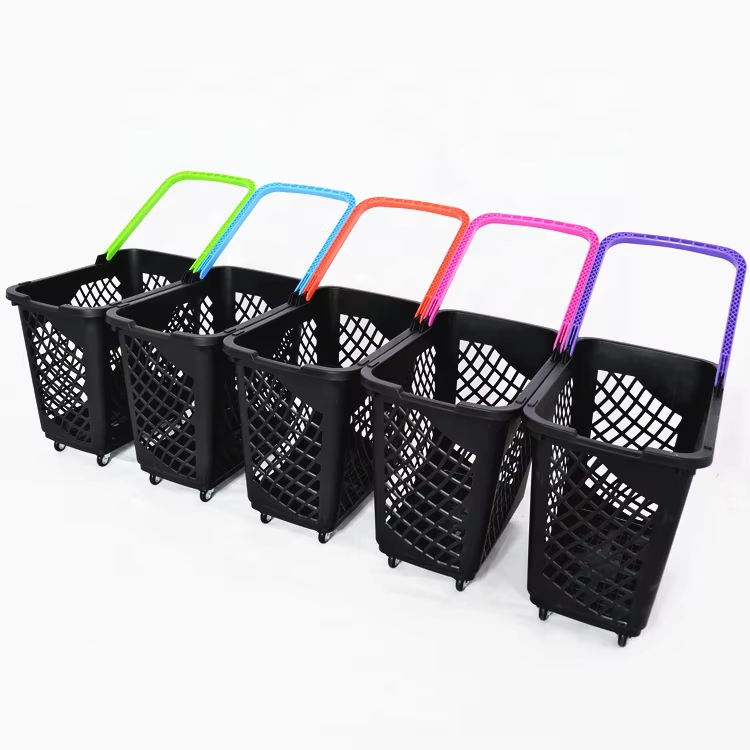
Customer comfort with the supermarket basket also extends to accessibility considerations. A supermarket basket that accommodates customers with varying physical abilities, including those with mobility challenges, demonstrates operational inclusivity and broadens your customer base. When the supermarket basket is available in multiple sizes or includes accessibility features such as handles at different heights or wheel options, it signals that your store is invested in customer well-being, building loyalty and encouraging repeat visits.
Visual Appeal and Brand Perception
The aesthetic quality of your supermarket basket contributes meaningfully to customers' perception of your store's professionalism and cleanliness. A well-maintained supermarket basket with a cohesive color scheme and clear branding creates a unified store image that reinforces quality and attention to detail. When the supermarket basket displays your store's logo or colors, it also extends your brand presence throughout the shopping journey, creating subtle but consistent touchpoints that enhance brand recognition and customer loyalty.
Regular maintenance and replacement of worn or damaged supermarket basket units is a cost-effective way to maintain store appearance standards. A supermarket basket that appears old, cracked, or poorly maintained sends a negative signal about store operations, regardless of actual inventory or pricing strategies. Conversely, investing in updated or premium-quality supermarket basket solutions communicates to customers that your business prioritizes their experience and maintains high operational standards.
Strategic Planning and Financial Impact
Calculating Return on Investment for Supermarket Basket Infrastructure
The financial case for supermarket basket investment becomes clear when you measure impact on key retail metrics. A supermarket basket that encourages higher basket values through improved accessibility and comfort directly increases average transaction revenue. When you calculate the cost per supermarket basket against the incremental sales generated by improved shopping efficiency and customer retention, the return on investment typically becomes apparent within months of implementation.
Beyond direct sales impact, a supermarket basket reduces operational costs by minimizing staff time spent managing customer flow and addressing checkout delays. Training staff to strategically maintain and position the supermarket basket inventory throughout the store requires minimal investment but yields significant efficiency gains. Additionally, a durable supermarket basket reduces replacement costs over time when made from quality materials designed for extended commercial use, protecting your long-term capital investment in store infrastructure.
Integrating Supermarket Basket Solutions into Omnichannel Operations
Contemporary retail increasingly blends in-store and online experiences, and the supermarket basket plays a subtle but important role in this integration. When customers use a supermarket basket for traditional in-store shopping, they develop familiarity with your store layout and products that translates into online browsing behavior. This connection between the physical supermarket basket experience and digital shopping channels reinforces brand consistency and creates multiple touchpoints for customer engagement.
Forward-thinking retailers are exploring how the supermarket basket concept extends to emerging fulfillment models such as buy-online-pickup-in-store services. A supermarket basket adapted for curbside pickup or customer collection stations provides operational flexibility that supports evolving consumer preferences. This adaptability ensures that your supermarket basket investment remains relevant as retail delivery mechanisms continue to evolve and customer expectations shift toward greater convenience and speed.
FAQ
What size supermarket basket is optimal for retail store operations?
The optimal supermarket basket size depends on your store's product mix, average transaction value, and target customer demographics. A supermarket basket with 40 to 70 liter capacity typically works well for most grocery and general merchandise retailers, balancing weight distribution with customer comfort. Offering multiple supermarket basket sizes allows customers to select the appropriate option for their shopping needs, reducing frustration when customers must choose between baskets that are too small or too large. Analyzing your historical transaction data helps determine whether your supermarket basket selection aligns with typical purchase volumes and customer preferences in your market.
How frequently should a supermarket basket be replaced or refurbished?
A well-maintained supermarket basket can serve effectively for three to five years in typical retail environments, depending on usage intensity and material quality. Regular cleaning, prompt repair of minor damage, and rotation of inventory help extend the operational life of each supermarket basket. Most retailers implement an ongoing replacement schedule that refreshes approximately fifteen to twenty percent of their supermarket basket inventory annually, ensuring that the overall collection maintains an attractive, professional appearance while minimizing the impact of any single large capital expenditure. Monitoring wear patterns helps identify which supermarket basket styles or materials perform best in your specific operational context.
Can a supermarket basket support sustainability initiatives in retail operations?
Yes, a supermarket basket made from recycled or recyclable materials directly supports environmental sustainability goals while reinforcing your store's commitment to responsible business practices. Selecting a durable supermarket basket that minimizes replacement frequency reduces plastic waste and manufacturing impact over the product lifecycle. Many retailers incorporate messaging about the supermarket basket's eco-friendly construction into marketing communications, appealing to environmentally conscious consumers and differentiating the store from competitors. This alignment between the supermarket basket infrastructure and broader sustainability commitments creates authentic brand positioning that resonates with modern customer values.