
 EN
EN
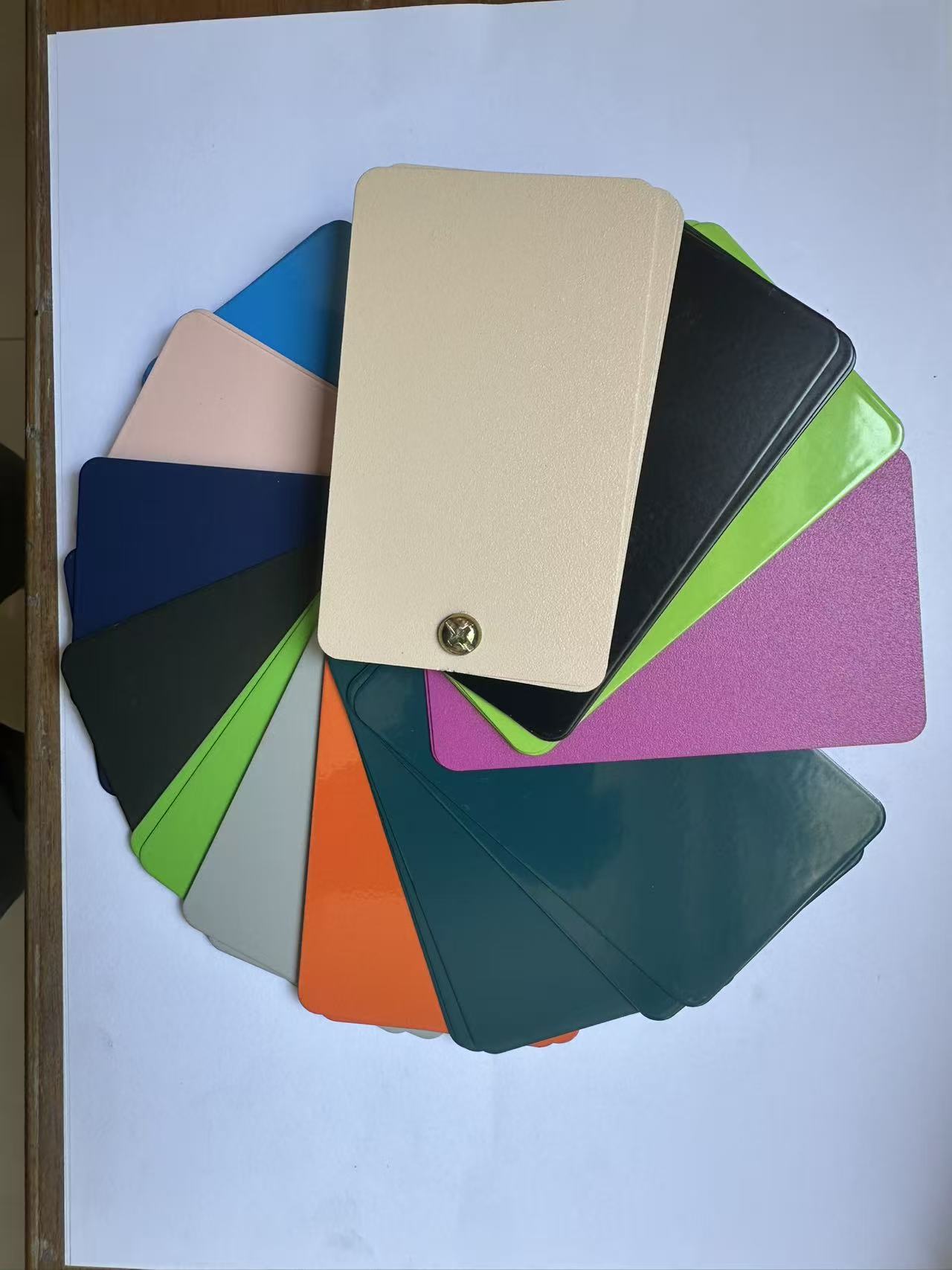
Metal components face constant threats from corrosion, oxidation, and environmental degradation in industrial applications. The question of whether epoxy powder can enhance surface protection for metal components has become increasingly important for manufacturers seeking reliable, long-lasting solutions. The answer is a definitive yes. Epoxy powder coating systems have revolutionized metal protection by delivering exceptional adhesion, chemical resistance, and durability that traditional liquid coatings often cannot match. Understanding how epoxy powder works and its protective capabilities helps industrial buyers make informed decisions about protecting their valuable metal assets.
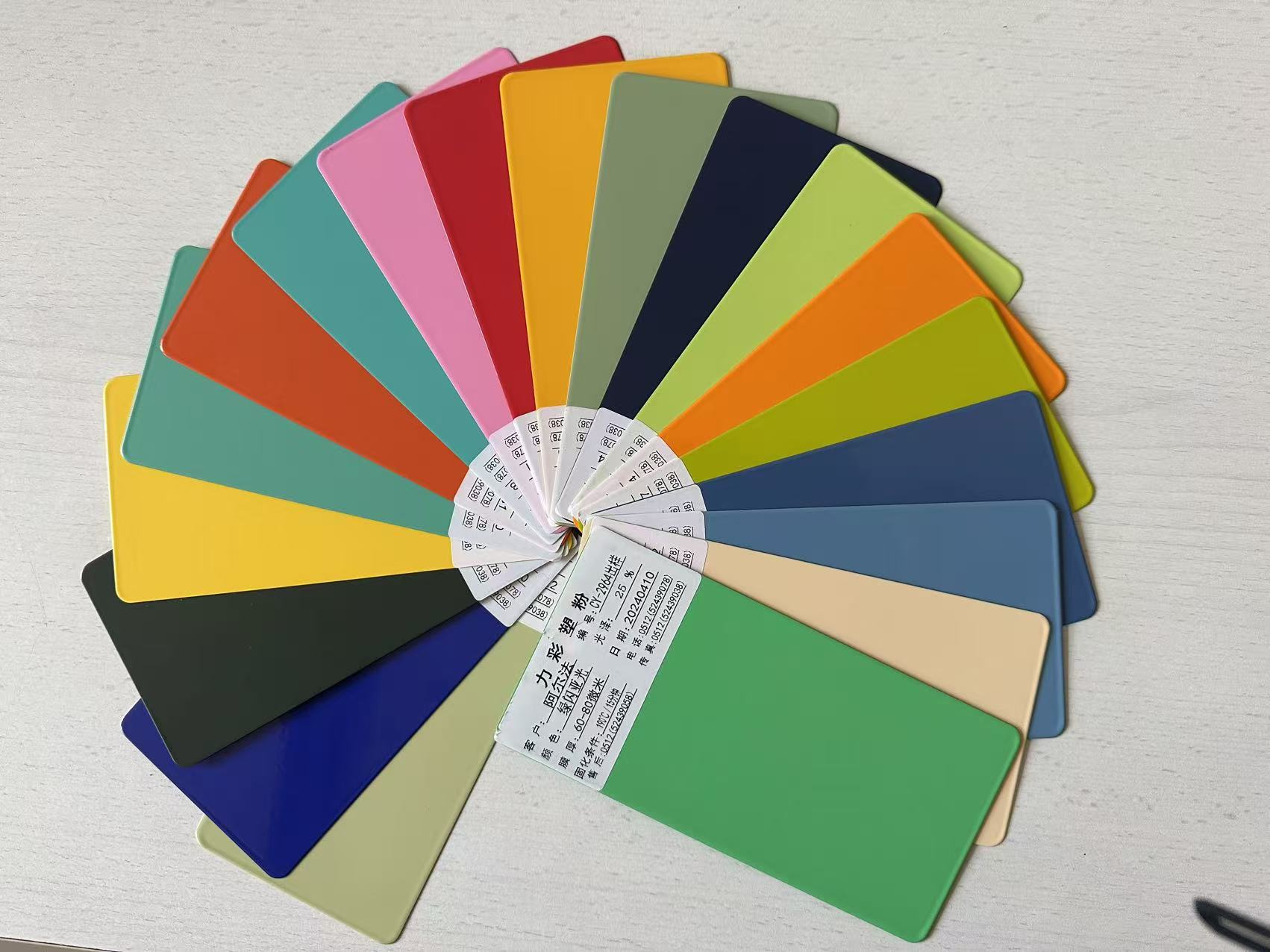
The protective properties of epoxy powder stem from its unique chemical composition and application methodology. Unlike conventional liquid coatings that rely on solvent evaporation, epoxy powder coating systems employ electrostatic application and thermal curing to create dense, impenetrable barriers on metal surfaces. This process ensures superior film thickness control, minimal waste, and environmentally friendly operations. The resulting finish provides comprehensive protection against moisture infiltration, salt spray exposure, chemical attack, and mechanical wear. For industries ranging from automotive manufacturing to offshore equipment, epoxy powder represents a trusted choice for extending component lifespan and reducing maintenance costs.
How Epoxy Powder Enhances Metal Component Protection
Chemical Bonding and Adhesion Strength
The protective excellence of epoxy powder begins at the molecular level. When applied through electrostatic deposition and thermal curing, epoxy powder creates a chemical bond with the metal substrate rather than merely sitting on its surface. This chemical adhesion is substantially stronger than physical adhesion achieved by liquid coatings, preventing delamination and edge failure commonly seen in other coating systems. The cross-linked polymer network that forms during the curing process of epoxy powder creates a rigid, impenetrable matrix that actively resists penetration by corrosive agents. This fundamental advantage makes epoxy powder particularly valuable for metal components exposed to harsh environments where coating failure can result in catastrophic rust development and structural compromise.
Moisture and Corrosion Barrier Formation
Metal corrosion fundamentally depends on moisture and oxygen reaching the substrate surface, initiating electrochemical reactions that degrade the metal. Epoxy powder coating systems interrupt this process by forming a continuous, non-porous barrier that blocks water penetration and oxygen diffusion. The dense polymer film created by epoxy powder demonstrates exceptional moisture resistance, often maintaining its protective integrity even after prolonged immersion in salt water or industrial chemical environments. This barrier function of epoxy powder is particularly critical in automotive underbody applications, marine equipment, and industrial machinery where corrosion could compromise safety and performance. Testing data consistently demonstrates that metal components protected with epoxy powder maintain superior corrosion resistance ratings compared to components coated with conventional liquid systems.
Superior Durability and Environmental Performance
Extended Component Lifespan Through Enhanced Toughness
The durability advantage of epoxy powder extends far beyond basic corrosion resistance. The cross-linked structure of cured epoxy powder provides exceptional toughness and impact resistance, protecting metal components from mechanical damage that could compromise the coating integrity. Unlike brittle coating systems that crack under impact or vibration stress, epoxy powder flexes slightly while maintaining its protective barrier function. This toughness characteristic makes epoxy powder ideal for components experiencing mechanical stress, thermal cycling, or physical handling during manufacturing and service. Industrial case studies reveal that metal equipment protected with epoxy powder typically requires significantly less maintenance intervention and lasts 40 to 60 percent longer than components using alternative coating technologies.
Chemical Resistance and Industrial Application Compatibility
Metal components operating in chemical processing facilities, automotive plants, and petrochemical installations face exposure to aggressive substances that rapidly degrade inferior coatings. Epoxy powder coating systems demonstrate remarkable resistance to oils, solvents, acids, and alkaline chemicals commonly encountered in industrial environments. The polymer matrix of epoxy powder prevents chemical penetration and substrate attack, maintaining protective integrity even during long-term exposure to challenging substances. This chemical resistance profile of epoxy powder makes it suitable for protecting metal components in food processing equipment, pharmaceutical manufacturing, and chemical handling systems. The epoxy powder systems available through advanced coating suppliers can be customized to address specific chemical exposure scenarios, ensuring optimal protection for specialized industrial applications.
Manufacturing Efficiency and Quality Control Advantages
Electrostatic Application and Coating Uniformity
The application methodology of epoxy powder significantly influences its protective capabilities and manufacturing efficiency. Electrostatic application technology ensures uniform powder particle distribution across all metal component surfaces, including complex geometries and recessed areas where liquid coatings often accumulate unevenly. This controlled application of epoxy powder eliminates the inconsistent coverage and thickness variations that compromise coating performance in traditional liquid systems. The precision of epoxy powder deposition allows manufacturers to achieve repeatable, consistent coating thickness specifications that directly correlate with predictable protective performance. Thermal curing of epoxy powder creates a complete molecular cross-link without requiring solvents or extended ambient drying times, accelerating production cycles and reducing manufacturing complexity.
Waste Reduction and Environmental Sustainability
From a manufacturing perspective, epoxy powder coating systems deliver substantial environmental and economic advantages compared to liquid coating alternatives. The powder application process generates minimal overspray waste because unused epoxy powder particles can be recaptured and reused in subsequent application cycles. This closed-loop efficiency of epoxy powder systems reduces material costs and eliminates the chemical disposal challenges associated with solvent-based liquid coatings. VOC emissions from epoxy powder operations remain virtually zero because the coating process requires no chemical solvents to atomize or enable flow. Environmental regulatory compliance becomes substantially simpler when implementing epoxy powder technology, as manufacturers avoid the air quality monitoring, emission controls, and solvent waste management requirements mandated for liquid coating systems.
FAQ
Does epoxy powder provide better corrosion protection than liquid epoxy coatings?
Yes, epoxy powder typically delivers superior corrosion protection compared to liquid epoxy formulations. The higher solid content and superior cross-link density of cured epoxy powder create thicker, more impenetrable barriers that resist moisture and oxygen penetration more effectively. The chemical adhesion achieved by epoxy powder application also prevents edge delamination and substrate creepage, common failure modes in liquid systems. Testing results consistently show that metal components protected with epoxy powder demonstrate 15 to 25 percent longer time-to-corrosion than equivalent liquid epoxy systems when exposed to salt spray and humidity conditions.
Can epoxy powder coating be applied to all metal component geometries?
Electrostatic epoxy powder application technology effectively coats most metal component shapes, including complex geometries, internal cavities, and recessed features. However, components with extreme internal angles, deep cavities, or significant shielded areas may experience reduced epoxy powder deposition in those regions. Specialized application techniques, including manual application or post-bake thermal reflow processes, can overcome these limitations. Advanced coating facilities typically adjust epoxy powder application parameters, electrode positioning, and application sequence to achieve consistent coverage across challenging component geometries, ensuring comprehensive protection for virtually all industrial metal components.
What temperature conditions can epoxy powder coating withstand?
The thermal performance capabilities of epoxy powder coating systems vary based on specific formulation and curing schedule. Standard epoxy powder formulations typically maintain protective integrity up to 80 to 100 degrees Celsius, suitable for most industrial applications. High-temperature epoxy powder variants can withstand continuous service temperatures up to 150 degrees Celsius without significant degradation. Specialty formulations engineered for extreme thermal environments may perform adequately at even higher temperatures, though such applications typically require consultation with coating specialists. Thermal cycling capability of epoxy powder systems remains excellent, as the rigid polymer matrix resists expansion and contraction stress that would crack more brittle coating alternatives.