
 EN
EN
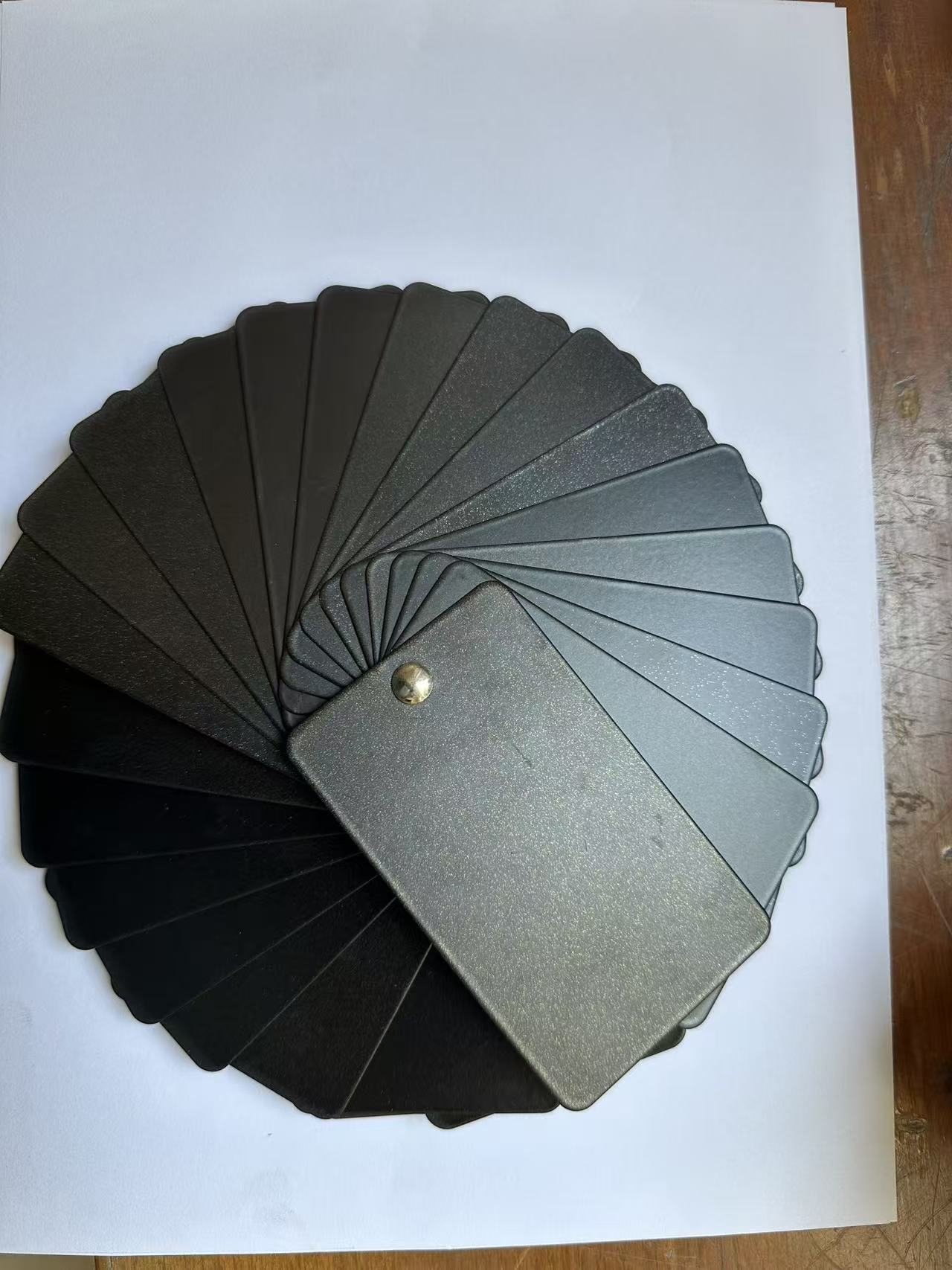
Indoor electrostatic coating applications demand materials that deliver exceptional adhesion, durability, and finish quality. Among all coating options available, epoxy powder stands out as the preferred choice for manufacturers and facility managers across diverse industrial sectors. The superiority of epoxy powder in these applications stems from its unique chemical composition, superior protective properties, and ability to meet stringent indoor environmental requirements. Understanding why epoxy powder dominates this market segment is essential for anyone selecting coating materials for metal substrates, machinery components, or architectural surfaces that must perform reliably indoors.
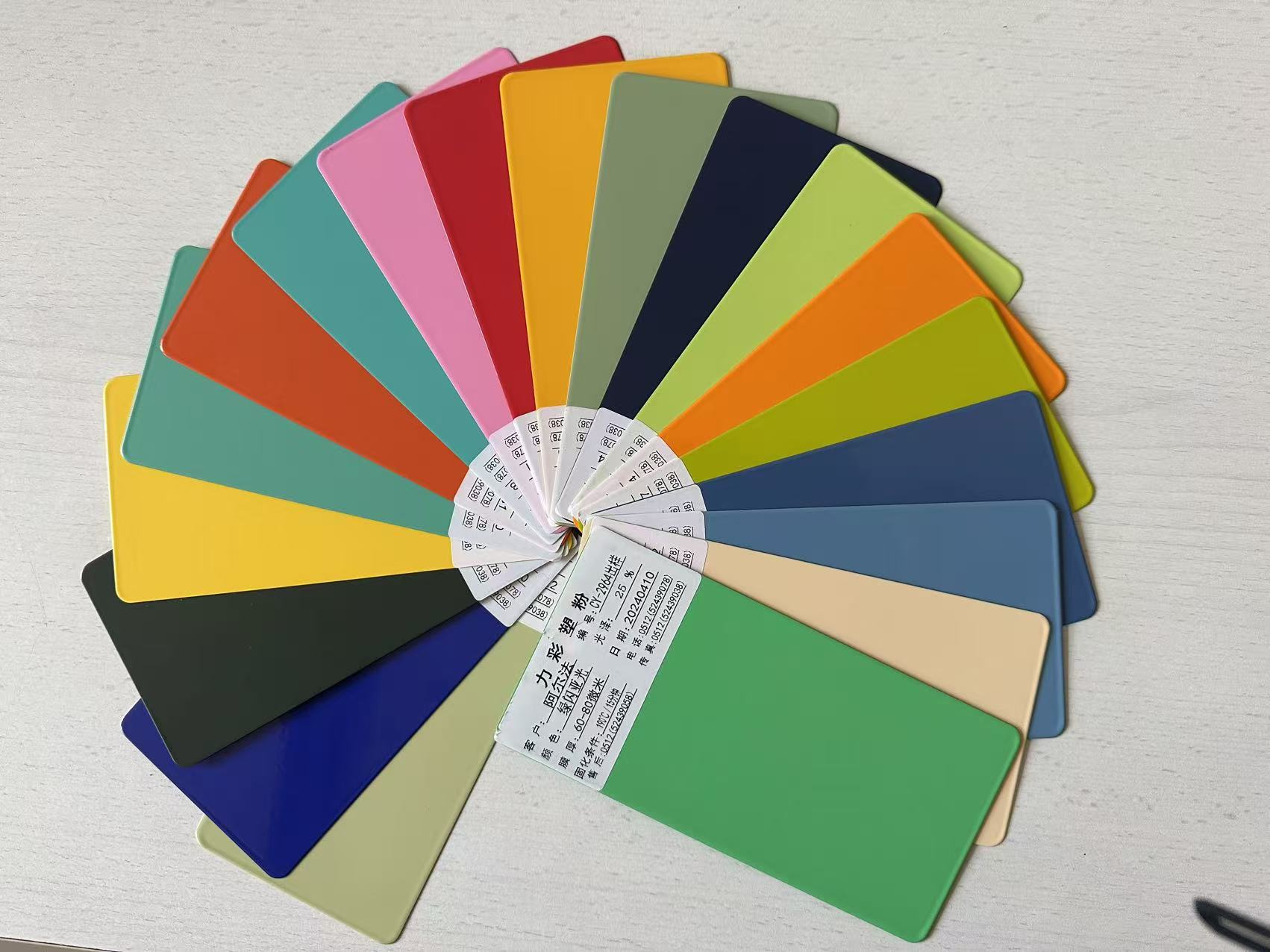
Epoxy powder formulations contain reactive epoxy resins that form strong cross-linked networks when cured under electrostatic application methods. This molecular structure creates a coating film with exceptional hardness, chemical resistance, and mechanical strength that far exceeds many alternative powder coating systems. For indoor environments where coated surfaces face moderate abrasion, chemical exposure, and moisture fluctuations, epoxy powder delivers long-lasting performance that protects substrate integrity while maintaining aesthetic appeal over extended service cycles.
Superior Chemical and Corrosion Resistance
Why Chemical Protection Matters Indoors
Indoor industrial facilities frequently expose coated surfaces to oils, solvents, cleaning agents, and environmental moisture that gradually degrade inferior coating systems. Epoxy powder coatings resist these chemical challenges far more effectively than polyester or polyurethane alternatives, making them the logical choice for food processing equipment, pharmaceutical machinery, and manufacturing facilities where product contamination or surface degradation cannot be tolerated. The cross-linked epoxy matrix actively repels moisture ingress and chemical penetration, preventing substrate corrosion and maintaining coating integrity for years without degradation or discoloration.
Moisture and Humidity Performance
Indoor environments experience constant humidity fluctuations that create ideal conditions for substrate oxidation and coating failure when inferior materials are used. Epoxy powder exhibits exceptional water resistance and dimensional stability across wide humidity ranges, preventing the moisture-induced swelling, bubbling, or adhesion loss that compromises other coating systems. This moisture barrier capability ensures that epoxy powder-coated components maintain their protective seal even in high-humidity facilities, cold storage areas, or spaces where condensation regularly forms on surfaces.
Adhesion and Long-Term Durability
Substrate Bonding Excellence
The adhesion performance of epoxy powder to metal substrates is unmatched in the powder coating industry, directly resulting from its reactive nature and the mechanical interlocking that occurs during the curing process. When applied through electrostatic methods, epoxy powder particles charge uniformly and deposit with exceptional density across the substrate surface, creating a dense coating layer that bonds exceptionally strongly to the metal foundation. This superior adhesion prevents coating separation, peeling, or spalling even when coated components experience shock loads, vibration, or thermal cycling that would cause inferior coatings to fail prematurely.
Impact and Abrasion Resistance
Indoor manufacturing environments subject coated surfaces to constant mechanical stress through handling, equipment operation, and workspace traffic that gradually wears down protective coatings. Epoxy powder formulations deliver outstanding hardness and impact resistance that withstands these demanding conditions far better than softer alternative coating materials. The rigid cross-linked structure of cured epoxy powder absorbs mechanical energy without cracking or crazing, maintaining protective integrity even in high-traffic areas, machine tool environments, and facilities where coated components experience regular contact stress.
Electrostatic Application Efficiency
Powder Charging and Transfer Effectiveness
The electrostatic application process requires coating materials that accept and maintain electrical charge during spray deposition, ensuring complete and uniform surface coverage with minimal powder waste. Epoxy powder possesses optimal electrical properties that allow consistent charging and excellent transfer efficiency when applied through electrostatic equipment, resulting in superior coverage uniformity across complex component geometries. The predictable charging behavior of epoxy powder enables operators to achieve precise coating thicknesses with minimal overspray, directly reducing material consumption and improving cost-effectiveness compared to materials with poor charging characteristics.
Cure Speed and Production Throughput
Industrial production environments demand rapid coating cure times that allow quick component handling and assembly progression without compromising protective properties. Epoxy powder achieves full cure at relatively low oven temperatures and moderate time cycles, enabling faster production throughput than many alternative coating materials without sacrificing final performance characteristics. This rapid curing capability allows manufacturers to process higher component volumes daily while maintaining consistent quality standards, making epoxy powder economically attractive for large-scale indoor coating operations.
Indoor Environmental Compliance and Safety
Low VOC Emission and Air Quality
Powder coating systems generate minimal volatile organic compound emissions compared to liquid coating alternatives, and epoxy powder formulations emit virtually zero VOCs during application and curing. This environmental advantage makes epoxy powder the responsible choice for indoor coating facilities where worker safety and air quality regulations demand non-toxic application processes and product emissions. The absence of solvent fumes and hazardous vapors associated with liquid coating systems makes epoxy powder operations safer for facility personnel and eliminates expensive ventilation and emission control equipment requirements.
Worker Safety and Handling Characteristics
Indoor coating operations must prioritize worker safety through selection of materials that pose minimal health and safety risks during handling, application, and curing. Epoxy powder presents no fire hazard, requires no flammable solvent handling, and produces no toxic fumes during application or cure, making it inherently safer than liquid coating alternatives for indoor facility environments. The dry powder form of epoxy powder eliminates skin contact hazards and respiratory irritation common with liquid systems, while the absence of solvent cleanup requirements further reduces exposure to harmful chemical compounds.
Cost-Effectiveness and Long-Term Value
Reduced Maintenance and Recoating Frequency
The exceptional durability of epoxy powder coatings directly reduces maintenance requirements and delays the need for recoating compared to inferior coating materials. Indoor-coated components treated with quality epoxy powder maintain appearance and protective integrity for extended periods, eliminating frequent touch-up work and reducing labor expenses associated with coating maintenance. This extended service life of epoxy powder coatings translates to significant long-term cost savings that justify the material selection despite potentially higher initial application costs.
Application Efficiency and Material Waste
The superior transfer efficiency of epoxy powder during electrostatic application results in less wasted material compared to coatings with poor charging characteristics or spray pattern control. Lower overspray rates mean less unused powder requires disposal, directly reducing material consumption per component and improving overall coating economics. This operational efficiency makes epoxy powder an economically attractive choice for high-volume indoor coating operations where material waste directly impacts profitability.
FAQ
What makes epoxy powder superior to polyester powder for indoor applications?
Epoxy powder delivers superior chemical and moisture resistance compared to polyester alternatives, making it the better choice for indoor environments where coated surfaces encounter oils, solvents, humidity, and cleaning agents regularly. The cross-linked epoxy network provides stronger adhesion to metal substrates, better impact resistance, and longer-term durability without degradation. While polyester powders cost less initially, epoxy powder coatings require significantly less maintenance and recoating, providing superior long-term value for indoor industrial applications where coating performance directly impacts component lifespan and facility productivity.
Can epoxy powder be applied using standard electrostatic coating equipment?
Yes, epoxy powder is fully compatible with standard electrostatic spray equipment designed for powder coating applications, though operators must ensure proper equipment calibration and powder supply systems are optimized for epoxy powder's specific electrical properties and flow characteristics. The application process is identical to other powder coatings, involving electrostatic charging, spray deposition, and thermal curing in standard industrial ovens. Quality epoxy powder sources provide technical guidance on equipment parameters and cure conditions specific to their formulations, ensuring optimal coverage and performance results.
What indoor applications benefit most from epoxy powder coating systems?
Epoxy powder is ideal for coating machinery components, metal furniture, pharmaceutical equipment, food processing machinery, electrical enclosures, and architectural elements in controlled indoor environments where chemical resistance, moisture protection, and aesthetic durability are critical performance requirements. Any indoor application where coated surfaces face moderate chemical exposure, humidity fluctuations, mechanical stress, or where coating longevity directly impacts production efficiency represents an excellent candidate for epoxy powder protection. Manufacturing facilities, warehouses, laboratories, hospitals, and commercial kitchens all benefit substantially from the superior protection and long-term reliability that epoxy powder coatings deliver over alternative coating technologies.