
 EN
EN
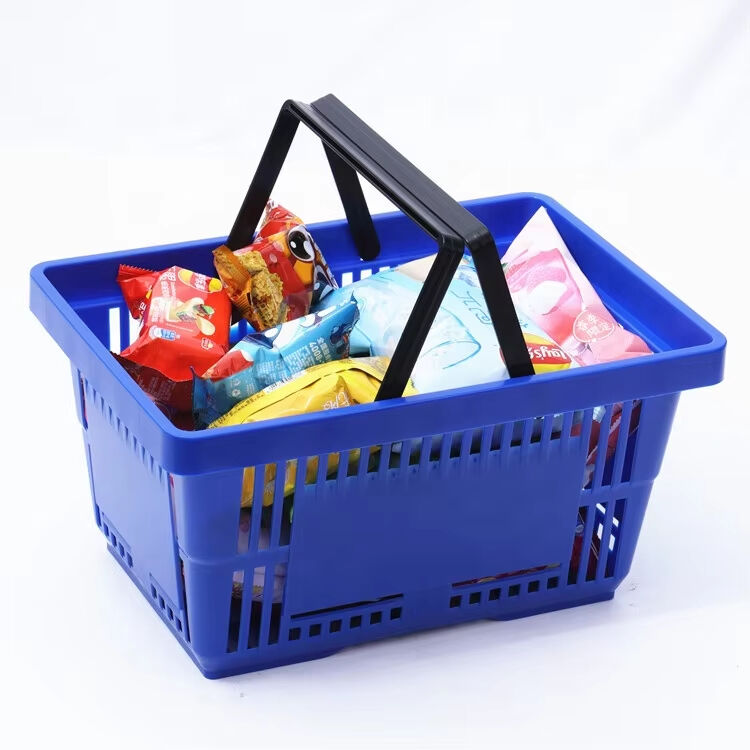
The question of whether shopping baskets can enhance customer flow efficiency in supermarket retail environments has become increasingly relevant as retailers seek to optimize their operations while improving customer satisfaction. Modern supermarket managers recognize that the design and implementation of shopping basket systems directly impacts how customers navigate through stores, affecting everything from checkout times to overall shopping experience. Understanding the relationship between shopping basket functionality and customer flow patterns provides crucial insights for retailers aiming to maximize operational efficiency while maintaining competitive advantage in today's dynamic retail landscape.
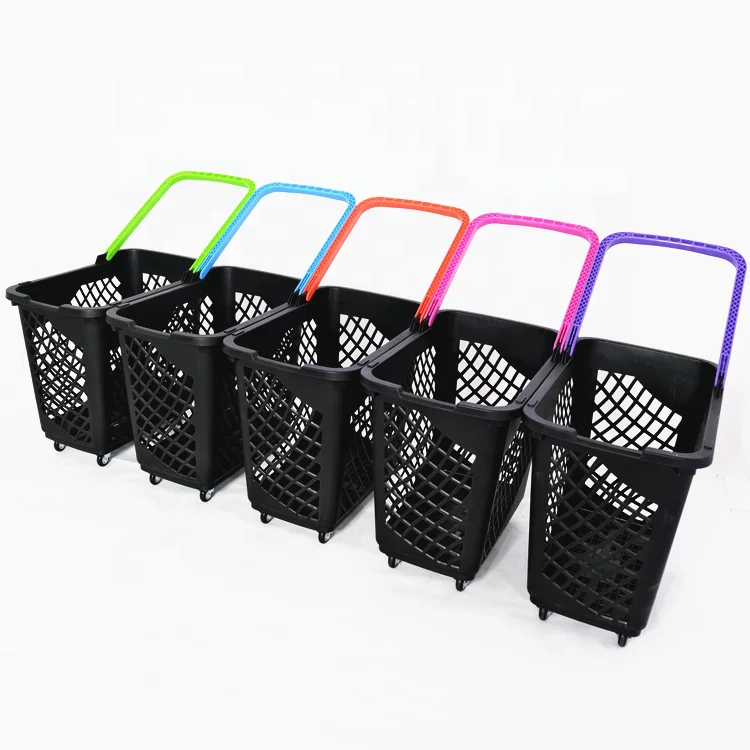
The evidence strongly supports that well-designed shopping basket systems can significantly enhance customer flow efficiency in supermarket environments. Strategic placement of shopping baskets, combined with optimal basket design features, creates measurable improvements in customer movement patterns, reduces bottlenecks at entry points, and streamlines the overall shopping process. Research in retail psychology demonstrates that when customers have immediate access to appropriately sized shopping baskets, they move more confidently through store layouts, make purchasing decisions more efficiently, and experience reduced stress during their shopping journey.
Impact of Shopping Basket Design on Customer Movement Patterns
Ergonomic Features That Facilitate Smooth Movement
The ergonomic design of shopping baskets plays a fundamental role in determining how efficiently customers move through supermarket spaces. Modern shopping basket designs incorporate lightweight materials that reduce customer fatigue while maintaining structural integrity for carrying various product types. Handle positioning and grip comfort directly influence how customers navigate narrow aisles and crowded areas, with well-designed handles enabling single-handed operation that leaves customers free to examine products with their other hand.
The incorporation of wheels or rolling mechanisms in shopping basket design represents a significant advancement in customer flow optimization. Wheeled shopping baskets reduce the physical strain associated with carrying heavy loads, allowing customers to move more quickly through store layouts without experiencing fatigue-related slowdowns. This design feature particularly benefits elderly customers and those with mobility considerations, ensuring that all customer demographics can maintain efficient movement patterns throughout their shopping experience.
Size Optimization for Different Shopping Missions
Strategic size variation in shopping basket offerings enables supermarkets to accommodate different customer shopping missions while maintaining optimal flow patterns. Quick-trip customers benefit from compact shopping baskets that allow rapid movement through express lanes and convenience sections, while family shoppers require larger capacity baskets that can accommodate bulk purchases without requiring multiple trips or basket exchanges mid-shopping.
The availability of multiple shopping basket sizes prevents overcrowding at checkout areas by ensuring customers select appropriate basket sizes for their intended purchases. This sizing strategy reduces instances where customers abandon overfilled small baskets for shopping carts mid-trip, which can create disruptions in customer flow patterns and increase dwell time in high-traffic areas of the store.
Strategic Placement and Accessibility Considerations
Entry Point Optimization
The strategic placement of shopping baskets at store entry points significantly influences initial customer flow patterns and sets the tone for efficient movement throughout the shopping experience. Multiple basket stations positioned at various entry points prevent customer clustering and reduce wait times during peak shopping periods. Research indicates that when shopping baskets are easily accessible within three steps of store entry, customers demonstrate more purposeful movement patterns and reduced hesitation behaviors.
Supermarkets that implement clear sight lines to shopping basket locations from entry points experience improved customer flow efficiency compared to stores where basket locations require customer searching or backtracking. The visual prominence of basket stations, combined with intuitive placement near natural traffic flow patterns, ensures that customers can quickly secure necessary shopping tools without disrupting the movement of other shoppers entering the store.
In-Store Replenishment and Distribution Points
Beyond entry point placement, the distribution of shopping basket availability throughout the store creates opportunities for continuous flow optimization. Secondary basket stations positioned near high-traffic areas such as produce sections or promotional displays allow customers to upgrade their shopping tools as their purchase decisions evolve, preventing the need for backtracking to store entrances.
The implementation of shopping basket collection and redistribution systems ensures consistent availability across all station points, preventing scenarios where customers must search for available baskets during their shopping journey. Staff-managed replenishment schedules that align with peak shopping periods maintain optimal basket availability and support sustained customer flow efficiency throughout operating hours.
Technology Integration and Smart Shopping Solutions
Digital Integration for Enhanced Navigation
Modern shopping basket systems increasingly incorporate technology features that directly enhance customer flow efficiency through improved navigation and product location assistance. Smart shopping baskets equipped with digital displays or mobile app integration provide customers with real-time store navigation assistance, reducing time spent searching for specific products and minimizing backtracking through store layouts.
The integration of shopping basket technology with store layout systems enables dynamic routing suggestions that guide customers through optimal paths based on their shopping lists and current store traffic patterns. This technological enhancement transforms the shopping basket from a simple carrying tool into an active component of flow optimization, providing personalized efficiency improvements for individual customer shopping missions.
Data Collection for Continuous Improvement
Advanced shopping basket systems equipped with sensor technology provide retailers with valuable data on customer movement patterns, dwell times, and shopping behavior analytics. This information enables continuous refinement of store layouts, product placement strategies, and basket distribution systems to further enhance customer flow efficiency over time.
The analysis of shopping basket usage patterns reveals insights into peak demand periods, preferred basket sizes for different product categories, and optimal placement strategies for various store sections. Retailers utilizing this data-driven approach to shopping basket management demonstrate measurably improved customer flow metrics and reduced operational inefficiencies compared to stores relying solely on traditional basket management approaches.
Operational Benefits and Staff Efficiency Improvements
Reduced Checkout Bottlenecks
Well-designed shopping basket systems contribute significantly to checkout efficiency by standardizing product presentation and enabling faster scanning processes. Shopping baskets with flat bottoms and open designs allow cashiers to quickly access products for scanning, reducing per-transaction processing time and minimizing queue lengths during peak periods. The consistent product organization enabled by appropriate basket design supports smoother checkout operations and improved customer satisfaction.
The implementation of shopping basket return systems near checkout areas facilitates efficient basket circulation while preventing accumulation of used baskets in checkout zones. This systematic approach to basket management ensures continuous availability of clean shopping baskets while maintaining clear pathways for customer movement through checkout and exit areas.
Staff Workflow Optimization
Strategic shopping basket management systems reduce staff time requirements for basket collection and redistribution activities, allowing personnel to focus on customer service and other value-added activities. Automated or semi-automated basket return systems minimize manual handling requirements while ensuring consistent basket availability across all station points throughout the store.
The standardization of shopping basket types and handling procedures enables efficient staff training and reduces confusion during peak operational periods. Clear protocols for basket maintenance, cleaning, and redistribution support consistent customer experience quality while optimizing staff productivity and operational efficiency.
Measuring and Monitoring Flow Efficiency Improvements
Key Performance Indicators for Basket-Related Flow Enhancement
Retailers implementing strategic shopping basket systems can measure flow efficiency improvements through various quantitative metrics including average customer dwell time, checkout processing speed, and customer satisfaction scores related to shopping convenience. These measurements provide concrete evidence of shopping basket impact on overall store operational efficiency and customer experience quality.
Advanced analytics systems track customer movement patterns before and after shopping basket optimization initiatives, revealing specific areas where flow improvements occur and identifying opportunities for further enhancement. Heat mapping technology combined with shopping basket usage data provides detailed insights into the relationship between basket availability and customer movement efficiency throughout different store zones.
Long-term Benefits and Return on Investment
The long-term benefits of optimized shopping basket systems extend beyond immediate flow improvements to include increased customer loyalty, higher average transaction values, and reduced operational costs associated with customer service issues. Customers who experience efficient shopping processes supported by well-designed shopping basket systems demonstrate higher likelihood of repeat visits and positive word-of-mouth recommendations.
Investment in quality shopping basket systems and strategic placement infrastructure typically generates positive returns through increased customer throughput capacity, reduced labor costs for basket management, and improved customer satisfaction metrics. The cumulative effect of these improvements creates sustainable competitive advantages for retailers committed to optimizing customer flow efficiency through thoughtful shopping basket implementation.
FAQ
How do shopping baskets specifically reduce customer congestion at store entrances?
Shopping baskets reduce entrance congestion by providing multiple access points that distribute customer flow across wider entry areas rather than creating single bottleneck points. Strategic placement of basket stations allows customers to quickly secure shopping tools without clustering, while clear visual access to basket locations prevents hesitation and searching behaviors that can slow entry flow patterns.
What basket features contribute most to improved customer movement through narrow store aisles?
Compact design profiles, smooth edges, and ergonomic handles contribute most significantly to improved aisle navigation, allowing customers to maneuver efficiently through narrow spaces without catching on displays or impeding other shoppers. Lightweight materials and balanced weight distribution enable single-handed operation, leaving customers free to examine products while maintaining smooth movement through crowded areas.
Can shopping basket placement strategies accommodate different peak shopping periods effectively?
Yes, flexible basket placement strategies using mobile stations and strategic repositioning based on traffic patterns can effectively accommodate varying peak periods. During high-traffic times, additional basket stations can be deployed near secondary entrances and popular departments, while off-peak periods allow for consolidated placement that maintains accessibility while reducing maintenance requirements.
How do wheeled shopping baskets impact overall store traffic flow compared to traditional handheld designs?
Wheeled shopping baskets significantly improve traffic flow by enabling faster customer movement through stores, particularly for customers carrying heavier loads who might otherwise move slowly or take frequent breaks. The reduced physical strain allows customers to maintain consistent walking speeds throughout their shopping journey, preventing the slowdowns and bottlenecks commonly associated with fatigue from carrying heavy traditional shopping baskets.
Table of Contents
- Impact of Shopping Basket Design on Customer Movement Patterns
- Strategic Placement and Accessibility Considerations
- Technology Integration and Smart Shopping Solutions
- Operational Benefits and Staff Efficiency Improvements
- Measuring and Monitoring Flow Efficiency Improvements
-
FAQ
- How do shopping baskets specifically reduce customer congestion at store entrances?
- What basket features contribute most to improved customer movement through narrow store aisles?
- Can shopping basket placement strategies accommodate different peak shopping periods effectively?
- How do wheeled shopping baskets impact overall store traffic flow compared to traditional handheld designs?