
 EN
EN
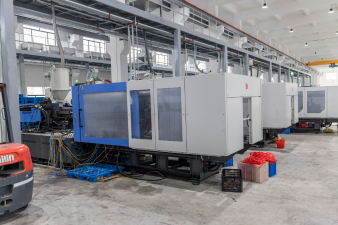
Modern businesses are increasingly recognizing the critical role that sustainable logistics solutions play in their environmental footprint and operational efficiency. The traditional wooden pallet system, while functional, presents numerous challenges including weight variability, moisture absorption, and limited recyclability. As companies strive to meet sustainability goals while maintaining cost-effective operations, the transition to eco-friendly alternatives has become a strategic imperative. Among these alternatives, the plastic pallet emerges as a revolutionary solution that combines durability, hygiene, and environmental responsibility in a single product offering.
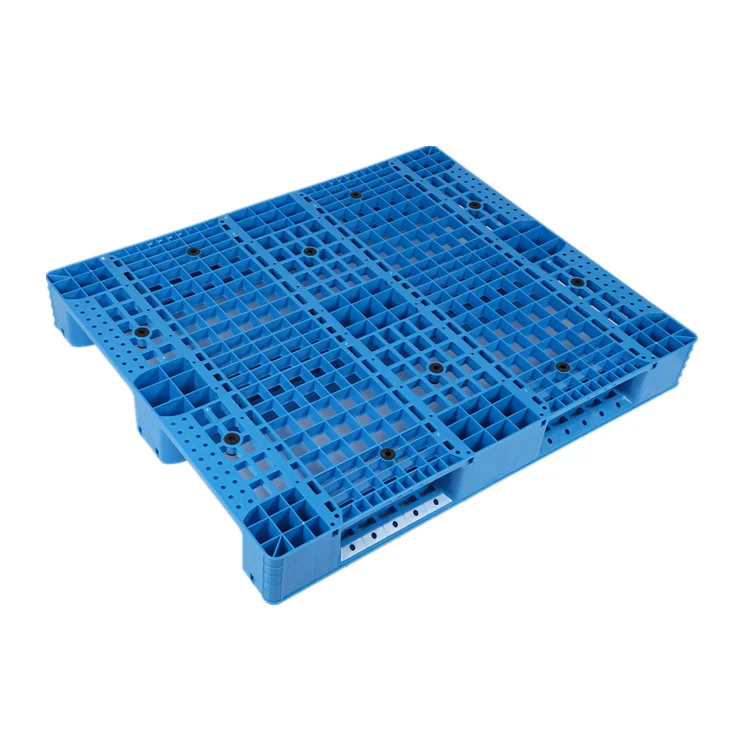
The shift toward sustainable supply chain management has accelerated dramatically over the past decade, driven by both regulatory pressures and consumer demand for environmentally responsible business practices. Organizations across industries are discovering that sustainable logistics solutions not only reduce environmental impact but also deliver significant operational advantages. The plastic pallet represents a paradigm shift in material handling, offering superior performance characteristics while supporting circular economy principles through its recyclable composition and extended lifecycle.
Environmental Benefits of Plastic Pallets
Reduced Deforestation Impact
The forestry industry faces mounting pressure as global demand for wooden pallets continues to strain natural forest resources. Traditional pallet manufacturing requires substantial timber harvesting, contributing to deforestation concerns worldwide. Each plastic pallet manufactured eliminates the need for approximately 3.5 board feet of lumber, representing a significant conservation opportunity when scaled across large operations. This reduction in wood consumption helps preserve forest ecosystems while maintaining essential biodiversity habitats.
Furthermore, the longevity advantage of plastic pallets amplifies their environmental benefits exponentially. While wooden pallets typically require replacement every 5-10 trips due to damage, contamination, or structural failure, high-quality plastic alternatives can withstand hundreds of cycles without degradation. This extended service life translates to dramatically reduced resource consumption over time, as fewer replacement units are needed to maintain operational continuity.
Circular Economy Integration
The circular economy model emphasizes resource efficiency through reuse, recycling, and regeneration principles that minimize waste generation. Plastic pallets exemplify this approach through their complete recyclability at end-of-life, enabling material recovery and reprocessing into new products. Advanced recycling technologies can break down worn plastic pallets into raw polymer materials, which are then reformed into new pallets or other plastic products, creating a closed-loop system that eliminates waste disposal concerns.
This circular approach extends beyond material recovery to encompass design optimization for sustainability. Modern plastic pallet manufacturers increasingly utilize recycled content in their production processes, incorporating post-consumer and post-industrial plastic waste into new pallet construction. This integration of recycled materials reduces demand for virgin plastics while providing productive applications for waste streams that might otherwise burden landfill systems.
Operational Advantages in Supply Chain Management
Consistency and Standardization
Supply chain efficiency depends heavily on standardization and predictability across all operational elements. Unlike wooden pallets, which exhibit natural variations in weight, dimensions, and structural properties, plastic pallets offer precise manufacturing tolerances and consistent performance characteristics. This uniformity eliminates the operational disruptions caused by pallet variability, enabling automated systems to function optimally and reducing the manual inspection requirements that wooden pallets often necessitate.
The dimensional stability of plastic pallets proves particularly valuable in high-volume automated warehousing environments where precision is critical. Automated guided vehicles, conveyor systems, and robotic handling equipment all benefit from the predictable dimensions and weight distribution that plastic pallet solutions provide. This consistency translates to reduced downtime, improved throughput rates, and enhanced operational reliability across the entire supply chain network.
Hygiene and Food Safety Compliance
Food and pharmaceutical industries face stringent hygiene requirements that wooden pallets struggle to meet consistently. The porous nature of wood creates harboring points for bacteria, moisture, and contaminants that can compromise product safety and regulatory compliance. Plastic pallets address these concerns through their non-porous surfaces that resist bacterial growth and facilitate thorough cleaning and sanitization protocols.
The washable nature of plastic pallets enables comprehensive decontamination procedures using standard cleaning agents and sanitizers. This capability proves essential for operations requiring strict hygiene standards, such as food processing facilities, pharmaceutical manufacturing, and healthcare supply chains. Regular washing and sanitization extend the service life of plastic pallets while ensuring consistent compliance with food safety regulations and quality assurance requirements.
Cost-Effectiveness Analysis
Total Cost of Ownership Benefits
While the initial purchase price of plastic pallets typically exceeds that of wooden alternatives, comprehensive total cost of ownership analysis reveals significant long-term economic advantages. The extended service life of plastic pallets, combined with reduced replacement frequency and lower maintenance requirements, generates substantial cost savings over operational lifecycles. These savings become particularly pronounced in high-turnover environments where pallet replacement costs can accumulate rapidly.
Additional cost benefits emerge through reduced product damage rates, as plastic pallets provide superior protection against moisture, splinters, and structural failure that commonly affect wooden alternatives. Lower damage rates translate to reduced product loss, fewer customer complaints, and improved brand reputation. The consistent performance characteristics of plastic pallets also enable more accurate inventory management and reduced safety stock requirements.
Labor and Handling Efficiency
The ergonomic advantages of plastic pallets contribute significantly to operational cost reduction through improved worker safety and productivity. The smooth, splinter-free surfaces eliminate the injury risks associated with wooden pallet handling, reducing workers' compensation claims and improving employee satisfaction. Additionally, the lighter weight of many plastic pallet designs reduces physical strain on workers during manual handling operations.
Maintenance labor requirements for plastic pallets are substantially lower than those for wooden alternatives. The non-degrading nature of plastic eliminates the need for regular inspection, repair, and replacement activities that wooden pallets demand. This reduction in maintenance overhead frees operational resources for more productive activities while ensuring consistent pallet availability for ongoing operations.
Technical Specifications and Performance Standards
Load Capacity and Structural Integrity
Modern plastic pallet engineering achieves remarkable load-bearing capabilities through advanced polymer formulations and optimized structural designs. High-density polyethylene and polypropylene compositions provide exceptional strength-to-weight ratios, enabling plastic pallets to support dynamic loads comparable to or exceeding wooden alternatives while maintaining lighter overall weight. Reinforcement ribs and strategic material distribution create load paths that maximize structural efficiency.
The fatigue resistance of plastic materials proves superior to wood in cyclic loading applications, where repeated loading and unloading cycles can cause gradual structural degradation in wooden pallets. Plastic pallets maintain their structural integrity through thousands of loading cycles, providing predictable performance throughout their extended service lives. This reliability proves crucial for automated systems that depend on consistent pallet behavior for optimal operation.
Environmental Resistance Properties
Plastic pallets demonstrate exceptional resistance to environmental factors that commonly compromise wooden pallet performance. Moisture exposure, which causes wooden pallets to warp, rot, and harbor microorganisms, has minimal impact on plastic alternatives. This moisture resistance enables plastic pallets to function effectively in humid environments, cold storage facilities, and outdoor applications where wooden pallets would quickly deteriorate.
Chemical resistance properties make plastic pallets suitable for applications involving exposure to cleaning agents, petroleum products, and industrial chemicals that would damage wooden alternatives. This chemical compatibility expands the application range for plastic pallets while ensuring long-term performance in challenging operational environments. UV stabilization additives protect against solar degradation, maintaining structural properties and appearance throughout extended outdoor exposure.
Implementation Strategies for Sustainable Transition
Gradual Migration Planning
Successful transition to plastic pallet systems requires careful planning and phased implementation to minimize operational disruption while maximizing benefits realization. Organizations should begin with pilot programs in specific operational areas to evaluate performance characteristics and identify optimization opportunities before expanding to full-scale deployment. This gradual approach enables staff training, system modifications, and process refinement without compromising ongoing operations.
The pilot phase should focus on high-impact applications where plastic pallet advantages are most pronounced, such as automated handling systems, hygiene-critical operations, or high-turnover environments. Data collection during pilot implementation provides quantitative evidence of performance improvements and cost benefits, supporting business case development for broader deployment initiatives.
Stakeholder Engagement and Training
Successful plastic pallet implementation requires comprehensive stakeholder engagement to ensure buy-in from operational staff, maintenance teams, and management personnel. Training programs should emphasize the handling differences between plastic and wooden pallets, highlighting safety improvements and operational advantages while addressing any concerns about change management. Clear communication of environmental benefits helps align implementation efforts with corporate sustainability objectives.
Vendor partnerships play crucial roles in successful implementation, providing technical support, training resources, and ongoing consultation throughout the transition process. Establishing relationships with reputable plastic pallet manufacturers ensures access to quality products, technical expertise, and long-term support for maintenance and replacement requirements. These partnerships facilitate smooth implementation while providing confidence in long-term supply chain reliability.
Future Trends and Innovation Opportunities
Advanced Material Technologies
Emerging material technologies promise to enhance plastic pallet performance while further improving environmental sustainability profiles. Bio-based plastics derived from renewable feedstocks offer potential alternatives to petroleum-based polymers, reducing carbon footprint while maintaining performance characteristics. Advanced recycling technologies enable higher percentages of recycled content in new pallet production, supporting circular economy objectives.
Nanotechnology integration presents opportunities for enhanced functionality through self-cleaning surfaces, antimicrobial properties, and improved structural performance. These advanced materials may enable plastic pallets to meet even more demanding operational requirements while providing additional value-added features that differentiate products in competitive markets.
Smart Pallet Integration
The integration of Internet of Things technology into plastic pallet designs creates opportunities for enhanced supply chain visibility and operational optimization. Embedded sensors can monitor load conditions, location tracking, and environmental exposure, providing valuable data for supply chain management and pallet lifecycle optimization. This connectivity enables predictive maintenance, improved asset utilization, and enhanced security throughout the supply chain network.
Smart pallet capabilities support advanced logistics applications including real-time inventory tracking, automated sorting systems, and condition monitoring for sensitive products. These technological enhancements position plastic pallets as integral components of Industry 4.0 initiatives, enabling data-driven decision making and operational optimization across complex supply chain networks.
FAQ
How do plastic pallets compare to wooden pallets in terms of environmental impact?
Plastic pallets offer significant environmental advantages over wooden alternatives through reduced deforestation impact, complete recyclability, and extended service life. While wooden pallets require tree harvesting and typically last only 5-10 trips, plastic pallets can be used hundreds of times and recycled into new products at end-of-life. The longer lifespan and recyclable nature of plastic pallets result in lower overall resource consumption and waste generation compared to wooden alternatives.
What are the main cost considerations when switching to plastic pallets?
While plastic pallets have higher initial purchase costs, their total cost of ownership is typically lower due to extended service life, reduced replacement frequency, and lower maintenance requirements. Additional cost benefits include reduced product damage, improved worker safety, and elimination of repair and inspection labor. Organizations should conduct comprehensive lifecycle cost analysis considering purchase price, replacement frequency, maintenance costs, and operational benefits to accurately assess the economic impact of transitioning to plastic pallets.
Are plastic pallets suitable for all types of supply chain operations?
Plastic pallets are suitable for most supply chain operations, particularly those requiring hygiene compliance, consistent dimensions, or automated handling systems. They excel in food and pharmaceutical applications, cold storage environments, and high-turnover operations. However, specific operational requirements such as load capacity, environmental conditions, and cost constraints should be evaluated to ensure plastic pallets meet particular application needs. Some specialized applications may still benefit from alternative pallet materials depending on specific performance requirements.
How can organizations ensure successful implementation of plastic pallet systems?
Successful plastic pallet implementation requires careful planning including pilot programs, staff training, and stakeholder engagement. Organizations should start with small-scale trials in high-impact areas to evaluate performance and identify optimization opportunities. Comprehensive training programs help staff understand handling differences and safety improvements. Establishing partnerships with reputable manufacturers provides technical support and ensures quality products. Gradual migration strategies minimize operational disruption while allowing time for process optimization and staff adaptation to new pallet systems.
Table of Contents
- Environmental Benefits of Plastic Pallets
- Operational Advantages in Supply Chain Management
- Cost-Effectiveness Analysis
- Technical Specifications and Performance Standards
- Implementation Strategies for Sustainable Transition
- Future Trends and Innovation Opportunities
-
FAQ
- How do plastic pallets compare to wooden pallets in terms of environmental impact?
- What are the main cost considerations when switching to plastic pallets?
- Are plastic pallets suitable for all types of supply chain operations?
- How can organizations ensure successful implementation of plastic pallet systems?