
 EN
EN
Shopping with children can be both enjoyable and challenging, especially when it comes to ensuring their safety while navigating busy retail environments. A child shopping cart represents an excellent solution for parents who want to engage their little ones in the shopping experience while maintaining control and safety. These specialized carts are designed with young shoppers in mind, offering a secure and entertaining way for children to participate in grocery runs and retail visits. Understanding the proper safety protocols and best practices when using these carts can transform your shopping trips from stressful ordeals into positive learning experiences for the entire family.
Understanding Child Shopping Cart Design Features
Safety Engineering and Construction
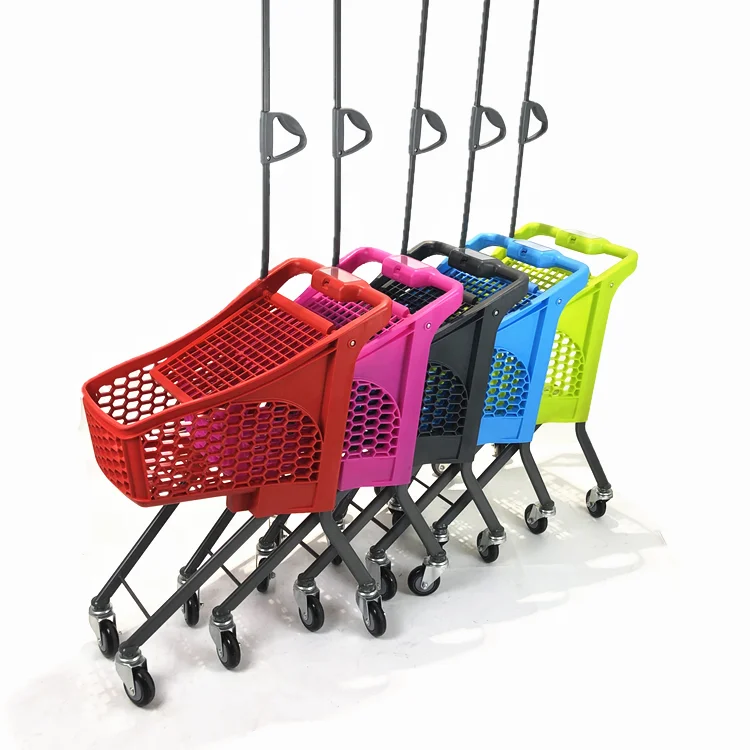
Modern child shopping cart designs incorporate numerous safety features that distinguish them from traditional adult carts. These specialized carts typically feature lower centers of gravity, wider wheelbase configurations, and rounded edges throughout their construction. The materials used are often lighter than standard metal carts while maintaining structural integrity, reducing the risk of injury if a collision occurs. Many models include safety straps or restraint systems that help keep children securely positioned during use.
The wheel systems on child-oriented carts are engineered differently as well, often featuring enhanced stability mechanisms and smoother rolling capabilities. This design consideration helps prevent sudden stops or unexpected movements that could cause children to lose balance. Additionally, the handle heights are adjusted to accommodate smaller statures, ensuring that children can maintain proper control without straining or overreaching.
Age-Appropriate Sizing and Capacity
Selecting the appropriate size child shopping cart is crucial for ensuring safe operation. Most manufacturers provide clear age and weight recommendations, typically designed for children between ages three and ten. The basket capacity is intentionally limited compared to adult carts, preventing overloading that could affect stability or maneuverability. This size limitation also teaches children about reasonable shopping expectations and helps them understand appropriate purchasing decisions.
The proportional design elements ensure that children can comfortably reach all areas of the cart without compromising their safety or the safety of others around them. Proper sizing also means that children can maintain visual contact with their surroundings, reducing the likelihood of collisions with displays, other shoppers, or obstacles throughout the store environment.
Pre-Shopping Safety Preparation
Establishing Clear Rules and Expectations
Before entering any retail environment with a child shopping cart, parents should establish clear behavioral expectations and safety rules. These guidelines should cover walking speed, staying within designated areas, and maintaining awareness of surrounding shoppers and obstacles. Children should understand that using their cart is a privilege that comes with responsibilities, including following parental instructions and store policies.
Discussing potential scenarios ahead of time helps children prepare for various situations they might encounter during the shopping trip. This preparation includes understanding how to stop safely, what to do if they become separated from parents, and how to handle interactions with store employees or other customers. Role-playing these scenarios at home can significantly improve compliance and safety during actual shopping excursions.
Physical Readiness Assessment
Parents should evaluate their child's physical readiness before allowing independent cart operation. This assessment includes checking the child's ability to reach and operate the cart handle comfortably, their understanding of directional control, and their capacity to stop the cart when needed. Children who appear tired, distracted, or unwell may not be suitable candidates for independent cart use during that particular shopping trip.
Additionally, parents should consider the shopping environment and duration of the planned trip. Longer shopping excursions or visits to particularly crowded stores may require more stringent supervision or potentially postponing the use of a child shopping cart until conditions are more favorable for safe operation.
Active Supervision Strategies
Maintaining Appropriate Distance
Effective supervision requires maintaining an optimal distance that allows children independence while ensuring immediate intervention capability when necessary. Parents should position themselves where they can observe their child's cart operation, surrounding traffic patterns, and potential hazards simultaneously. This positioning typically means staying within arm's reach in crowded areas while allowing slightly more distance in open, less congested store sections.
The supervision distance should adjust based on the child's experience level, the store layout, and current crowd conditions. Newer users require closer oversight, while experienced young shoppers may handle wider supervision distances effectively. However, parents should never allow their child to operate a cart completely out of sight, regardless of the child's experience or confidence level.
Communication and Guidance Techniques
Continuous communication helps maintain safety while allowing children to enjoy their shopping experience. Parents should provide gentle guidance about navigation choices, speed control, and awareness of other shoppers. This communication should be encouraging rather than constantly corrective, helping children build confidence while learning proper cart operation techniques.
Positive reinforcement for good cart handling behaviors encourages continued safe practices and makes the shopping experience more enjoyable for everyone involved. Parents can point out successful navigation moments, appropriate speed choices, or courteous interactions with other shoppers to reinforce these positive behaviors throughout the shopping trip.
Common Hazards and Prevention Methods
Store Layout Navigation Challenges
Retail environments present numerous navigation challenges that require specific attention when children are operating their own carts. Narrow aisles, end-cap displays, and promotional setups can create congestion points where collisions become more likely. Parents should scout these areas ahead of their children, providing verbal guidance about upcoming obstacles or suggesting alternative routes when possible.
Floor surface changes, such as transitions from hard flooring to carpet or from dry to wet areas, can affect cart stability and control. Teaching children to recognize and adjust for these surface changes helps prevent accidents and builds their overall awareness of environmental factors that influence safe cart operation.
Interaction with Other Shoppers
Managing interactions between children with carts and other shoppers requires proactive communication and positioning strategies. Parents should teach children to be aware of elderly shoppers, individuals with mobility aids, and families with infants who may require additional space or time to navigate store aisles. Understanding courtesy principles helps children become more considerate cart operators and better prepares them for future independent shopping experiences.
Peak shopping times present additional challenges, as increased customer density creates more opportunities for conflicts or accidents. During busy periods, parents may need to implement stricter supervision protocols or consider postponing cart use until store conditions become more manageable for safe child operation.
Emergency Response Procedures
Accident Prevention and Response
Despite careful preparation and supervision, accidents may still occur during child shopping cart use. Parents should understand basic first aid principles and know how to respond to common incidents such as collisions, falls, or minor injuries. Keeping a basic first aid kit accessible and knowing the location of store security or management can help address emergencies more effectively.
Teaching children how to respond to accidents or emergency situations builds their confidence and helps them make better decisions under pressure. This education includes knowing how to seek help, staying calm during incidents, and following parental instructions during stressful situations.
Store Policy Compliance
Different retail establishments may have varying policies regarding child cart use, and parents should familiarize themselves with these guidelines before beginning their shopping trip. Some stores may have age restrictions, designated areas for child cart use, or specific safety requirements that must be followed. Understanding and complying with these policies helps ensure a positive experience for all customers and maintains good relationships with retail staff.
When incidents do occur, parents should be prepared to work cooperatively with store management to address any concerns or resolve conflicts. This cooperation includes taking responsibility for any damages, addressing safety concerns raised by staff, and making adjustments to supervision strategies as needed.
Building Positive Shopping Experiences
Educational Opportunities
Using a child shopping cart creates numerous educational opportunities that extend beyond simple cart operation. Parents can incorporate lessons about budgeting, product comparison, nutrition, and decision-making into the shopping experience. These learning opportunities help justify the additional attention and supervision required while creating valuable life skill development moments.
Mathematical concepts such as counting, addition, and money management become practical applications when children participate actively in the shopping process. Reading skills improve as children help locate items, compare product labels, and understand store signage throughout their cart-assisted shopping journey.
Social Skill Development
Operating a child shopping cart in retail environments provides excellent social skill development opportunities. Children learn to interact politely with store employees, share space respectfully with other customers, and communicate their needs effectively in public settings. These interactions help build confidence and prepare children for future independent experiences in various social environments.
The responsibility of cart operation also teaches children about consequences, consideration for others, and the importance of following rules in shared spaces. These lessons contribute to overall character development and help children understand their role as responsible community members.
FAQ
What age is appropriate for children to start using their own shopping cart
Most children can begin using appropriately sized shopping carts around age three to four, provided they demonstrate sufficient physical coordination and the ability to follow basic safety instructions. However, readiness varies significantly among individual children, and parents should assess their child's specific capabilities rather than relying solely on age guidelines. Factors such as attention span, impulse control, and understanding of safety rules are more important indicators than chronological age alone.
How can parents ensure their child maintains control of the cart in crowded stores
Maintaining cart control in crowded environments requires enhanced supervision, clear communication, and strategic route planning. Parents should stay closer to their children during peak shopping times, choose wider aisles when possible, and be prepared to provide physical assistance when navigating particularly congested areas. Teaching children to stop and wait for guidance in crowded sections helps prevent accidents and maintains safety standards even during busy shopping periods.
Are there specific safety features parents should look for when selecting a child shopping cart
Key safety features include rounded edges throughout the construction, stable wheel configurations, appropriate size scaling for the intended age group, and smooth-operating mechanisms that won't catch fingers or clothing. Additional features such as safety straps, lower centers of gravity, and lighter-weight materials contribute to safer operation. Parents should also verify that any cart they consider meets relevant safety standards and has received positive reviews from other families with similar-aged children.
What should parents do if their child loses control of the cart or causes an accident
When accidents occur, parents should immediately ensure everyone's safety, provide appropriate first aid if needed, and cooperate fully with store management to address any concerns or damages. Taking responsibility for incidents, learning from mistakes, and adjusting supervision strategies for future trips demonstrates good parenting practices and helps maintain positive relationships with retail establishments. Using these experiences as teaching moments can help children understand consequences while building better decision-making skills for future shopping adventures.
Table of Contents
- Understanding Child Shopping Cart Design Features
- Pre-Shopping Safety Preparation
- Active Supervision Strategies
- Common Hazards and Prevention Methods
- Emergency Response Procedures
- Building Positive Shopping Experiences
-
FAQ
- What age is appropriate for children to start using their own shopping cart
- How can parents ensure their child maintains control of the cart in crowded stores
- Are there specific safety features parents should look for when selecting a child shopping cart
- What should parents do if their child loses control of the cart or causes an accident