
 EN
EN
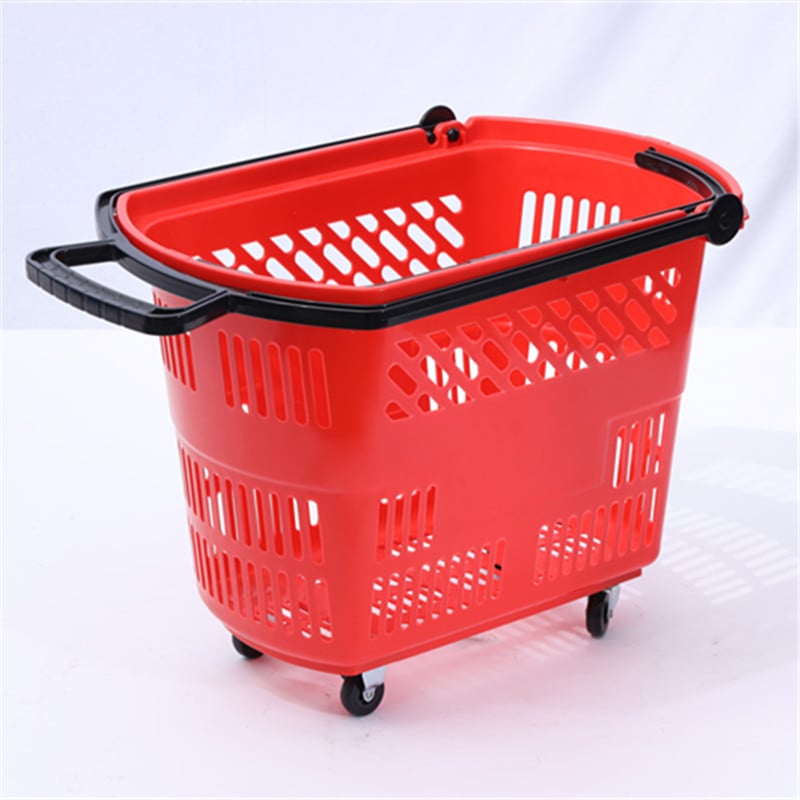
A child shopping cart transforms the way families navigate grocery stores and retail environments. When children have their own miniature shopping cart, they transition from passive passengers to active participants in the shopping process. This simple yet powerful tool creates meaningful engagement opportunities that benefit both parents and retailers, making the entire shopping journey more enjoyable and productive for everyone involved.
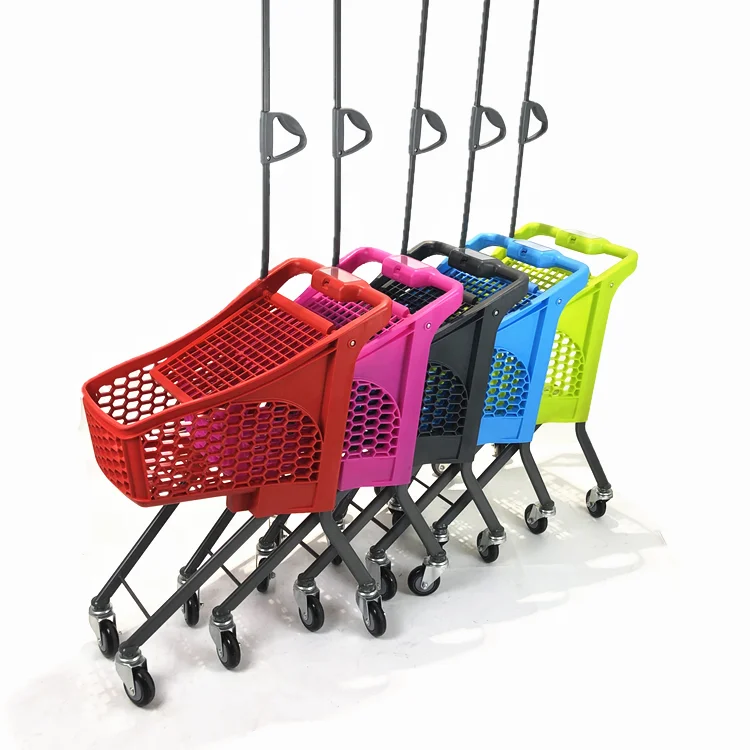
The introduction of a child shopping cart into family retail routines addresses a fundamental challenge that parents face during shopping trips. Young children often become restless, demanding, or distracted when confined to traditional cart seats or left to walk alongside parents without meaningful engagement. A dedicated child shopping cart gives children autonomy and purpose, allowing them to feel like active helpers rather than bystanders, which naturally reduces behavioral issues and creates a more positive shopping atmosphere.
Creating Engagement Through Active Participation
How a Child Shopping Cart Empowers Young Shoppers
When children have their own child shopping cart, they experience a sense of ownership and responsibility that mirrors adult shopping behavior. This psychological shift from passenger to participant encourages children to stay engaged throughout the shopping experience. Parents can assign age-appropriate items for their child to collect and place in their own child shopping cart, transforming routine errands into interactive learning opportunities. Children develop basic math skills by counting items, organizational skills by managing their cart contents, and decision-making abilities by selecting appropriate products for family meals.
Building Confidence and Independence
Using a child shopping cart builds confidence in young children as they navigate store environments independently while remaining supervised by parents. The manageable size of a child shopping cart empowers children to push their own cart without requiring adult assistance, fostering a growing sense of independence. As children successfully complete shopping tasks with their child shopping cart, they develop self-assurance and a positive attitude toward shopping activities. This early confidence carries forward into their teenage years and beyond, shaping how they approach retail environments and consumer decision-making as young adults.
Practical Benefits for Parents and Retailers
Reducing Shopping Time and Stress
Parents consistently report that shopping trips become significantly more efficient when children have a child shopping cart to use. Rather than managing a restless child while trying to locate items and compare prices, parents can focus on their shopping list while their child remains productively occupied with their own child shopping cart. The reduction in behavioral disruptions means shorter checkout times, fewer complaints about leaving the store, and a marked decrease in parental stress levels. A well-designed child shopping cart effectively prevents the common scenario where parents must cut shopping trips short due to children's frustration or exhaustion, allowing families to complete their full shopping needs in one visit.
Encouraging Positive Retail Behaviors
Retailers recognize that the presence of child shopping cart options significantly impacts store traffic and customer satisfaction metrics. When children are engaged and happy, parents spend more time in the store and return more frequently with their families. A child shopping cart also teaches children valuable lessons about consumer behavior, product selection, and budgeting concepts in a natural, hands-on environment. Stores that provide quality child shopping cart facilities often see increased customer loyalty, as parents appreciate the family-friendly amenities. The investment in child shopping cart availability becomes a competitive advantage for retailers seeking to attract households with young children.
Enhanced Learning and Development Through Shopping
Educational Value of Shopping with a Child Shopping Cart
A child shopping cart creates an educational platform where children learn practical life skills in a real-world context. Parents can use shopping trips as teaching moments, explaining nutrition, discussing product ingredients, or comparing prices while their child participates with their own child shopping cart. Language development naturally occurs as children interact with store staff, read product labels, and discuss items they select for their child shopping cart. The repetition of regular shopping routines with a child shopping cart helps children develop vocabulary, understand sequences, and recognize patterns, all while feeling accomplished and included in family activities.
Social Skills Development in Retail Environments
Shopping with a child shopping cart teaches children important social skills such as waiting in line, navigating crowded aisles, and respecting personal boundaries of other shoppers. When children have their own child shopping cart to manage, they learn spatial awareness and how to move through shared spaces considerate of others. Interactions with store employees become natural learning opportunities, helping children develop communication skills and appropriate behavior in public settings. These social experiences accumulated through regular use of a child shopping cart prepare children for more complex retail and community environments they will encounter throughout their lives.
Selecting and Maximizing Your Child Shopping Cart
Key Features of Effective Child Shopping Carts
The most effective child shopping cart models combine durability, appropriate scale, and easy maneuverability for young users. A quality child shopping cart should have smooth-rolling wheels that respond to light pushing without requiring excessive force from small hands. The basket capacity of a child shopping cart must be sized appropriately so that children can view and access their collected items easily. Handles on a child shopping cart should reach comfortable height for the intended age group, typically between two and six feet tall. Safety features including rounded corners, stable construction, and non-toxic materials are essential in any child shopping cart selection.
Tips for Integrating Child Shopping Carts Into Family Routines
Successful integration of a child shopping cart into family shopping routines begins with establishing clear expectations and guidelines for its use. Parents should involve children in planning which items will go in their child shopping cart before entering the store, making the experience feel purposeful and organized. Setting reasonable limits, such as allowing children to select a certain number of items for their child shopping cart, helps maintain focus and prevents overwhelming situations. Regular use of a child shopping cart allows children to develop familiarity and comfort with the process, making each shopping trip progressively easier and more enjoyable for the entire family.
FAQ
At what age should children start using a child shopping cart?
Children as young as three years old can begin using a appropriately-sized child shopping cart, though ages four to eight represent the ideal demographic when interest and capability align best. At this age range, children possess sufficient motor control to push a child shopping cart safely and maintain engagement throughout typical shopping trips. Younger toddlers may lack the coordination to manage a child shopping cart effectively, while older children approaching ten may view a child shopping cart as beneath their developmental stage. Parents should assess their individual child's size, strength, and maturity level when determining readiness for using a child shopping cart.
How does a child shopping cart prevent behavioral problems during shopping?
A child shopping cart prevents behavioral problems by providing children with meaningful engagement and a sense of purpose during store visits. When children have their own child shopping cart to manage, they experience autonomy and responsibility that naturally channel their energy into productive activities. The psychological satisfaction of contributing to family shopping and the physical engagement of pushing a child shopping cart reduces boredom-related misbehavior. Additionally, a child shopping cart creates clear boundaries and expectations, helping children understand their role during shopping trips and reducing conflicts that arise from unclear parent-child interactions in retail environments.
What should parents look for when choosing a quality child shopping cart?
Parents should prioritize durability, safety, and age-appropriate sizing when selecting a child shopping cart for their family. Look for a child shopping cart constructed from sturdy materials like reinforced plastic that withstands regular use without cracking or breaking. The wheel mechanism of a child shopping cart should roll smoothly without squeaking or jamming, and the handle should position comfortably for your child's height. Safety certifications and non-toxic materials are important indicators of a well-designed child shopping cart. Finally, consider the basket capacity of your child shopping cart carefully, ensuring it allows children to see and access their items without becoming too heavy or difficult to maneuver.