
 EN
EN
Young shoppers represent a significant opportunity for retail businesses seeking to build long-term customer loyalty and increase store engagement. A child shopping cart transforms the shopping experience for children, turning what might otherwise be a passive visit into an interactive and memorable activity. When children feel involved and empowered during shopping trips, they develop positive associations with the retail environment, directly influencing their future shopping behaviors and family purchasing patterns. This engagement strategy addresses a fundamental retail challenge: how to keep young customers entertained, engaged, and emotionally connected to the store experience.
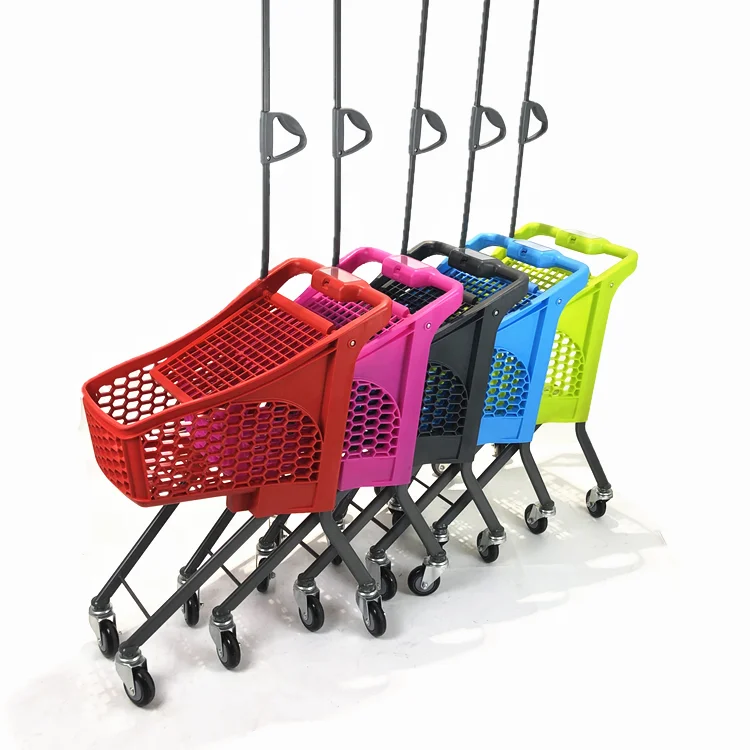
The primary benefit of introducing a child shopping cart into your retail environment lies in its dual impact: it simultaneously enhances the shopping experience for young customers and reduces friction for parents managing their children during store visits. A properly designed child shopping cart encourages independent exploration, decision-making participation, and active engagement with products, rather than passive accompaniment. Research into retail psychology consistently demonstrates that children who actively participate in shopping activities develop stronger brand preferences and exhibit higher rates of repeat visits with their parents.
How Child Shopping Carts Drive Customer Engagement
Creating Interactive Shopping Experiences Through Child Shopping Carts
A child shopping cart fundamentally changes the dynamics of parent-child shopping interactions. Instead of children trailing behind parents or sitting passively in a standard cart seat, a child shopping cart enables young shoppers to actively participate in product selection, transportation, and decision-making. This participatory approach transforms shopping from a chore into an adventure, increasing the time children spend engaged with the retail environment. When children push their own child shopping cart, they experience a sense of autonomy and control that significantly boosts their emotional investment in the shopping experience.
The psychological impact of a dedicated child shopping cart extends beyond the immediate shopping trip. Children who use a child shopping cart develop early shopping skills, learn product categories, and practice decision-making in a low-pressure environment. These experiences create positive neural associations with retail spaces, increasing the likelihood of future store visits and customer lifetime value. The child shopping cart essentially serves as an educational tool that builds retail literacy while keeping young shoppers entertained and occupied.
Building Loyalty and Repeat Store Visits with Child Shopping Carts
Families with young children make purchasing decisions based partly on whether retail environments accommodate and engage their kids. By providing a child shopping cart, your store sends a clear message that it values and understands the needs of families. This customer-centric approach directly influences parent satisfaction and store selection decisions. When parents see their children excited to visit a store because a child shopping cart awaits them, repeat visit frequency increases measurably. The emotional connection established through a child shopping cart experience often outweighs price differences or minor convenience factors in store selection decisions.
Long-term customer loyalty emerges from early positive experiences. Children who use a child shopping cart at your store during their formative years develop brand affinity that can persist into adulthood. Parents recognize this benefit and deliberately choose retailers offering a child shopping cart specifically because it enhances their shopping experience and keeps their children engaged. This creates a sustainable competitive advantage that extends far beyond the immediate transaction value.
Practical Implementation Benefits of Child Shopping Carts
Reducing Behavioral Challenges and Parental Stress
One of the most immediate benefits retail managers observe when introducing a child shopping cart is the reduction in behavioral disruptions and parental stress during shopping trips. Children who feel occupied and engaged through use of a child shopping cart exhibit fewer behavioral issues, tantrums, and requests for impulse purchases. Parents report significantly improved shopping experiences when their children have a child shopping cart to focus on, allowing them to shop more efficiently and make more deliberate purchasing decisions. This reduced friction creates positive associations with your store that influence future visit decisions.
The presence of a child shopping cart also extends average shopping duration, as families feel less pressure to rush through purchases. When children are happily occupied with a child shopping cart, parents spend more time browsing, considering purchases, and exploring product sections they might otherwise skip. Longer dwell times correlate directly with higher basket sizes and increased customer spending, making the child shopping cart investment financially justified through increased transaction values.
Designing Effective Child Shopping Cart Strategies for Different Retail Formats
Successful implementation of a child shopping cart program requires thoughtful consideration of your specific retail format and target demographic. Supermarkets, grocery stores, and family-oriented retailers benefit most from providing a child shopping cart in sufficient quantity to meet peak-demand periods. The size, design, and durability of your child shopping cart selection should match your customer base and store layout. Specialty retailers focused on family shopping should emphasize child shopping cart availability in marketing materials, as this amenity directly influences store selection decisions among parent shoppers.
The financial return on child shopping cart investment becomes apparent through improved customer metrics: increased store visits, higher transaction values, extended shopping duration, and enhanced customer satisfaction ratings. Retailers who prioritize child shopping cart availability often report improved online reviews and word-of-mouth recommendations from families. The competitive differentiation provided by a well-maintained fleet of child shopping cart options justifies capital investment, training requirements, and ongoing maintenance commitments.
Measuring Engagement Success with Child Shopping Carts
Key Metrics for Child Shopping Cart Program Performance
Quantifying the impact of your child shopping cart initiative requires tracking specific engagement and financial metrics. Monitor the frequency of child shopping cart usage during peak and off-peak periods to understand demand patterns and inform inventory decisions. Track customer satisfaction ratings specifically mentioning the child shopping cart amenity to validate program value. Analyze shopping patterns of families using a child shopping cart versus those without one to quantify basket size differences and visit frequency improvements. These data points directly demonstrate the return on investment from your child shopping cart program.
Beyond numerical metrics, qualitative feedback from parents and children provides crucial insights into child shopping cart program effectiveness. Conduct brief surveys asking families about their child shopping cart experience, whether the child shopping cart influenced their store selection decision, and whether they would recommend your store based partly on child shopping cart availability. This feedback informs optimization decisions and demonstrates the emotional value of your child shopping cart investment to stakeholders and leadership teams.
Optimizing Child Shopping Cart Programs for Maximum Impact
Continuous improvement of your child shopping cart program ensures sustained engagement benefits and customer satisfaction. Regularly maintain and inspect each child shopping cart to ensure safety, functionality, and appealing condition. Replace or repair damaged child shopping cart units promptly, as a broken or unsafe child shopping cart damages customer perception more severely than not offering one at all. Maintain adequate inventory of child shopping cart options during peak shopping periods to ensure availability when demand is highest. Consider seasonal variations in child shopping cart demand and plan procurement accordingly.
Staff training plays a crucial role in child shopping cart program success. Train employees to actively offer child shopping cart options to families with young children at store entry points. Ensure staff understand basic safety guidelines related to child shopping cart use and can address concerns or questions promptly. Some retailers integrate child shopping cart promotion into their customer service scripts and greeting protocols, creating natural touchpoints for explaining this valuable amenity to new or infrequent shoppers.
FAQ
Can a child shopping cart really increase store visits and customer loyalty?
Yes, a child shopping cart significantly influences store selection decisions and visit frequency among families with young children. When children associate positive experiences with using a child shopping cart at your store, they develop brand affinity that extends into adulthood. Parents deliberately choose retailers offering a child shopping cart amenity because it improves their shopping experience and keeps their children engaged and occupied during visits.
What age range benefits most from using a child shopping cart?
A child shopping cart typically benefits children aged 2 to 8 years old most significantly, though some older children and toddlers enjoy using them as well. The design of your child shopping cart should accommodate multiple height ranges and physical capabilities to serve the widest possible user base. Many retailers offer both smaller and standard-sized child shopping cart options to accommodate different age groups and developmental stages.
How does a child shopping cart impact store operations and maintenance requirements?
Providing a child shopping cart fleet requires regular maintenance, cleaning, and safety inspections to ensure proper functionality and customer safety. Budget for periodic repairs and replacement of damaged child shopping cart units, as regular use naturally causes wear. Implement a system for tracking child shopping cart inventory, cleaning schedules, and maintenance logs to ensure consistent availability and quality standards. Despite these operational requirements, the increased customer engagement and financial benefits typically justify the maintenance investments required for successful child shopping cart programs.