
 EN
EN
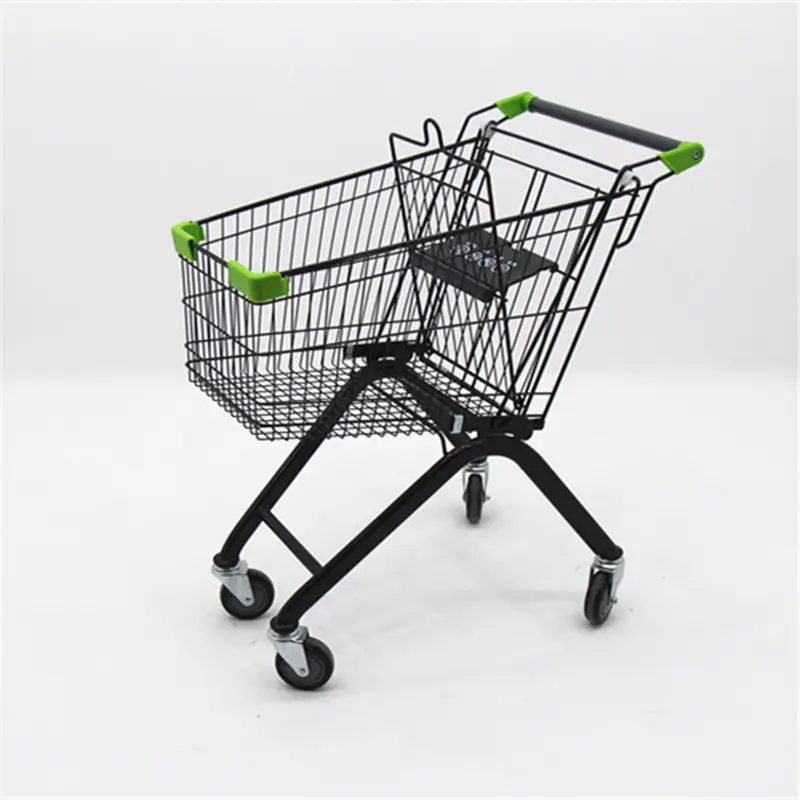
Retail environments have evolved significantly to accommodate families with children, recognizing that creating a positive shopping experience for parents and their young ones directly impacts customer satisfaction and loyalty. The introduction of specialized child shopping cart solutions has revolutionized how families navigate stores, transforming what was once a challenging experience into an engaging and safe activity. These innovative retail tools address the fundamental need for child-friendly shopping experiences while maintaining operational efficiency for retailers. Modern child shopping cart designs prioritize safety, durability, and entertainment value, creating an environment where children can participate actively in the shopping process. The strategic implementation of these specialized carts reflects a broader understanding of family dynamics in retail spaces and the importance of inclusive design principles.
Enhanced Safety Features in Modern Child Shopping Cart Design
Structural Safety Innovations
Contemporary child shopping cart designs incorporate multiple layers of safety features that address common concerns parents have when shopping with young children. The structural integrity of these carts includes reinforced frames, rounded edges, and non-slip surfaces that minimize the risk of accidents during use. Advanced safety mechanisms such as secure seating areas with proper restraint systems ensure that children remain safely positioned throughout the shopping experience. The weight distribution in these carts is carefully engineered to prevent tipping, even when children shift their weight or lean in different directions. Material selection plays a crucial role in safety, with manufacturers choosing non-toxic, durable plastics and metals that can withstand regular use while maintaining their protective properties.
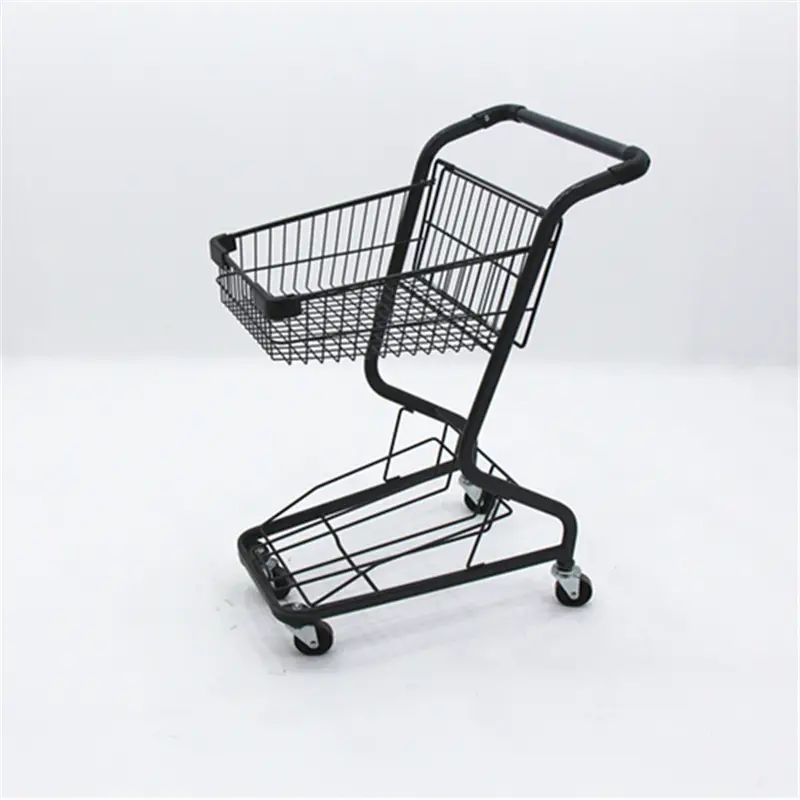
The ergonomic design of a well-constructed child shopping cart extends beyond basic safety to include features that protect both children and other shoppers in the retail environment. Height specifications are carefully calculated to ensure visibility for both the child user and adult supervisors, reducing the likelihood of collisions or accidents in busy store aisles. Safety testing protocols for these specialized carts often exceed standard retail equipment requirements, reflecting the unique responsibilities associated with child-focused products. The integration of bright colors and reflective elements not only appeals to children but also enhances visibility in crowded retail spaces, contributing to overall safety awareness.
Protective Design Elements
Advanced child shopping cart models feature comprehensive protective elements that create a secure environment for young users while maintaining functionality for the shopping process. Soft-touch materials on contact surfaces prevent injuries from sharp edges or rough textures that might be found on traditional shopping equipment. The incorporation of safety barriers and containment features ensures that children remain within the designated safe zone of the cart without feeling restricted or confined. These protective measures are designed to be intuitive for children to understand and for parents to monitor effectively.
The development of impact-resistant materials and shock-absorbing components represents a significant advancement in child shopping cart safety technology. These features protect against minor collisions and provide cushioning during normal use, reducing the stress and worry that parents often experience when shopping with active children. Quality control measures in manufacturing ensure that every protective element meets rigorous safety standards before reaching retail environments. The longevity of these safety features is crucial, as they must maintain their protective properties despite frequent use and regular cleaning protocols required in retail settings.
Comfort Enhancements for Young Shoppers
Ergonomic Seating and Positioning
The comfort aspect of child shopping cart design focuses primarily on creating an enjoyable seating experience that accommodates children of various ages and sizes. Ergonomic seating arrangements provide proper support for developing postures while allowing freedom of movement within safe parameters. The padding and cushioning systems used in quality child shopping carts are selected for both comfort and hygiene, featuring materials that are easy to clean and maintain while providing adequate support for extended shopping trips. Temperature regulation considerations ensure that seating surfaces remain comfortable regardless of store climate conditions.
Adjustable features in premium child shopping cart models allow for customization based on individual child needs and preferences. This adaptability ensures that the cart remains comfortable and functional as children grow, providing long-term value for retail establishments. The positioning of foot rests, back support, and arm rests is carefully calibrated to promote healthy posture and reduce fatigue during longer shopping excursions. Ventilation considerations in seating design prevent discomfort from extended use while maintaining the structural integrity necessary for safety compliance.
Interactive and Entertainment Features
Modern child shopping cart designs increasingly incorporate interactive elements that transform the shopping experience into an engaging activity for young users. These entertainment features serve the dual purpose of keeping children occupied and content while allowing parents to focus on their shopping tasks with reduced stress and distraction. The integration of age-appropriate activities and toys into the cart design creates a mobile play environment that moves seamlessly through the retail space. Educational elements embedded in these interactive features can enhance the developmental value of the shopping experience.
The balance between entertainment value and practical functionality requires careful consideration in child shopping cart development. Interactive features must be durable enough to withstand frequent use while remaining engaging over time. Sound levels and activity types are selected to be appropriate for retail environments, ensuring that entertainment features enhance rather than disrupt the shopping atmosphere. The maintenance and cleaning requirements for interactive elements are designed to be manageable for retail staff while preserving the engaging qualities that make these carts appealing to children.
Operational Benefits for Retail Establishments
Customer Satisfaction and Retention
The implementation of child shopping cart programs in retail spaces directly contributes to improved customer satisfaction scores and increased family loyalty to the brand. When parents can shop comfortably knowing their children are safe and entertained, they tend to spend more time in the store and make more thorough purchasing decisions. This enhanced shopping experience often translates into higher transaction values and more frequent return visits. The positive association families develop with retailers who provide thoughtful amenities like specialized shopping carts creates lasting brand loyalty that extends beyond immediate purchase decisions.
Market research consistently demonstrates that family-friendly retail features, including quality child shopping cart options, influence store selection decisions for parents with young children. The competitive advantage gained through superior family amenities can differentiate a retail establishment in crowded markets where product selection and pricing may be similar across competitors. Customer feedback regarding child shopping cart availability and quality often appears in online reviews and recommendations, extending the marketing value of these investments beyond the immediate store environment.
Staff Efficiency and Store Operations
The integration of well-designed child shopping cart systems can significantly improve operational efficiency by reducing the number of incidents and disruptions that require staff intervention. When children are safely contained and entertained in appropriate carts, there are fewer instances of merchandise handling by unsupervised young hands, reducing potential damage and loss. The structured movement patterns created by child shopping cart use help maintain more organized traffic flow in store aisles, contributing to overall operational smoothness during peak shopping periods.
Staff training requirements for child shopping cart maintenance and safety protocols are typically straightforward, making implementation manageable for retail teams. The durability and reliability of quality child shopping cart models reduce maintenance costs and replacement frequency compared to makeshift solutions or adapted adult carts. Inventory management for these specialized carts requires consideration of peak usage times and seasonal demand patterns, but the operational benefits generally justify the investment in adequate quantities to meet customer needs.
Design Considerations for Different Retail Environments
Space Optimization and Maneuverability
The physical design of child shopping cart models must accommodate the specific spatial constraints and layout characteristics of different retail environments. Compact designs that maintain safety and comfort while fitting through standard aisle widths are essential for implementation in existing store layouts. The turning radius and overall maneuverability of these carts affect their practical usability in crowded or narrow retail spaces. Storage considerations for child shopping cart fleets require designated areas that are accessible to customers while not interfering with regular store operations and traffic patterns.
Scalability in child shopping cart design allows retailers to adapt their offerings based on store size, customer demographics, and operational requirements. Modular design approaches enable customization of features and capacity while maintaining core safety and comfort principles. The integration of these specialized carts with existing shopping cart return systems and maintenance protocols ensures seamless operational incorporation. Weight distribution and material selection impact both the ease of handling for customers and the efficiency of collection and redistribution processes for retail staff.
Aesthetic Integration and Brand Alignment
The visual design of child shopping cart options should complement the overall aesthetic and brand identity of the retail environment while maintaining their functional and safety priorities. Color schemes, graphics, and design elements can be customized to align with store branding while preserving the appealing qualities that attract young users. The balance between visual appeal and professional retail appearance requires careful consideration to ensure that child shopping cart additions enhance rather than detract from the shopping environment's overall atmosphere.
Consistency in design language across different child shopping cart models within a single retail environment creates a cohesive customer experience while allowing for variety in features and capacity. The integration of seasonal or promotional elements into child shopping cart design can enhance marketing opportunities while maintaining core functionality. Quality standards for appearance and finish must account for the high-visibility nature of these carts and their role in shaping customer perceptions of the retail brand's attention to family needs.
Maintenance and Longevity Considerations
Durability Requirements and Material Selection
The demanding environment of retail use requires child shopping cart construction to prioritize durability and resilience while maintaining safety and comfort features over extended periods. Material selection focuses on compounds and finishes that can withstand frequent cleaning, sanitization, and the wear patterns associated with active child use. The joints, connections, and moving parts in quality child shopping cart designs are engineered to maintain their functionality despite the stress of daily retail operations and the unpredictable forces applied by young users.
Resistance to common retail environment challenges such as temperature fluctuations, cleaning chemicals, and accidental impacts is built into the fundamental design specifications for professional-grade child shopping cart models. The expected lifespan of these specialized carts typically exceeds that of standard shopping equipment due to their more robust construction requirements. Regular inspection and maintenance protocols are simplified through design choices that prioritize accessibility to key components and clear indicators of wear or potential safety concerns.
Cleaning and Sanitization Protocols
The hygienic maintenance of child shopping cart fleets requires consideration of both standard retail cleaning practices and the enhanced sanitization needs associated with items used by young children. Surface materials and construction techniques are selected to facilitate thorough cleaning without degrading the safety or comfort features over time. The integration of antimicrobial treatments or materials can provide additional protection while reducing the frequency and intensity of required cleaning interventions.
Removable components and easily accessible surfaces in child shopping cart design support efficient cleaning protocols that can be incorporated into existing retail maintenance schedules. The development of cleaning procedures specific to child shopping cart requirements ensures that hygiene standards are maintained without compromising the longevity or functionality of the equipment. Staff training for proper sanitization techniques and inspection procedures helps maintain both safety standards and the positive customer experience associated with well-maintained child shopping cart options.
FAQ
What age range is appropriate for child shopping cart use?
Most child shopping cart designs accommodate children from approximately 6 months to 5 years old, with specific weight and height limits varying by model. The seating and safety features are designed to provide appropriate support and containment for children who can sit upright independently but may not yet have the attention span or physical ability to walk through an entire shopping trip. Parents should always supervise children using these carts and follow manufacturer guidelines for age and size recommendations to ensure safe usage.
How do retailers determine the right number of child shopping carts for their store?
The optimal quantity of child shopping cart inventory depends on factors such as customer demographics, store size, peak shopping hours, and seasonal patterns. Most retailers start with a ratio of approximately one child shopping cart for every 10-15 standard carts, adjusting based on observed demand patterns and customer feedback. Tracking usage data and monitoring customer wait times or requests can help retailers optimize their child shopping cart fleet size to meet demand without excessive inventory costs.
What maintenance is required to keep child shopping carts safe and functional?
Regular maintenance for child shopping cart fleets includes daily cleaning and sanitization, weekly safety inspections of moving parts and restraint systems, and periodic deep cleaning of all surfaces and components. Staff should be trained to identify signs of wear, damage, or potential safety issues that require immediate attention or cart removal from service. Professional maintenance or replacement schedules should be established based on manufacturer recommendations and observed wear patterns in the specific retail environment.
Can child shopping carts be customized for specific retail brand requirements?
Many manufacturers offer customization options for child shopping cart designs, including color schemes, logo placement, and specific feature modifications to align with brand identity and operational needs. Customization possibilities may include educational elements, interactive features, or aesthetic details that complement the retail environment while maintaining core safety and functionality standards. Retailers should work with experienced suppliers who understand both customization capabilities and regulatory compliance requirements for specialized shopping equipment.
Table of Contents
- Enhanced Safety Features in Modern Child Shopping Cart Design
- Comfort Enhancements for Young Shoppers
- Operational Benefits for Retail Establishments
- Design Considerations for Different Retail Environments
- Maintenance and Longevity Considerations
-
FAQ
- What age range is appropriate for child shopping cart use?
- How do retailers determine the right number of child shopping carts for their store?
- What maintenance is required to keep child shopping carts safe and functional?
- Can child shopping carts be customized for specific retail brand requirements?