
 EN
EN
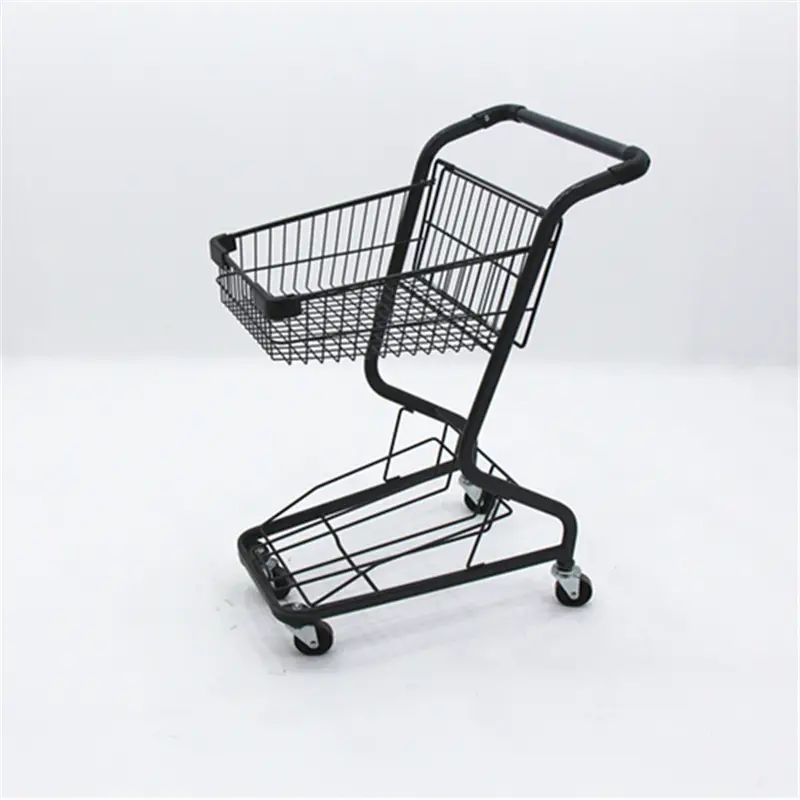
Selecting the right child shopping cart for your retail store requires careful consideration of multiple design elements that impact both safety and customer experience. Modern parents increasingly seek shopping environments that accommodate their children while maintaining efficiency and safety standards. The demand for child-friendly shopping solutions has grown significantly, with retailers recognizing that providing appropriate child shopping cart options can enhance customer satisfaction and encourage longer shopping visits. Understanding the key design features will help store owners make informed decisions that benefit both their business operations and customer families.
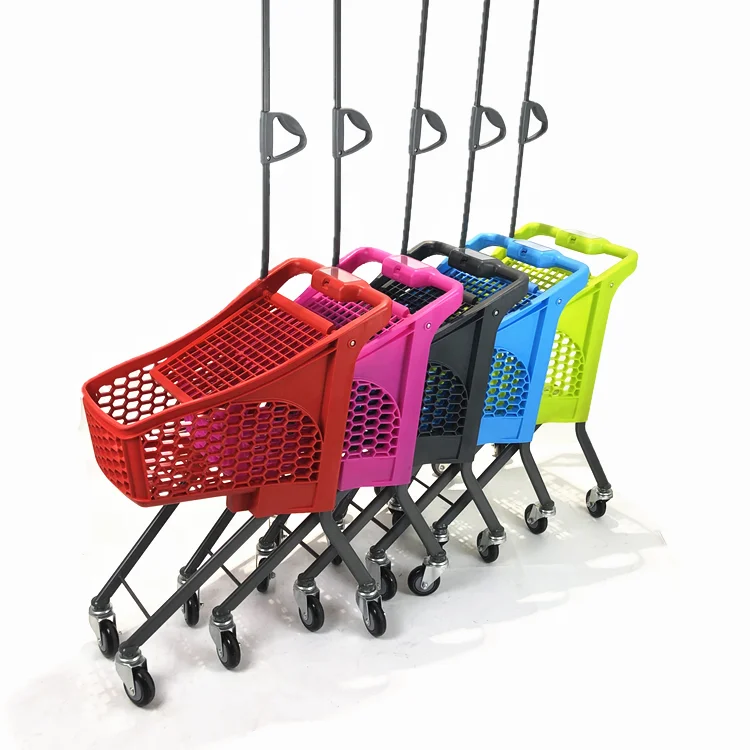
Safety Features and Construction Standards
Material Quality and Durability
The foundation of any effective child shopping cart lies in its construction materials and overall durability. High-quality plastic construction offers several advantages over traditional metal alternatives, including lighter weight, resistance to corrosion, and smoother surfaces that reduce injury risks. When evaluating material quality, retailers should prioritize carts made from food-grade, non-toxic plastics that can withstand frequent use and cleaning protocols. The plastic components should demonstrate excellent impact resistance to prevent cracking or breaking under normal operational stress.
Durability testing becomes crucial when selecting a child shopping cart system for commercial environments. Look for products that have undergone rigorous testing for weight capacity, structural integrity, and wear resistance. The wheels and moving parts require particular attention, as these components experience the most stress during daily operations. Quality manufacturers typically provide detailed specifications regarding load limits, expected lifespan, and maintenance requirements that help retailers make cost-effective purchasing decisions.
Ergonomic Design Considerations
Proper ergonomic design ensures that children can safely operate their child shopping cart while parents maintain oversight and control. The handle height should accommodate children aged 3-8 years, with some models offering adjustable features for different age groups. The cart's overall dimensions must balance capacity with maneuverability, allowing children to navigate store aisles without creating congestion or safety hazards for other customers.
Weight distribution plays a critical role in preventing tip-overs and maintaining stability during use. Well-designed child shopping cart models feature low centers of gravity and wide wheelbase configurations that enhance stability even when loaded with items. The steering mechanism should provide smooth operation while preventing sudden directional changes that could lead to collisions or loss of control.
Size and Capacity Optimization
Age-Appropriate Dimensions
Determining the optimal size for a child shopping cart requires understanding the target demographic and typical shopping patterns in your store. Most effective designs accommodate children between ages 3 and 8, with handle heights ranging from 24 to 30 inches. The cart body should provide sufficient capacity for children to collect items while remaining manageable for their physical capabilities. Oversized carts can overwhelm younger users, while undersized options may not provide adequate engagement for older children.
Store layout considerations significantly influence size requirements for child shopping cart implementation. Narrow aisles may necessitate more compact designs, while larger retail spaces can accommodate fuller-sized options. The turning radius becomes particularly important in stores with tight corners or congested areas. Retailers should measure their narrowest passages and ensure selected cart models can navigate these spaces comfortably with adequate clearance for other shoppers.
Storage and Basket Configuration
The storage configuration of a child shopping cart directly impacts its utility and appeal to young users. Single-basket designs offer simplicity and easier loading, while multi-compartment options provide organization opportunities that can enhance the educational aspects of shopping. The basket depth should prevent items from falling out during movement while remaining shallow enough for children to access contents easily.
Consider implementing child shopping cart models with specialized compartments for different item types, such as produce sections or designated areas for fragile items. These features help children learn organization skills while reducing the likelihood of damage to merchandise. The basket material should be easy to clean and sanitize, with smooth surfaces that prevent accumulation of dirt or bacteria in hard-to-reach areas.
Mobility and Maneuverability Features
Wheel Design and Performance
Wheel quality significantly determines the overall performance and safety of any child shopping cart system. High-quality wheels should roll smoothly across various floor surfaces common in retail environments, including tile, concrete, and carpeted areas. The wheel material must provide adequate grip to prevent slipping while maintaining quiet operation that doesn't disturb other customers or create noise complaints.
Swivel wheel configurations enhance maneuverability for young users who may lack the coordination for more complex steering systems. Some child shopping cart models feature locking mechanisms on front wheels that parents can engage to limit directional changes in crowded areas. The wheel mounting system should demonstrate robust construction that prevents wobbling or separation under normal use conditions.
Steering and Control Systems
Effective steering systems for child shopping cart applications must balance responsive control with safety limitations. Simple push-steering designs work well for younger children, while more sophisticated options may include basic directional controls that enhance the shopping experience. The steering mechanism should provide predictable responses to user input while incorporating safety features that prevent sudden movements or loss of control.
Consider models that include parental override capabilities, allowing adults to guide or stop the child shopping cart when necessary. These features prove particularly valuable in busy store environments where quick intervention may prevent accidents or conflicts with other shoppers. The control systems should remain intuitive enough for children to operate independently while providing parents with confidence in their safety measures.
Visual Appeal and Branding Opportunities
Color Schemes and Aesthetic Design
Visual appeal plays a crucial role in attracting children to use designated shopping carts and creating positive shopping experiences. Bright, engaging colors typically perform better than neutral tones, with primary colors like red, blue, and yellow showing strong appeal across different age groups. The color scheme should complement your store's overall branding while standing out sufficiently to capture children's attention and interest.
Design themes can enhance the appeal of child shopping cart options, with popular choices including automotive designs, animal themes, or cartoon character integrations. However, retailers should balance aesthetic appeal with practical considerations such as ease of cleaning and maintenance. Complex designs with numerous crevices or textured surfaces may accumulate dirt more readily and require additional cleaning effort.
Customization and Branding Integration
Many child shopping cart manufacturers offer customization options that allow retailers to incorporate their brand elements and create unique shopping experiences. Custom color matching, logo placement, and branded accessories can reinforce store identity while providing marketing value. These customization options often include removable elements that facilitate cleaning and maintenance while preserving brand visibility.
Consider the long-term implications of branded child shopping cart investments, including potential design updates or rebranding initiatives. Removable or replaceable branding elements provide flexibility for future changes while protecting the underlying cart investment. The customization process should not compromise the cart's structural integrity or safety features, and all custom elements should meet the same quality standards as the base product.
Maintenance and Hygiene Considerations
Cleaning and Sanitization Requirements
Modern retail environments demand stringent hygiene standards, making easy-to-clean design a critical feature for any child shopping cart implementation. Smooth surfaces without excessive texturing or decorative elements facilitate thorough cleaning and reduce bacterial accumulation. The materials should resist common cleaning chemicals and sanitizing solutions without degrading or discoloring over time.
Consider child shopping cart models with removable components that allow for deep cleaning and sanitization. Baskets, handles, and decorative elements that can be removed simplify the cleaning process and ensure thorough hygiene maintenance. The design should minimize areas where dirt, food particles, or liquids can accumulate, reducing cleaning time and improving overall sanitation effectiveness.
Durability and Replacement Planning
Long-term durability directly impacts the total cost of ownership for child shopping cart investments. High-quality models should withstand years of regular use with minimal maintenance requirements, while inferior products may require frequent repairs or early replacement. Evaluate manufacturer warranties and support services when making purchasing decisions, as these factors indicate confidence in product durability.
Develop a replacement planning strategy that considers expected lifespan, usage patterns, and budget constraints. Some retailers prefer to replace child shopping cart inventory periodically to maintain appearance and functionality, while others invest in higher-quality options designed for extended use. Factor in the availability of replacement parts and service support when evaluating different manufacturers and models.
Integration with Store Operations
Staff Training and Management
Successful child shopping cart implementation requires proper staff training on safety protocols, cleaning procedures, and customer assistance. Employees should understand how to help children select appropriately sized carts, provide basic operating instructions, and intervene when safety concerns arise. Clear policies regarding child shopping cart usage help maintain consistency and prevent conflicts or misunderstandings.
Establish protocols for monitoring child shopping cart conditions throughout operating hours, including regular safety checks and immediate removal of damaged units. Staff should know how to identify potential safety issues such as loose wheels, cracked components, or missing parts that could pose risks to users. Regular training updates ensure that all team members maintain current knowledge of proper procedures and safety requirements.
Storage and Organization Systems
Efficient storage systems for child shopping cart inventory help maintain organization and accessibility while protecting the carts from damage during non-use periods. Designated storage areas should provide adequate space for the number of carts while allowing easy access for staff and customers. Weather protection becomes important for outdoor storage areas or facilities with limited climate control.
Consider implementing organization systems that facilitate inventory tracking and maintenance scheduling. Numbered or coded child shopping cart identification helps monitor usage patterns, track maintenance needs, and identify units requiring repair or replacement. Some retailers use color-coding systems to indicate different sizes or age-appropriate models, simplifying selection for customers and staff.
FAQ
What age range is appropriate for child shopping cart use
Most child shopping cart models accommodate children between ages 3 and 8 years, though specific age ranges vary by design and size. Younger children may require closer supervision and assistance, while older children typically can operate the carts independently. Consider your customer demographics and typical family shopping patterns when selecting appropriate models for your store environment.
How do you ensure child shopping cart safety in busy store environments
Safety in busy environments requires multiple approaches including proper cart design with stability features, clear usage guidelines, staff monitoring, and designated shopping areas when possible. Implement policies that limit the number of child shopping cart units in use simultaneously and establish clear pathways to reduce congestion and collision risks.
What maintenance schedule should retailers follow for child shopping cart upkeep
Daily visual inspections, weekly deep cleaning, and monthly comprehensive safety checks provide a solid maintenance foundation. Document all maintenance activities and repairs to track patterns and identify units requiring more frequent attention. Replace worn or damaged components immediately to maintain safety standards and prevent accidents.
How can stores maximize the educational benefits of child shopping cart programs
Enhance educational value by incorporating features like play money holders, shopping list clips, or educational graphics on the carts themselves. Train staff to engage with children using the carts, helping them learn about products, prices, and shopping processes. Consider partnering with local schools or child development programs to create structured learning opportunities around the child shopping cart experience.