
 EN
EN
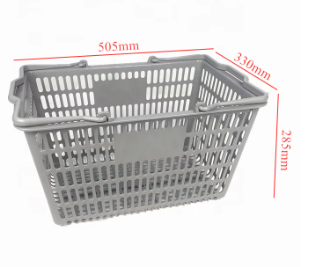
The modern retail environment demands storage solutions that seamlessly combine durability with practical functionality. A plastic shopping basket represents the perfect intersection of lightweight engineering and robust load-bearing capacity, making it an essential component for both commercial and personal use. These versatile containers have revolutionized how we approach portable storage, offering customers and businesses alike a reliable solution that doesn't compromise on performance or convenience.
The engineering behind effective plastic shopping basket design involves careful consideration of material science, structural geometry, and user ergonomics. Manufacturers must balance multiple competing factors to create products that meet diverse consumer needs while maintaining cost-effectiveness and environmental responsibility. Understanding these design principles helps explain why certain plastic shopping basket models consistently outperform others in real-world applications.
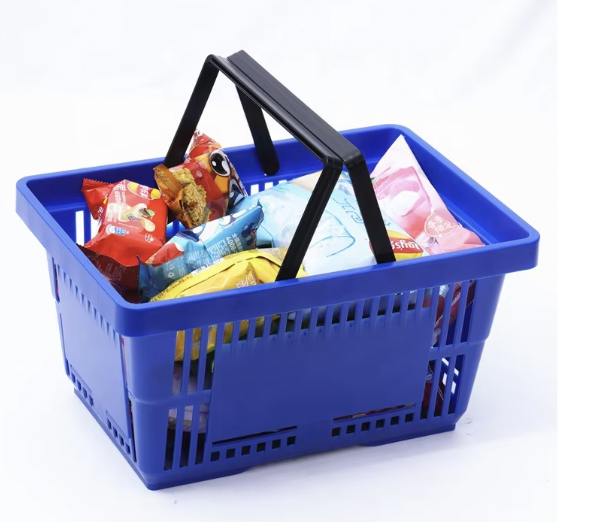
Material Science Behind Plastic Shopping Basket Construction
High-Density Polyethylene Properties
High-density polyethylene (HDPE) serves as the foundation material for most premium plastic shopping basket designs due to its exceptional strength-to-weight ratio. This thermoplastic polymer exhibits remarkable resistance to impact stress, chemical corrosion, and temperature variations, making it ideal for frequent use in diverse environments. The molecular structure of HDPE provides inherent flexibility that prevents cracking under load while maintaining dimensional stability over extended periods.
Manufacturing processes for HDPE plastic shopping basket components typically involve injection molding techniques that allow for precise control over wall thickness, rib placement, and surface texture. Advanced polymer formulations incorporate UV stabilizers and colorants that resist fading, ensuring the plastic shopping basket maintains its appearance and structural integrity even with prolonged exposure to sunlight and harsh cleaning chemicals.
Polypropylene Integration Benefits
Some manufacturers incorporate polypropylene elements into plastic shopping basket designs to enhance specific performance characteristics. Polypropylene offers superior fatigue resistance, making it particularly valuable for components subjected to repeated flexing, such as handle attachments and rim reinforcements. The material's lower density compared to HDPE contributes to overall weight reduction without sacrificing essential strength properties.
The chemical compatibility between different plastic types allows engineers to create hybrid plastic shopping basket designs that optimize material properties for specific applications. Strategic placement of polypropylene components in high-stress areas complements the bulk HDPE structure, resulting in products that demonstrate enhanced durability and extended service life under demanding conditions.
Structural Engineering Principles for Load Distribution
Geometric Framework Design
The geometric configuration of a plastic shopping basket directly influences its load-bearing capacity and structural efficiency. Engineers employ sophisticated finite element analysis to optimize rib patterns, wall angles, and corner reinforcements that distribute applied loads evenly throughout the entire structure. Strategic placement of structural elements ensures that no single component experiences disproportionate stress during normal use.
Bottom panel design plays a crucial role in overall plastic shopping basket performance, with manufacturers incorporating radial and concentric reinforcement patterns that prevent sagging under heavy loads. The integration of raised supports and drainage channels serves dual purposes, enhancing structural rigidity while facilitating proper cleaning and maintenance protocols essential for commercial applications.
Handle Integration Systems
Metal handle incorporation represents a critical design decision that significantly impacts both functionality and durability of any plastic shopping basket. Steel or aluminum handles provide ergonomic grip surfaces while distributing lifting forces across wider mounting areas than purely plastic alternatives. The attachment mechanism must accommodate thermal expansion differences between metal and plastic components while maintaining secure connections throughout the product lifecycle.
Advanced handle designs incorporate cushioned grips and anti-slip textures that enhance user comfort during extended carrying periods. The positioning and angle of handle elements influence the natural carrying posture, reducing user fatigue and improving overall satisfaction with the plastic shopping basket experience. Professional-grade models often feature reinforced mounting points that exceed standard load requirements by significant safety margins.
Weight Optimization Strategies
Wall Thickness Calculations
Determining optimal wall thickness for plastic shopping basket construction requires careful analysis of load requirements, material properties, and manufacturing constraints. Engineers utilize computer modeling to identify minimum thickness values that maintain structural integrity while eliminating unnecessary material waste. Variable thickness designs allow for targeted reinforcement in high-stress areas while reducing weight in less critical sections.
Modern plastic shopping basket designs often incorporate hollow sections and strategic material removal that maintain strength while reducing overall mass. These weight optimization techniques become increasingly important in commercial applications where handling efficiency and shipping costs directly impact profitability. Advanced simulation software enables manufacturers to predict performance characteristics before committing to expensive tooling and production setup.
Hollow Structure Implementation
Hollow structural elements within plastic shopping basket designs provide exceptional strength-to-weight ratios while offering additional functional benefits. Internal cavities can accommodate reinforcement inserts, wiring for electronic components, or drainage systems that enhance overall utility. The hollow design principle draws inspiration from natural structures and aerospace engineering applications where weight minimization remains paramount.
Implementation of hollow structures requires careful attention to manufacturing processes and quality control procedures. Wall thickness variations, air trap elimination, and surface finish consistency become critical factors that influence both appearance and performance of the final plastic shopping basket product. Advanced injection molding techniques enable consistent hollow section formation while maintaining tight dimensional tolerances.
Load Capacity Testing and Standards
Static Load Evaluation Methods
Comprehensive testing protocols for plastic shopping basket products include static load evaluations that simulate real-world usage conditions. Testing procedures typically involve applying graduated loads to fully supported baskets while monitoring deformation, stress concentration points, and failure modes. Industry standards require plastic shopping basket designs to support specific minimum loads without permanent deformation or structural compromise.
Professional testing laboratories utilize precision measurement equipment to document load-deflection relationships and identify optimal operating parameters for each plastic shopping basket design. These evaluations provide valuable data for design optimization and help manufacturers establish appropriate load ratings and safety margins for consumer applications. Consistent testing protocols ensure reliable performance comparisons between different product offerings.
Dynamic Stress Testing Protocols
Dynamic testing scenarios for plastic shopping basket evaluation include repetitive loading cycles that simulate extended commercial use patterns. Drop testing, impact resistance evaluation, and fatigue analysis provide comprehensive understanding of product durability under realistic operating conditions. These assessments help identify potential failure modes and guide design improvements for enhanced longevity.
Temperature cycling tests expose plastic shopping basket samples to extreme environmental conditions that may be encountered during storage, transportation, and use. Material behavior under thermal stress provides insights into long-term performance characteristics and helps establish appropriate operating temperature ranges for specific applications. Comprehensive testing protocols ensure consumer confidence and regulatory compliance across diverse market segments.
Manufacturing Process Impact on Performance
Injection Molding Optimization
The injection molding process for plastic shopping basket production requires precise control over temperature, pressure, and cooling parameters to achieve optimal material properties. Gate placement, flow patterns, and cooling channel design directly influence molecular orientation, stress distribution, and surface quality of finished products. Advanced process monitoring systems ensure consistent quality and dimensional accuracy across production runs.
Mold design considerations for plastic shopping basket manufacturing include draft angles, ejection systems, and surface texturing that facilitate efficient production while maintaining design integrity. Multi-cavity molds enable high-volume production while ensuring consistent part-to-part quality through balanced runner systems and uniform cooling. Process optimization reduces material waste and energy consumption while improving overall manufacturing efficiency.
Quality Control Implementation
Comprehensive quality control systems for plastic shopping basket manufacturing incorporate dimensional inspection, material testing, and functional verification at multiple production stages. Statistical process control techniques help identify trends and variations that might impact product performance or appearance. Automated inspection systems can detect surface defects, dimensional deviations, and assembly issues before products reach distribution channels.
Material traceability systems ensure that each plastic shopping basket can be linked to specific raw material lots, production parameters, and quality test results. This documentation supports warranty claims, regulatory compliance, and continuous improvement initiatives. Regular audit procedures verify that quality systems remain effective and aligned with industry best practices and customer expectations.
Commercial Applications and Market Considerations
Retail Environment Requirements
Retail applications for plastic shopping basket products demand specific performance characteristics that balance customer convenience with operational efficiency. High-traffic environments require designs that withstand frequent handling, cleaning, and stacking without degradation. The plastic shopping basket must maintain appearance and functionality despite exposure to various products, spills, and cleaning chemicals commonly encountered in commercial settings.
Store layout considerations influence plastic shopping basket design requirements, with narrow aisles demanding compact profiles while maintaining adequate capacity for typical shopping trips. Nesting and stacking capabilities become essential for efficient storage and retrieval systems in retail environments. Color coding and branding options allow retailers to integrate plastic shopping basket solutions with overall store aesthetics and operational procedures.
Industrial and Commercial Applications
Industrial applications for plastic shopping basket products often involve specialized requirements such as chemical resistance, temperature tolerance, and enhanced load capacity. Manufacturing facilities, warehouses, and distribution centers utilize these containers for parts transport, inventory management, and temporary storage applications. The versatility of plastic shopping basket designs makes them suitable for diverse industrial processes and environments.
Commercial food service applications require plastic shopping basket products that comply with health department regulations and food safety standards. Easy cleaning, non-porous surfaces, and resistance to bacteria growth become critical performance factors. Specialized designs may incorporate features such as drainage systems, stackable configurations, and compatibility with automated washing equipment used in commercial kitchens.
FAQ
What factors determine the maximum load capacity of a plastic shopping basket
The maximum load capacity of a plastic shopping basket depends on several key factors including material grade, wall thickness, structural geometry, and handle design. High-quality HDPE construction with reinforced ribs can typically support 30-50 pounds when properly designed. The load distribution across the bottom panel and the strength of handle mounting points are critical limiting factors that manufacturers must carefully engineer to ensure safe operation under maximum rated loads.
How do manufacturers balance weight reduction with structural strength in plastic shopping basket design
Manufacturers achieve optimal weight-to-strength ratios in plastic shopping basket designs through strategic material placement, hollow structural elements, and variable wall thickness optimization. Computer modeling and finite element analysis help identify areas where material can be removed without compromising performance. Advanced injection molding techniques enable complex geometries that maximize structural efficiency while minimizing total material usage, resulting in lightweight products that maintain excellent load-bearing capabilities.
What maintenance practices extend the service life of commercial plastic shopping baskets
Regular cleaning with appropriate disinfectants, avoiding exposure to excessive heat, and proper stacking techniques significantly extend plastic shopping basket service life. Commercial users should inspect products regularly for stress cracks, handle damage, or excessive wear that might compromise safety. Proper storage away from direct sunlight and extreme temperatures helps maintain material properties over extended periods. Following manufacturer guidelines for maximum load limits prevents premature failure and ensures continued reliable performance.
Are there environmental considerations when selecting plastic shopping basket products
Modern plastic shopping basket products incorporate recycled content and are designed for eventual recyclability at end-of-life. Durable construction extends product lifespan, reducing replacement frequency and overall environmental impact. Many manufacturers now offer take-back programs for worn-out units, ensuring proper recycling and material recovery. Choosing high-quality plastic shopping basket products with extended service life represents an environmentally responsible decision that reduces waste generation while meeting operational requirements.
Table of Contents
- Material Science Behind Plastic Shopping Basket Construction
- Structural Engineering Principles for Load Distribution
- Weight Optimization Strategies
- Load Capacity Testing and Standards
- Manufacturing Process Impact on Performance
- Commercial Applications and Market Considerations
-
FAQ
- What factors determine the maximum load capacity of a plastic shopping basket
- How do manufacturers balance weight reduction with structural strength in plastic shopping basket design
- What maintenance practices extend the service life of commercial plastic shopping baskets
- Are there environmental considerations when selecting plastic shopping basket products