
 EN
EN
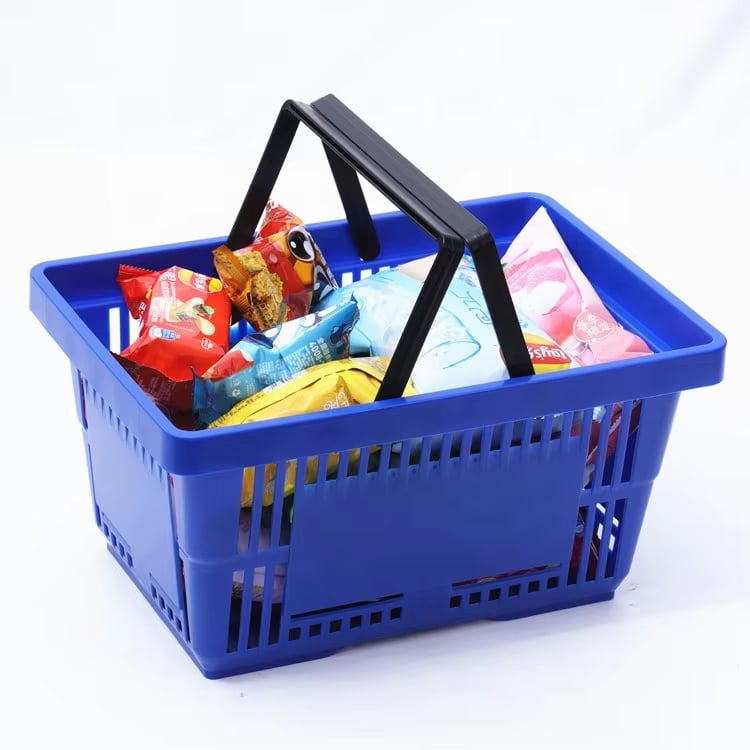
Retail environments face unprecedented scrutiny regarding cleanliness and sanitation protocols, particularly in grocery stores, supermarkets, and shopping centers where countless customers handle merchandise daily. Modern retailers increasingly recognize that maintaining impeccable hygiene standards extends beyond surface cleaning to encompass every touchpoint within their operations. Among the most frequently overlooked yet critically important elements are the shopping baskets that customers use throughout their retail journey. Plastic basket solutions have emerged as the definitive answer to addressing these mounting hygiene concerns while simultaneously enhancing operational efficiency and customer satisfaction.
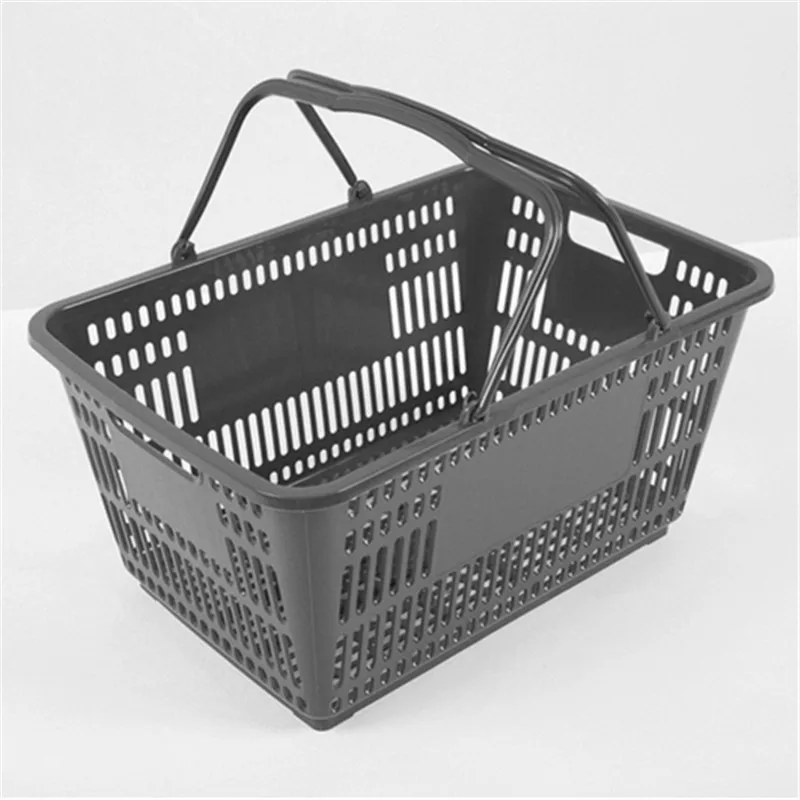
The transition from traditional wicker or metal baskets to advanced plastic basket solutions represents more than a simple material upgrade. This strategic shift addresses fundamental challenges that retail operators encounter daily, from contamination prevention to maintenance efficiency. Contemporary plastic basket solutions incorporate antimicrobial properties, seamless construction designs, and materials specifically engineered to withstand rigorous cleaning protocols without degradation or wear.
Superior Material Properties for Enhanced Sanitation
Non-Porous Surface Characteristics
The fundamental advantage of plastic basket solutions lies in their non-porous surface construction, which prevents bacterial accumulation and cross-contamination between customers. Unlike traditional wicker baskets that contain countless crevices and organic materials where pathogens can thrive, modern plastic basket solutions feature smooth, seamless surfaces that eliminate hiding places for harmful microorganisms. This characteristic proves particularly crucial in food retail environments where contamination risks pose serious health implications.
High-density polyethylene and polypropylene materials used in quality plastic basket solutions resist absorption of liquids, odors, and contaminants that commonly plague alternative materials. The molecular structure of these plastics creates an impermeable barrier that prevents penetration of cleaning chemicals, food residues, and bacterial matter, ensuring that each cleaning cycle achieves maximum effectiveness.
Chemical Resistance and Cleaning Compatibility
Professional-grade plastic basket solutions demonstrate exceptional compatibility with industrial cleaning agents and sanitizing chemicals used in retail environments. These baskets withstand repeated exposure to bleach solutions, quaternary ammonium compounds, and alcohol-based disinfectants without experiencing material degradation, color fading, or structural compromise. This durability ensures consistent sanitation performance throughout the basket's operational lifespan.
The chemical inertness of plastic basket solutions prevents unwanted reactions between cleaning products and basket materials, eliminating the risk of toxic compound formation or residue accumulation that could pose health hazards to customers and staff. This stability allows retail operators to implement aggressive sanitization protocols without concern for equipment damage or safety complications.
Streamlined Cleaning and Maintenance Protocols
Simplified Sanitization Procedures
Plastic basket solutions enable retail operators to establish efficient, systematic cleaning protocols that significantly reduce labor requirements while improving sanitation outcomes. The smooth surfaces and ergonomic designs of modern plastic baskets facilitate quick wiping, spraying, and rinsing procedures that can be completed in seconds rather than minutes required for alternative materials. This efficiency proves invaluable during peak shopping periods when rapid basket turnover is essential.
Many plastic basket solutions feature integrated drainage systems and sloped surfaces that prevent water accumulation and accelerate drying times. These design elements minimize the risk of standing water that could harbor bacterial growth while reducing the time required between cleaning and redeployment. Retail operators can implement continuous sanitization cycles throughout operating hours without creating basket shortages or customer inconvenience.
Automated Cleaning System Integration
Advanced plastic basket solutions are specifically engineered for compatibility with automated washing and sanitizing systems commonly found in large retail operations. The standardized dimensions and robust construction of these baskets allow them to withstand mechanical washing processes, including conveyor systems, spray chambers, and heated drying cycles without warping or damage.
The uniform shape and lightweight construction of plastic basket solutions facilitate efficient handling by automated systems while ensuring consistent cleaning coverage across all surfaces. This automation capability enables retailers to process hundreds of baskets per hour with minimal labor input, dramatically improving operational efficiency while maintaining stringent hygiene standards.
Contamination Prevention and Control
Cross-Contamination Elimination
Plastic basket solutions play a crucial role in preventing cross-contamination between different product categories and customer interactions. The non-absorbent nature of quality plastic materials ensures that residues from previous shopping trips do not transfer to subsequent users, protecting both products and customers from potential contamination exposure. This characteristic proves particularly important in grocery environments where raw meats, fresh produce, and prepared foods may share basket space.
The seamless construction of modern plastic basket solutions eliminates joints, seams, and crevices where contaminants typically accumulate in traditional basket designs. This engineering approach creates a completely cleanable surface that allows sanitizing agents to reach every area, ensuring thorough decontamination between uses. Retail operators can confidently rotate plastic basket solutions knowing that each cleaning cycle achieves complete contamination removal.
Pathogen Resistance and Control
Advanced plastic basket solutions incorporate antimicrobial additives that actively inhibit bacterial and viral growth on basket surfaces between cleaning cycles. These additives work continuously to reduce pathogen populations, providing an additional layer of protection for customers and staff. The antimicrobial properties remain effective throughout the basket's lifespan, offering long-term contamination control benefits.
The molecular structure of quality plastic materials used in basket manufacturing creates an environment hostile to common retail pathogens, including E. coli, Salmonella, and Staphylococcus species. This inherent resistance, combined with regular sanitization protocols, establishes multiple barriers against contamination transmission throughout the retail environment.
Operational Efficiency and Cost Benefits
Reduced Maintenance Requirements
Plastic basket solutions significantly reduce maintenance overhead compared to traditional alternatives through their resistance to wear, corrosion, and environmental damage. Unlike metal baskets that require rust prevention treatments or wicker baskets that deteriorate rapidly under commercial use conditions, plastic basket solutions maintain their structural integrity and appearance throughout extended service periods with minimal intervention.
The lightweight yet durable construction of plastic basket solutions reduces handling stress on retail staff while minimizing replacement costs associated with damage from dropping or impacts. This durability translates directly into operational savings through reduced replacement frequency and lower labor costs for basket maintenance and repair activities.
Enhanced Customer Experience
Modern plastic basket solutions contribute significantly to positive customer experiences through their clean appearance, comfortable handling characteristics, and obvious hygiene advantages. Customers increasingly appreciate visible cleanliness indicators, and the pristine appearance of properly maintained plastic basket solutions provides immediate reassurance regarding store sanitation standards.
The ergonomic designs possible with plastic basket solutions, including comfortable grip handles and balanced weight distribution, enhance customer comfort during shopping experiences. These improvements encourage longer shopping sessions and higher customer satisfaction scores, contributing to increased sales and customer retention rates.
Implementation Strategies for Retail Operations
Systematic Transition Planning
Successful implementation of plastic basket solutions requires careful planning to ensure seamless integration with existing operations while maximizing hygiene benefits. Retail operators should conduct thorough assessments of current basket usage patterns, cleaning protocols, and storage requirements to determine optimal plastic basket specifications and quantities needed for smooth operations.
Phased replacement strategies allow retailers to transition gradually from existing basket systems while maintaining adequate basket availability throughout the conversion process. This approach enables staff training on new cleaning procedures and allows for protocol refinement based on initial implementation experiences with plastic basket solutions.
Staff Training and Protocol Development
Maximizing the hygiene advantages of plastic basket solutions requires comprehensive staff training on proper cleaning procedures, sanitization frequencies, and inspection protocols. Training programs should emphasize the importance of consistent application of cleaning procedures and provide clear guidelines for identifying when baskets require attention or replacement.
Development of standardized operating procedures for plastic basket solutions ensures consistent hygiene performance across all shifts and locations. These protocols should include specific timing requirements, approved cleaning products, and quality control checkpoints that maintain the highest sanitation standards throughout operations.
FAQ
How often should plastic basket solutions be sanitized in retail environments
Plastic basket solutions should be sanitized after each customer use in high-traffic retail environments, with minimum sanitization occurring every 2-4 hours during normal operations. The frequency may increase during flu seasons or when handling fresh food products. The non-porous surfaces of quality plastic baskets make rapid sanitization possible between uses without extended drying times.
What cleaning products are safe to use with plastic basket solutions
Most commercial-grade plastic basket solutions are compatible with standard retail sanitizers including quaternary ammonium compounds, bleach solutions, isopropyl alcohol, and hydrogen peroxide-based cleaners. Always verify chemical compatibility with your specific basket manufacturer, as some cleaning agents may cause discoloration or material degradation in lower-quality plastics. Avoid abrasive cleaners that could scratch surfaces and create contamination harboring sites.
Can plastic basket solutions withstand automated washing systems
High-quality plastic basket solutions are specifically designed for compatibility with automated washing and sanitizing systems used in large retail operations. They can withstand mechanical handling, high-pressure sprays, heated wash cycles, and automated drying without warping or damage. The lightweight yet durable construction makes them ideal for conveyor-based cleaning systems while maintaining structural integrity throughout repeated processing cycles.
What are the long-term cost benefits of switching to plastic basket solutions
Plastic basket solutions typically provide significant long-term cost savings through reduced replacement frequency, lower maintenance requirements, and decreased labor costs for cleaning and sanitization. While initial investment may be higher than basic alternatives, the durability and ease of maintenance of plastic basket solutions often results in 3-5 year payback periods through operational efficiencies and reduced replacement costs. Additional savings come from improved customer satisfaction and reduced liability exposure from contamination incidents.