
 EN
EN
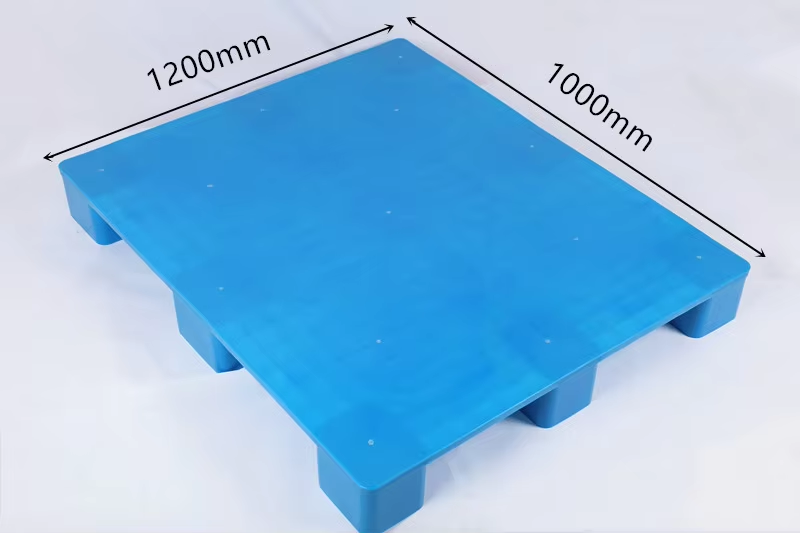
Warehouse operations and supply chain efficiency depend heavily on the choice of pallets used for material handling and storage. The decision between plastic and wooden pallets significantly impacts long-term operational costs, with maintenance expenses representing a substantial portion of total ownership expenses. Understanding how a plastic pallet reduces maintenance costs compared to traditional wooden alternatives can help businesses make informed decisions that improve their bottom line and operational efficiency.
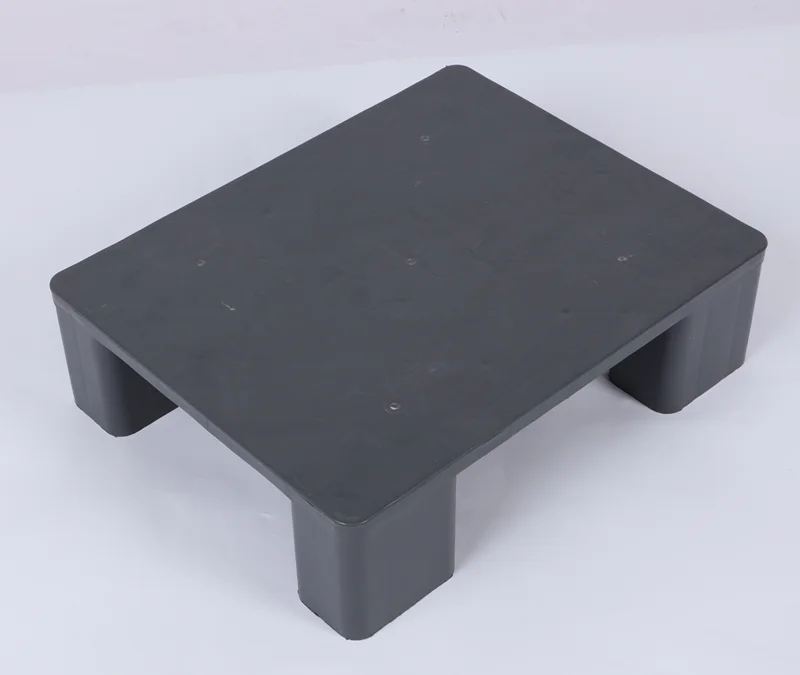
Modern industrial facilities increasingly recognize that initial purchase price represents only a fraction of the total cost of ownership for material handling equipment. A comprehensive analysis of maintenance requirements, replacement frequency, and operational efficiency reveals why a plastic pallet often delivers superior value proposition despite higher upfront investment. The maintenance cost differential between plastic and wooden pallets extends beyond simple repair expenses to encompass cleaning requirements, replacement scheduling, and compliance considerations.
Durability Advantages of Plastic Pallets
Resistance to Environmental Factors
A plastic pallet demonstrates exceptional resistance to moisture, temperature fluctuations, and chemical exposure that commonly damage wooden alternatives. Unlike wood, plastic materials do not absorb water, eliminating the risk of rot, warping, or structural weakening due to moisture exposure. This inherent resistance means facilities operating in humid environments, cold storage applications, or areas with frequent washdowns experience dramatically reduced maintenance interventions.
Temperature stability represents another critical advantage where a plastic pallet outperforms wooden counterparts. Extreme temperature variations cause wooden pallets to expand, contract, crack, and split, requiring regular inspection and replacement. Plastic pallets maintain structural integrity across wide temperature ranges, from freezer applications at negative temperatures to heated warehouse environments, reducing maintenance scheduling and replacement costs.
Impact and Load Distribution
The engineering design of modern plastic pallets incorporates advanced load distribution principles that minimize stress concentration points common in wooden pallet construction. A well-designed plastic pallet distributes weight evenly across its structure, reducing the likelihood of catastrophic failure or localized damage that requires immediate maintenance attention.
Impact resistance proves particularly valuable in automated warehouse environments where pallets encounter mechanical handling equipment, conveyor systems, and robotic material handling devices. A plastic pallet absorbs impact energy without splintering or cracking like wooden alternatives, maintaining structural integrity even after repeated impacts that would render wooden pallets unsafe or unusable.
Cleaning and Sanitization Efficiency
Simplified Cleaning Protocols
Maintenance costs extend beyond structural repairs to include cleaning and sanitization requirements, particularly in food processing, pharmaceutical, and chemical industries. A plastic pallet features smooth, non-porous surfaces that facilitate rapid cleaning with standard industrial cleaning equipment and chemicals. The absence of grain patterns, knots, or surface irregularities eliminates contamination harboring points that plague wooden pallets.
Power washing and steam cleaning procedures that would damage or destroy wooden pallets pose no threat to plastic alternatives. This cleaning versatility allows facilities to implement aggressive sanitization protocols without compromising pallet integrity, reducing the need for frequent replacements due to cleaning-related damage. A plastic pallet can withstand repeated exposure to high-pressure washing, chemical sanitizers, and steam cleaning without degradation.
Contamination Prevention
The non-absorbent nature of plastic materials prevents contamination penetration that commonly affects wooden pallets. Once contaminants soak into wood fibers, complete removal becomes virtually impossible, often necessitating pallet disposal and replacement. A plastic pallet resists contamination absorption, allowing thorough cleaning and continued use even after exposure to oils, chemicals, or biological contaminants.
Pest control represents another maintenance cost factor where plastic pallets demonstrate clear advantages. Wooden pallets provide habitat for insects, rodents, and other pests that can compromise stored products and require expensive pest control interventions. The smooth, sealed surface of a plastic pallet offers no hiding places or nesting opportunities for pests, reducing facility pest control requirements and associated maintenance costs.
Repair and Replacement Considerations
Structural Integrity Maintenance
Wooden pallet maintenance typically involves regular inspection for loose nails, broken boards, protruding fasteners, and structural damage that can injure workers or damage products. These maintenance activities require skilled labor, replacement materials, and operational downtime that accumulates significant costs over time. A plastic pallet eliminates these maintenance requirements through integral construction that cannot loosen, separate, or create safety hazards.
When damage does occur to a plastic pallet, the failure mode typically involves complete unit replacement rather than field repairs. While this might seem disadvantageous, the extended service life and reduced failure frequency of plastic pallets often result in lower total maintenance costs compared to the ongoing repair requirements of wooden alternatives. The predictable replacement schedule also simplifies maintenance planning and budgeting.
Service Life Extension
A properly maintained plastic pallet can deliver service life measurements three to five times longer than comparable wooden pallets under similar operating conditions. This extended service life translates directly to reduced replacement costs and lower maintenance administration overhead. The consistent performance characteristics of plastic pallets also enable more accurate lifecycle cost predictions and maintenance budget planning.
Recycling considerations further enhance the cost-effectiveness of plastic pallets at end-of-life. While wooden pallets often end up in landfills or require disposal costs, a plastic pallet can be recycled into new products, potentially recovering value that offsets replacement costs. Some manufacturers offer take-back programs that guarantee recycling services, adding predictability to total ownership costs.
Operational Efficiency Impact
Weight Advantages
The consistent weight characteristics of plastic pallets provide operational advantages that indirectly reduce maintenance costs throughout the supply chain. A plastic pallet typically weighs significantly less than equivalent wooden pallets, reducing transportation costs and equipment wear throughout the material handling system. This weight reduction decreases stress on conveyor systems, forklifts, and automated handling equipment, extending their service life and reducing maintenance requirements.
Dimensional stability represents another operational efficiency factor where plastic pallets excel. Unlike wooden pallets that can vary in dimensions due to moisture content and manufacturing tolerances, a plastic pallet maintains consistent dimensions throughout its service life. This consistency improves automated equipment reliability and reduces maintenance interventions required to accommodate dimensional variations.
Workplace Safety Enhancements
Safety-related maintenance costs often go unrecognized in traditional cost analyses, but workplace injuries related to wooden pallet splinters, protruding nails, and structural failures create substantial indirect costs. A plastic pallet eliminates these safety hazards through smooth surfaces and integral construction that cannot create injury risks. Reduced workplace injuries translate to lower workers' compensation costs, reduced downtime, and improved employee morale.
The consistent quality and performance of plastic pallets also reduces the need for pre-use inspection protocols required for wooden pallets. Eliminating or reducing inspection requirements saves labor costs while improving operational flow efficiency. A plastic pallet arrives ready for immediate use without the quality verification steps necessary for wooden alternatives.
Industry-Specific Applications
Food and Beverage Processing
Food processing facilities face stringent hygiene requirements that make a plastic pallet the preferred choice for many applications. The ability to withstand aggressive cleaning protocols without degradation eliminates the need for frequent pallet replacement due to sanitization damage. Additionally, the non-absorbent nature of plastic prevents bacterial growth and contamination that can require extensive facility cleaning and product recalls.
Temperature cycling common in food processing environments causes wooden pallets to deteriorate rapidly, requiring frequent replacement and ongoing maintenance attention. A plastic pallet maintains structural integrity through freeze-thaw cycles and temperature transitions, providing consistent performance that reduces operational disruptions and maintenance interventions.
Pharmaceutical and Chemical Industries
Pharmaceutical manufacturing and chemical processing facilities require pallets that can withstand exposure to aggressive cleaning agents and chemical contamination without compromising structural integrity. A plastic pallet provides the chemical resistance necessary for these demanding applications while maintaining cleanability standards required for regulatory compliance.
The traceability requirements common in pharmaceutical applications favor plastic pallets with consistent properties and performance characteristics. Unlike wooden pallets that vary significantly between units, a plastic pallet provides predictable performance that simplifies validation protocols and reduces maintenance-related compliance activities.
Cost Analysis Framework
Total Cost of Ownership Calculations
Accurate cost comparison between plastic and wooden pallets requires comprehensive analysis that includes initial purchase price, maintenance costs, replacement frequency, cleaning expenses, and operational efficiency factors. While a plastic pallet typically commands higher initial investment, the reduced maintenance requirements often result in lower total cost of ownership over the useful life of the equipment.
Maintenance cost categories include direct repair expenses, replacement material costs, labor for inspection and maintenance activities, cleaning and sanitization expenses, and indirect costs related to operational disruptions. A plastic pallet typically demonstrates advantages in each category, with particularly significant benefits in cleaning costs and replacement frequency.
Return on Investment Considerations
The return on investment timeline for switching from wooden to plastic pallets varies based on application intensity, operating environment, and specific facility requirements. High-throughput operations with aggressive cleaning requirements typically realize faster payback periods, while less demanding applications may require longer evaluation periods to demonstrate cost advantages.
Facilities should consider not only direct maintenance cost savings but also indirect benefits such as improved product protection, enhanced workplace safety, and operational efficiency gains when evaluating the investment in plastic pallets. These secondary benefits often provide substantial value that supports the business case for a plastic pallet implementation.
FAQ
What is the typical service life difference between plastic and wooden pallets
A plastic pallet typically provides three to five times longer service life compared to wooden pallets under similar operating conditions. While wooden pallets may last 6-12 months in demanding applications, plastic pallets often continue performing effectively for 3-5 years or longer, depending on the operating environment and handling intensity.
How do cleaning costs compare between plastic and wooden pallets
Cleaning costs for plastic pallets are typically 40-60% lower than wooden pallets due to faster cleaning times, reduced chemical requirements, and elimination of replacement due to cleaning damage. A plastic pallet can withstand aggressive sanitization protocols that would destroy wooden alternatives, reducing both cleaning time and replacement frequency.
Are plastic pallets suitable for automated warehouse systems
Yes, a plastic pallet is often preferred for automated systems due to consistent dimensions, smooth surfaces, and predictable performance characteristics. The dimensional stability and absence of protruding elements like nails or splinters make plastic pallets ideal for conveyor systems and robotic handling equipment, reducing maintenance requirements for automation equipment.
What factors should be considered when calculating maintenance cost savings
Key factors include direct repair costs, replacement frequency, cleaning and sanitization expenses, labor costs for inspection and maintenance, workplace safety improvements, and operational efficiency gains. A comprehensive analysis should also consider indirect benefits such as reduced equipment wear, improved product protection, and enhanced regulatory compliance that contribute to overall cost reduction.