
 EN
EN
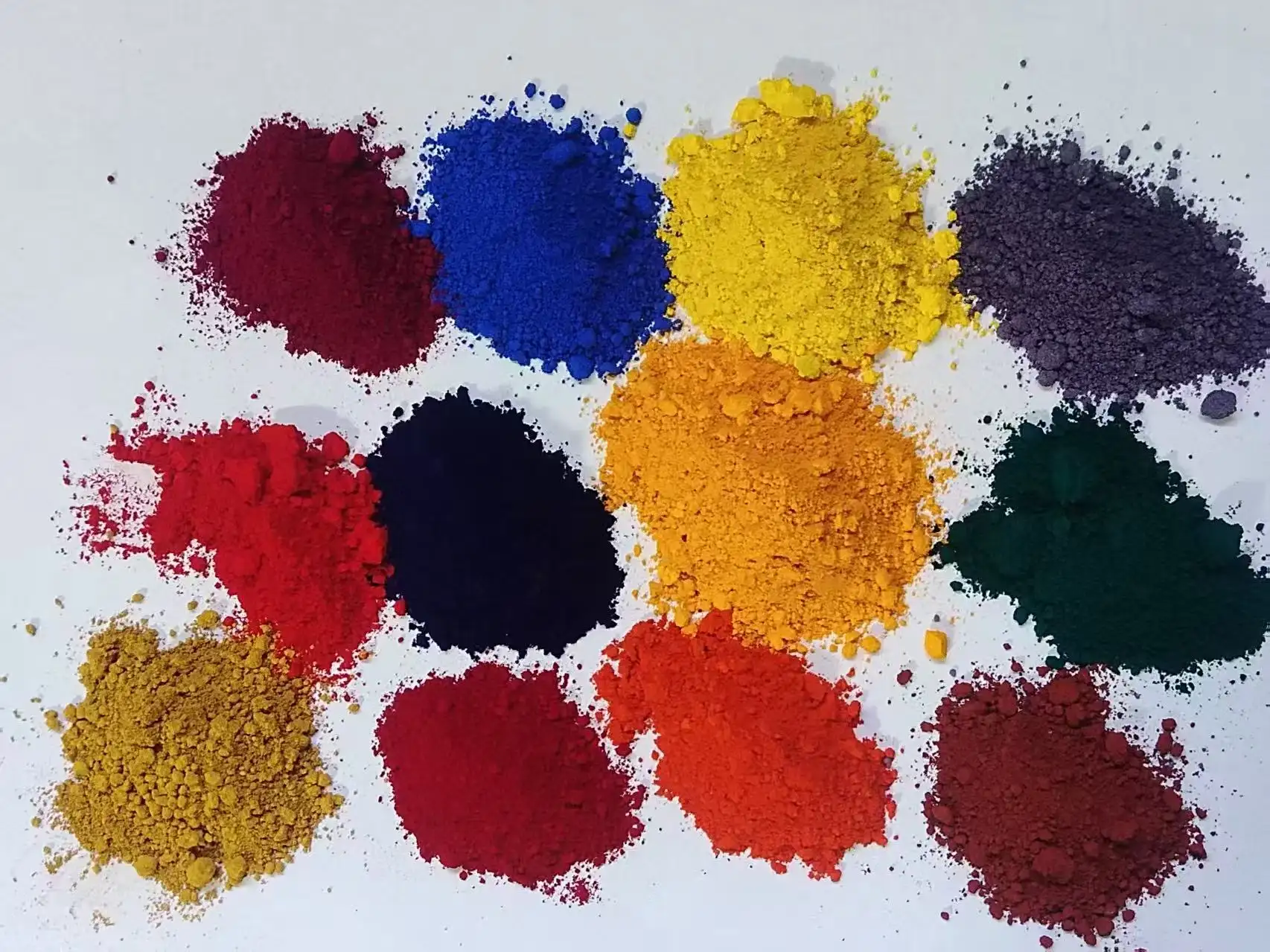
Electrostatic coating powder has revolutionized the way manufacturers achieve superior finish quality on metal products across various industries. This advanced coating technology offers exceptional durability, environmental benefits, and consistent application results that traditional liquid coatings simply cannot match. Modern manufacturing facilities increasingly rely on electrostatic coating powder to meet stringent quality standards while reducing operational costs and environmental impact.
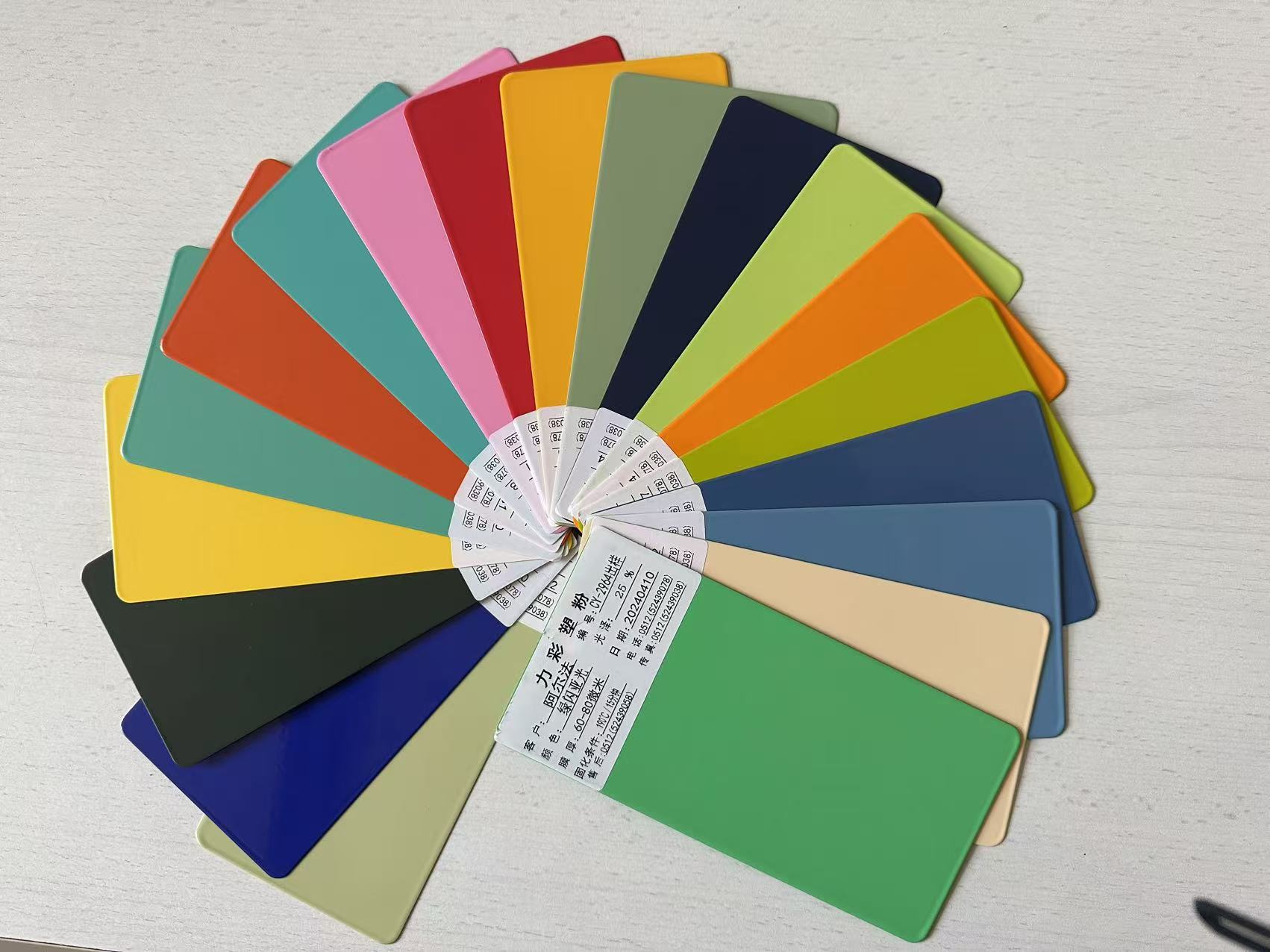
The fundamental principle behind electrostatic coating powder effectiveness lies in its unique application method and chemical composition. Unlike conventional coating systems, this technology creates an electrical charge differential that ensures uniform coverage and optimal adhesion to metal surfaces. Manufacturing professionals consistently report improved finish quality, reduced waste, and enhanced production efficiency when implementing electrostatic coating powder systems in their operations.
Understanding Electrostatic Coating Powder Technology
Fundamental Principles of Electrostatic Application
Electrostatic coating powder operates through a sophisticated charging mechanism that creates a strong attraction between powder particles and grounded metal substrates. The spray gun imparts a negative electrical charge to the powder particles as they exit the nozzle, while the metal workpiece maintains a positive ground connection. This electrical differential generates a powerful attractive force that draws powder particles uniformly across the entire surface area, including complex geometries and hard-to-reach areas.
The charged particles follow electric field lines to ensure complete coverage of the metal surface, creating an even coating thickness that would be impossible to achieve with traditional application methods. This phenomenon, known as the Faraday cage effect, allows electrostatic coating powder to wrap around edges and penetrate recessed areas that typically receive inadequate coverage with liquid coatings. The result is a consistently uniform finish that meets the highest quality standards.
Temperature and humidity control play crucial roles in optimizing electrostatic coating powder performance during application. Manufacturers must maintain specific environmental conditions to preserve the electrical conductivity and flow characteristics of the powder. Proper climate control ensures maximum transfer efficiency while preventing common application issues such as back ionization or powder repulsion that can compromise finish quality.
Chemical Composition and Material Properties
Modern electrostatic coating powder formulations incorporate advanced polymer resins, pigments, and functional additives that work synergistically to deliver exceptional finish quality on metal products. Polyester and epoxy base resins provide the structural backbone, offering excellent mechanical properties, chemical resistance, and weatherability. These thermosetting polymers cross-link during the curing process to form a dense, impermeable barrier that protects the underlying metal substrate from corrosion and environmental degradation.
Specialized additives enhance specific performance characteristics of electrostatic coating powder, including flow control agents that promote smooth leveling, degassing agents that eliminate surface defects, and UV stabilizers that prevent color fading and chalking. The precise balance of these components determines the final appearance, durability, and functional properties of the cured coating. Quality control laboratories conduct extensive testing to ensure each batch of powder meets specifications for particle size distribution, chemical composition, and performance characteristics.
Pigment selection significantly impacts both the aesthetic appeal and functional performance of electrostatic coating powder systems. High-quality inorganic pigments provide superior color retention and fade resistance, while special-effect pigments create unique metallic or textured finishes. The grinding and dispersion processes must achieve optimal pigment particle size to ensure color consistency and prevent surface defects in the final coating.
Quality Improvements Through Electrostatic Application
Surface Preparation and Adhesion Enhancement
Proper surface preparation forms the foundation for achieving optimal finish quality with electrostatic coating powder applications. Metal substrates require thorough cleaning to remove oils, scale, rust, and other contaminants that can interfere with coating adhesion. Phosphate conversion coatings or mechanical abrasion create the ideal surface profile for maximum powder adhesion, ensuring long-term coating performance and durability.
The electrostatic charge attraction mechanism significantly improves coating adhesion compared to conventional application methods. Charged powder particles penetrate surface irregularities and create mechanical interlocking with properly prepared substrates. This enhanced adhesion translates directly into improved corrosion resistance, impact resistance, and overall coating longevity that exceeds industry standards for metal finishing applications.
Advanced pretreatment systems integrate automated surface preparation with electrostatic coating powder application to ensure consistent quality across high-volume production runs. These integrated systems monitor surface cleanliness, temperature, and humidity parameters in real-time to optimize adhesion and minimize quality variations between coated parts.
Uniform Coverage and Film Thickness Control
Electrostatic coating powder delivers superior uniformity compared to liquid coating systems through its unique attraction mechanism and wrapping capability. The electrical field guides powder particles around complex geometries, ensuring consistent coverage on inside corners, deep recesses, and intricate surface details. This comprehensive coverage eliminates thin spots and bare areas that commonly occur with brush, roller, or conventional spray applications.
Automated application systems precisely control film thickness by regulating powder flow rates, gun-to-part distance, and electrical parameters throughout the coating process. Digital monitoring systems track coating thickness in real-time, automatically adjusting application parameters to maintain target specifications. This level of control ensures consistent finish quality while minimizing material waste and rework requirements.
The build-up characteristics of electrostatic coating powder allow for single-pass application of relatively thick films that would require multiple coats with liquid systems. This capability reduces processing time and labor costs while maintaining excellent finish quality and appearance. Manufacturers can achieve coating thicknesses ranging from thin decorative films to heavy-duty protective barriers with consistent results.
Environmental and Performance Benefits
Volatile Organic Compound Reduction
Electrostatic coating powder systems eliminate virtually all volatile organic compound emissions that plague traditional solvent-based coatings. This environmental advantage helps manufacturers comply with increasingly stringent air quality regulations while improving workplace safety for coating operators. The absence of hazardous air pollutants reduces ventilation requirements and eliminates the need for costly afterburners or other emission control equipment.
The zero-VOC characteristics of electrostatic coating powder contribute to improved indoor air quality in manufacturing facilities and surrounding communities. Workers experience reduced exposure to toxic solvents and respiratory irritants, leading to better health outcomes and lower insurance costs. Environmental regulatory agencies increasingly favor powder coating technologies as preferred alternatives to conventional liquid coating systems.
Energy consumption decreases significantly when facilities transition from solvent-based coatings to electrostatic coating powder systems. The elimination of solvent recovery equipment, reduced ventilation requirements, and lower curing temperatures all contribute to substantial energy savings. These operational cost reductions often offset the initial investment in powder coating equipment within the first year of operation.
Waste Reduction and Material Efficiency
Overspray recovery systems capture unused electrostatic coating powder for immediate recycling back into the application process, achieving material utilization rates exceeding ninety percent. This remarkable efficiency compares favorably to liquid coating systems that typically waste significant amounts of material through overspray and cleanup procedures. The economic benefits of reduced material waste directly impact profitability while supporting sustainability initiatives.
Automated powder handling systems minimize material contamination and ensure consistent quality throughout the recycling process. Sophisticated screening and mixing equipment remove foreign particles and maintain proper powder characteristics during multiple recycling cycles. Quality control protocols monitor recycled powder properties to prevent gradual degradation that could compromise finish quality over time.
The solid-state nature of electrostatic coating powder eliminates waste disposal issues associated with liquid coating sludge and contaminated solvents. This advantage reduces hazardous waste generation and associated disposal costs while simplifying facility environmental compliance requirements. Many manufacturers achieve zero liquid waste discharge through implementation of comprehensive powder coating systems.
Industry Applications and Case Studies
Automotive and Transportation Sectors
Automotive manufacturers rely heavily on electrostatic coating powder to achieve the demanding finish quality requirements for exterior body panels, engine components, and chassis parts. The technology delivers exceptional color match consistency across multiple production facilities while providing superior corrosion resistance in harsh operating environments. Leading automotive brands specify electrostatic coating powder for critical applications requiring long-term durability and aesthetic appeal.
Commercial vehicle manufacturers utilize electrostatic coating powder for heavy-duty applications where traditional coatings fail to provide adequate protection. The enhanced chip resistance and impact strength of powder coatings significantly extend service life for truck beds, agricultural equipment, and construction machinery. Fleet operators report reduced maintenance costs and improved resale values when equipment features high-quality powder coating finishes.
Railroad and mass transit systems implement electrostatic coating powder for both interior and exterior components due to its fire resistance properties and low toxicity characteristics. The technology meets stringent safety standards while delivering exceptional durability under constant use and exposure to harsh environmental conditions. Maintenance intervals extend significantly compared to conventional coating systems, reducing operational disruptions and lifecycle costs.
Architectural and Building Applications
Architectural metal fabricators choose electrostatic coating powder for curtain wall systems, window frames, and structural components that demand long-term weather resistance and color retention. The technology provides exceptional protection against ultraviolet radiation, acid rain, and atmospheric pollutants that quickly degrade conventional coatings. Building owners benefit from reduced maintenance requirements and extended component service life.
Decorative metal applications showcase the versatility of electrostatic coating powder through specialized texture and metallic effect formulations. Designers specify powder coatings for railings, fixtures, and architectural accents that require unique visual appeal combined with practical durability. The wide range of available colors and finishes enables creative expression while maintaining functional performance requirements.
Energy-efficient building designs increasingly incorporate electrostatic coating powder systems for heating, ventilation, and air conditioning components. The technology provides excellent heat resistance and maintains thermal efficiency while protecting critical system components from corrosion and wear. Green building certification programs recognize powder coating as an environmentally responsible finishing technology.
Process Optimization and Quality Control
Application Parameter Management
Successful electrostatic coating powder application requires precise control of electrical parameters, including voltage settings, current levels, and grounding integrity. Modern spray equipment incorporates digital monitoring systems that continuously track these critical variables and automatically adjust settings to maintain optimal transfer efficiency. Process engineers establish parameter windows based on substrate geometry, powder characteristics, and finish requirements to ensure consistent quality outcomes.
Gun positioning and movement patterns significantly influence coverage uniformity and powder utilization efficiency in electrostatic coating powder applications. Robotic systems program precise spray trajectories that optimize powder deposition while minimizing waste and ensuring complete coverage of complex geometries. Manual application techniques require extensive operator training to achieve comparable results and maintain quality consistency.
Curing parameters directly impact the final properties and appearance of electrostatic coating powder finishes. Time-temperature relationships must be carefully controlled to achieve complete cross-linking without over-curing that can lead to brittleness or color shifts. Infrared and convection oven systems provide precise temperature control throughout the curing cycle to optimize coating performance and appearance characteristics.
Quality Testing and Performance Validation
Comprehensive quality testing protocols validate electrostatic coating powder performance through standardized test methods that evaluate adhesion, impact resistance, flexibility, and environmental durability. Laboratory testing simulates real-world exposure conditions through accelerated weathering, salt spray, and thermal cycling procedures. These test results provide manufacturers with confidence in long-term coating performance and help establish appropriate warranty periods.
Non-destructive testing methods monitor coating thickness, adhesion, and surface quality during production without damaging finished parts. Digital thickness gauges, pull-off adhesion testers, and surface profile meters provide rapid quality feedback that enables immediate process adjustments when parameters drift outside acceptable ranges. Statistical process control systems track quality trends and predict potential issues before they impact production output.
Color measurement and appearance evaluation require sophisticated instrumentation to ensure consistency across production runs and manufacturing locations. Spectrophotometers and gloss meters provide objective measurements that eliminate subjective visual assessments and enable precise color matching between different powder lots. Digital color management systems maintain color standards throughout the supply chain from powder manufacturer to final assembly.
Future Developments and Industry Trends
Advanced Powder Formulations
Research and development efforts focus on expanding the performance capabilities of electrostatic coating powder through innovative resin chemistry and additive technologies. Next-generation formulations target enhanced scratch resistance, antimicrobial properties, and self-cleaning surface characteristics that add functional value beyond traditional protective and decorative benefits. These advanced materials command premium prices while delivering superior performance in specialized applications.
Nanotechnology integration promises to revolutionize electrostatic coating powder performance through the incorporation of engineered nanoparticles that enhance specific properties without compromising other characteristics. Nano-additives can improve UV resistance, thermal stability, or electrical conductivity while maintaining the processing advantages and environmental benefits of conventional powder coating systems. Regulatory approval processes for nanomaterial-enhanced coatings continue to evolve as the technology matures.
Bio-based resin systems represent an emerging trend in electrostatic coating powder development as manufacturers seek renewable raw material sources to further reduce environmental impact. These plant-derived polymers offer comparable performance to petroleum-based materials while supporting corporate sustainability initiatives and meeting increasingly demanding environmental regulations. Cost parity with conventional resins will accelerate adoption once production volumes increase.
Automation and Digital Integration
Industry 4.0 initiatives drive integration of electrostatic coating powder systems with comprehensive manufacturing execution systems that optimize production efficiency and quality outcomes. Real-time data analytics identify process optimization opportunities while predictive maintenance algorithms prevent equipment failures that could compromise finish quality. These smart manufacturing approaches deliver measurable improvements in productivity and cost-effectiveness.
Artificial intelligence applications analyze vast amounts of process data to identify subtle correlations between application parameters and finish quality that human operators might overlook. Machine learning algorithms continuously refine coating recipes and process settings to achieve optimal results while adapting to changes in raw materials, environmental conditions, and production requirements. This technology promises to further improve consistency and reduce quality variations in electrostatic coating powder applications.
Remote monitoring capabilities enable coating specialists to oversee multiple production facilities from centralized control centers, ensuring consistent quality standards and rapid response to process deviations. Cloud-based data storage and analysis systems facilitate knowledge sharing between facilities while maintaining secure access to proprietary coating formulations and process parameters. These digital tools democratize expertise and improve overall industry capabilities.
FAQ
How does electrostatic coating powder achieve better coverage than liquid coatings
Electrostatic coating powder achieves superior coverage through its unique electrical attraction mechanism that draws charged powder particles uniformly across grounded metal surfaces. The Faraday cage effect allows particles to wrap around complex geometries and penetrate recessed areas that liquid coatings often miss. This electrical attraction ensures complete coverage even on inside corners and intricate details, eliminating the thin spots and bare areas common with conventional application methods.
What maintenance requirements are necessary for electrostatic coating powder equipment
Electrostatic coating powder equipment requires regular cleaning of spray guns, powder delivery systems, and recovery components to maintain optimal performance and prevent contamination. Daily maintenance includes checking electrical connections, cleaning powder lines, and inspecting booth filters for proper airflow. Weekly procedures involve calibrating spray equipment, testing electrical systems, and replacing worn components. Proper maintenance schedules significantly extend equipment life while ensuring consistent finish quality and transfer efficiency.
Can electrostatic coating powder be applied to all types of metal substrates
Electrostatic coating powder can be successfully applied to most electrically conductive metal substrates including steel, aluminum, copper, and various metal alloys. However, non-conductive materials like plastic or wood require special conductive primers or alternative application methods. The substrate must provide adequate electrical grounding to establish the charge differential necessary for proper powder attraction and adhesion. Surface preparation requirements vary depending on the specific metal type and intended service environment.
What factors influence the final appearance and durability of electrostatic coating powder finishes
Several critical factors determine the final appearance and durability of electrostatic coating powder finishes, including powder quality, application parameters, curing conditions, and substrate preparation. Proper surface cleaning and pretreatment ensure optimal adhesion and corrosion resistance. Application variables such as voltage settings, powder flow rates, and gun positioning affect coverage uniformity and film thickness. Curing temperature and time profiles directly impact cross-link density, which determines mechanical properties and environmental resistance. Environmental conditions during application and curing also influence final coating quality and performance characteristics.
Table of Contents
- Understanding Electrostatic Coating Powder Technology
- Quality Improvements Through Electrostatic Application
- Environmental and Performance Benefits
- Industry Applications and Case Studies
- Process Optimization and Quality Control
- Future Developments and Industry Trends
-
FAQ
- How does electrostatic coating powder achieve better coverage than liquid coatings
- What maintenance requirements are necessary for electrostatic coating powder equipment
- Can electrostatic coating powder be applied to all types of metal substrates
- What factors influence the final appearance and durability of electrostatic coating powder finishes