
 EN
EN
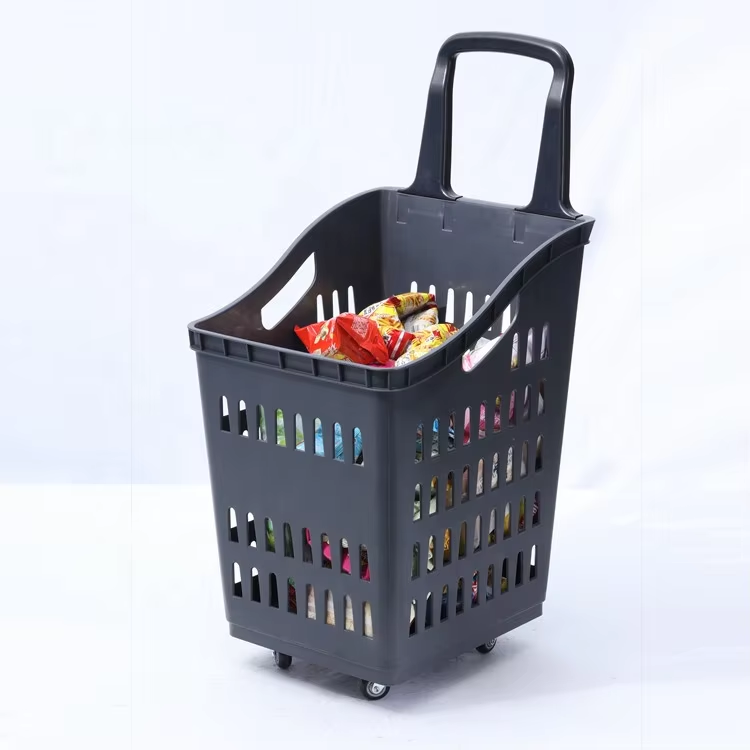
Modern retail environments demand innovative solutions to enhance customer experience while reducing physical strain. The introduction of wheeled shopping solutions has revolutionized how customers navigate through stores, particularly when carrying heavy items. A shopping basket with wheels represents a significant advancement in retail convenience, offering customers the ability to transport goods effortlessly throughout their shopping journey. This innovative design addresses one of the most common complaints in retail environments: the physical discomfort associated with carrying heavy baskets for extended periods.
Understanding Customer Fatigue in Retail Environments
Physical Strain from Traditional Shopping Methods
Traditional shopping baskets, while functional, place considerable strain on customers' arms, shoulders, and back muscles. As shoppers accumulate items during their visit, the weight distribution becomes increasingly problematic. Studies in ergonomics have shown that carrying heavy loads in fixed positions for extended periods leads to muscle fatigue and discomfort. This physical stress can significantly impact the overall shopping experience, potentially reducing the time customers spend in stores and limiting their purchasing decisions.
The cumulative effect of this strain becomes particularly evident during longer shopping trips or when customers purchase heavier items such as beverages, canned goods, or household products. Many shoppers unconsciously limit their purchases to avoid excessive physical discomfort, which directly impacts retail revenue. Understanding these physical limitations has driven retailers to seek more ergonomic solutions for their customers.
Impact on Shopping Behavior and Store Navigation
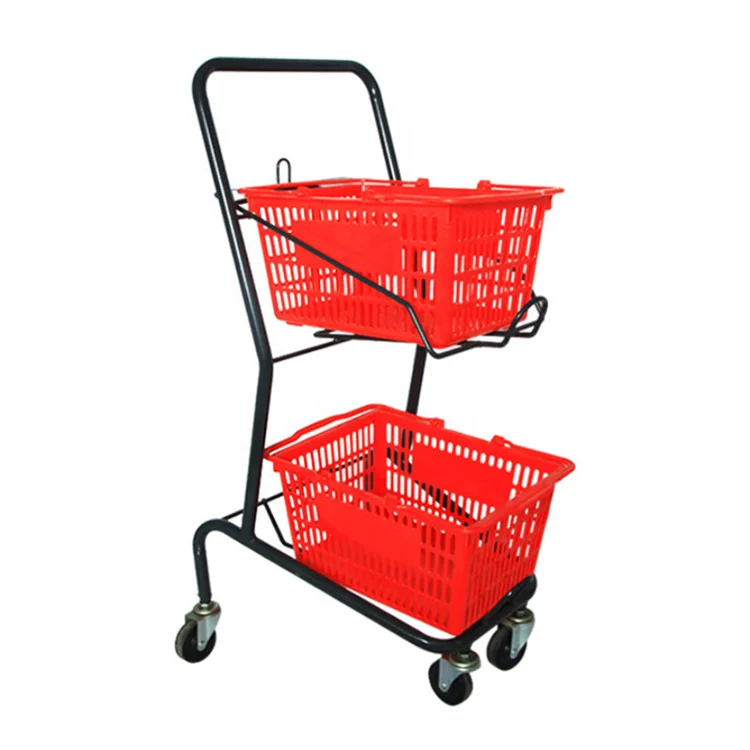
Customer fatigue influences shopping patterns in ways that extend beyond immediate physical discomfort. When shoppers experience arm strain from carrying heavy baskets, they tend to rush through their shopping experience, potentially missing promotional displays or impulse purchase opportunities. This hurried approach can reduce average transaction values and decrease customer satisfaction levels.
Furthermore, fatigued customers often seek shortcuts through store layouts, avoiding certain aisles or sections that might require additional walking. This behavior pattern can negatively impact merchandise visibility and reduce the effectiveness of strategic product placement. Retailers who recognize these behavioral changes can implement solutions that encourage more thorough store exploration and extended shopping sessions.
Revolutionary Design Features of Wheeled Shopping Solutions
Ergonomic Engineering and Weight Distribution
The engineering behind a modern shopping basket with wheels focuses on optimal weight distribution and user comfort. These innovative designs incorporate smooth-rolling wheels that can navigate various floor surfaces commonly found in retail environments. The wheel placement is strategically positioned to ensure stability while maintaining maneuverability, allowing customers to guide their baskets with minimal physical effort.
Advanced models feature telescoping handles that accommodate users of different heights, ensuring proper posture during use. The handle ergonomics are designed to reduce wrist strain and provide comfortable grip positions. This attention to biomechanical details transforms the shopping experience from a potentially strenuous activity into a comfortable, enjoyable process.
Durability and Functional Performance
Quality construction ensures that wheeled shopping baskets can withstand the rigorous demands of high-traffic retail environments. The wheel mechanisms are engineered to handle various weights while maintaining smooth operation over time. These baskets typically feature reinforced connection points where wheels attach to the main structure, preventing premature wear or failure.
The basket construction itself incorporates materials that balance durability with lightweight design principles. This combination ensures that even when empty, the shopping basket with wheels remains easy to maneuver while providing sufficient strength to carry heavy loads safely. Regular maintenance requirements are minimal, making these solutions cost-effective for retailers over extended periods.
Measurable Benefits for Customer Experience
Reduced Physical Strain and Improved Comfort
The primary advantage of wheeled shopping baskets lies in their ability to eliminate the need for customers to carry heavy loads. By transferring weight from the customer's arms and back to the floor through wheels, these baskets dramatically reduce physical strain. This improvement is particularly beneficial for elderly customers, individuals with mobility limitations, or anyone dealing with temporary injuries that might affect their ability to carry heavy items.
The comfort improvement extends beyond mere weight reduction. Customers using wheeled baskets report feeling more relaxed during their shopping experience, which often translates to longer store visits and more thorough product consideration. This enhanced comfort level can lead to increased customer loyalty and more positive word-of-mouth recommendations about the shopping experience.
Enhanced Shopping Capacity and Convenience
When physical limitations are removed, customers naturally tend to purchase more items per visit. The convenience of wheeled shopping baskets enables customers to consider larger quantities or heavier products without concern for carrying capacity. This increased purchasing power benefits both customers, who can complete more comprehensive shopping trips, and retailers, who see improved average transaction values.
The convenience factor also extends to families shopping with children or individuals managing multiple tasks simultaneously. Parents can focus on supervising children while easily maneuvering their shopping basket with wheels through store aisles. This multitasking capability makes shopping more efficient and less stressful for busy customers.
Strategic Advantages for Retail Operations
Increased Customer Dwell Time and Sales
Retailers implementing wheeled shopping solutions often observe increased customer dwell time within their stores. When shoppers experience reduced fatigue, they spend more time browsing products, reading labels, and comparing options. This extended engagement provides more opportunities for impulse purchases and allows customers to discover new products they might have overlooked during rushed shopping trips.
The correlation between customer comfort and sales performance becomes evident in stores that have adopted wheeled shopping baskets. Customers who feel comfortable during their shopping experience are more likely to explore different store sections and consider additional purchases. This behavioral change can significantly impact overall store revenue and customer satisfaction metrics.
Competitive Differentiation and Customer Retention
Stores offering shopping basket with wheels solutions often gain a competitive advantage in markets where such conveniences are uncommon. This differentiation can attract customers who prioritize comfort and convenience in their shopping experience. The perceived value of this service can influence customer store selection decisions, particularly among demographics that are more sensitive to physical comfort during shopping.
Long-term customer retention benefits emerge as shoppers associate positive experiences with stores that demonstrate concern for customer comfort. This association builds brand loyalty and can lead to increased visit frequency. Retailers who invest in customer comfort often see improved customer lifetime value as satisfied shoppers become regular patrons.
Implementation Considerations for Retailers
Cost-Benefit Analysis and ROI
The initial investment in wheeled shopping baskets requires careful consideration of long-term benefits versus upfront costs. While the initial purchase price may be higher than traditional baskets, the durability and customer satisfaction improvements often justify the investment. Retailers should evaluate factors such as increased average transaction values, improved customer retention rates, and reduced customer complaints related to shopping comfort.
Maintenance costs for shopping basket with wheels systems are typically minimal when quality products are selected. The return on investment often becomes apparent within the first year of implementation, as customers respond positively to the improved shopping experience. This positive response can manifest in various ways, including increased visit frequency, larger purchase amounts, and positive customer feedback.
Store Layout and Operational Integration
Successful implementation of wheeled shopping baskets requires consideration of store layout and aisle width requirements. While these baskets are designed to navigate standard retail environments, optimal performance requires adequate space for maneuvering. Retailers should assess their store layouts to ensure customers can comfortably use wheeled baskets throughout all areas.
Staff training may be necessary to help customers understand proper usage and to maintain the baskets in good working condition. Simple maintenance procedures and customer assistance protocols ensure that the shopping basket with wheels remains a positive addition to the retail experience rather than a source of frustration for unprepared customers.
Future Trends in Shopping Convenience Technology
Smart Features and Technology Integration
The evolution of shopping basket with wheels technology continues to advance with smart features that enhance functionality beyond basic transportation. Some modern versions incorporate features such as digital displays for shopping lists, barcode scanners for price checking, or GPS-style navigation systems to help customers locate specific products within large stores.
These technological enhancements represent the next generation of customer convenience tools, building upon the fundamental success of wheeled basket designs. As retailers continue to invest in customer experience improvements, these smart shopping solutions may become standard features rather than luxury options. The integration of technology with practical design creates opportunities for even greater customer satisfaction and operational efficiency.
Sustainability and Environmental Considerations
Modern shopping basket with wheels designs increasingly incorporate sustainable materials and manufacturing processes. Retailers are recognizing that environmentally conscious customers appreciate businesses that demonstrate commitment to sustainability through their operational choices. Durable, long-lasting basket designs reduce replacement frequency and minimize waste generation.
The longevity of quality wheeled shopping baskets also contributes to their environmental benefits. Rather than replacing damaged traditional baskets frequently, retailers can invest in durable wheeled options that serve customers effectively for many years. This approach aligns with broader sustainability goals while providing superior customer service.
FAQ
What weight capacity can wheeled shopping baskets typically handle?
Most quality wheeled shopping baskets can safely carry between 30 to 50 pounds of merchandise, depending on their specific design and construction materials. The weight distribution through the wheeled base allows these baskets to handle significantly more weight than customers could comfortably carry in traditional hand-held baskets. This increased capacity enables customers to shop for heavier items like beverages, canned goods, and household products without physical strain.
How do wheeled shopping baskets perform on different store floor surfaces?
Modern shopping basket with wheels designs feature wheels specifically engineered for retail environments, performing well on various surfaces including tile, concrete, vinyl, and even textured flooring. The wheels are typically made from durable materials that provide smooth rolling while maintaining quiet operation. Most quality models can transition between different floor types without difficulty, ensuring consistent performance throughout the store.
Are wheeled shopping baskets suitable for customers of all ages and abilities?
Wheeled shopping baskets are designed to benefit customers across all age groups and ability levels. They are particularly beneficial for elderly shoppers, individuals with mobility limitations, or anyone experiencing temporary physical restrictions. The ergonomic design and adjustable handle heights accommodate users of different statures, making them accessible to a broad customer base. Many customers with arthritis, back problems, or other physical challenges find wheeled baskets enable them to shop independently and comfortably.
What maintenance do wheeled shopping baskets require in retail environments?
Maintenance requirements for shopping basket with wheels are minimal but important for optimal performance. Regular cleaning of wheels to remove debris, periodic inspection of wheel mechanisms for smooth operation, and occasional lubrication of moving parts typically suffice. Most quality models are designed for easy maintenance, with accessible components that can be serviced quickly. Retailers should establish simple maintenance protocols to ensure baskets remain in good working condition and continue providing positive customer experiences.