
 EN
EN
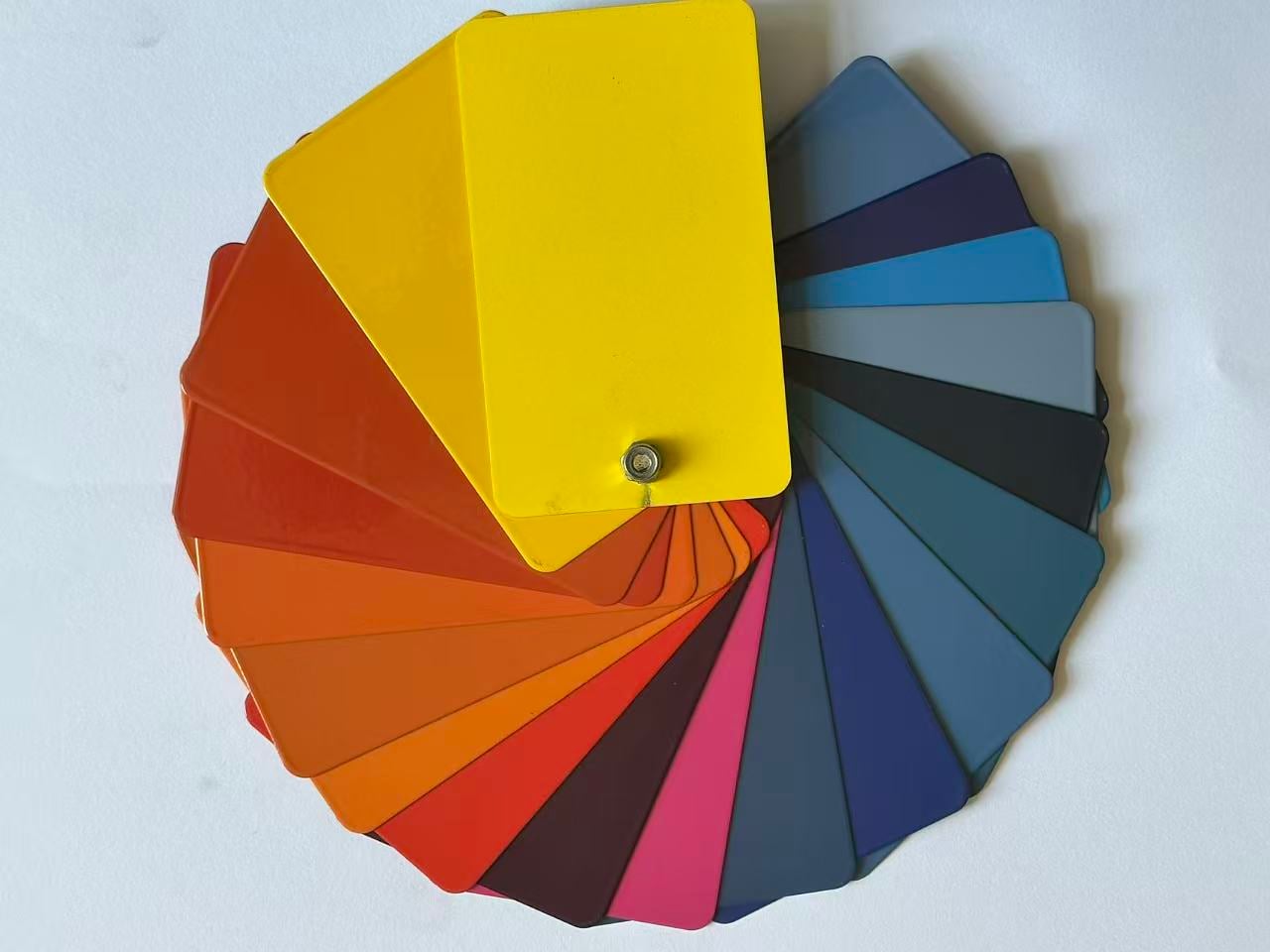
Epoxy powder has become essential in modern manufacturing for delivering finishes that withstand harsh industrial environments, chemical exposure, and mechanical stress. Unlike traditional liquid coatings, epoxy powder offers superior durability, faster curing times, and minimal waste during application. Understanding how epoxy powder contributes to durable finishes helps manufacturers select the right coating solution for their specific operational demands and product longevity requirements.
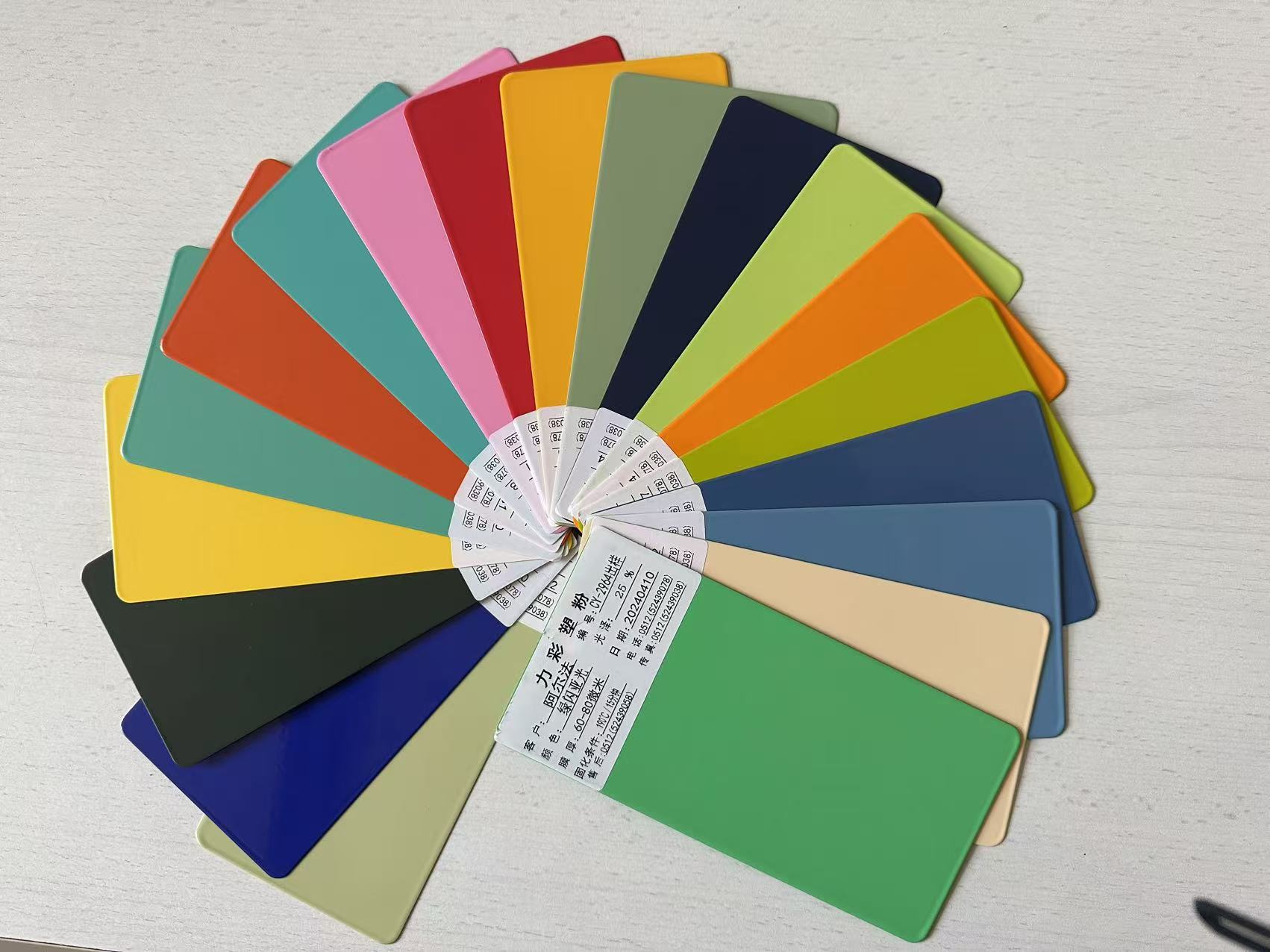
The durability of epoxy powder coatings stems from their molecular cross-linking structure, which creates a dense, impermeable barrier against environmental degradation. When epoxy powder is electrostatically applied and thermally cured, the resin particles fuse into a unified protective layer that resists corrosion, UV exposure, chemical infiltration, and abrasion far more effectively than conventional paint systems. This superior performance makes epoxy powder the preferred choice across automotive, heavy equipment, industrial metal, and infrastructure coating applications.
How Epoxy Powder Creates Durability Through Molecular Structure
Cross-Linking and Film Formation
Epoxy powder achieves its legendary durability through epoxy resin and hardener components that undergo complete polymerization during thermal curing. Unlike air-dry coatings that trap volatile organic compounds (VOCs) within the film, epoxy powder creates a fully cross-linked network with no trapped solvents to weaken the coating matrix. This dense molecular structure gives epoxy powder exceptional resistance to water penetration, salt-spray corrosion, and chemical solvents that would degrade inferior coating systems. The resulting finish remains stable and protective even after years of exposure to demanding industrial conditions.
Adhesion and Substrate Bonding
Strong adhesion is fundamental to how epoxy powder delivers durable finishes across diverse metal substrates. Epoxy powder formulations bond molecularly to steel, aluminum, and specialty metals during the cure cycle, creating a cohesive interface that prevents delamination, peeling, and edge rust. Superior substrate adhesion ensures that epoxy powder coatings maintain their protective barrier even under thermal cycling, mechanical vibration, and thermal shock—conditions that cause cheaper coatings to fail. This property makes epoxy powder invaluable for equipment that experiences temperature fluctuations or physical impact during operation.
Superior Performance Advantages of Epoxy Powder Coatings
Chemical and Corrosion Resistance
Manufacturing environments expose coatings to aggressive chemicals, salt spray, moisture, and oxidizing agents that rapidly degrade standard finishes. Epoxy powder excels in these harsh conditions because its fully cured film chemistry provides excellent resistance to acids, alkalis, fuels, solvents, and salt-laden atmospheres. Industries including marine equipment manufacturing, petrochemical processing, and automotive heavy-duty components rely on epoxy powder specifically for its proven resistance to chemical attack and corrosion initiation. The durability of epoxy powder in these applications directly translates to extended equipment lifespan, reduced maintenance costs, and improved return on coating investment.
Mechanical Durability and Impact Resistance
Epoxy powder formulations deliver exceptional mechanical toughness, enabling finishes that absorb impact energy without cracking or flaking. The elastic properties of epoxy powder allow the coating to flex slightly during thermal expansion and mechanical stress, preventing the brittle failure modes common in rigid coating systems. Manufacturing facilities processing heavy equipment, structural components, and machinery benefit from epoxy powder's ability to maintain coating integrity despite repeated vibration, abrasion, and handling stress. This mechanical durability ensures that the protective barrier remains intact throughout the product lifecycle, preventing corrosion initiation and premature coating failure.
Application Methods and Durability Optimization
Electrostatic Application Efficiency
Electrostatic spray application of epoxy powder maximizes coating efficiency and film consistency, which directly supports the durability characteristics of the finished coating. The electrostatic charge attracts epoxy powder particles uniformly to the substrate, creating even coating thickness and eliminating thin spots that would become corrosion initiation points. Precise control of epoxy powder spray parameters—including voltage, distance, and particle size distribution—ensures optimal film thickness and density that deliver target durability specifications. Manufacturing operations utilizing advanced electrostatic equipment achieve superior epoxy powder coverage, reduced material waste, and coating performance that consistently meets rigorous durability standards.
Thermal Cure and Durability Performance
The thermal curing process is absolutely critical to realizing the full durability potential of epoxy powder coatings. Industrial oven temperatures between 350°F and 450°F facilitate complete polymerization and cross-linking of epoxy powder particles, creating the dense molecular structure that delivers superior durability. Insufficient cure temperatures or inadequate cure time result in incomplete cross-linking, leaving epoxy powder coatings vulnerable to solvent penetration, moisture ingress, and accelerated degradation. Manufacturers implementing rigorous cure cycle controls and oven validation protocols ensure that epoxy powder achieves the maximum durability performance and chemical resistance that justify the coating investment.
Industry Applications Demanding Epoxy Powder Durability
Automotive and Heavy Equipment Manufacturing
The automotive and heavy equipment industries depend on epoxy powder for coating critical components including chassis brackets, fuel tanks, suspension hardware, and structural supports exposed to continuous vibration, road salt, and thermal stress. Epoxy powder coatings protect these components throughout their operational lifespan, typically 10 to 15 years, preventing rust initiation and maintaining structural integrity. Original equipment manufacturers (OEMs) specify epoxy powder because its durability directly correlates with warranty claims reduction and customer satisfaction across global markets with varying climate conditions.
Industrial Machinery and Metal Fabrication
Metal fabrication shops, industrial machinery manufacturers, and equipment builders apply epoxy powder to protect metal assemblies, hydraulic components, and structural frames destined for manufacturing plants, mining operations, and construction sites. These demanding environments subject epoxy powder coatings to continuous exposure to moisture, corrosive dust, chemical splash, and mechanical abrasion. The durability of epoxy powder ensures that protective coatings remain intact throughout equipment operation, minimizing downtime, reducing maintenance labor, and extending the productive lifespan of expensive industrial machinery.
Infrastructure and Utility Applications
Utilities, infrastructure operators, and municipalities apply epoxy powder to utility poles, transformer housings, street lighting components, and structural steel exposed to prolonged outdoor weathering, salt spray, and UV radiation. Epoxy powder's documented durability performance in harsh coastal and industrial environments makes it the standard specification for long-term infrastructure protection. The coating's resistance to environmental degradation ensures that infrastructure components remain protected and functional for 20+ years, justifying the upfront coating cost through eliminated premature replacement and reduced maintenance frequency.
FAQ
What makes epoxy powder more durable than conventional liquid paint?
Epoxy powder delivers superior durability because its fully cross-linked molecular structure creates a dense, impermeable barrier without trapped solvents that weaken the coating film. Conventional liquid paints rely on solvent evaporation and can trap residual moisture or solvents that compromise long-term protection. Epoxy powder's complete polymerization during thermal curing produces a coating matrix that resists chemical penetration, corrosion initiation, and mechanical degradation far more effectively than traditional paint systems, resulting in significantly extended protective lifespan.
How long can epoxy powder coatings last in industrial environments?
Properly applied and cured epoxy powder coatings typically maintain protective durability for 10 to 20 years in industrial manufacturing environments, depending on specific chemical exposure, temperature cycling, and mechanical stress conditions. Coastal or highly corrosive environments may see durability performance at the lower end of this range, while controlled indoor industrial settings can achieve the extended durability expectations. Regular maintenance inspections and touch-up procedures extend epoxy powder coating lifespan and ensure continuous corrosion protection throughout the equipment or component operational lifecycle.
Can epoxy powder be applied to different metal substrates?
Yes, epoxy powder demonstrates excellent adhesion and durability across diverse metal substrates including steel, galvanized steel, aluminum, stainless steel, and specialty metal alloys. Proper surface preparation—including abrasive blasting, degreasing, and chromate conversion coating on aluminum—is essential to optimize epoxy powder adhesion and durability performance. Different metal substrates may require specific epoxy powder formulations optimized for adhesion chemistry, but epoxy powder's versatility makes it suitable for virtually all manufacturing metal components requiring long-term corrosion protection and durable finishes.