
 EN
EN
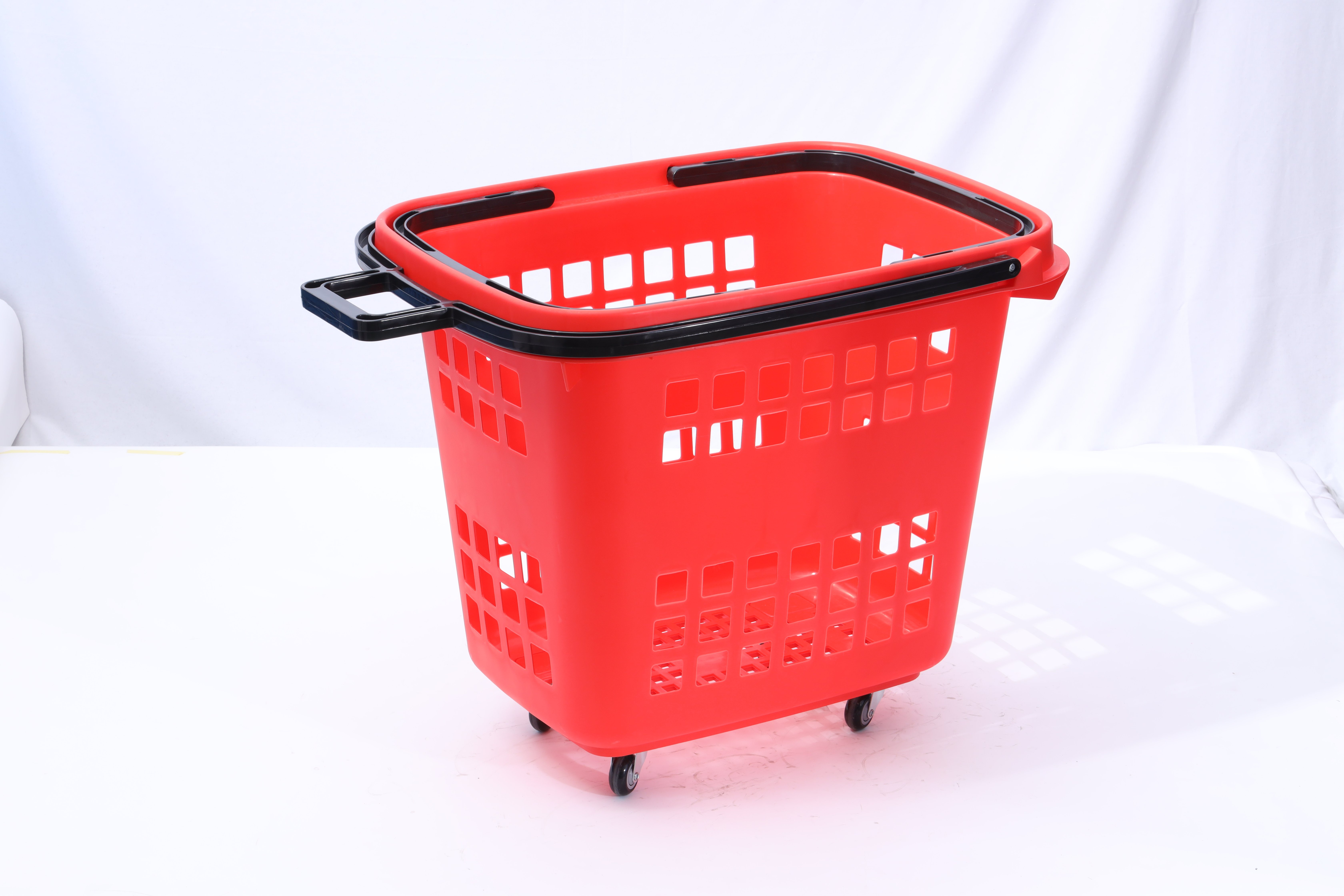
A supermarket basket is far more than a simple container—it represents a critical intersection between customer convenience and operational efficiency in modern retail environments. The evolution of the supermarket basket reflects decades of retail innovation, designed to address fundamental shopping challenges while enabling customers to browse and purchase with greater ease. Understanding how a supermarket basket improves the shopping experience reveals insights into consumer behavior, retail logistics, and the practical solutions that drive customer satisfaction in grocery and retail stores.
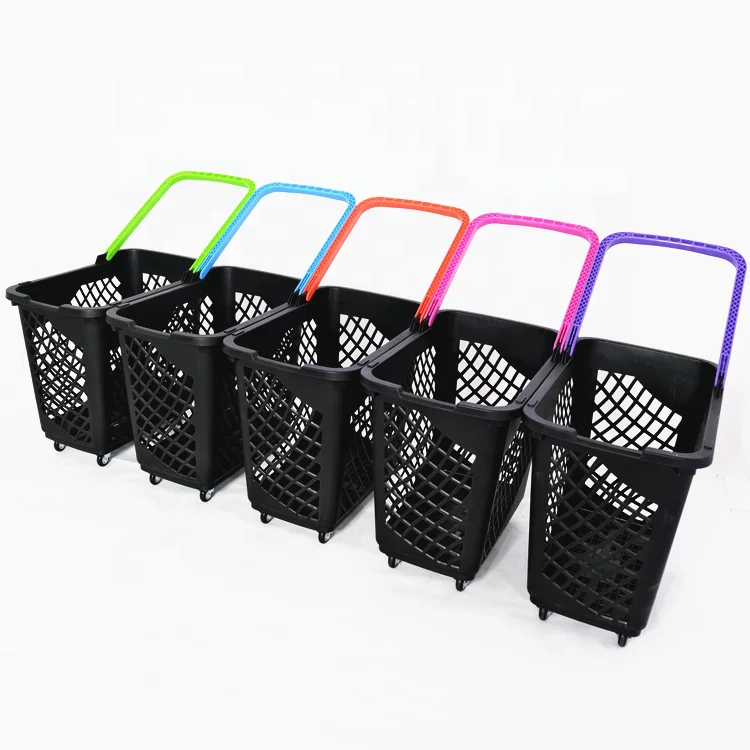
The supermarket basket serves as the bridge between customer intent and purchase completion. Whether customers are shopping for a quick transaction or conducting a comprehensive grocery run, the supermarket basket directly influences how efficiently they navigate store aisles, select products, and complete their shopping journey. This article explores the multifaceted ways a supermarket basket enhances convenience for both customers and retailers alike.
Design Features That Drive Customer Convenience
Ergonomic Construction and Comfortable Handling
The physical design of a supermarket basket plays a fundamental role in reducing shopping fatigue and improving the overall customer experience. Modern supermarket basket designs prioritize ergonomic handles that distribute weight evenly, preventing hand and wrist strain during extended shopping sessions. The basket's size and proportions are carefully calibrated to accommodate typical shopping volumes while remaining manageable for customers of varying ages and physical capabilities.
A well-designed supermarket basket incorporates lightweight yet durable materials that don't add unnecessary burden to customers already carrying multiple items. The interior spacing of a supermarket basket allows for efficient product organization, enabling customers to separate fragile items from heavier goods naturally. This thoughtful construction reduces the cognitive load of shopping and allows customers to focus on product selection rather than basket management.
Accessibility and Inclusive Shopping Experience
Retailers recognize that accessibility directly impacts customer retention and satisfaction. The supermarket basket must accommodate diverse customer needs, including elderly shoppers, parents with children, and individuals with mobility considerations. A properly designed supermarket basket provides stability and control that makes shopping feasible for wider customer demographics, expanding the retailer's potential market reach while serving all customers equitably.
Features like wheeled supermarket basket options or handles positioned at multiple heights ensure that a supermarket basket works effectively for various users. When retailers invest in inclusive supermarket basket solutions, they communicate a commitment to customer care that strengthens loyalty and encourages repeat visits. This accessibility advantage becomes particularly valuable during peak shopping periods when customer comfort directly influences satisfaction levels.
Operational Efficiency and Store Navigation
Reduced Transaction Friction and Faster Checkout
A supermarket basket directly reduces friction throughout the shopping process by enabling customers to efficiently collect items as they navigate store aisles. When customers have an appropriate supermarket basket readily available, they spend less time making repeat trips to checkout areas or deciding which items to abandon. This efficiency benefit extends to the checkout process itself—cashiers can process supermarket basket transactions more rapidly when items are organized within a familiar container, reducing overall transaction times and checkout queue congestion.
The availability of the right supermarket basket size encourages impulse purchasing by removing barriers to product consideration. When customers worry about carrying capacity, they make hurried decisions and skip product exploration. A convenient supermarket basket removes this constraint, allowing customers to browse freely and make more deliberate purchasing choices. This dynamic benefits both the retailer through increased basket size and the customer through a more satisfying shopping experience.
Store Layout Optimization and Customer Flow
Strategic placement of supermarket basket stations throughout retail environments directly influences customer movement patterns and store utilization. When customers can easily access a supermarket basket at entry points and multiple interior locations, they feel empowered to explore the entire store rather than confining their shopping to immediately accessible areas. This freedom of movement increases exposure to diverse product categories and promotional displays positioned throughout the retail space.
Retailers who maintain adequate supermarket basket inventory eliminate customer frustration that arises when baskets are unavailable during peak hours. This operational discipline ensures consistent shopping convenience and prevents customers from abandoning visits due to poor basket availability. The simple presence of a clean, functional supermarket basket communicates operational excellence and attention to customer needs, reinforcing positive brand perception.
Customer Satisfaction and Behavioral Impact
Psychological Comfort and Shopping Confidence
The availability of a well-maintained supermarket basket provides psychological reassurance that extends beyond practical utility. Customers who have access to an appropriate supermarket basket feel supported by the retailer and confident in their ability to shop effectively. This emotional dimension of the supermarket basket experience influences repeat visit frequency and customer loyalty more significantly than many retailers realize.
A supermarket basket in good condition signals that the retailer maintains high operational standards and values customer experience. Conversely, damaged baskets, poor condition, or insufficient inventory communicate operational indifference. Retailers who prioritize the quality and availability of their supermarket basket inventory invest directly in customer perception and satisfaction metrics. The simple act of having a clean, functional supermarket basket ready becomes a powerful touchpoint in the customer experience journey.
Extended Shopping Duration and Category Exploration
When customers have access to a comfortable supermarket basket, they naturally extend their shopping duration and explore more product categories. This behavioral pattern reflects the fundamental truth that shopping convenience directly influences purchasing behavior. A supermarket basket that reduces physical strain and simplifies item management allows customers to focus on products rather than logistics, leading to more comprehensive shopping trips and larger average transaction values.
Retailers leverage this relationship by ensuring supermarket basket availability supports their merchandising strategies. Product categories positioned in less-trafficked store areas become accessible when customers have convenient supermarket basket solutions that enable exploration. This connection between shopping tool convenience and store traffic patterns demonstrates why retailers increasingly view the supermarket basket as a strategic retail asset rather than a mere utility item.
FAQ
How does supermarket basket size affect customer shopping patterns?
The size of a supermarket basket directly influences how many items customers feel comfortable selecting during a shopping trip. Larger supermarket basket capacity encourages more comprehensive shopping, while smaller baskets suit quick-purchase scenarios. Retailers often provide multiple supermarket basket sizes to accommodate different shopping occasions, from small trips to complete weekly groceries. This flexibility ensures customers find an appropriately sized supermarket basket for their specific needs, maximizing convenience and satisfaction.
What material considerations are important when selecting a supermarket basket?
Material durability, weight, and maintenance requirements significantly impact the long-term effectiveness of a supermarket basket investment. Plastic materials dominate modern retail because plastic supermarket basket options resist moisture, staining, and physical wear while remaining lightweight. The choice of supermarket basket material affects both customer experience through weight and handling, and operational costs through durability and cleaning requirements. Retailers must balance material quality against replacement frequency when selecting supermarket basket types for their stores.
Can a supermarket basket influence customer spending and transaction value?
Research demonstrates that supermarket basket availability and capacity directly correlate with average transaction values and customer spending patterns. When customers have access to convenient supermarket basket solutions, they feel empowered to browse more extensively and make additional purchases without worry about carrying capacity. The simple presence of an appropriate supermarket basket removes behavioral barriers to spending, making it an underutilized but highly effective retail tool. Retailers who optimize their supermarket basket strategy often observe measurable improvements in transaction values and customer satisfaction scores.