
 EN
EN
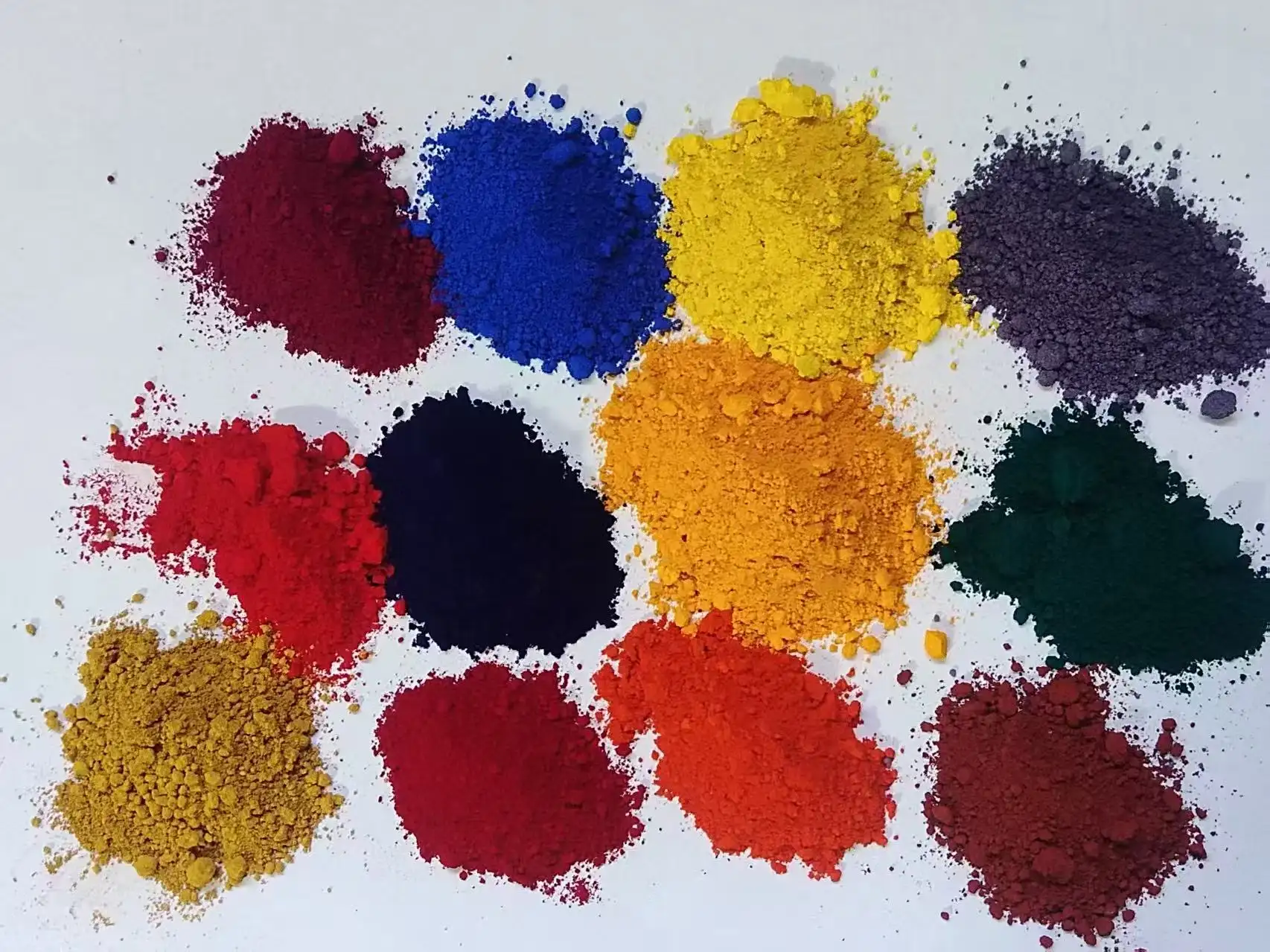
Industrial environments present some of the harshest conditions for protective coatings, where exposure to chemicals, moisture, temperature fluctuations, and mechanical stress can rapidly degrade traditional coating systems. Epoxy powder has emerged as a revolutionary solution for enhancing corrosion resistance in industrial applications, offering superior protection compared to conventional liquid coatings. This advanced coating technology provides exceptional barrier properties, chemical resistance, and durability that make it indispensable for protecting critical infrastructure and equipment in manufacturing, automotive, marine, and construction industries.
Understanding Epoxy Powder Coating Technology
Chemical Composition and Structure
Epoxy powder coatings are thermosetting polymers composed primarily of epoxy resins, curing agents, pigments, and various additives that enhance performance characteristics. The molecular structure of epoxy powder creates a three-dimensional crosslinked network upon curing, forming an extremely dense and impermeable barrier against corrosive elements. This crosslinked structure provides superior mechanical properties and chemical resistance compared to thermoplastic coatings, making epoxy powder an ideal choice for demanding industrial applications.
The curing process of epoxy powder involves a chemical reaction between the epoxy resin and hardener when exposed to elevated temperatures, typically ranging from 160°C to 220°C. This reaction creates covalent bonds throughout the coating matrix, resulting in a coating that exhibits excellent adhesion, hardness, and resistance to environmental degradation. The absence of volatile organic compounds during the curing process makes epoxy powder an environmentally friendly alternative to solvent-based coatings.
Manufacturing Process and Quality Control
The production of high-quality epoxy powder requires precise control of raw material ratios, particle size distribution, and manufacturing parameters. Advanced melt-mixing techniques ensure uniform dispersion of all components, while controlled cooling and grinding processes achieve the optimal particle size for efficient electrostatic application. Quality control measures throughout the manufacturing process guarantee consistent performance characteristics and reliable corrosion protection in the final coating system.
Modern epoxy powder formulations incorporate advanced additives such as corrosion inhibitors, UV stabilizers, and flow control agents to enhance specific performance attributes. These carefully selected additives work synergistically with the base epoxy resin to provide comprehensive protection against various degradation mechanisms while maintaining excellent application properties and aesthetic appeal.
Corrosion Protection Mechanisms
Barrier Protection Properties
The primary mechanism by which epoxy powder provides corrosion resistance is through barrier protection, creating a physical shield between the substrate and corrosive environment. The dense, crosslinked structure of cured epoxy powder effectively prevents the penetration of moisture, oxygen, and aggressive chemicals that initiate and sustain corrosion processes. This barrier function is particularly effective when the coating thickness is optimized and the surface preparation is properly executed.
Laboratory testing has demonstrated that properly applied epoxy powder coatings can provide barrier protection for decades in moderate to severe industrial environments. The low permeability of epoxy powder to water vapor and ionic species significantly reduces the rate of electrochemical reactions at the substrate surface, effectively extending the service life of protected components.
Chemical Resistance and Stability
Epoxy powder coatings exhibit exceptional resistance to a wide range of chemicals commonly encountered in industrial settings, including acids, alkalis, solvents, and salt solutions. The crosslinked polymer network resists chemical attack by preventing the penetration and absorption of aggressive substances. This chemical resistance is particularly valuable in chemical processing facilities, wastewater treatment plants, and marine environments where exposure to corrosive chemicals is constant.
The thermal stability of epoxy powder ensures that protective properties are maintained even under elevated temperature conditions. Unlike organic coatings that may degrade or soften at moderate temperatures, properly formulated epoxy powder maintains its integrity and protective function across a wide temperature range, making it suitable for applications involving heat exposure or thermal cycling.
Application Advantages in Industrial Settings
Electrostatic Application Process
The electrostatic spray application of epoxy powder offers significant advantages over traditional liquid coating methods, including improved transfer efficiency, reduced waste, and enhanced coating uniformity. The charged powder particles are attracted to grounded substrates, ensuring excellent coverage even in complex geometries and recessed areas. This application method eliminates the need for primers in many applications, reducing system complexity and overall coating costs.
The ability to reclaim and reuse overspray makes epoxy powder application highly efficient and environmentally responsible. Modern powder coating systems can achieve transfer efficiencies exceeding 95%, significantly reducing material waste compared to liquid coatings. The absence of volatile organic compounds during application eliminates the need for specialized ventilation equipment and reduces environmental compliance requirements.
Performance in Harsh Environments
Industrial facilities often subject protective coatings to extreme conditions including temperature fluctuations, chemical exposure, mechanical impact, and UV radiation. Epoxy powder demonstrates superior performance under these challenging conditions, maintaining protective integrity where conventional coatings might fail. The flexibility and impact resistance of epoxy powder prevent cracking and delamination under mechanical stress, while excellent adhesion properties ensure long-term bond strength to various substrates.
Field performance data from industrial installations confirms that epoxy powder coatings can provide reliable corrosion protection for 15-20 years or more in moderate environments, with excellent performance maintained even in offshore marine applications and chemical processing facilities. This extended service life translates to significant cost savings through reduced maintenance frequency and improved asset availability.
Substrate Compatibility and Surface Preparation
Metal Substrate Preparation
Proper surface preparation is critical for achieving optimal adhesion and corrosion resistance with epoxy powder coatings. Steel substrates typically require blast cleaning to remove mill scale, rust, and contaminants, creating a clean, profiled surface that promotes mechanical adhesion. The surface profile should be optimized for the specific epoxy powder formulation, with typical requirements ranging from 25-75 microns peak-to-valley height.
Aluminum and other non-ferrous metals may require chemical pretreatment or conversion coating to enhance adhesion and provide additional corrosion resistance. Chromate conversion coatings, phosphate treatments, and anodizing can significantly improve the performance of epoxy powder on aluminum substrates, particularly in aggressive environments where galvanic corrosion might occur.
Quality Control and Testing
Comprehensive quality control testing ensures that epoxy powder coatings meet specified performance requirements and provide reliable corrosion protection. Standard test methods include adhesion testing, salt spray exposure, cyclic corrosion testing, and chemical resistance evaluation. These tests validate the coating system's ability to withstand specific environmental conditions and provide quantitative data for service life prediction.
Advanced analytical techniques such as electrochemical impedance spectroscopy and scanning electron microscopy provide detailed information about coating performance and failure mechanisms. This scientific approach to quality control enables continuous improvement in epoxy powder formulations and application processes, ensuring optimal corrosion resistance for specific industrial applications.
Economic Benefits and Cost-Effectiveness
Lifecycle Cost Analysis
While the initial cost of epoxy powder coatings may exceed that of conventional paint systems, the total lifecycle cost is typically significantly lower due to extended service life and reduced maintenance requirements. Economic analysis of industrial coating systems must consider factors including material costs, application labor, surface preparation, downtime for maintenance, and disposal costs for failed coatings.
The durability of epoxy powder coatings reduces the frequency of recoating cycles, minimizing production disruptions and maintenance costs. In critical applications where equipment availability is paramount, the extended service life of epoxy powder can provide substantial economic benefits through improved operational efficiency and reduced unscheduled maintenance.
Environmental and Regulatory Compliance
The environmental advantages of epoxy powder extend beyond the absence of volatile organic compounds to include reduced waste generation and improved worker safety. The ability to reclaim overspray reduces material consumption and eliminates hazardous waste disposal costs associated with contaminated solvent-based coatings. Additionally, the absence of flammable solvents reduces fire risks and insurance costs in industrial facilities.
Regulatory compliance is increasingly important in industrial operations, and epoxy powder coatings help facilities meet stringent environmental standards without compromising performance. The elimination of air pollutants and hazardous waste simplifies permitting requirements and reduces regulatory compliance costs, making epoxy powder an attractive option for environmentally conscious organizations.
Future Developments and Innovations
Advanced Formulation Technologies
Ongoing research in epoxy powder technology focuses on developing enhanced formulations with improved performance characteristics, including lower curing temperatures, enhanced flexibility, and superior chemical resistance. Nanotechnology applications in epoxy powder coatings show promise for achieving unprecedented barrier properties and self-healing capabilities that could further extend service life and reduce maintenance requirements.
Smart coating technologies incorporating sensors and monitoring capabilities represent an emerging trend in industrial coating applications. These advanced epoxy powder systems could provide real-time information about coating condition and substrate integrity, enabling predictive maintenance strategies and optimizing coating system performance.
Industry-Specific Applications
The versatility of epoxy powder enables customization for specific industrial applications, with specialized formulations developed for automotive, aerospace, oil and gas, and renewable energy sectors. These industry-specific epoxy powder coatings incorporate unique performance requirements such as fuel resistance, extreme temperature tolerance, or enhanced electrical properties while maintaining excellent corrosion resistance.
Emerging applications in offshore wind energy, solar panel mounting systems, and electric vehicle infrastructure demonstrate the expanding role of epoxy powder in sustainable technology sectors. The combination of environmental compatibility and superior performance makes epoxy powder an ideal coating solution for next-generation industrial applications.
FAQ
How long does epoxy powder coating last in industrial environments
Epoxy powder coatings typically provide 15-20 years of reliable corrosion protection in moderate industrial environments, with some installations exceeding 25 years of service life. The actual duration depends on factors including environmental severity, surface preparation quality, coating thickness, and maintenance practices. In harsh chemical or marine environments, service life may be reduced but still significantly exceeds that of conventional paint systems.
Can epoxy powder be applied over existing coatings
Epoxy powder can be applied over certain existing coatings if the substrate is properly prepared and compatible. The existing coating must be well-adhered, chemically compatible, and free from contaminants. Surface preparation typically involves cleaning and light abrasion to promote adhesion. However, optimal performance is achieved when epoxy powder is applied directly to properly prepared substrate surfaces.
What surface preparation is required for epoxy powder application
Steel substrates require blast cleaning to Sa 2.5 or NACE No. 2 standards, creating a clean surface with 25-75 micron profile. Aluminum substrates may require chemical pretreatment or conversion coating. All surfaces must be free from oils, salts, and moisture before epoxy powder application. Proper surface preparation is critical for achieving optimal adhesion and corrosion resistance performance.
Is epoxy powder suitable for high-temperature applications
Standard epoxy powder coatings are suitable for continuous service temperatures up to 120-150°C, with specialized high-temperature formulations available for applications up to 200°C or higher. The thermal stability of epoxy powder makes it superior to many organic coatings for elevated temperature applications. However, specific temperature requirements should be evaluated against coating formulation capabilities to ensure optimal performance.