
 EN
EN
Return logistics operations face mounting pressure to optimize warehouse space while maintaining cost-effective processes. The implementation of space-saving storage solutions has become critical for businesses managing reverse supply chains. A folding crate represents a revolutionary approach to addressing these challenges by providing collapsible storage that dramatically reduces space requirements when not in use. These innovative containers offer significant advantages over traditional rigid storage systems in return logistics environments.
Understanding Space Efficiency in Return Logistics
The Challenge of Static Storage Systems
Traditional return logistics operations rely heavily on rigid storage containers that occupy consistent floor space regardless of their contents. This static approach creates significant inefficiencies, particularly during fluctuating return volumes. Empty containers consume valuable warehouse real estate that could be utilized for active inventory or processing areas. The cumulative effect of underutilized storage space directly impacts operational costs and reduces overall facility productivity.
Return logistics facilities often experience seasonal variations in product returns, creating periods of excess container capacity. During low-volume periods, empty rigid containers become space-consuming liabilities rather than functional assets. This inefficiency becomes particularly pronounced in urban distribution centers where real estate costs are premium. The financial impact extends beyond storage costs to include opportunity costs of alternative space utilization.
Dynamic Space Utilization Benefits
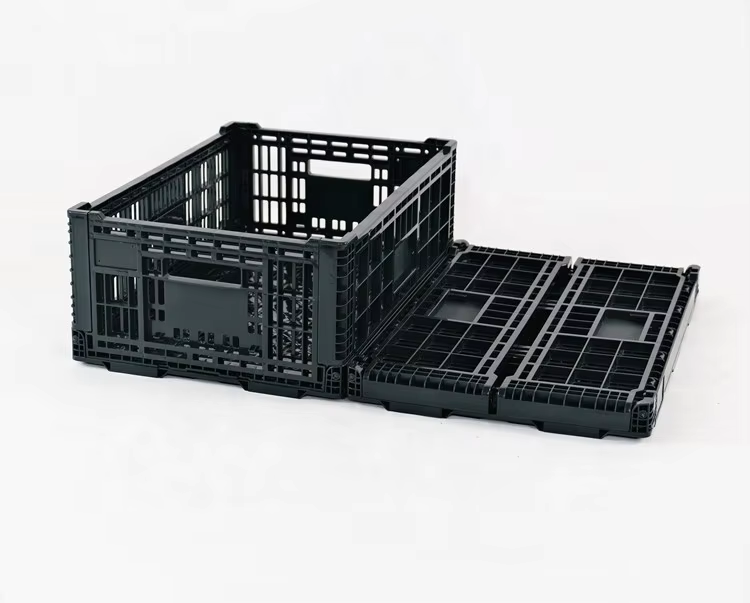
A folding crate transforms space utilization from a static constraint into a dynamic advantage. When collapsed, these containers occupy approximately 75% less space than their expanded counterparts. This dramatic space reduction enables facilities to maintain larger container inventories in significantly smaller storage footprints. The flexibility allows operations to scale container capacity up or down based on actual demand rather than projected maximum requirements.
The space efficiency of collapsible containers extends beyond simple storage considerations. Reduced storage requirements create opportunities for enhanced workflow organization and improved facility layout optimization. Additional floor space can be allocated to value-added activities such as quality inspection stations, refurbishment areas, or temporary staging zones. This dynamic approach to space management supports more agile and responsive return logistics operations.
Operational Advantages of Collapsible Container Systems
Enhanced Workflow Efficiency
Implementing a folding crate system streamlines return logistics workflows by reducing container handling complexity. Workers can quickly expand containers as needed and collapse them immediately after use, maintaining optimal space utilization throughout processing cycles. This flexibility reduces the time spent managing empty containers and allows staff to focus on core value-added activities. The standardized folding mechanism ensures consistent operation across different worker skill levels.
The collapsible nature of these containers facilitates improved inventory flow management within return logistics facilities. Empty containers can be efficiently stored in designated collapse zones, eliminating the need for extensive empty container staging areas. This optimization reduces internal material handling distances and minimizes forklift traffic in processing areas. The result is smoother operational flow and reduced congestion in high-traffic warehouse zones.
Scalability and Flexibility Advantages
Return logistics operations benefit significantly from the scalability offered by folding crate systems. Facilities can maintain larger container inventories without proportional increases in storage space requirements. This capability enables operations to handle unexpected return volume spikes without space constraints limiting processing capacity. The flexibility supports both planned seasonal adjustments and unplanned demand variations.
The modular nature of collapsible containers supports diverse return product categories within the same facility. Different container sizes can be deployed as needed while maintaining efficient storage when collapsed. This adaptability reduces the need for specialized container types and simplifies inventory management. Operations can optimize container allocation based on actual return patterns rather than predetermined storage limitations.
Transportation and Distribution Benefits
Shipping Cost Optimization
The transportation advantages of a folding crate extend throughout the entire return logistics network. Collapsed containers occupy minimal shipping volume, allowing significantly more units to be transported per shipment. This efficiency reduces per-unit transportation costs and minimizes the environmental impact of empty container distribution. The space savings translate directly into reduced freight expenses across the supply chain.
Return trips in logistics networks often involve transporting empty containers back to origin points or distribution centers. Collapsible containers dramatically improve return trip efficiency by maximizing the number of empty units that can be consolidated into single shipments. This optimization reduces the frequency of return trips and improves overall network utilization. The transportation savings compound over time, creating significant cost advantages for high-volume return operations.
Network Distribution Efficiency
Multi-location return logistics networks benefit from improved container distribution efficiency when implementing collapsible systems. Central distribution points can maintain larger container inventories in smaller spaces, enabling more responsive allocation to network locations. The reduced shipping volumes allow for more frequent container replenishment cycles without proportional cost increases. This flexibility supports dynamic network optimization based on actual return patterns.
The standardized design of folding crate systems facilitates improved inventory management across distributed network locations. Uniform collapse ratios and handling procedures simplify training and reduce operational complexity. Network locations can maintain appropriate container inventories without excessive space commitments, improving local operational efficiency. The system supports both centralized and decentralized inventory management strategies.
Environmental and Sustainability Impact
Reduced Carbon Footprint
The environmental benefits of implementing folding crate systems in return logistics extend beyond immediate operational improvements. Reduced transportation requirements for empty containers directly decrease fuel consumption and carbon emissions throughout the supply chain. The space efficiency improvements translate into measurable environmental impact reductions across multiple operational aspects. These benefits align with corporate sustainability initiatives and regulatory environmental requirements.
The durability and reusability of quality collapsible containers contribute to reduced waste generation in return logistics operations. Extended container lifecycles reduce replacement frequencies and minimize disposal requirements. The robust construction of professional-grade folding containers ensures reliable performance through thousands of fold cycles. This longevity supports sustainable operational practices while maintaining cost-effectiveness.
Resource Optimization Benefits
Efficient space utilization enabled by folding crate systems reduces the overall facility footprint requirements for return logistics operations. Smaller facility needs translate into reduced energy consumption for heating, cooling, and lighting warehouse spaces. The optimization extends to reduced material handling equipment requirements and associated energy consumption. These cumulative effects contribute to meaningful sustainability improvements.
The standardization possible with collapsible container systems reduces the variety of container types needed in return logistics operations. This simplification reduces manufacturing complexity and enables economies of scale in container production. The reduced material diversity simplifies recycling and end-of-life management processes. The overall system efficiency supports circular economy principles in logistics operations.
Implementation Considerations and Best Practices
System Integration Requirements
Successful implementation of folding crate systems requires careful integration with existing return logistics processes and infrastructure. Facility layout modifications may be necessary to optimize collapse and storage areas for maximum efficiency gains. Worker training programs ensure proper folding techniques and maximize container lifecycle performance. Integration with warehouse management systems enables tracking of both expanded and collapsed container inventories.
The transition to collapsible containers should be planned to minimize operational disruptions during implementation phases. Phased rollouts allow operations to adapt gradually while maintaining service levels throughout the transition period. Change management processes ensure worker acceptance and proper utilization of new container capabilities. Continuous monitoring during implementation enables process refinements and optimization.
Quality and Durability Standards
Selecting appropriate folding crate specifications ensures long-term operational success and cost-effectiveness. Load capacity requirements must align with typical return product weights and handling processes. Fold cycle ratings should exceed expected usage patterns with appropriate safety margins. Material specifications should consider the operating environment conditions and chemical compatibility requirements.
Regular maintenance and inspection programs maximize container lifecycle performance and identify potential issues before failures occur. Proper handling training reduces premature wear and extends operational life. Quality control processes during container receipt ensure specifications compliance and performance reliability. Systematic replacement planning maintains optimal fleet condition and performance standards.
FAQ
What space savings can be achieved with folding crates in return logistics?
Folding crates typically achieve 70-80% space reduction when collapsed compared to rigid containers. In return logistics operations, this translates to storing 4-5 times more empty containers in the same space. The exact savings depend on container design and collapse ratio, but most operations see immediate warehouse space optimization. These space savings enable facilities to handle larger return volumes without facility expansion.
How durable are folding crates for repeated use in return logistics?
Quality folding crates are designed for thousands of fold cycles under normal operating conditions. Professional-grade containers typically withstand 10,000+ fold cycles while maintaining structural integrity. The durability depends on proper handling, appropriate load limits, and regular maintenance. Return logistics operations often see 3-5 year lifespans with proper care and usage within specifications.
Do folding crates require special handling equipment or training?
Folding crates are designed for manual operation without special equipment requirements. Workers can typically learn proper folding techniques within minutes through basic training. Standard material handling equipment like forklifts and conveyors work normally with both expanded and collapsed containers. The learning curve is minimal, and most operations achieve full proficiency within days of implementation.
What return on investment can be expected from implementing folding crates?
Most return logistics operations see ROI within 12-18 months through space savings, reduced transportation costs, and improved efficiency. The primary savings come from reduced facility space requirements and optimized empty container transportation. Additional benefits include improved workflow efficiency and reduced labor costs for container management. The exact ROI depends on operation scale, current inefficiencies, and implementation quality.