
 EN
EN

Understanding how plastic pallets transform warehouse logistics operations reveals why modern distribution centers increasingly rely on these versatile platforms for efficient bulk goods handling. The systematic implementation of plastic pallet solutions addresses critical challenges in storage density optimization, material handling efficiency, and automated warehouse integration that traditional wooden alternatives cannot adequately solve.
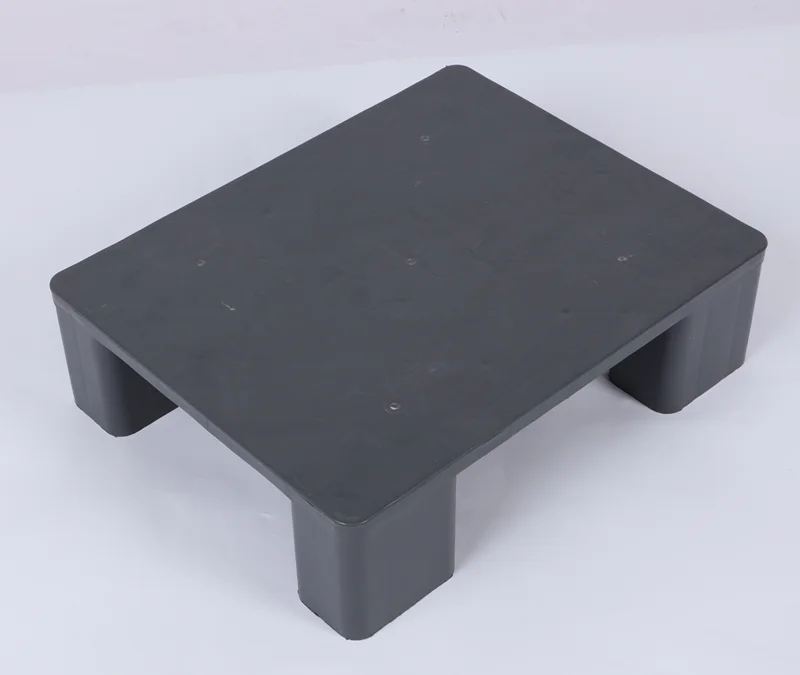
The operational mechanism of plastic pallet utilization in warehouse environments centers on creating standardized load units that enable seamless integration with automated material handling equipment, facilitate precise inventory tracking, and support consistent stacking protocols throughout the supply chain. This systematic approach to bulk goods management transforms how warehouse operators approach space utilization, labor productivity, and inventory accuracy across diverse industrial applications.
Fundamental Operating Mechanisms of Plastic Pallets in Warehouse Systems
Load Distribution and Structural Support Principles
The plastic pallet functions as a load-bearing platform by distributing weight evenly across its structural framework, enabling forklift access from all four sides while maintaining dimensional stability under varying load conditions. The engineered design incorporates reinforcement ribs and strategic material thickness variations that allow each plastic pallet to support specific weight capacities ranging from 1,000 to 3,000 pounds depending on the application requirements.
Strategic placement of drainage channels and anti-slip surfaces on the plastic pallet deck ensures secure cargo positioning while facilitating cleaning operations that maintain hygiene standards in food, pharmaceutical, and chemical storage environments. The interlocking edge design prevents lateral movement during stacking operations, creating stable load configurations that reduce product damage risks during transportation and storage phases.
Forklift Integration and Material Handling Compatibility
Modern plastic pallet designs accommodate standard forklift tine spacing configurations while providing sufficient clearance for automated guided vehicle navigation systems used in advanced warehouse operations. The precision-molded entry points ensure consistent lifting angles that prevent equipment damage and reduce operator fatigue during high-volume material handling activities.
The lightweight characteristics of the plastic pallet, typically 30-50% lighter than equivalent wooden alternatives, reduce fuel consumption in motorized handling equipment while enabling higher productivity rates through faster acceleration and deceleration cycles. This weight optimization directly translates to reduced operational costs in facilities processing hundreds of palletized loads daily.
Storage Density Optimization Through Plastic Pallet Implementation
Vertical Stacking Capabilities and Space Utilization
The consistent dimensions and structural integrity of plastic pallets enable warehouse operators to maximize vertical storage capacity through precise stacking protocols that utilize full ceiling height potential. Each plastic pallet maintains its dimensional stability under compressive loads, allowing for safe stacking heights of 6-8 units depending on load characteristics and safety requirements established by warehouse management systems.
Strategic implementation of plastic pallet standardization eliminates the dimensional variations commonly found with wooden alternatives, enabling warehouse designers to optimize rack spacing configurations that increase storage density by 15-20% compared to mixed-pallet environments. This consistency allows for automated storage and retrieval system integration that requires precise dimensional tolerances for optimal performance.
Inventory Management and Tracking Integration
The smooth surface characteristics of plastic pallets provide ideal mounting surfaces for RFID tags, barcode labels, and other tracking technologies that enable real-time inventory monitoring throughout warehouse operations. The chemical resistance properties ensure tracking device longevity in harsh environments where wooden pallets would deteriorate and compromise data accuracy.
Integration of colored plastic pallet systems enables visual inventory segregation that supports lean manufacturing principles and just-in-time delivery protocols. This color-coding approach facilitates rapid identification of product categories, rotation schedules, and quality control classifications that streamline warehouse picking operations.
Bulk Goods Handling Efficiency Through Plastic Pallet Systems
Load Consolidation and Unit Formation Strategies
The plastic pallet serves as the foundation for efficient bulk goods consolidation by providing a standardized platform that accommodates various package sizes and configurations while maintaining load stability throughout the supply chain. The anti-slip surface texture prevents package migration during transportation, reducing the need for excessive stretch wrap or strapping materials that add packaging costs.
Strategic utilization of plastic pallet dimensions enables warehouse operators to optimize truck loading configurations that maximize trailer cube utilization while maintaining proper weight distribution across axle limits. This optimization reduces transportation costs per unit by enabling higher payload densities compared to irregularly sized or damaged wooden pallet alternatives.
Cross-Docking and Flow-Through Operations
The durability characteristics of plastic pallets support high-velocity cross-docking operations where goods transfer directly from inbound to outbound transportation without intermediate storage phases. The impact resistance properties prevent structural degradation during rapid handling cycles that would quickly compromise wooden pallet integrity in fast-paced distribution environments.
Implementation of plastic pallet pools in cross-docking facilities eliminates the sorting and repair activities required with mixed wooden pallet inventories, allowing warehouse teams to focus on value-added activities rather than pallet maintenance. This operational efficiency directly reduces labor costs while improving throughput capacity during peak demand periods.
Integration with Automated Warehouse Technologies
Conveyor System Compatibility and Performance
The smooth bottom surface of plastic pallets ensures consistent performance on automated conveyor systems by eliminating the protruding nails, splinters, and dimensional irregularities that cause jamming incidents in mechanical handling equipment. This compatibility enables 24/7 automated operations with minimal maintenance interruptions that compromise productivity targets.
Precision-molded runner configurations on plastic pallets provide optimal contact points for belt conveyors, roller systems, and chain-driven equipment while distributing mechanical stress evenly across the pallet structure. This design approach prevents premature wear that could compromise operational reliability in high-volume automated facilities processing thousands of units daily.
Robotic Handling and Automated Storage Integration
The consistent weight and dimensional characteristics of plastic pallets enable robotic handling systems to operate with precise calibration settings that optimize cycle times and reduce programming complexity. Each plastic pallet presents identical handling characteristics that eliminate the variable compensation algorithms required when processing mixed wooden pallet inventories.
Advanced warehouse management systems integrate plastic pallet specifications into automated storage algorithms that optimize placement strategies based on product velocity, size compatibility, and retrieval frequency patterns. This integration enables dynamic inventory positioning that reduces average picking distances while maintaining optimal storage density utilization throughout changing demand cycles.
FAQ
How do plastic pallets improve warehouse efficiency compared to wooden alternatives?
Plastic pallets improve warehouse efficiency through consistent dimensions that optimize storage density, lighter weight that reduces handling equipment fuel consumption, and smooth surfaces that enable automated conveyor operation without jamming incidents. The durability eliminates ongoing repair and replacement activities that divert labor resources from productive warehouse operations, while chemical resistance maintains tracking device functionality in harsh environments.
What bulk goods handling challenges do plastic pallets specifically address?
Plastic pallets address bulk goods handling challenges including load consolidation instability, package migration during transportation, and incompatibility with automated material handling equipment. The anti-slip surface texture prevents package shifting, while standardized dimensions enable optimal truck loading configurations that maximize payload capacity and reduce transportation costs per unit shipped.
Can plastic pallets integrate with existing warehouse management systems?
Plastic pallets integrate seamlessly with existing warehouse management systems through mounting surfaces for RFID tags and barcode labels that enable real-time inventory tracking throughout storage and handling operations. The chemical resistance properties ensure tracking device longevity, while color-coding capabilities support visual inventory segregation that complements digital tracking protocols for enhanced operational accuracy.
How do plastic pallets support automated warehouse operations?
Plastic pallets support automated warehouse operations through consistent dimensional tolerances that enable precise robotic handling calibration, smooth surfaces that prevent conveyor system jamming, and uniform weight characteristics that optimize automated storage algorithms. The precision-molded design accommodates standard forklift configurations while providing clearance for automated guided vehicle navigation in advanced distribution facilities.