
 EN
EN
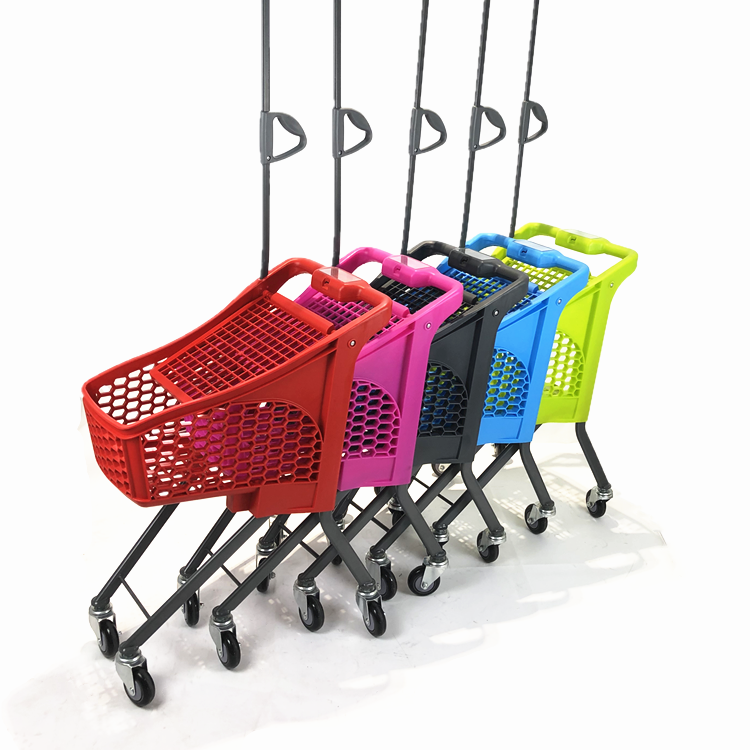
Large-scale retail supply programs require equipment that balances durability, cost-effectiveness, and operational reliability across thousands of units. The plastic shopping cart has become a central consideration for retailers planning infrastructure investments, yet many decision-makers remain uncertain whether this material choice delivers the performance needed for high-volume retail environments. Understanding the suitability of a plastic shopping cart for enterprise-level programs requires examining real-world performance data, total cost of ownership, and specific operational demands.
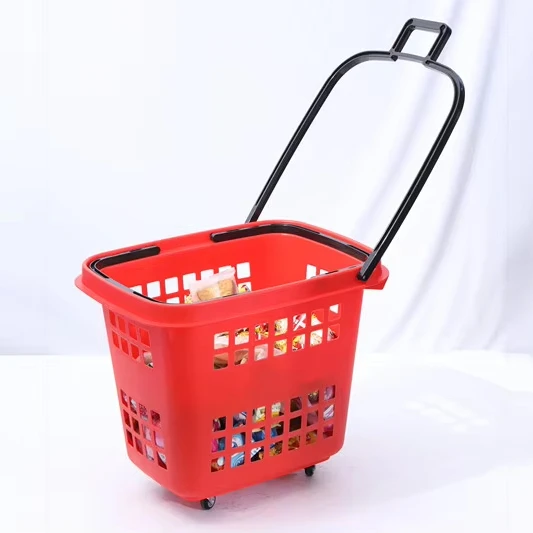
A plastic shopping cart represents a significant departure from traditional steel models, introducing distinct advantages and trade-offs that directly impact program success. For retailers managing tens of thousands of units across multiple locations, the decision between materials affects everything from warehouse storage efficiency to customer satisfaction and maintenance budgets. This guide examines whether the plastic shopping cart truly meets the rigorous demands of large-scale retail supply programs.
Durability and Longevity of Plastic Shopping Cart Solutions
Material Strength in High-Volume Environments
Modern plastic shopping cart designs use advanced polymer compounds engineered to withstand demanding retail conditions. A plastic shopping cart must handle constant loading, repetitive use, impacts against checkout areas, and exposure to various weather conditions when deployed outdoors. Leading manufacturers reinforce plastic shopping cart frames with cross-braced structures and strategic ribbing to maximize rigidity while maintaining lightweight characteristics. The plastic shopping cart material resists rust, corrosion, and salt exposure—advantages that steel cannot match, particularly in coastal or humid climates where oxidation becomes a costly maintenance burden.
Real-World Performance Metrics
Testing demonstrates that a plastic shopping cart can maintain structural integrity through 500,000 to 1,000,000 use cycles before requiring replacement, depending on design quality and operational conditions. Large retailers have reported that their plastic shopping cart fleets experience fewer catastrophic failures compared to aging steel units, translating to reduced downtime and improved customer experience. A plastic shopping cart's resistance to paint chipping, rust staining, and corrosion damage means units maintain aesthetic appeal longer, supporting brand image across retail locations. Retailers implementing plastic shopping cart programs often find that maintenance intervals extend significantly, as the material does not require corrosion prevention treatments or frequent repainting.
Cost-Benefit Analysis for Large-Scale Plastic Shopping Cart Deployment
Capital Investment and Long-Term Economics
The initial purchase price of a plastic shopping cart typically ranges 15–25 percent lower than comparable steel models, a difference that compounds significantly when ordering thousands of units for large-scale programs. Beyond acquisition cost, the plastic shopping cart eliminates expenses associated with anti-rust coatings, seasonal maintenance protocols, and replacement of corroded components. A plastic shopping cart requires fewer replacement parts over its lifecycle, as the material resists wear that necessitates frequent repairs in traditional equipment. When retailers calculate total cost of ownership over 7–10 years, the plastic shopping cart frequently demonstrates 20–30 percent savings, accounting for reduced labor, parts inventory, and downtime expenses.
Operational Efficiency Gains
A plastic shopping cart's lighter weight—typically 40–50 percent less than steel equivalents—improves warehouse handling efficiency and reduces transportation costs when relocating inventory between locations. Employees experience less fatigue when moving or organizing a plastic shopping cart, potentially reducing workplace injuries and associated liability. The material's low thermal conductivity means a plastic shopping cart does not transfer cold in freezer environments or absorb excessive heat in outdoor storage, protecting temperature-sensitive merchandise. Retailers also benefit from easier customization: a plastic shopping cart can be molded in various colors, sizes, and configurations without the tooling constraints of steel production, enabling brand-specific designs that enhance customer recognition.
Suitability Assessment for Large-Scale Retail Supply Programs
Alignment with Enterprise-Level Demands
Large-scale retail supply programs typically manage 5,000 to 100,000 units across multiple distribution centers, stores, and fulfillment locations. A plastic shopping cart addresses critical enterprise requirements: standardization across locations, predictable maintenance schedules, minimal environmental liability, and simplified inventory tracking. The plastic shopping cart's uniform performance characteristics make forecasting replacement needs straightforward, enabling procurement teams to budget accurately and maintain optimal fleet sizes. Unlike aging steel fleets where unit condition varies widely, a plastic shopping cart fleet provides consistency that improves operational predictability and customer service standards.
Environmental and Regulatory Considerations
A plastic shopping cart demonstrates compliance with modern sustainability and food safety standards, particularly important for retailers handling fresh produce or packaged goods. The material is fully recyclable at end-of-life, and leading retailers have established take-back programs that capture plastic shopping cart material for reprocessing into new equipment or other products. Regulatory agencies increasingly favor the plastic shopping cart over materials that pose environmental risks through rust contamination or toxic coating flaking. Organizations pursuing sustainability certifications find that transitioning to a plastic shopping cart fleet strengthens their environmental profile and reduces compliance documentation burden.
FAQ
What capacity does a typical plastic shopping cart handle for retail programs?
Standard plastic shopping cart models support 150–300 pounds of merchandise, comparable to steel alternatives. Large-scale retail programs typically deploy multiple plastic shopping cart sizes—compact models for convenience stores, standard versions for grocery environments, and heavy-duty variants for warehouse club formats—ensuring each location has appropriate equipment for its customer base and merchandise mix.
How does a plastic shopping cart perform in outdoor and covered parking environments?
The plastic shopping cart excels in outdoor conditions, resisting UV degradation when manufactured with UV-stabilized polymers and maintaining functionality through temperature extremes from freezing to 140°F. A plastic shopping cart avoids the rusting, paint deterioration, and structural weakness that plague steel units in uncovered lots, making it ideal for retailers with outdoor parking infrastructure or multiple climate zones.
Can a plastic shopping cart integrate with existing retail management and tracking systems?
Yes, a plastic shopping cart accommodates RFID tags, barcode labels, and electronic locking systems that enable fleet tracking and theft reduction. Modern plastic shopping cart designs feature standardized mounting points for these technologies, allowing seamless integration with enterprise asset management systems that large-scale retail programs rely on for inventory control and operational optimization.