
 EN
EN
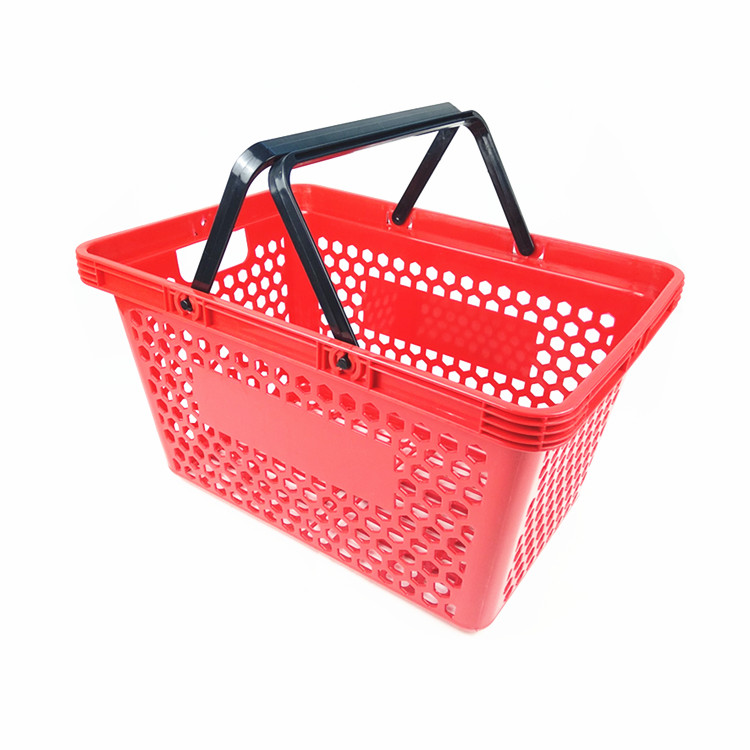
Wholesale retail distribution demands equipment that balances durability, functionality, and cost-effectiveness across large-scale operations. A shopping basket with wheels represents a practical investment for retailers managing high-volume customer traffic and seeking to enhance the shopping experience. The suitability of a shopping basket with wheels for wholesale retail distribution depends on several critical factors, including operational scale, customer demographics, store layout, and inventory turnover patterns. Understanding how a shopping basket with wheels fits into your wholesale retail environment requires examining both the immediate customer benefits and the long-term operational advantages.
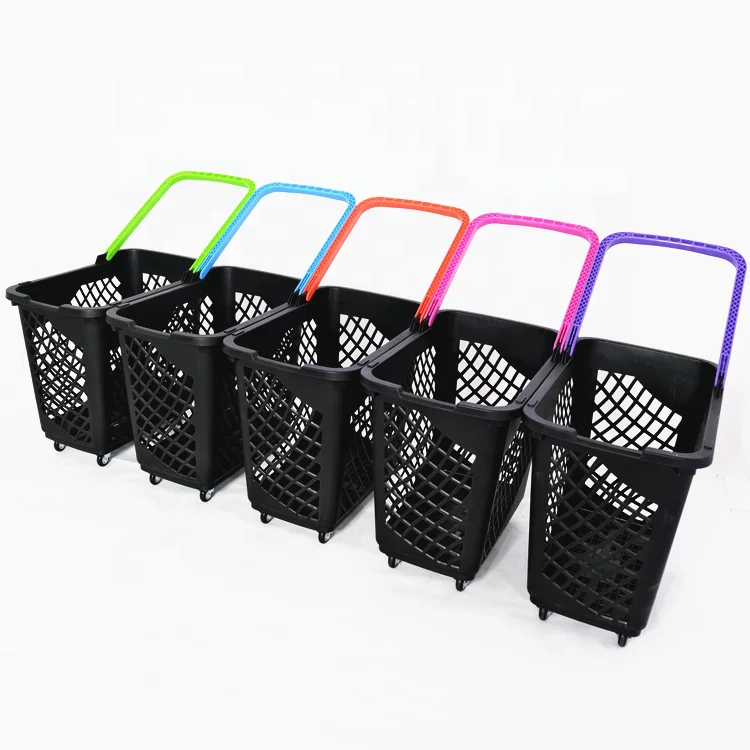
The integration of a shopping basket with wheels into wholesale retail distribution channels has grown significantly in recent years, particularly as retailers recognize the value of customer convenience and operational efficiency. Wholesale distributors recognize that a shopping basket with wheels supports higher transaction values by enabling customers to carry larger quantities of merchandise comfortably. This equipment category directly impacts customer satisfaction, repeat visits, and ultimately revenue per transaction in retail environments.
Operational Efficiency and Space Management
Maximizing Floor Space and Traffic Flow
A shopping basket with wheels optimizes floor space utilization by allowing customers to move merchandise independently without requiring assistance. In wholesale retail distribution environments where high customer volumes are standard, reducing staff intervention for product transport directly lowers operational costs. The design of a shopping basket with wheels enables efficient navigation through narrow aisles and crowded spaces, which is essential for wholesale retail centers managing thousands of daily transactions. Retailers implementing a shopping basket with wheels report improved checkout velocity because customers arrive at registers with fully loaded baskets rather than making multiple trips.
Maintenance and Durability Requirements
Wholesale retail distribution demands equipment engineered for continuous, heavy-duty use throughout operating hours. A shopping basket with wheels built from reinforced plastic or metal construction withstands frequent loading, unloading, and horizontal transport without compromising structural integrity. The wheel mechanism on a shopping basket with wheels must accommodate uneven flooring, ramps, and diverse surface conditions typical in wholesale retail environments. Maintenance costs for a shopping basket with wheels remain minimal when quality materials and proper wheel systems are selected, making this investment particularly attractive for wholesale distributors managing large inventories of retail equipment.
Customer Experience and Sales Impact
Enhanced Shopping Convenience
Customer convenience directly influences purchasing behavior in retail environments, and a shopping basket with wheels substantially improves the shopping experience. Shoppers who can transport heavier loads comfortably tend to purchase additional items, increasing average transaction values in wholesale retail distribution. A shopping basket with wheels particularly benefits elderly customers, parents managing multiple children, and bulk buyers who represent significant revenue segments in wholesale retail operations. The psychological benefit of easier shopping encourages longer store visits, which correlates with higher per-customer spending in wholesale retail distribution channels.
Accessibility and Inclusive Retail Design
Modern wholesale retail distribution increasingly emphasizes accessibility compliance and inclusive shopping environments. A shopping basket with wheels supports accessibility standards by eliminating physical strain associated with traditional hand-carried baskets. Retailers providing a shopping basket with wheels demonstrate commitment to serving diverse customer populations, which strengthens brand reputation and customer loyalty in wholesale retail distribution. This accessibility advantage becomes particularly relevant as demographic shifts create growing populations of mobility-conscious shoppers in retail markets.
Cost Analysis and Return on Investment
Initial Capital and Lifecycle Economics
Evaluating whether a shopping basket with wheels suits wholesale retail distribution requires examining total cost of ownership rather than initial purchase price alone. A shopping basket with wheels typically costs more than conventional hand baskets but generates returns through increased sales volume, reduced customer complaints, and lower replacement frequency. Wholesale retail distributors purchasing a shopping basket with wheels in bulk quantities benefit from significant per-unit cost reductions that improve overall investment economics. The durability of quality wheeled baskets means replacement cycles extend considerably compared to conventional baskets, reducing long-term supply chain costs in wholesale retail operations.
Comparative Competitive Advantage
Wholesale retail distribution success increasingly depends on differentiation through superior customer experience. A shopping basket with wheels provides tangible competitive advantage against retailers relying solely on traditional baskets or carts. Customers comparing wholesale retail locations frequently cite equipment quality and convenience as decision factors, making investment in a shopping basket with wheels strategically valuable. Retailers implementing comprehensive wheeled basket programs report customer retention improvements that justify the capital investment across wholesale retail distribution networks.
FAQ
Can a shopping basket with wheels replace traditional shopping carts completely?
A shopping basket with wheels serves different customer segments than traditional shopping carts. While a shopping basket with wheels suits customers purchasing moderate quantities, full-size shopping carts remain necessary for bulk buyers typical in wholesale retail distribution. Most successful wholesale retail environments use a shopping basket with wheels alongside carts, offering customers flexible options based on purchasing intentions and physical capabilities.
What materials should a shopping basket with wheels be made from for wholesale retail distribution?
High-quality plastic or reinforced metal construction ensures a shopping basket with wheels withstands continuous use in wholesale retail distribution environments. Materials should resist staining, support heavy loads without cracking, and allow easy cleaning between uses. The wheel system on a shopping basket with wheels should feature durable bearings and non-marking materials to prevent floor damage in retail facilities.
How many wheeled baskets should a wholesale retail distributor stock?
A shopping basket with wheels inventory should typically represent 30-50% of total basket capacity in most wholesale retail distribution operations. This ratio balances customer choice with storage space constraints and maintenance requirements. Peak usage analysis specific to your store traffic patterns helps determine optimal inventory levels for a shopping basket with wheels in your wholesale retail distribution location.