
 EN
EN
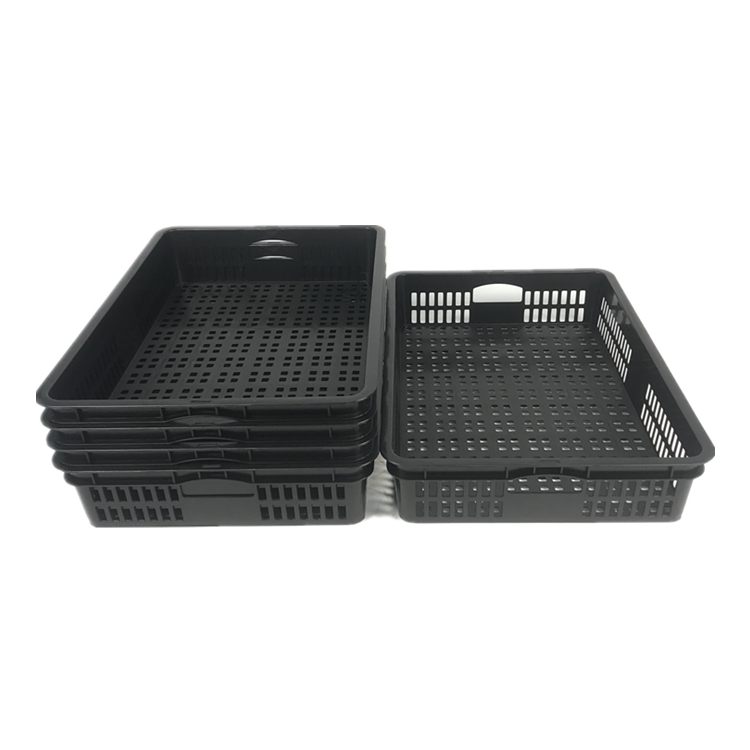
Global exporters face constant pressure to optimize logistics costs while maintaining cargo safety and meeting international standards. The euro pallet has become the backbone of modern supply chains, enabling seamless movement of goods across continents with unprecedented efficiency. Understanding why exporters overwhelmingly choose euro pallet solutions reveals fundamental principles about standardization, cost reduction, and operational excellence in international trade.
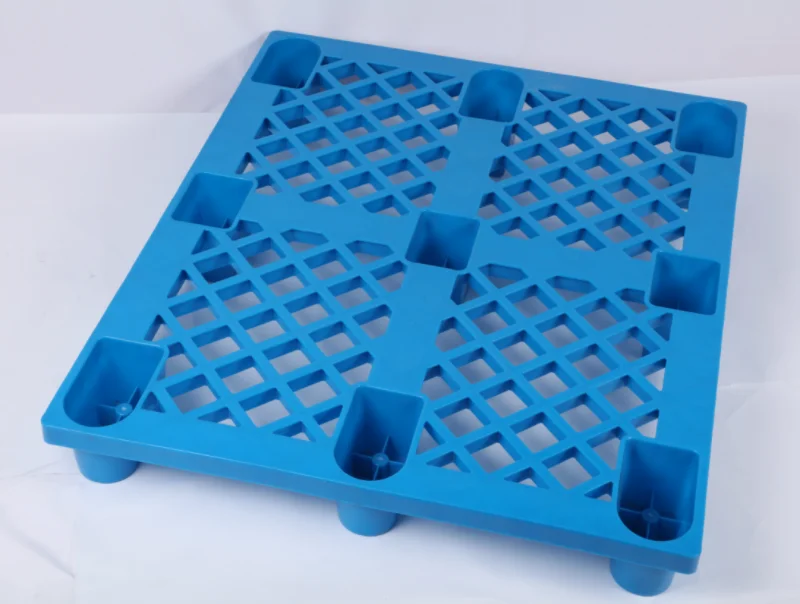
The euro pallet represents far more than a simple wooden platform. It embodies decades of international standardization effort that transformed global transportation networks. When exporters invest in euro pallet systems, they gain access to established infrastructure, proven compatibility with handling equipment, and regulatory compliance across European and international markets. This strategic choice directly impacts bottom-line profitability.
Standardization and International Compatibility
Universal Acceptance Across Global Networks
The euro pallet's standardized dimensions of 1200mm × 800mm create unprecedented compatibility across international supply chains. Every warehouse, distribution center, and transportation provider equipped for euro pallet handling can process shipments without modification or delay. This universal acceptance means exporters using euro pallet solutions avoid costly custom handling procedures that plague non-standard platforms. The euro pallet standard, established through rigorous international agreements, ensures seamless integration from manufacturing facilities through final delivery points.
Exporters choosing euro pallet configurations benefit from pre-existing material handling infrastructure already deployed worldwide. Forklifts, pallet jacks, automated sorting systems, and warehouse management software all support euro pallet operations natively. No conversion time, no incompatibility issues, and no unexpected logistics delays occur when euro pallet shipments move through international channels. This operational certainty reduces risk and improves predictability for time-sensitive exports.
Regulatory Compliance and Documentation
International trade regulations, particularly phytosanitary standards, impose strict requirements on wooden euro pallet materials used in food and agricultural exports. The euro pallet standard includes mandatory compliance frameworks that exporters understand thoroughly. When using certified euro pallet solutions, documentation becomes straightforward, customs clearance accelerates, and cross-border delays diminish significantly. Exporters avoid costly rejections caused by non-compliant pallet specifications.
Cost Efficiency and Total Logistics Optimization
Reduced Handling Expenses and Equipment Investment
Euro pallet adoption fundamentally reduces per-unit handling costs across global supply chains. The standardized euro pallet footprint maximizes container and truck utilization rates, allowing exporters to consolidate more units per shipment compared to alternative pallet dimensions. This density advantage directly lowers freight charges on a per-item basis. Additionally, facilities worldwide maintain existing euro pallet-compatible equipment, so exporters avoid purchasing specialized machinery for unique pallet formats.
The euro pallet design enables efficient stacking patterns that optimize warehouse space utilization. Exporters leverage established racking systems, shelving configurations, and storage protocols already calibrated for euro pallet dimensions. When compared to custom or non-standard pallet solutions, euro pallet strategies reduce both capital expenditure and ongoing facility operating costs. The financial advantage compounds across high-volume export operations.
Return Logistics and Pallet Pooling Networks
Mature euro pallet pooling networks operate globally, enabling exporters to participate in reverse logistics systems that recover value from used pallets. The euro pallet market includes established rental and pooling services where empty pallets return through coordinated networks. Exporters avoid owning pallets outright while maintaining reliable access to product transport platforms. This model transforms pallets from capital assets into flexible, managed services.
The euro pallet infrastructure supports shared pool economics that individual pallet ownership cannot match. Participating in euro pallet pooling networks reduces exporter investment requirements while ensuring consistent pallet availability for ongoing shipments. Damaged or worn pallets enter repair cycles managed by pool operators, ensuring quality maintenance across the network. This distributed responsibility model improves reliability and reduces unexpected downtime.
Performance Reliability and Supply Chain Resilience
Proven Durability Under Demanding Export Conditions
The euro pallet design incorporates structural specifications validated through decades of international use under extreme conditions. Manufactured from hardwood with reinforced block construction, the euro pallet withstands repeated handling, stacking loads, and environmental exposure inherent in global transportation. Exporters rely on euro pallet consistency because the platform delivers predictable performance across long transit routes, multiple handling cycles, and diverse climate conditions.
Quality standards for euro pallet production ensure dimensional accuracy and load-bearing capacity across all units in the supply chain. Exporters benefit from this consistency because goods packed on euro pallet platforms experience uniform stacking behavior and predictable load distribution. Damage from pallet-related failures becomes exceptionally rare when using certified euro pallet solutions, reducing product loss, insurance claims, and customer complaints tied to cargo handling.
Adaptability Across Product Categories
The euro pallet accommodates diverse product types, from automotive components to pharmaceutical shipments, food products to electronics. Exporters serving multiple industries leverage single pallet specifications rather than maintaining separate logistics networks for different product categories. This versatility reduces operational complexity and enables economies of scale in pallet sourcing and handling. The euro pallet's proven suitability across sectors makes it the rational choice for diversified export operations.
Customization options built around the euro pallet standard allow exporters to add protective elements, specialized dividers, or handling features while maintaining core dimensional compliance. This flexibility enables exporters to address specific product protection requirements without abandoning standardized infrastructure. The euro pallet framework supports innovation within established constraints.
FAQ
What specific advantages do plastic euro pallet options provide compared to wooden alternatives?
Plastic euro pallet variants offer superior hygiene compliance for food and pharmaceutical exports, eliminating splinter risks and chemical contamination concerns associated with wood. Plastic versions withstand repeated wash cycles, extending service life and reducing long-term replacement costs. Both material options maintain identical dimensional standards, ensuring compatibility within existing supply chain infrastructure. Material selection depends on product type and regulatory requirements, but both serve the euro pallet standard effectively.
How do exporters balance euro pallet ownership versus participation in pooling networks?
Export operations with consistent, high-volume shipments often benefit from owning dedicated euro pallet fleets to ensure availability and control costs over extended timeframes. Lower-volume exporters or those with fluctuating shipping patterns gain advantages through pooling network participation, avoiding idle asset carrying costs. Many exporters employ hybrid strategies, maintaining core euro pallet inventory while using pool services for surge capacity. The optimal approach depends on shipping consistency, geographic service areas, and available capital.
Do international regulations mandate euro pallet usage for specific export categories?
While euro pallet usage is not universally mandated, many regulatory frameworks and industry standards implicitly require compliance with euro pallet specifications for streamlined international movement. European Union regulations, food safety standards, and automotive supply chain protocols increasingly reference euro pallet standards. Exporters targeting European markets or participating in global supply networks face practical pressure to adopt euro pallet solutions for regulatory alignment and operational acceptance.