
 EN
EN
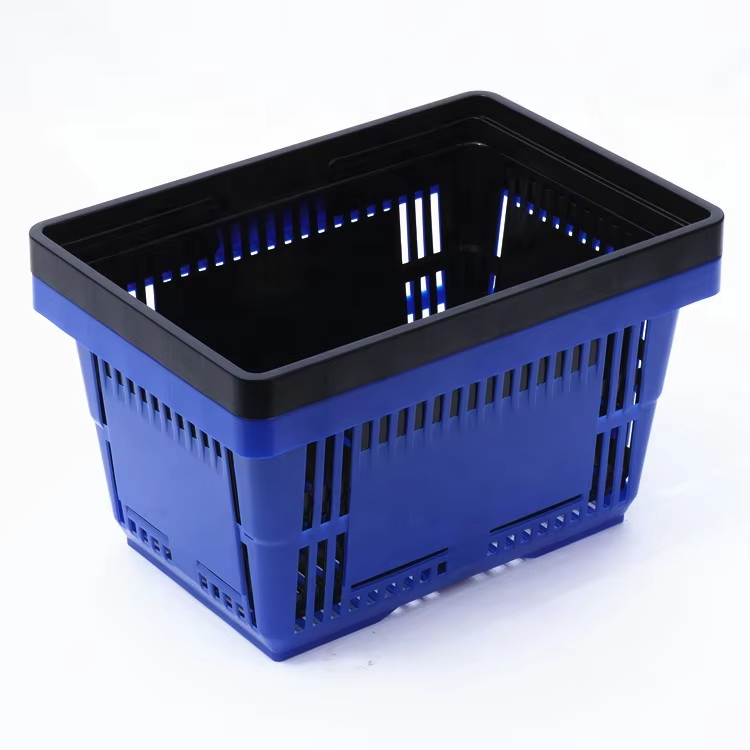
Distribution centers face constant pressure to optimize inventory organization while maintaining operational efficiency. Plastic crates for distribution centers have become essential tools for modernizing warehouse operations, offering significant advantages over traditional storage methods. These durable containers provide a structured approach to managing inventory, reducing handling time, and improving overall warehouse productivity. By implementing plastic crates for distribution centers strategically, facilities can achieve better organization, faster order fulfillment, and enhanced inventory accuracy across all operations.
The question of whether plastic crates for distribution centers can truly enhance inventory organization deserves a detailed examination. The answer is definitively yes, backed by practical evidence from thousands of distribution facilities worldwide. Plastic crates for distribution centers address fundamental warehouse challenges including space utilization, product visibility, inventory tracking, and worker safety. This comprehensive guide explores how plastic crates for distribution centers deliver measurable improvements in distribution center performance and why they represent a smart investment for modern logistics operations.
Understanding Plastic Crates for Distribution Centers
Core Benefits of Plastic Crates for Distribution Centers
Plastic crates for distribution centers deliver multiple operational advantages that directly impact bottom-line performance. These containers provide superior durability compared to cardboard alternatives, withstanding thousands of handling cycles without degradation. Plastic crates for distribution centers enable consistent stacking, which maximizes vertical storage space and reduces the footprint required for inventory management. The standardized dimensions of plastic crates for distribution centers ensure seamless integration with conveyor systems, automated sorting equipment, and robotic picking solutions commonly deployed in modern warehouses.
Organization becomes significantly easier when using plastic crates for distribution centers because each container maintains its structural integrity regardless of environmental conditions. Moisture, temperature fluctuations, and repeated handling do not compromise the performance of plastic crates for distribution centers like they would with alternative materials. Distribution managers appreciate that plastic crates for distribution centers can be customized with color coding, labeling systems, and RFID technology integration to enhance inventory visibility and control.
Inventory Accuracy and Tracking
Implementing plastic crates for distribution centers transforms how facilities approach inventory tracking and accuracy verification. Each plastic crate for distribution centers can be assigned a unique identifier, enabling real-time monitoring of inventory movement through the warehouse. When plastic crates for distribution centers are combined with modern warehouse management systems, the result is dramatic improvements in inventory count accuracy and reduced shrinkage. Distribution centers using plastic crates for distribution centers report cycle count accuracy improvements of fifteen to twenty-five percent compared to loose storage methods.
The visibility provided by plastic crates for distribution centers reduces the time required to locate specific inventory items during order picking operations. Workers can quickly identify target products without manually searching through mixed or disorganized storage areas. Plastic crates for distribution centers accommodate various product types and sizes, from small components to larger items, allowing facilities to consolidate inventory within fewer locations. This consolidation directly improves worker efficiency and reduces the walking time required to complete picking tasks throughout the distribution center.
Operational Improvements Through Plastic Crates for Distribution Centers
Maximizing Warehouse Space Efficiency
Space optimization represents one of the most compelling reasons why plastic crates for distribution centers enhance inventory organization. Distribution centers operate on razor-thin margin economics where every square foot of storage represents potential revenue or cost savings. Plastic crates for distribution centers stack uniformly and securely, eliminating wasted vertical space that occurs with irregular or incompatible containers. Many distribution centers report five to fifteen percent increases in usable storage capacity after transitioning to standardized plastic crates for distribution centers.
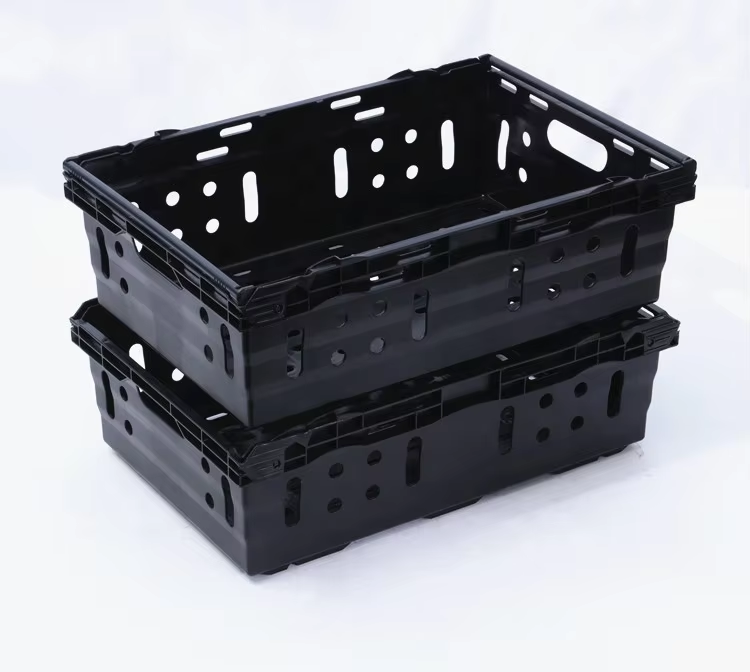
The collapsible design available with many plastic crates for distribution centers provides additional space savings during return logistics and empty container storage. Distribution centers can collapse plastic crates for distribution centers to approximately twenty percent of their operational volume, reducing transportation costs and warehouse space requirements for container return. This flexibility makes plastic crates for distribution centers an economically superior choice compared to rigid alternative containers that require significantly more storage space when not in use.
Worker Safety and Ergonomics
Distribution center workers benefit substantially from the adoption of plastic crates for distribution centers in terms of safety and ergonomic improvement. The standardized height and handling design of plastic crates for distribution centers reduce strain injuries associated with awkward lifting positions. Plastic crates for distribution centers typically feature reinforced handles and structural designs that distribute weight evenly, making them safer for repeated manual handling throughout the workday. Facilities implementing plastic crates for distribution centers often observe measurable reductions in workers compensation claims and lost time due to injury.
The lightweight nature of plastic crates for distribution centers compared to wooden or metal alternatives means workers experience less fatigue during extended shifts. Distribution centers can increase picking rates and maintain higher productivity levels when workers are not experiencing physical strain from handling heavy containers. Plastic crates for distribution centers also feature smooth surfaces without sharp edges or splinters, eliminating product damage and worker injury risks associated with older storage methods.
Implementation Strategies for Plastic Crates for Distribution Centers
Integration with Warehouse Systems
Successfully implementing plastic crates for distribution centers requires thoughtful planning and systematic integration with existing warehouse operations. Distribution centers should conduct a thorough audit of current inventory management processes before selecting specific plastic crates for distribution centers. The chosen plastic crates for distribution centers must be compatible with existing material handling equipment, conveyor systems, and automation technology already deployed in the facility. Organizations often discover that plastic crates for distribution centers can be integrated without requiring significant capital investment in new equipment or infrastructure modifications.
Distribution managers should develop a phased rollout plan for plastic crates for distribution centers rather than attempting wholesale replacement throughout the entire facility simultaneously. Starting with a pilot program involving one product category or distribution center section allows teams to identify potential challenges and optimize workflows before broader implementation. Plastic crates for distribution centers should be selected with consideration for specific product characteristics, including weight requirements, environmental sensitivity, and handling frequency throughout normal operations.
Cost-Benefit Analysis and ROI
The financial case for plastic crates for distribution centers typically justifies the investment within twelve to twenty-four months based on measurable operational improvements. Distribution centers can expect to reduce inventory shrinkage, decrease labor hours per unit handled, and minimize product damage through systematic use of plastic crates for distribution centers. The extended lifespan of plastic crates for distribution centers, often exceeding five years of continuous use, provides excellent return on investment compared to single-use cardboard alternatives that require constant replacement.
Facility managers should calculate specific ROI metrics for plastic crates for distribution centers by quantifying labor savings, space optimization benefits, and inventory accuracy improvements unique to their operation. The total cost of ownership for plastic crates for distribution centers includes initial purchase price, maintenance requirements, and eventual replacement costs. Distribution centers that carefully monitor these metrics typically discover that plastic crates for distribution centers deliver financial benefits extending well beyond the initial purchase investment, creating sustainable competitive advantages in logistics operations.
FAQ
How do plastic crates for distribution centers improve inventory visibility?
Plastic crates for distribution centers enhance inventory visibility through several mechanisms including standardized dimensions for organized stacking, color coding options for rapid identification, and compatibility with barcode and RFID tracking systems. When plastic crates for distribution centers are integrated with warehouse management software, inventory locations become immediately known and accessible to all authorized personnel. This transparency eliminates time wasted searching for inventory and enables accurate real-time inventory reporting, which is essential for meeting customer delivery commitments and maintaining efficient distribution operations.
What product types work best with plastic crates for distribution centers?
Plastic crates for distribution centers accommodate virtually any product type due to their flexibility and customization options. Common applications include fresh produce, manufactured components, consumer goods, pharmaceuticals, and temperature-sensitive items. Ventilated plastic crates for distribution centers work excellently for products requiring airflow, while solid plastic crates for distribution centers provide protection for items sensitive to moisture or contamination. Distribution centers should evaluate specific product characteristics and select plastic crates for distribution centers designed for those particular applications to optimize protection and handling efficiency.
How does transitioning to plastic crates for distribution centers affect existing warehouse operations?
Transitioning to plastic crates for distribution centers typically requires minimal disruption when implemented through a planned phased approach. Plastic crates for distribution centers are designed for compatibility with existing material handling equipment, conveyor systems, and warehouse infrastructure in most modern facilities. Staff training on proper handling, stacking, and maintenance of plastic crates for distribution centers usually requires only a few hours, allowing rapid workforce adaptation. Distribution centers benefit from improved operations almost immediately after implementing plastic crates for distribution centers, with efficiency gains accelerating as staff become fully familiar with the new container systems.