
 EN
EN
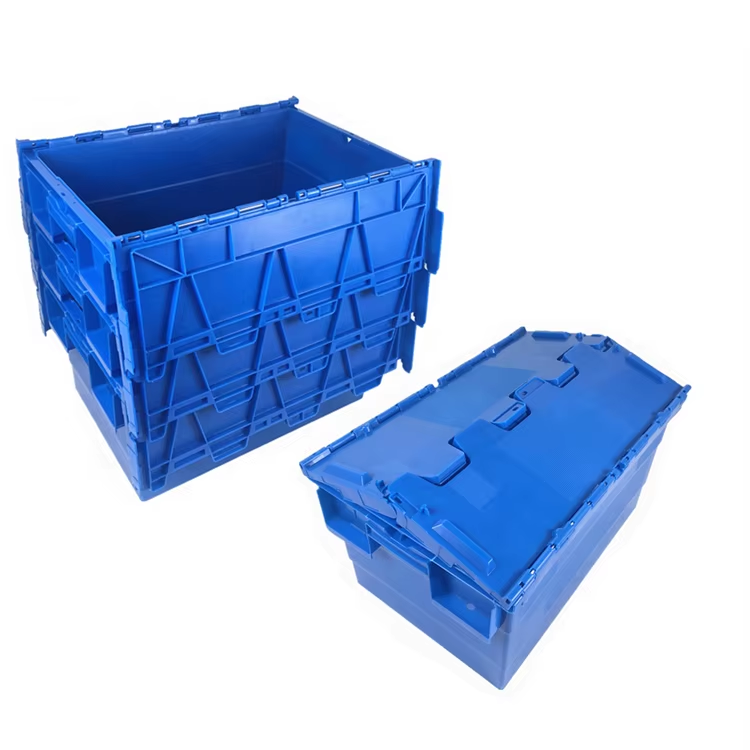
Plastic crates for agriculture have become indispensable in modern farming and food production operations worldwide. The shift from traditional wooden or metal containers to plastic crates for agriculture represents a fundamental change in how agricultural businesses handle, store, and transport their produce. Understanding whether plastic crates for agriculture truly suit your operation requires examining their practical benefits, structural capabilities, and real-world performance across diverse agricultural and food industry settings.
The short answer is yes—plastic crates for agriculture are highly suitable for both agricultural production and food industry applications. However, suitability extends beyond a simple yes or no answer. The right plastic crates for agriculture depend on your specific crop type, storage duration, transportation distances, and regulatory compliance requirements. This article explores the key factors that determine whether plastic crates for agriculture will deliver maximum value for your operation and why so many farms and food processors now rely on them as a core component of their supply chain infrastructure.
Durability and Longevity of Plastic Crates for Agriculture
Structural Integrity Under Field Conditions
Plastic crates for agriculture must withstand demanding field environments including temperature fluctuations, moisture exposure, chemical contact, and repeated mechanical stress. High-quality plastic crates for agriculture are engineered from virgin or food-grade polypropylene and polyethylene that resist degradation from UV exposure, pesticide residues, and harsh washing protocols. The reinforced design of plastic crates for agriculture typically includes ribbed walls and reinforced corner posts that distribute load evenly, preventing collapse even when stacked multiple units high. Most commercial-grade plastic crates for agriculture can handle 500 to 1000+ usage cycles, translating to several years of reliable service before replacement becomes necessary.
Comparative Lifespan Against Traditional Alternatives
Wooden crates deteriorate rapidly when exposed to moisture and agricultural chemicals, requiring frequent replacement and generating disposal costs. Plastic crates for agriculture, by contrast, maintain structural integrity across decades of use if properly maintained. The investment in plastic crates for agriculture typically recovers within 18 to 24 months through reduced replacement frequency, lower labor costs for handling, and improved operational efficiency. The true long-term value of plastic crates for agriculture becomes apparent when calculating total cost of ownership rather than initial purchase price alone.
Hygiene Standards and Food Safety Compliance
Critical Advantages for Food Industry Operations
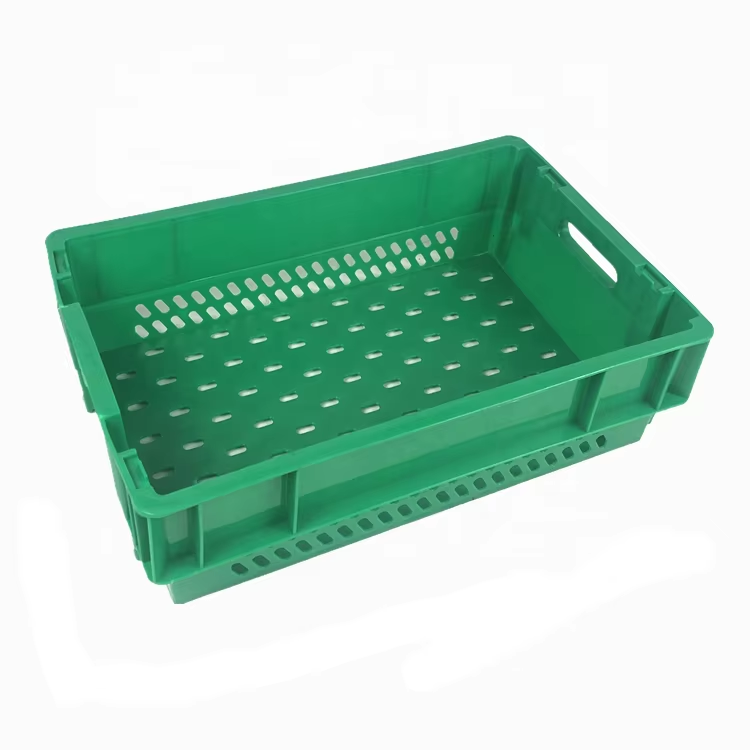
Food safety regulations across Europe, North America, and Asia now mandate specific hygiene requirements for produce containers. Plastic crates for agriculture meet or exceed these standards because they feature smooth, non-porous surfaces that resist bacterial colonization and contamination. Unlike wooden alternatives that harbor pathogens in grain cracks and crevices, plastic crates for agriculture can be thoroughly sanitized using high-pressure washers, chemical cleaners, and steam sterilization without material degradation. The ventilation designs integrated into most plastic crates for agriculture allow air circulation that prevents moisture accumulation and mold growth—critical factors for fresh produce preservation.
Regulatory Compliance and Certification
Premium plastic crates for agriculture carry certifications from food safety authorities including FDA approval, EU food contact compliance, and BRC Global Standards recognition. These certifications confirm that plastic crates for agriculture contain no harmful plasticizers, heavy metals, or substances that migrate into produce. Farms and food processors utilizing plastic crates for agriculture documented with these certifications gain direct market advantages when supplying retailers and restaurants demanding certified supply chains. The investment in certified plastic crates for agriculture directly supports premium pricing and customer retention in competitive food markets.
Economic Performance and Operational Efficiency
Cost-Benefit Analysis Over Time
Initial cost considerations often create hesitation toward plastic crates for agriculture, yet detailed financial modeling consistently demonstrates superior total-cost-of-ownership compared to alternatives. Plastic crates for agriculture reduce labor costs because they weigh significantly less than wooden or metal options, lowering handling fatigue and injury risk for farm workers. The stackability efficiency of plastic crates for agriculture means fewer trips required for harvesting, packing, and transportation, directly multiplying productivity. When calculating per-use cost over the lifespan of plastic crates for agriculture versus replacement cycles for wooden crates, the financial advantage becomes compelling and measurable.
Transportation and Storage Optimization
Standardized dimensions of plastic crates for agriculture enable optimized packing patterns that maximize vehicle cargo space and warehouse density. The lightweight nature of plastic crates for agriculture reduces fuel consumption during transportation, contributing to measurable carbon footprint reductions. Agricultural operations implementing plastic crates for agriculture report average productivity increases of 15 to 25 percent due to improved handling speed and reduced product damage. These operational gains directly improve profitability for farms, produce distributors, and food processors that adopt plastic crates for agriculture across their logistics networks.
Product Suitability by Crop Type and Application
Optimal Performance for Diverse Produce Categories
Plastic crates for agriculture perform exceptionally well with high-volume, relatively hardy produce including potatoes, onions, squash, and root vegetables that tolerate standard crate dimensions. The ventilation design of plastic crates for agriculture excels for soft fruits including berries, stone fruits, and tree fruits where air circulation prevents moisture-related spoilage. Fresh leafy greens, herbs, and delicate vegetables require specialized designs of plastic crates for agriculture featuring closer mesh patterns or shelf inserts that prevent bruising. Identifying the correct variant of plastic crates for agriculture for your specific crop ensures optimal product quality preservation and market value maintenance throughout the supply chain.
Climate and Environmental Considerations
Plastic crates for agriculture maintain dimensional stability across temperature ranges from freezing conditions in cold storage facilities to ambient temperatures in tropical growing regions. The material composition of plastic crates for agriculture does not require climate-controlled storage like certain wooden alternatives, reducing infrastructure complexity. For operations managing multiple crop seasons or geographic regions with varying climates, plastic crates for agriculture provide consistent performance without environmental limitations. This versatility makes plastic crates for agriculture an ideal standardization solution for diversified agricultural enterprises operating across multiple growing seasons and geographic markets.
FAQ
Can plastic crates for agriculture safely handle heavy loads like root vegetables and potatoes?
Yes, plastic crates for agriculture are engineered with reinforced structures designed to support loads of 25 to 40 kilograms per crate when properly stacked. Heavy-duty variants feature thicker wall structures and reinforced corner posts that distribute weight evenly across stacking configurations. Agricultural producers storing potatoes, onions, and dense produce routinely stack plastic crates for agriculture four to six units high without structural failure or product damage.
How do plastic crates for agriculture compare to wooden crates regarding pest contamination risk?
Plastic crates for agriculture offer significant advantages over wooden alternatives for pest prevention because insects and rodents cannot create nesting sites in non-porous plastic materials. The smooth surfaces of plastic crates for agriculture eliminate hiding spaces where pests congregate, and regular washing protocols can eliminate pest eggs and organic residues. Wooden crates, conversely, provide multiple entry points and breeding environments that make pest management significantly more challenging despite fumigation treatments.
What maintenance protocols extend the lifespan of plastic crates for agriculture?
Regular cleaning with mild detergent solutions and occasional high-pressure washing maintains plastic crates for agriculture in optimal condition. Store plastic crates for agriculture in shaded areas when not in use, protecting them from prolonged UV exposure that can brittle materials over extended periods. Inspect plastic crates for agriculture periodically for cracks or structural damage, removing compromised units from service to prevent produce damage and contamination risks.