
 EN
EN
Industrial environments demand coatings that withstand extreme conditions, chemical exposure, mechanical stress, and temperature fluctuations. Traditional liquid coatings often fall short in these demanding applications, leaving equipment and infrastructure vulnerable to corrosion, wear, and premature failure. The question many facility managers and engineers face is whether newer coating technologies can deliver superior protection. Epoxy powder has emerged as a transformative solution that fundamentally changes how industrial facilities approach coating performance and asset longevity.
The answer is unequivocally yes. Epoxy powder delivers measurable improvements in coating performance that directly address the challenges faced in harsh industrial settings. Unlike traditional wet coatings, epoxy powder systems provide superior adhesion, corrosion resistance, chemical durability, and impact protection. This article explores how epoxy powder enhances coating performance, the specific advantages it offers industrial operators, and the practical considerations for implementation.
How Epoxy Powder Enhances Durability and Protection
Superior Corrosion Resistance in Aggressive Environments
Corrosion represents one of the most significant threats to industrial equipment and infrastructure, particularly in coastal, chemical processing, and moisture-heavy environments. Epoxy powder coatings create a dense, impermeable barrier that prevents moisture and corrosive agents from reaching substrate materials. The molecular structure of epoxy powder formulations provides exceptional resistance to saltwater, industrial chemicals, and atmospheric pollutants that degrade conventional coatings. This barrier protection mechanism ensures that epoxy powder systems maintain their integrity for 15 to 20 years or longer, depending on environmental conditions and application quality.
Chemical and Impact Resistance
Industrial environments frequently involve exposure to oils, solvents, alkaline solutions, and acidic compounds that can compromise coating integrity. Epoxy powder demonstrates excellent resistance to these chemical challenges, maintaining its protective properties even under sustained exposure. Additionally, epoxy powder coatings exhibit superior impact resistance compared to traditional liquid systems, meaning they flex and absorb mechanical stress without cracking or peeling. This combination of chemical and mechanical protection makes epoxy powder the preferred choice for equipment that experiences both environmental and operational stress.
Application Performance and Operational Benefits
Efficient Application and Cost Effectiveness
One of the most compelling advantages of epoxy powder systems is their application efficiency. Powder coating technology eliminates the waste associated with wet spray methods—epoxy powder particles that don't adhere to the substrate can be recaptured and reused, reducing material costs by 10 to 15 percent compared to liquid alternatives. The electrostatic application method used for epoxy powder ensures uniform coverage with minimal overspray, which accelerates project timelines and reduces environmental cleanup requirements. Facility managers appreciate that epoxy powder coatings cure quickly through thermal processes, allowing equipment to return to service in hours rather than days.
Aesthetic and Functional Surface Quality
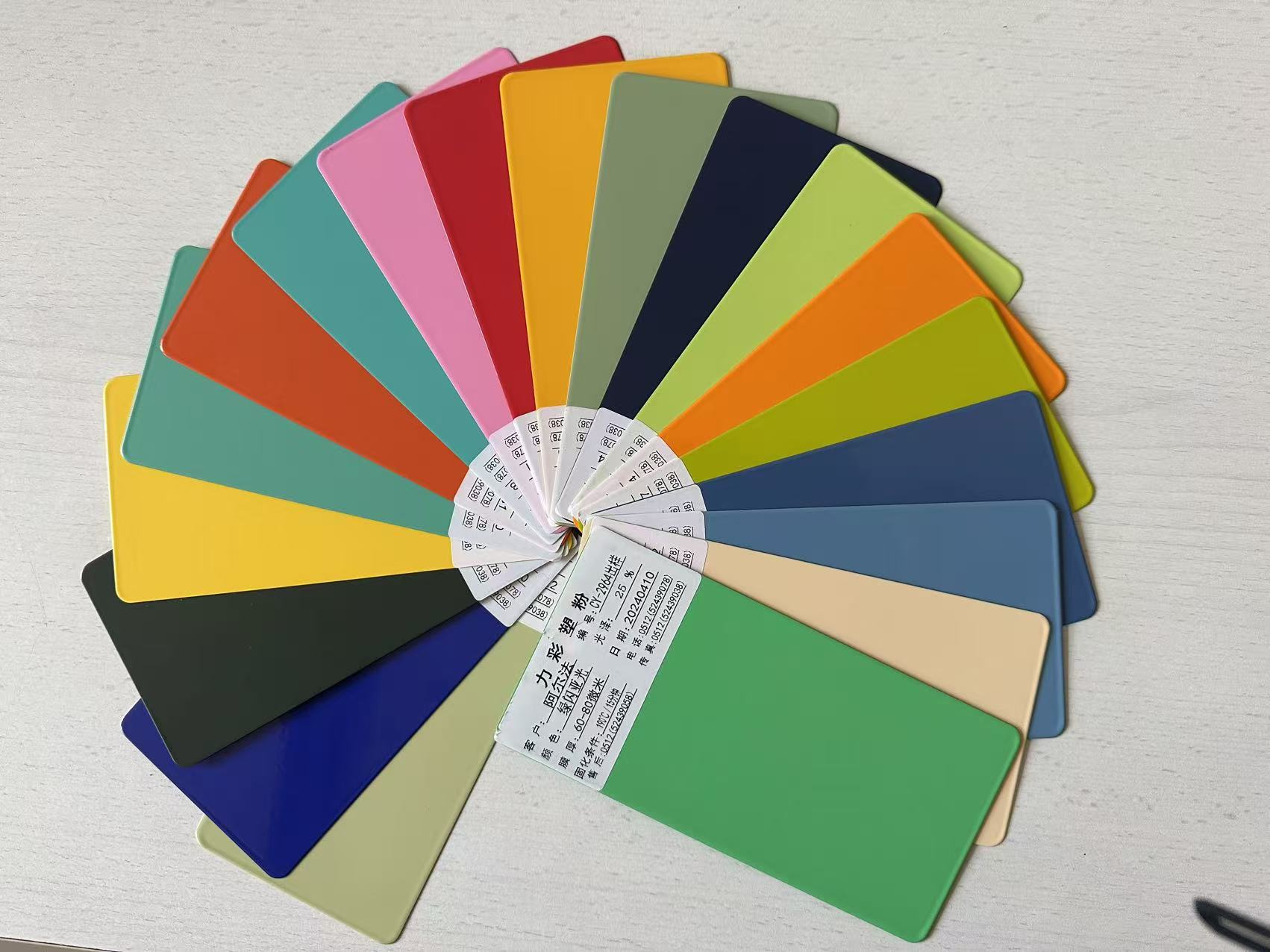
Beyond protection, epoxy powder coatings produce smooth, consistent surface finishes that enhance both equipment appearance and performance. The uniform thickness achieved with epoxy powder application prevents the thin spots and runs common in liquid coating processes. This consistency directly translates to reliable protection across the entire coated surface. Additionally, epoxy powder systems are available in diverse color options and finishes, allowing industrial facilities to implement color-coding systems for safety compliance while maintaining premium protective performance.
Industry-Specific Performance Advantages
Metal Fabrication and Heavy Equipment Protection
Metal fabrication shops, manufacturing facilities, and heavy equipment manufacturers have adopted epoxy powder coatings to meet demanding performance specifications and customer expectations. Structural steel, automotive components, and industrial machinery require coatings that preserve dimensional accuracy while providing maximum protection. Epoxy powder systems achieve this balance, delivering coatings that are typically 2 to 3 mils thick—precise enough to maintain tight tolerances while providing robust corrosion and wear protection. This precision makes epoxy powder particularly valuable in automotive supply chains where coating specifications are critical to vehicle performance and safety.
Infrastructure and Utilities Applications
Water treatment facilities, electrical substations, telecommunications infrastructure, and utility equipment face constant exposure to outdoor conditions and operational stresses that demand exceptional coating performance. Epoxy powder coatings have proven their value in these applications by extending asset life, reducing maintenance costs, and minimizing downtime. The consistent performance of epoxy powder systems across diverse geographic regions and climate conditions has made them the standard in infrastructure protection standards and specifications.
Implementation Considerations and Performance Optimization
Substrate Preparation for Maximum Performance
The performance of epoxy powder coatings depends significantly on proper substrate preparation. Surface cleanliness, profile roughness, and removal of contaminants directly influence how well epoxy powder adheres and protects underlying materials. Blast cleaning to remove rust, mill scale, and previous coatings ensures that epoxy powder forms an optimal bond with the substrate. Facilities that invest in thorough surface preparation before applying epoxy powder systems consistently achieve superior long-term performance and extended coating life.
Curing and Service Conditions
Post-application curing conditions significantly impact the final performance of epoxy powder coatings. Proper temperature and duration during the thermal curing process allow the epoxy powder to fully polymerize and develop its complete protective properties. Environmental factors during curing—such as humidity and ambient temperature—must be controlled to ensure that epoxy powder reaches its specified hardness and chemical resistance. Once cured, epoxy powder coatings perform reliably across a wide temperature range, typically from minus 20 degrees Fahrenheit to 200 degrees Fahrenheit, making them suitable for diverse industrial applications.
FAQ
Does epoxy powder provide better corrosion protection than liquid coatings?
Yes, epoxy powder consistently outperforms traditional liquid coatings in corrosion resistance due to its denser film structure, superior adhesion, and uniform application. Epoxy powder systems create fewer weak points and pinhole defects, resulting in more reliable long-term protection in corrosive industrial environments. The impermeable barrier created by epoxy powder prevents moisture and corrosive agents from reaching substrate materials more effectively than most liquid alternatives.
How long does epoxy powder coating last in industrial environments?
The service life of epoxy powder coatings typically ranges from 15 to 20 years in moderate industrial environments and can extend beyond 20 years in less aggressive applications. Factors affecting the longevity of epoxy powder systems include environmental severity, UV exposure, chemical contact intensity, and substrate preparation quality. Facilities that maintain their epoxy powder-coated equipment and perform periodic inspections often achieve service lives in the upper range of these estimates.
Is epoxy powder coating more cost-effective than alternative coating systems?
While the initial material cost of epoxy powder may be comparable to some alternatives, the total cost of ownership favors epoxy powder systems when considering material efficiency, application speed, labor costs, and extended service life. The ability to recapture and reuse epoxy powder reduces material waste by 10 to 15 percent compared to liquid coatings. Additionally, the rapid curing and long service life of epoxy powder mean fewer recoating cycles over the equipment's lifetime, delivering significant long-term cost savings for industrial operators.