
 EN
EN
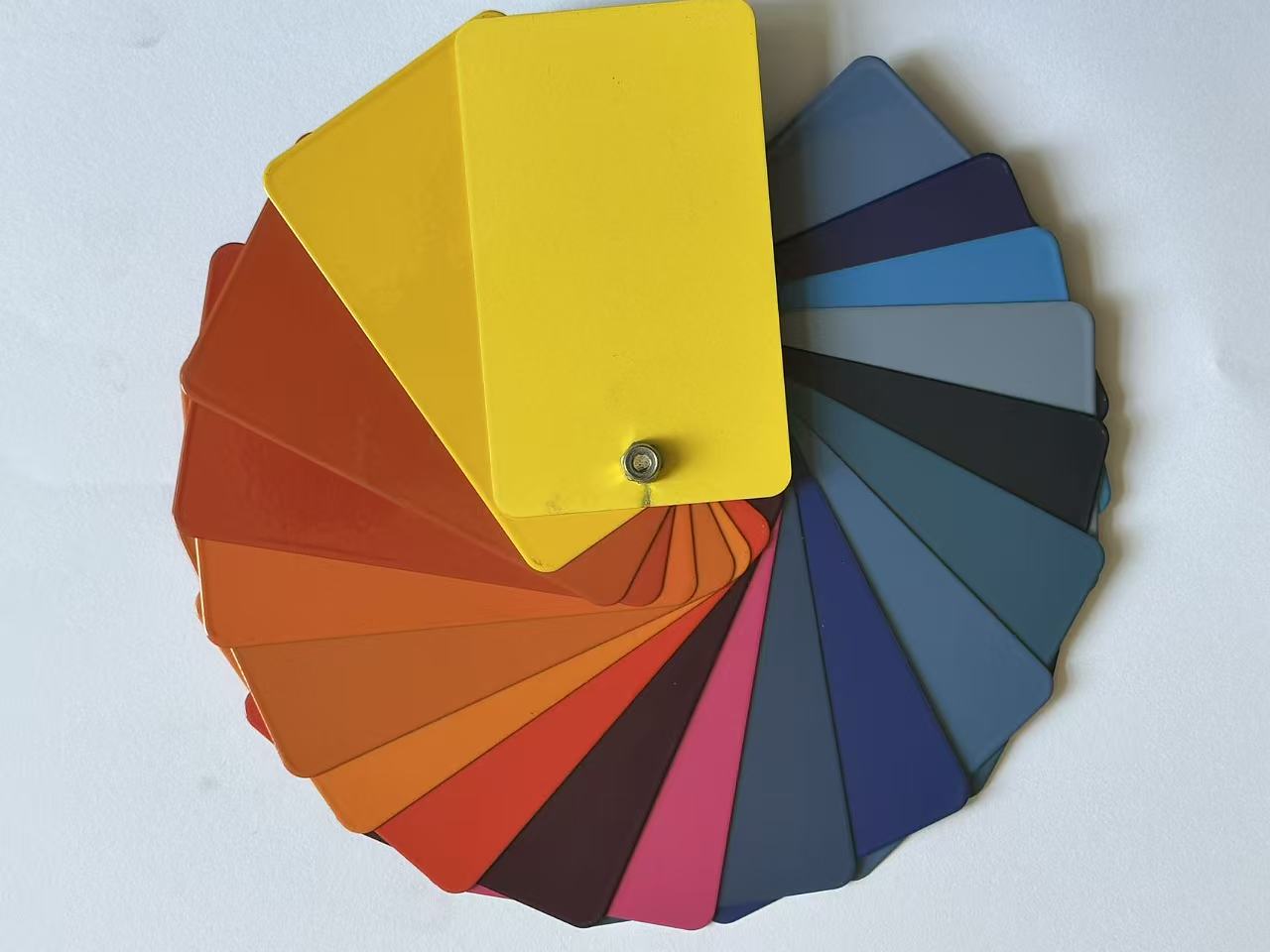
Architectural coating projects demand materials that deliver both aesthetic excellence and long-term durability. Polyester powder has become the industry standard for these demanding applications, offering builders, architects, and contractors a reliable solution that performs across diverse climate conditions and building types. Understanding why polyester powder dominates this sector reveals the technical advantages, cost efficiencies, and environmental benefits that make it indispensable for modern construction and renovation projects.
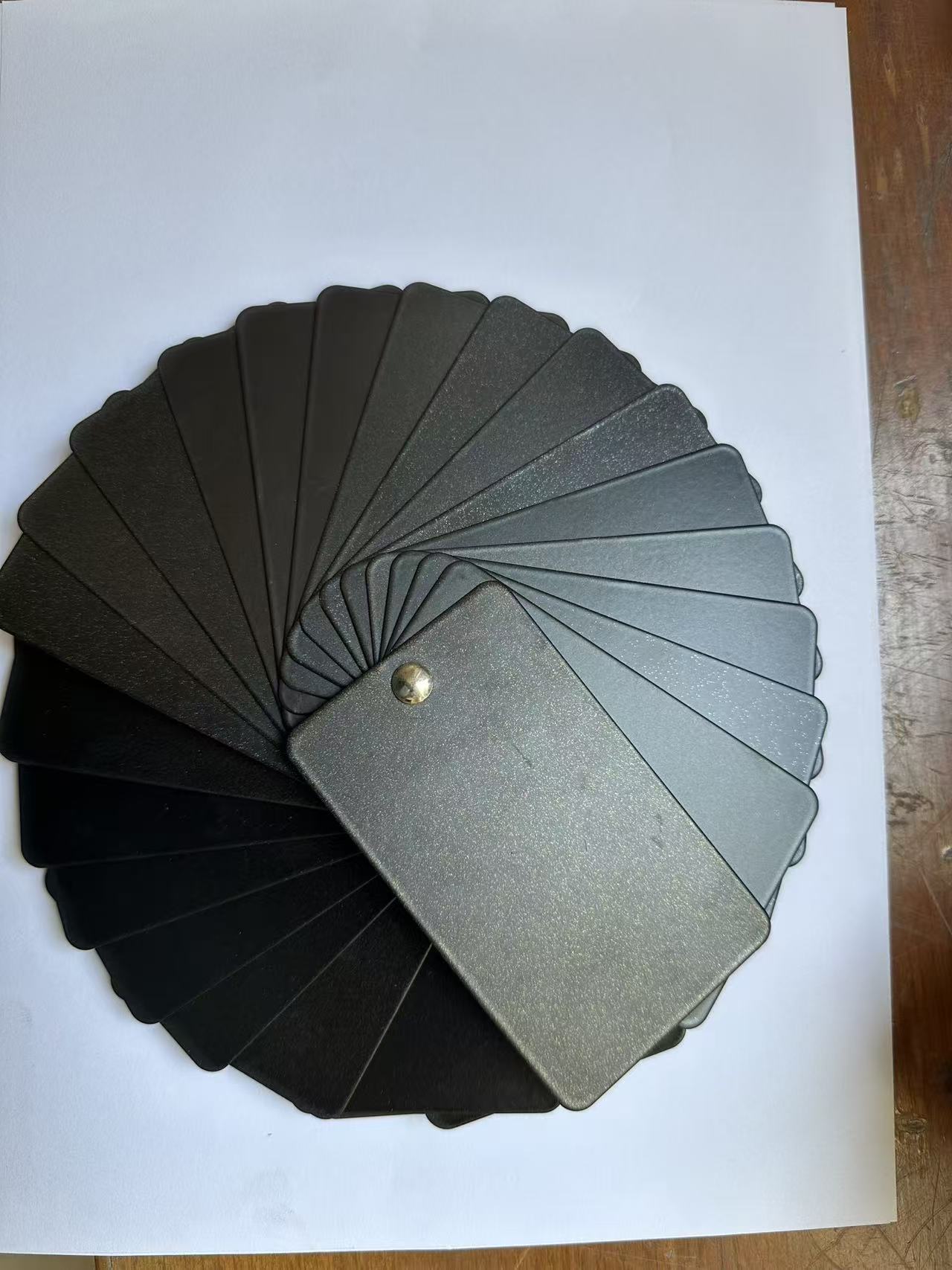
The widespread adoption of polyester powder in architectural coating systems reflects a combination of proven performance metrics and practical advantages that traditional liquid coatings cannot match. When architects and project managers evaluate coating options for facades, structural steel, metal panels, and aluminum components, polyester powder consistently emerges as the optimal choice for balancing performance, sustainability, and lifecycle cost considerations.
Superior Environmental and Health Benefits of Polyester Powder
Zero Volatile Organic Compound Formulation
Polyester powder contains no volatile organic compounds, making it fundamentally different from traditional solvent-based liquid coatings. This zero-VOC characteristic means that polyester powder application sites require minimal environmental controls and worker protective equipment compared to conventional coating methods. The absence of harmful vapors represents a significant advantage for urban architectural projects where air quality and worker safety are regulatory and ethical priorities. When applied through electrostatic powder coating methods, polyester powder systems capture overspray efficiently, preventing chemical emissions and waste in the surrounding environment.
Reduced Waste and Enhanced Material Efficiency
Unlike liquid coatings where a portion evaporates or runs off during application, polyester powder exhibits near-zero waste characteristics due to its dry powder formulation and electrostatic application technology. Overspray material can be recollected and reused in subsequent applications, a capability that significantly reduces material consumption and project costs. This efficiency advantage of polyester powder aligns with modern sustainability mandates and green building certification requirements that architects increasingly incorporate into specifications. Projects using polyester powder demonstrate measurably lower environmental footprints compared to alternative coating systems, contributing to LEED and similar environmental performance goals.
Exceptional Durability and Weather Resistance Properties
Long-Term Protective Performance in Diverse Climates
Polyester powder formulations deliver outstanding protective performance against UV radiation, moisture infiltration, salt spray corrosion, and thermal cycling that accelerates coating degradation in harsh environments. The chemical structure of polyester powder creates a dense, cross-linked film that resists chalking, fading, and gloss loss far better than conventional paint systems. Architectural projects in coastal regions, industrial zones, and areas with extreme temperature fluctuations specifically specify polyester powder because of its proven 15 to 25-year service life without significant degradation. This extended durability means that buildings coated with polyester powder require less frequent maintenance and recoating cycles, delivering substantial cost savings over the building's lifecycle.
Chemical and Moisture Barrier Properties
The cured film created by polyester powder functions as an effective barrier against chemical exposure, industrial pollutants, and moisture ingress that compromise structural integrity. When polyester powder is properly applied to steel and aluminum substrates, it prevents the electrochemical reactions that initiate corrosion and structural failure. This barrier capability distinguishes polyester powder from lighter-duty coating systems and makes it particularly valuable for infrastructure projects, bridge components, and industrial facilities where corrosion represents a genuine risk to safety and asset integrity. The adhesion characteristics of polyester powder to properly prepared metal surfaces exceed those of liquid coatings, ensuring that the protective barrier remains intact even under mechanical stress or thermal expansion.
Cost-Effectiveness and Operational Advantages
Lower Total Cost of Ownership and Labor Requirements
While the initial material cost per unit of polyester powder may differ from some liquid coating alternatives, the total project cost analysis consistently favors polyester powder due to application efficiency and durability. A typical square meter of surface requires less polyester powder material to achieve the specified protective thickness compared to equivalent spray-applied coatings. The electrostatic application of polyester powder reduces labor time significantly because application speeds are 3 to 5 times faster than conventional spray painting methods. Fewer surface preparation rework cycles are needed because polyester powder application processes are highly controllable, producing uniform coating thickness and appearance without runs, drips, or overspray waste. For large-scale architectural projects, these operational efficiencies translate into tangible project timeline compression and direct labor cost reduction.
Simplified Quality Control and Consistency
The industrial process for applying polyester powder involves controlled parameters including electrostatic charge, application distance, cure temperature, and cure duration that can be precisely monitored and documented. This process reliability means that polyester powder achieves consistent film thickness, appearance, and performance properties across every application, eliminating variation and rework that plague traditional coating methods. Project specifications for polyester powder systems include clear acceptance criteria for coating weight, gloss levels, and adhesion that can be verified through standardized testing. The repeatability of polyester powder application processes reduces disputes between contractors and owners regarding coating quality and whether specifications have been met.
Aesthetic Versatility and Color Retention
Extended Color Stability and Aesthetic Appeal
Architectural projects demand coating systems that maintain their specified color and appearance throughout the building's design life. Polyester powder formulations incorporate UV-stable pigments and resin systems that resist fading and yellowing far better than conventional paint coatings. The gloss retention properties of polyester powder mean that buildings maintain their intended aesthetic appearance for decades without the chalked, faded appearance that compromises building value and appeal. Available in virtually unlimited color options and finishes including matte, satin, and high-gloss variants, polyester powder enables architects to specify precisely the aesthetic they envision without making compromises for performance.
Design Flexibility and Project Customization
The versatility of polyester powder extends to custom color matching, special effect finishes, and protective topcoat systems that enable architects to achieve distinctive building aesthetics while maintaining protective performance. Polyester powder can be formulated with metallic pigments, textured profiles, and functional additives that create unique visual and performance characteristics. Large architectural projects use polyester powder in multiple custom colors to create distinctive brand identities and visual impact while ensuring that every color option delivers identical durability and environmental performance. This combination of aesthetic flexibility and guaranteed performance makes polyester powder the preferred specification for high-visibility architectural projects.
FAQ
What substrates can accept polyester powder coating in architectural applications?
Polyester powder adheres effectively to steel, aluminum, zinc-coated steel, and other conductive metal substrates when properly prepared through degreasing and conversion coating processes. The versatility of polyester powder across multiple substrate types makes it suitable for diverse architectural components including facade panels, structural steel, window frames, and metal roofing systems. Before applying polyester powder, substrates must be cleaned to remove oils, oxides, and contaminants that would interfere with electrostatic charge and adhesion.
How does the cure process for polyester powder affect project timelines?
After electrostatic application, polyester powder requires thermal curing in an oven at controlled temperatures, typically between 180 and 250 degrees Celsius for 10 to 15 minutes depending on film thickness and formulation. The cure time for polyester powder systems is significantly faster than the air-dry or force-dry cycles required for liquid coatings, enabling components to be handled, assembled, and shipped within hours of coating. For architectural projects requiring on-site application or quick turnarounds, polyester powder formulations optimized for lower cure temperatures can accelerate project completion.
Does polyester powder meet international building code and sustainability standards?
Polyester powder formulations comply with VOC emission limits, hazardous substance restrictions, and environmental regulations mandated by international building codes and green certification programs. Many architectural specifications for polyester powder include requirements for low-heavy-metal content, compliance with RoHS directives, and eligibility for LEED and similar sustainability credit systems. Specifying polyester powder enables projects to meet increasingly stringent environmental regulations while maintaining protective performance and aesthetic objectives.