
 EN
EN
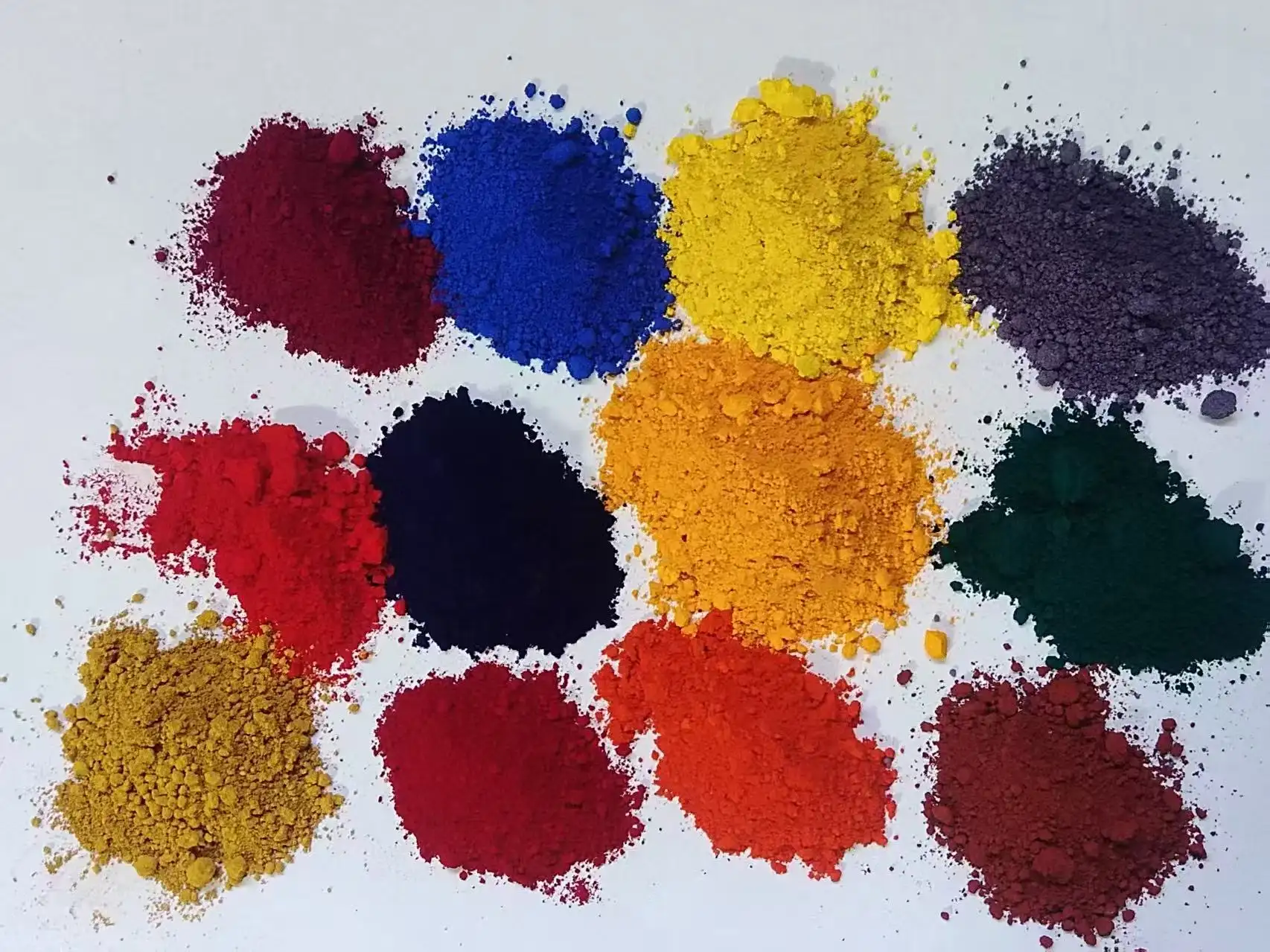
Outdoor metal products face constant exposure to environmental stressors that can compromise their structural integrity and aesthetic appeal. Polyester powder weather resistance has emerged as a critical solution for manufacturers seeking to protect aluminum, steel, and other metal substrates in harsh climates. The question of whether polyester powder can genuinely enhance weather resistance is not merely academic—it directly impacts the longevity, maintenance costs, and market competitiveness of outdoor metal equipment and infrastructure.
The short answer is yes—polyester powder weather resistance significantly outperforms many alternative coating systems when properly formulated and applied. However, understanding the mechanisms behind this enhancement, the conditions under which polyester powder weather resistance delivers optimal results, and the practical implementation strategies is essential for making informed purchasing and production decisions in industrial coating applications.
How Polyester Powder Weather Resistance Protects Metal Surfaces
Polymer Chain Structure and Environmental Barrier Formation
Polyester powder weather resistance depends fundamentally on the chemistry of the polyester resin system used in the formulation. When polyester powder is electrostatically applied and cured through thermal cross-linking, the polymer chains form a dense, continuous film that acts as a physical barrier against moisture, oxygen, and corrosive ions. This barrier mechanism is the primary reason why polyester powder weather resistance outperforms uncoated metals in outdoor environments. The cross-linked network created during the curing process prevents water penetration while maintaining adhesion to the substrate.
UV Stability and Color Retention
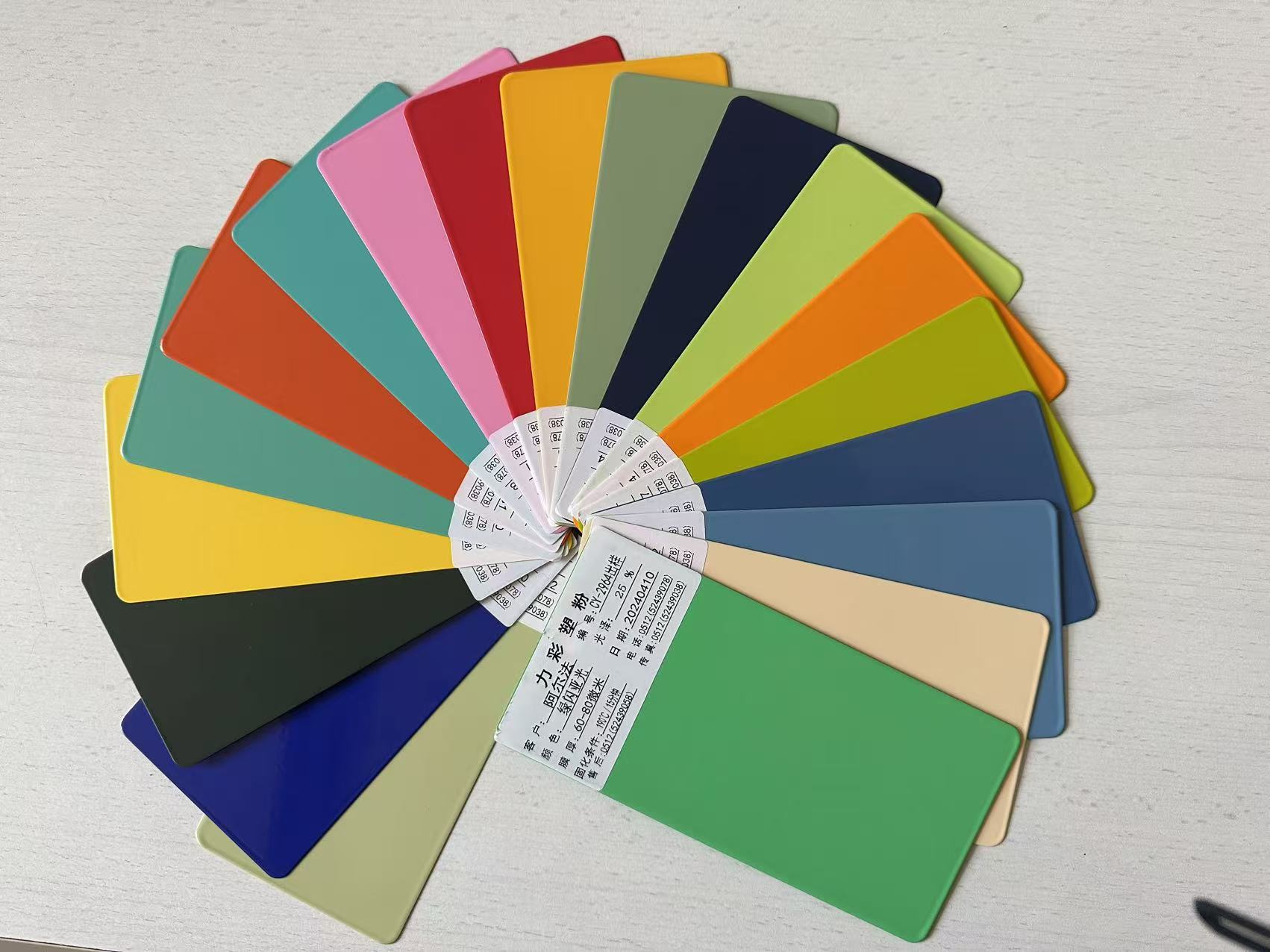
One of the most visible aspects of polyester powder weather resistance is its ability to maintain color and gloss in direct sunlight. UV absorbers and light stabilizers incorporated into polyester powder formulations protect the polymer chains from photodegradation. Over time, unprotected polymers expose to ultraviolet radiation will chalky and fade, but high-quality polyester powder weather resistance formulations can maintain color retention for 5–10 years or longer depending on geographic location and pigment selection. This extended UV performance is why polyester powder is favored for architectural metal, outdoor furniture, and agricultural equipment that must remain visually attractive after years of exposure.
Environmental Protection Performance and Durability Benchmarks
Salt Spray Resistance and Corrosion Prevention
Polyester powder weather resistance has been rigorously tested according to international standards such as ASTM B117 salt spray testing. A properly formulated polyester powder coating can achieve 1500–3000 hours of salt spray resistance, meaning the coating protects the substrate from corrosive salt environments common in coastal regions and road salt applications. This level of polyester powder weather resistance is achieved through a combination of film thickness, resin chemistry, and pigment selection. Thicker coatings and polyester powders with enhanced formulations can push this performance even higher, making polyester powder weather resistance a preferred choice for marine equipment and infrastructure exposed to saline conditions.
Thermal Cycling and Mechanical Resilience
Outdoor metal products experience continuous thermal cycling as day-night temperature variations and seasonal changes cause the substrate and coating to expand and contract. Polyester powder weather resistance specifically refers to the coating's ability to accommodate this thermal stress without cracking, peeling, or delaminating. The flexibility built into polyester resin systems allows the coating film to move with the substrate while maintaining its protective integrity. This mechanical resilience is why polyester powder weather resistance outperforms more brittle coating alternatives in climates with extreme temperature swings or in applications where thermal shock is common.
Implementation Strategies for Maximizing Polyester Powder Weather Resistance
Substrate Preparation and Primer Selection
The effectiveness of polyester powder weather resistance begins long before the powder coating is applied. Proper surface preparation—including degreasing, mechanical cleaning, and removal of mill scale—is essential. For ferrous substrates, applying a zinc-rich epoxy primer before the polyester powder layer significantly enhances overall system performance. The epoxy primer provides cathodic protection and improved adhesion, while the polyester powder weather resistance layer provides the long-term environmental barrier. This two-coat system delivers superior durability compared to polyester powder applied alone, particularly in harsh outdoor environments.
Coating Thickness and Application Technique
Achieving optimal polyester powder weather resistance requires careful control of coating thickness. Most polyester powders are specified for application at 60–100 micrometers dry film thickness. Thicker coatings generally provide better polyester powder weather resistance, but excessive thickness can lead to pinholing, reduced gloss, or impact resistance. Electrostatic application techniques that ensure even powder distribution across the entire substrate are critical. Proper powder gun distance, voltage settings, and application technique determine whether the final coating achieves the polyester powder weather resistance performance specified in the technical data sheet.
FAQ
What factors most influence polyester powder weather resistance performance?
The primary factors affecting polyester powder weather resistance are resin quality, UV stabilizer package, pigment type, coating thickness, substrate preparation, and application technique. Premium polyester formulations with enhanced UV absorbers and light stabilizers deliver superior color retention. Substrate cleanliness and proper primer selection also play critical roles in achieving long-term polyester powder weather resistance. Geographic location, climate severity, and specific environmental exposure conditions will determine which performance tier of polyester powder is required.
How long does polyester powder weather resistance typically last in outdoor applications?
High-quality polyester powder weather resistance coatings typically maintain protective integrity for 7–15 years in moderate outdoor climates and 5–10 years in harsh coastal or industrial environments. The exact duration depends on coating thickness, environmental exposure, maintenance practices, and the specific polyester formulation used. Regular washing to remove salt residue and environmental contaminants can extend the effective lifespan of polyester powder weather resistance significantly. Products exposed to extreme UV radiation, constant salt spray, or severe thermal cycling may require recoating sooner than those in milder climates.
Is polyester powder weather resistance better than acrylic or epoxy powders for outdoor use?
Polyester powder weather resistance generally outperforms acrylic powders in outdoor applications due to superior UV stability and color retention. Polyester powder weather resistance also typically exceeds epoxy powder performance for exterior use because epoxy coatings are more susceptible to chalking and color fade when directly exposed to sunlight. However, epoxy primers under a polyester topcoat create a hybrid system that combines epoxy's adhesion and corrosion protection with polyester powder weather resistance properties, delivering optimal results for demanding outdoor metal applications in industrial, commercial, and architectural sectors.