
 EN
EN
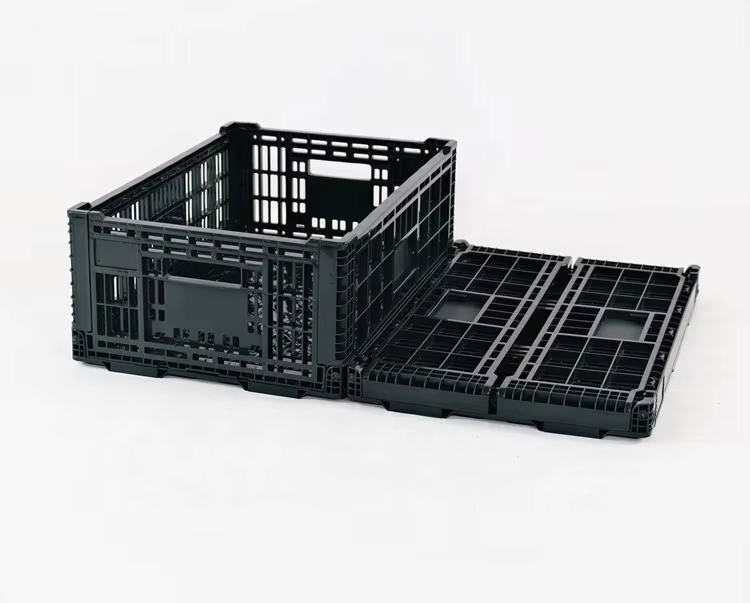
Modern supply chain management demands innovative approaches to cost reduction and operational streamlining. Folding crate solutions represent one of the most practical advances in logistics infrastructure, addressing a fundamental challenge that businesses face: how to move goods efficiently while minimizing waste and expense. The transportation efficiency gains from folding crate solutions have transformed how companies across food, retail, manufacturing, and distribution sectors manage their inventory movement and storage requirements.
The adoption of folding crate solutions is not merely a trend but a strategic business decision backed by measurable operational benefits. Companies recognize that traditional rigid containers consume excessive space during return journeys, increasing fuel costs, warehouse footprint, and environmental impact. Folding crate solutions collapse to a fraction of their original volume when empty, fundamentally changing the economics of reverse logistics and making them the preferred choice for organizations serious about transportation efficiency.
The Core Economics of Folding Crate Solutions
Space Optimization and Reduced Shipping Costs
The primary advantage driving adoption of folding crate solutions lies in their dramatic space efficiency. When fully collapsed, these crates occupy approximately 20 percent of the space required by rigid alternatives, directly translating to fewer vehicle trips, reduced fuel consumption, and lower carbon emissions per unit shipped. This dimensional advantage means that distribution centers using folding crate solutions can fit significantly more collapsed containers into return vehicles, maximizing payload efficiency on the journey back to warehouses or production facilities.
Transportation efficiency improves further when considering the total cost per shipment cycle. Folding crate solutions reduce the cubic feet devoted to empty container return, which is often the overlooked variable in logistics budgeting. A typical truck can accommodate three to four times more collapsed crates compared to stacked rigid containers, dramatically improving the return-on-investment for every delivery route. This compounding benefit across thousands of shipments annually creates substantial cost savings that directly impact profitability and competitive positioning.
Warehouse Space and Inventory Management
Beyond transportation benefits, folding crate solutions significantly reduce the real estate footprint required in warehouses and distribution centers. Storage of empty containers represents a hidden cost in traditional logistics operations, consuming valuable square footage that could otherwise support revenue-generating inventory. Organizations implementing folding crate solutions report warehouse space reductions of 40 to 60 percent dedicated to container storage alone, freeing up capacity for additional product inventory or enabling smaller facility leases.
The flexibility of folding crate solutions also improves inventory agility. Collapsed containers require minimal dedicated shelf space, allowing operations teams to respond more quickly to fluctuating demand patterns. During peak seasons, companies can store more collapsed folding crate solutions in the same footprint, ensuring adequate container availability without requiring facility expansion. This operational elasticity provides a competitive advantage in industries where seasonal demand swings are pronounced.
Operational Advantages of Folding Crate Solutions
Handling Efficiency and Worker Safety
Folding crate solutions engineered with modern ergonomic design reduce physical strain on warehouse and distribution personnel. Lightweight plastic materials combined with optimized handles and collapsible frames make folding crate solutions easier to manage during loading, unloading, and stacking operations. This ergonomic focus decreases worker fatigue and injury rates, directly lowering workers' compensation claims and reducing operational disruptions caused by staff absence or reduced productivity.
The consistent design of folding crate solutions also enables faster, more predictable handling workflows. Training employees on folding crate solutions protocols takes less time than managing multiple container types, improving throughput rates across receiving, sorting, packing, and shipping departments. Standardization through folding crate solutions implementation creates measurable improvements in labor productivity and operational reliability that compound over months and years of continuous use.
Durability and Asset Tracking Integration
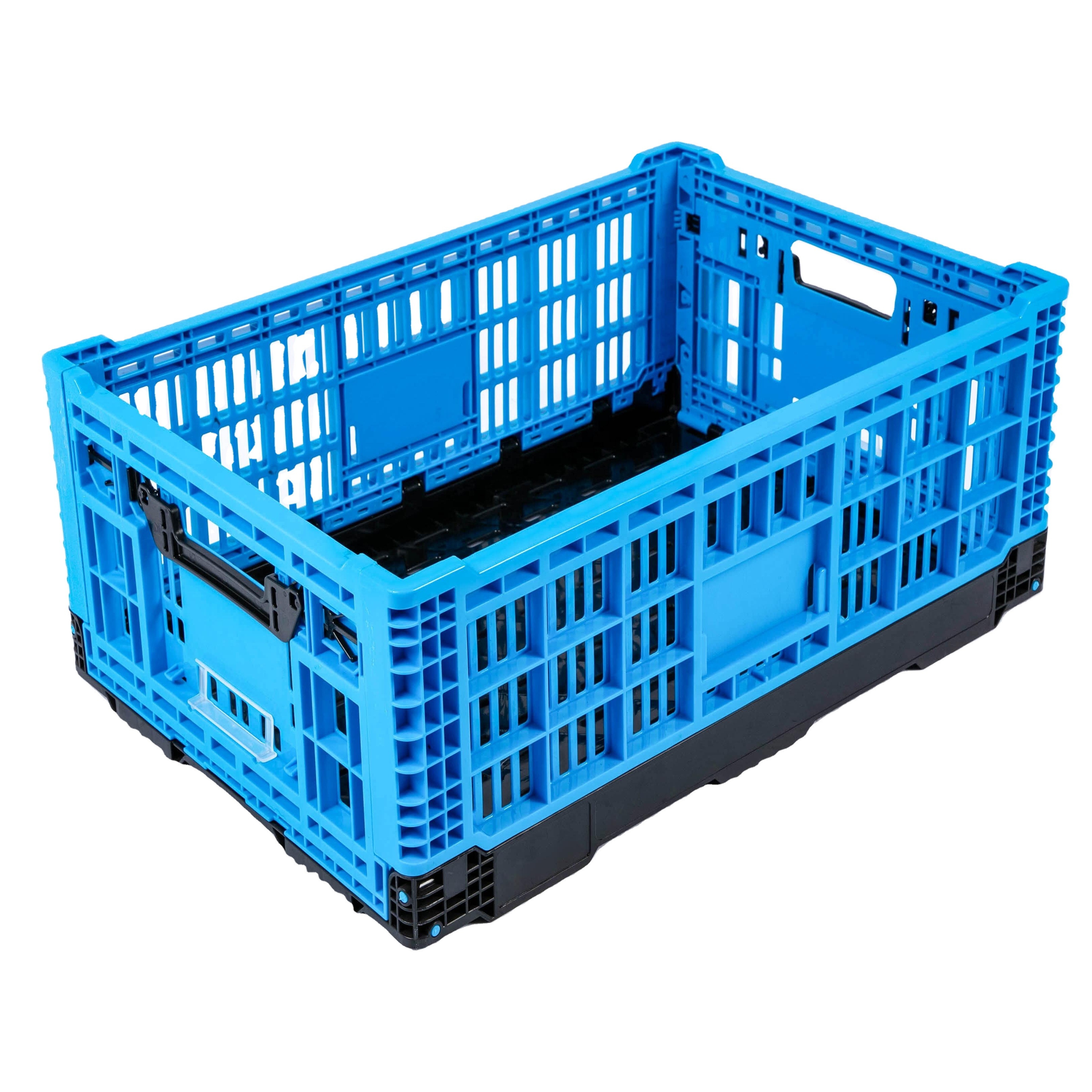
Modern folding crate solutions are manufactured from high-grade plastic materials designed to withstand repeated collapse and expansion cycles, typically supporting 200 or more use cycles with minimal degradation. This durability ensures that investments in folding crate solutions deliver extended service life, spreading capital costs across numerous shipment cycles and improving overall asset economics. Unlike corrugated boxes that degrade after limited use, folding crate solutions provide reliable, consistent performance across years of operation.
Integration of barcode and RFID tracking capabilities with folding crate solutions has revolutionized container asset management. Businesses can now monitor container location, utilization rates, and condition throughout their supply networks, reducing loss and theft while optimizing container utilization ratios. Folding crate solutions equipped with tracking systems provide real-time visibility into asset deployment, enabling data-driven decisions about container acquisition, repair, and retirement.
Sustainability and Strategic Business Value
Environmental Impact and Brand Positioning
The environmental advantages of folding crate solutions extend beyond operational cost reduction to encompass genuine sustainability benefits. Reduced fuel consumption from optimized vehicle payloads translates directly to lower carbon emissions, helping organizations meet corporate sustainability goals and customer environmental expectations. Many enterprises now highlight their adoption of folding crate solutions as evidence of commitment to sustainable logistics, strengthening brand reputation among environmentally conscious consumers and stakeholders.
Reusable folding crate solutions eliminate the ongoing waste stream associated with single-use corrugated packaging, reducing landfill impact and supporting circular economy principles. Over a multi-year period, a single folding crate solutions unit can replace hundreds of disposable containers, making the sustainability argument compelling from both environmental and financial perspectives. Forward-thinking companies leverage folding crate solutions adoption as a differentiation strategy in competitive markets where sustainability credentials influence purchasing decisions.
Scalability and Future-Proofing
Organizations that implement folding crate solutions build infrastructure that scales efficiently with business growth. Adding capacity requires minimal additional warehouse space or vehicle investment, as the same fleet vehicles and facilities can accommodate expanded container volumes through optimized logistics planning. This scalability advantage becomes increasingly valuable during rapid growth phases, enabling companies to expand operations without proportional increases in fixed capital investment.
The versatility of folding crate solutions also enables adaptation to evolving supply chain requirements. Different industries, product categories, and temperature requirements can all benefit from specialized folding crate solutions designs, allowing companies to consolidate container strategies rather than managing multiple incompatible systems. This consolidation reduces complexity, training requirements, and procurement costs while improving operational standardization across business units.
FAQ
What specific industries benefit most from folding crate solutions for transportation efficiency?
Folding crate solutions deliver exceptional value in food and beverage distribution, fresh produce logistics, pharmaceutical supply chains, retail distribution networks, and manufacturing environments where product volume and handling frequency justify container investments. These sectors experience regular return logistics cycles where the space-saving advantages of folding crate solutions create the most significant cost reductions. Industries with high-velocity inventory turnover and frequent cross-dock operations particularly benefit from improved transportation efficiency through folding crate solutions adoption.
How do folding crate solutions compare to alternative container solutions in total cost analysis?
Comprehensive total-cost-of-ownership analyses consistently demonstrate that folding crate solutions outperform corrugated boxes and rigid plastic containers over multi-year periods when accounting for disposal costs, space efficiency, labor utilization, and return logistics expenses. While initial per-unit capital costs for folding crate solutions may exceed disposable alternatives, the reusable nature and operational benefits create break-even payback periods typically ranging from six to eighteen months, depending on utilization intensity. Long-term cost advantages of folding crate solutions grow more pronounced as shipping volumes increase and utilization rates improve.
Can folding crate solutions integrate with existing warehouse management and tracking systems?
Modern folding crate solutions are designed for seamless integration with enterprise warehouse management systems, transportation management platforms, and asset tracking technologies including barcode scanning, RFID, and IoT monitoring capabilities. Integration with existing systems enables organizations to implement folding crate solutions without requiring complete technology infrastructure overhauls. This compatibility ensures that logistics teams can monitor folding crate solutions utilization, location, and condition through familiar software interfaces, accelerating adoption and maximizing the return on technology investments already in place.