
 EN
EN
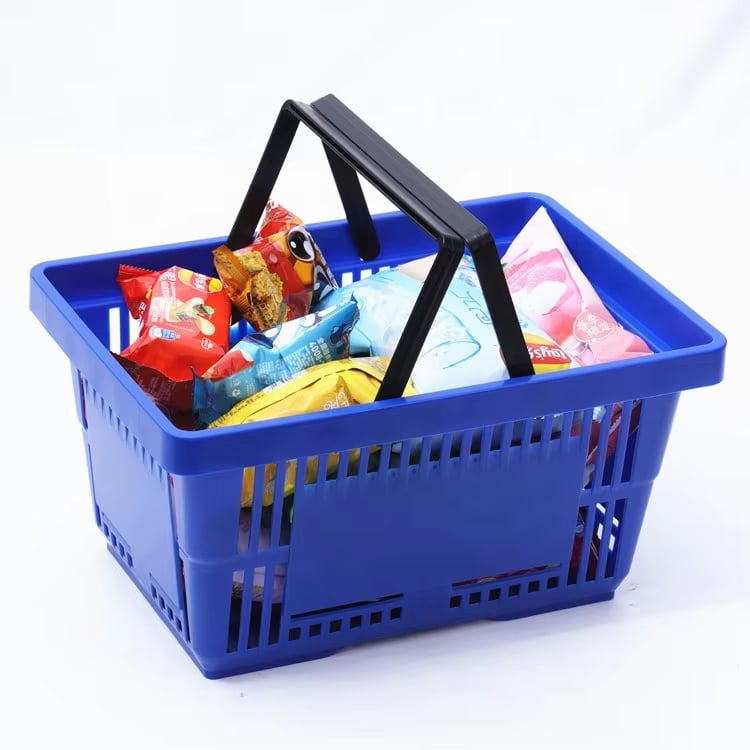
Modern consumers increasingly prioritize sustainability in their purchasing decisions, leading to a growing demand for eco-friendly storage solutions. Among these solutions, the plastic basket has evolved from a simple utility item to an environmentally conscious choice that combines functionality with responsible manufacturing. Today's eco-friendly plastic baskets are crafted from recycled materials, bio-based plastics, and other sustainable compounds that reduce environmental impact while maintaining the durability and versatility consumers expect.
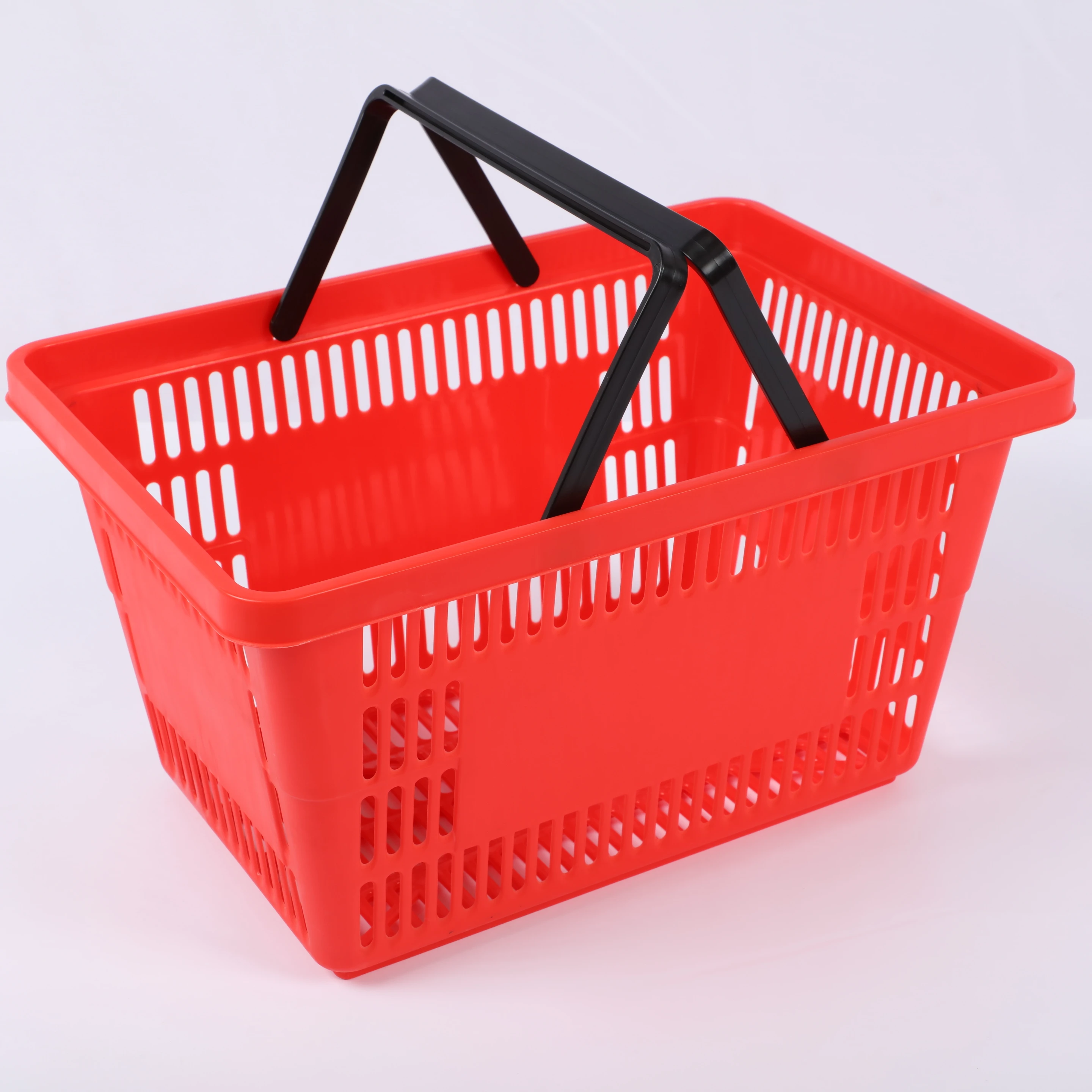
The shift toward sustainable living has transformed how manufacturers approach product design and material selection. Traditional plastic production methods are being replaced with innovative processes that incorporate recycled content, reduce energy consumption, and minimize waste generation. This transformation directly benefits consumers who seek storage solutions that align with their environmental values without compromising on quality or functionality.
Understanding Eco-Friendly Plastic Materials
Recycled Plastic Content
Recycled plastic content forms the foundation of many sustainable storage solutions available today. These materials are derived from post-consumer waste, including bottles, containers, and other plastic products that have completed their initial lifecycle. The recycling process involves collecting, cleaning, and reprocessing these materials into new plastic resins suitable for manufacturing durable storage products.
Manufacturing processes for recycled plastic content have become increasingly sophisticated, allowing producers to create storage solutions that match or exceed the performance characteristics of virgin plastic materials. Advanced sorting technologies ensure that recycled materials maintain consistent quality standards, while innovative processing techniques preserve the structural integrity necessary for long-term use in storage applications.
Bio-Based Plastic Alternatives
Bio-based plastic alternatives represent another significant advancement in sustainable storage manufacturing. These materials are derived from renewable biological resources such as corn starch, sugarcane, and other plant-based feedstocks. Unlike traditional petroleum-based plastics, bio-based alternatives offer reduced carbon footprints and contribute to circular economy principles.
The performance characteristics of bio-based plastic materials have improved dramatically through research and development investments. Modern bio-based storage solutions offer comparable strength, flexibility, and longevity to conventional alternatives while providing the added benefit of renewable resource utilization. These materials often incorporate natural additives that enhance their biodegradability without compromising structural performance.
Design Features for Sustainable Storage
Modular and Stackable Configurations
Modular design principles maximize space efficiency while extending product lifecycles through versatile configurations. Stackable storage solutions allow users to adapt their organization systems as needs change, reducing the likelihood of disposal and replacement. These design features contribute to sustainability by promoting long-term use and reducing overall consumption.
Interlocking mechanisms and standardized dimensions ensure compatibility across different product lines and manufacturers. This standardization supports sustainable practices by enabling users to mix and match components from various sources, creating customized storage systems that evolve with changing requirements. The modular approach also facilitates repair and replacement of individual components rather than entire systems.
Durability and Longevity Features
Enhanced durability features directly support sustainability goals by extending product lifecycles and reducing replacement frequency. Reinforced construction techniques, including ribbed walls and strengthened corners, ensure that storage solutions withstand regular use and handling without degradation. These structural improvements translate to reduced environmental impact through decreased manufacturing demand.
UV-resistant coatings and weather-resistant formulations enable outdoor use and extended exposure to environmental conditions. These protective features prevent premature degradation and maintain structural integrity across various storage applications. The investment in durability-enhancing technologies ultimately supports sustainable consumption patterns by reducing waste generation.
Applications in Sustainable Living
Home Organization Systems
Sustainable home organization relies on versatile storage solutions that adapt to diverse household needs. Eco-friendly storage options excel in pantry organization, closet systems, and general household storage applications. Their lightweight construction facilitates easy repositioning and reconfiguration as organizational needs evolve, supporting flexible living arrangements.
Kitchen storage applications benefit particularly from eco-friendly materials that resist moisture, odors, and staining. plastic basket solutions designed for food storage incorporate food-safe materials and ventilation features that maintain freshness while supporting sustainable practices. These applications demonstrate how environmental responsibility and practical functionality can coexist effectively.
Commercial and Retail Applications
Commercial environments increasingly adopt sustainable storage solutions to support corporate environmental initiatives and reduce operational impacts. Retail establishments utilize eco-friendly storage options for inventory management, display organization, and customer shopping experiences. These applications often require higher durability standards and frequent handling, making sustainable material selection particularly important.
Office environments benefit from sustainable storage solutions that support organized workspaces while contributing to green building certifications and sustainability reporting. Document storage, supply organization, and general office storage applications can incorporate eco-friendly materials without compromising professional appearance or functionality. The scalability of sustainable storage systems supports both small offices and large corporate installations.
Manufacturing and Environmental Impact
Production Process Improvements
Modern manufacturing processes for sustainable storage solutions incorporate energy-efficient technologies and waste reduction strategies. Advanced molding techniques reduce material waste while optimizing structural performance, contributing to overall environmental impact reduction. These process improvements often result in cost savings that benefit both manufacturers and consumers.
Water-based finishing processes and low-emission manufacturing techniques minimize environmental impact during production. Quality control systems ensure consistent performance while reducing defect rates and associated waste. The integration of renewable energy sources in manufacturing facilities further reduces the carbon footprint of sustainable storage products.
End-of-Life Considerations
End-of-life planning represents a crucial aspect of sustainable storage design, with manufacturers increasingly incorporating recyclability and disposal considerations into product development. Clear labeling systems help consumers understand proper disposal methods and recycling opportunities. Some manufacturers offer take-back programs that ensure proper recycling and material recovery.
Biodegradable additives and compostable materials expand end-of-life options for certain storage applications. These innovations particularly benefit consumers in areas with limited recycling infrastructure, providing alternative disposal methods that reduce landfill impact. The development of these materials requires careful balance between performance requirements and environmental considerations.
FAQ
How do eco-friendly storage solutions compare in durability to traditional options
Modern eco-friendly storage solutions match or exceed the durability of traditional alternatives through advanced material science and manufacturing techniques. Recycled plastic content and bio-based materials undergo rigorous testing to ensure structural integrity and longevity. Many sustainable options include enhanced features such as UV resistance and impact protection that extend product lifecycles beyond conventional alternatives.
What certifications should consumers look for when selecting sustainable storage products
Consumers should seek products with recognized environmental certifications such as Energy Star, Green Seal, or Cradle to Cradle certification. These certifications verify sustainable manufacturing processes, material content, and environmental impact assessments. Additionally, recycled content percentages and bio-based material certifications provide specific information about sustainable material utilization in storage products.
Are eco-friendly storage options suitable for outdoor use and weather exposure
Many eco-friendly storage solutions are specifically designed for outdoor applications with weather-resistant formulations and UV-protective coatings. These features prevent degradation from sun exposure, temperature fluctuations, and moisture while maintaining structural integrity. Manufacturers often provide specific outdoor use recommendations and warranty coverage for products designed for exterior storage applications.
How can consumers verify the environmental claims of storage product manufacturers
Consumers can verify environmental claims through third-party certifications, manufacturer transparency reports, and independent testing results. Reputable manufacturers provide detailed information about material sources, recycled content percentages, and manufacturing processes. Additionally, product lifecycle assessments and environmental impact studies offer comprehensive verification of sustainability claims and environmental benefits.
Table of Contents
- Understanding Eco-Friendly Plastic Materials
- Design Features for Sustainable Storage
- Applications in Sustainable Living
- Manufacturing and Environmental Impact
-
FAQ
- How do eco-friendly storage solutions compare in durability to traditional options
- What certifications should consumers look for when selecting sustainable storage products
- Are eco-friendly storage options suitable for outdoor use and weather exposure
- How can consumers verify the environmental claims of storage product manufacturers