
 EN
EN
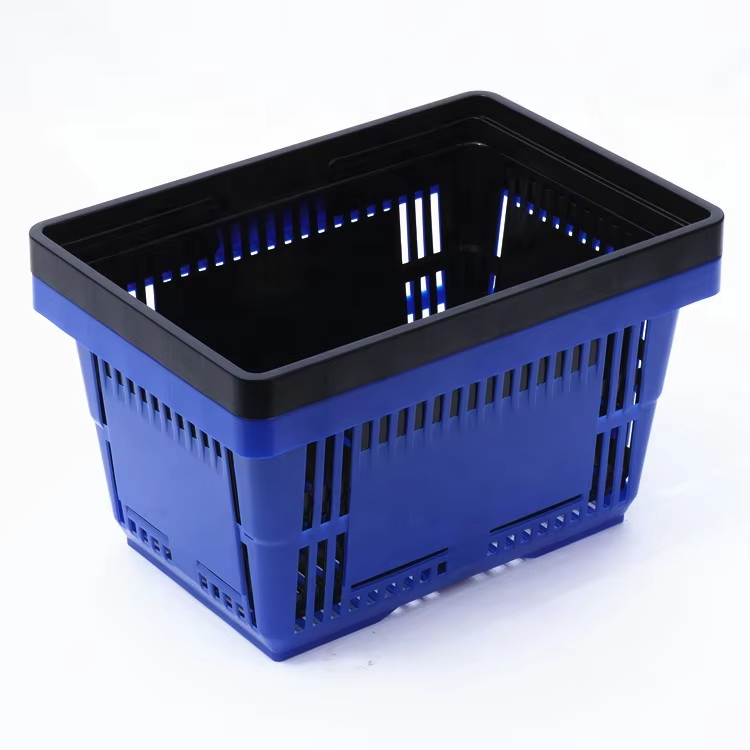
The choice between a plastic basket and a wire basket significantly impacts business operations across retail environments, warehouses, and distribution centers. Modern businesses require storage solutions that balance durability, functionality, and cost-effectiveness while meeting specific operational demands. Understanding the distinct advantages and limitations of each basket type enables informed decision-making that aligns with organizational goals and customer expectations.
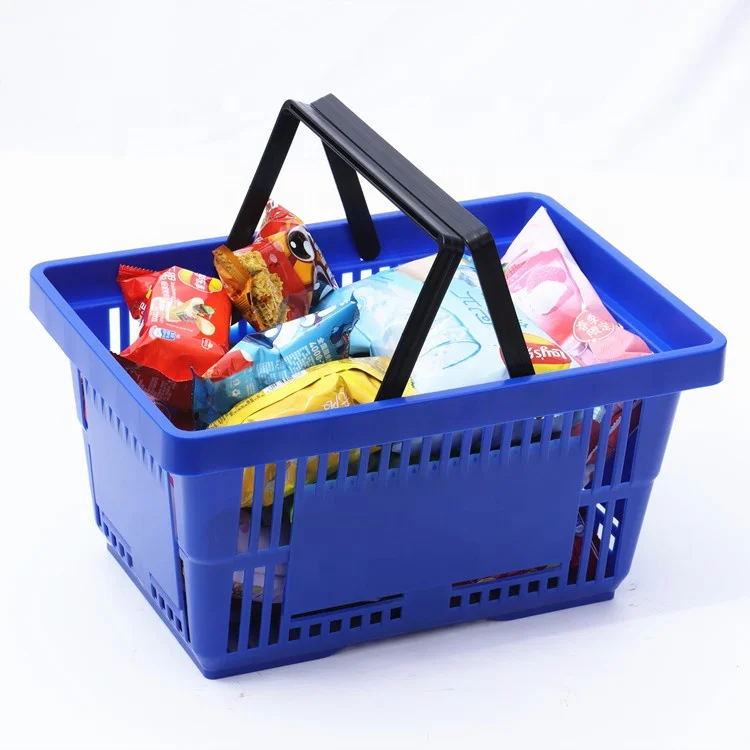
Material composition fundamentally differentiates these two basket categories, creating unique performance characteristics that suit different applications. Each material presents distinct structural properties, maintenance requirements, and environmental considerations that directly influence long-term operational efficiency. The selection process requires careful evaluation of specific use cases, environmental factors, and budget constraints to achieve optimal results.
Material Properties and Construction
Plastic Basket Manufacturing and Materials
High-density polyethylene and polypropylene represent the primary materials used in modern plastic basket construction, offering exceptional chemical resistance and structural integrity. These thermoplastic materials undergo injection molding processes that create seamless, one-piece constructions without weak joints or connection points. The molecular structure of these plastics provides inherent flexibility while maintaining load-bearing capacity across various temperature ranges.
Advanced polymer formulations incorporate UV stabilizers and impact modifiers that enhance outdoor performance and extend service life under challenging conditions. Manufacturing processes allow for precise wall thickness control, creating optimized strength-to-weight ratios that maximize carrying capacity while minimizing material usage. Color integration during the molding process ensures uniform appearance and eliminates the need for secondary coating applications.
Wire Basket Construction and Steel Types
Welded steel wire construction forms the foundation of traditional wire baskets, utilizing various steel grades and wire gauges to achieve specific strength characteristics. Galvanized steel coatings provide corrosion resistance through zinc application, while stainless steel options offer superior chemical resistance and hygiene properties. Wire spacing and gauge selection directly influence load capacity, product containment, and visual accessibility of stored items.
Manufacturing techniques include resistance welding at intersection points, creating rigid geometric patterns that distribute loads evenly across the basket structure. Surface treatments such as powder coating, chrome plating, or vinyl coating enhance appearance and provide additional protection against environmental factors. Frame reinforcement through perimeter welding or integrated structural elements increases overall basket strength and prevents deformation under heavy loads.
Durability and Longevity Factors
Impact Resistance and Structural Integrity
Impact resistance capabilities vary significantly between plastic and wire basket designs, with each material responding differently to mechanical stress and environmental challenges. A plastic basket demonstrates superior shock absorption properties due to the flexible nature of polymer materials, reducing the risk of catastrophic failure under sudden impact loads. The seamless construction eliminates potential failure points that commonly occur at welded joints in wire alternatives.
Wire baskets excel in maintaining structural shape under consistent loading conditions, with steel's inherent strength providing excellent resistance to deformation and bending. However, localized damage to individual wires can compromise overall basket integrity, potentially creating sharp edges or weak points that affect safety and functionality. The interconnected nature of wire construction means damage propagation can occur if not addressed promptly through maintenance interventions.
Environmental Resistance and Weathering
Environmental exposure affects basket materials differently, with plastic formulations typically offering superior resistance to moisture, chemical exposure, and temperature fluctuations. UV stabilizers integrated into plastic compounds prevent degradation from sunlight exposure, maintaining color stability and structural properties over extended outdoor use periods. Chemical resistance properties make plastic baskets ideal for applications involving cleaning agents, food products, or industrial chemicals.
Galvanized wire baskets provide adequate corrosion protection under normal conditions but may experience coating breakdown in harsh environments or high-humidity applications. Stainless steel alternatives offer exceptional environmental resistance but command premium pricing that may not be justified for all applications. Regular maintenance requirements for wire baskets include inspection for rust formation, coating damage, and structural integrity preservation.
Functional Performance Characteristics
Weight Capacity and Load Distribution
Load-bearing capabilities represent a critical performance factor that influences basket selection for specific applications and operational requirements. Wire baskets typically offer higher static load capacities due to steel's superior tensile strength, making them suitable for heavy-duty applications involving dense or weighty products. The geometric structure of wire baskets provides excellent load distribution through the interconnected framework.
Plastic baskets optimize load capacity through advanced engineering techniques, including ribbing patterns, wall thickness variations, and strategic reinforcement placement. While individual load limits may be lower than wire alternatives, plastic baskets maintain consistent performance across their entire service life without gradual degradation. The uniform load distribution achieved through solid-wall construction prevents point loading that can damage sensitive products.
Ventilation and Product Visibility
Air circulation requirements influence basket selection in applications involving perishable goods, temperature-sensitive products, or items requiring moisture control. Wire baskets provide maximum ventilation through open construction, allowing unrestricted airflow that promotes product freshness and prevents condensation buildup. The transparent nature of wire construction enables complete product visibility from all angles.
Solid-wall plastic baskets limit air circulation but offer advantages in containment of small items, liquid protection, and dust prevention. Ventilation holes can be incorporated into plastic designs where airflow is required while maintaining structural integrity. Product visibility through plastic walls depends on material transparency and wall thickness, with clear formulations offering excellent visibility for product identification and inventory management.
Maintenance and Hygiene Considerations
Cleaning Requirements and Procedures
Cleaning efficiency and hygiene maintenance represent essential factors in environments where sanitation standards directly impact operational compliance and customer safety. Smooth plastic surfaces facilitate thorough cleaning through simple washing procedures, with minimal crevices or joints where contaminants can accumulate. The chemical resistance of plastic materials allows use of strong cleaning agents and sanitizers without surface degradation concerns.
Wire basket cleaning requires attention to intersection points, welded joints, and surface irregularities where debris and contaminants may collect. The open structure facilitates drainage and drying but may require specialized cleaning equipment to reach all surfaces effectively. Surface coatings on wire baskets may be sensitive to harsh cleaning chemicals, requiring careful selection of appropriate cleaning agents and methods.
Sanitization and Food Safety Compliance
Food-grade plastic formulations meet strict regulatory requirements for direct food contact, with FDA-approved materials ensuring safety in food retail and processing applications. Non-porous plastic surfaces prevent bacterial growth and facilitate complete sanitization through standard commercial dishwashing or chemical sanitizing processes. Temperature resistance allows plastic baskets to withstand hot water washing and steam sanitization procedures.
Stainless steel wire baskets provide excellent food safety characteristics with naturally antimicrobial properties and resistance to corrosion from sanitizing chemicals. However, surface treatments and coatings on galvanized or painted wire baskets may not meet food-grade requirements, limiting their use in direct food contact applications. Regular inspection for coating integrity ensures continued compliance with food safety regulations.
Cost Analysis and Economic Factors
Initial Investment and Procurement Costs
Initial procurement costs vary significantly between plastic and wire basket options, with multiple factors influencing the total investment required for operational implementation. Plastic baskets typically offer lower unit costs due to efficient manufacturing processes and material availability, making them attractive for large-scale deployments or budget-conscious operations. Volume pricing structures further reduce per-unit costs for substantial purchases.
Wire basket pricing reflects material costs, manufacturing complexity, and finishing requirements, with stainless steel options commanding premium prices compared to galvanized alternatives. Custom sizing, special coatings, or unique configurations increase wire basket costs substantially due to specialized manufacturing requirements. However, the potential for longer service life may justify higher initial investment in specific applications.
Long-term Operating Costs and Replacement Cycles
Total cost of ownership encompasses initial purchase price, maintenance expenses, replacement frequency, and operational efficiency impacts over the basket's service life. Plastic baskets typically require minimal maintenance beyond regular cleaning, reducing ongoing operational costs and labor requirements. The predictable service life and consistent performance characteristics enable accurate budgeting for replacement cycles.
Wire baskets may incur higher maintenance costs through coating touch-ups, structural repairs, and more frequent inspections to ensure safety and functionality. However, the potential for refurbishment and longer service life in appropriate applications can offset higher maintenance costs. Replacement timing depends on application severity, maintenance quality, and acceptable appearance standards for customer-facing environments.
Application-Specific Selection Criteria
Retail and Commercial Environments
Retail environments prioritize appearance, customer safety, and operational efficiency when selecting basket solutions for shopping, display, and storage applications. Plastic baskets offer design flexibility through color options, branding opportunities, and ergonomic handle configurations that enhance customer experience. The lightweight nature reduces customer fatigue and handling injuries while maintaining adequate capacity for typical shopping loads.
Wire baskets in retail settings provide visual merchandise appeal through product visibility and perceived quality associated with traditional materials. The structural rigidity maintains shape under varied loading conditions, creating consistent appearance throughout the store environment. However, potential safety concerns from sharp edges or protruding wires require careful consideration in customer-accessible areas.
Industrial and Warehouse Applications
Industrial environments demand robust basket solutions capable of withstanding harsh conditions, heavy loads, and frequent handling cycles without compromising performance or safety. Wire baskets excel in applications requiring maximum strength, such as parts storage, heavy component handling, or high-temperature environments where plastic materials may not be suitable. The open construction facilitates washing and drying in industrial cleaning systems.
Plastic baskets serve industrial applications where chemical resistance, lightweight handling, or containment of small parts is prioritized over maximum load capacity. The seamless construction prevents snagging on conveyor systems or automated handling equipment, reducing operational disruptions and maintenance requirements. Color coding capabilities enhance inventory management and workflow organization in complex industrial environments.
FAQ
What factors should determine whether to choose plastic or wire baskets for my business
The decision between plastic and wire baskets should be based on your specific operational requirements, including load capacity needs, environmental conditions, cleaning requirements, and budget constraints. Consider factors such as the weight and type of products being stored, exposure to chemicals or weather, frequency of cleaning, and whether food safety compliance is required. Plastic baskets excel in applications requiring chemical resistance, easy cleaning, and lightweight handling, while wire baskets are preferable for heavy-duty applications, maximum ventilation, and situations where product visibility is critical.
How do maintenance requirements differ between plastic and wire baskets
Plastic baskets require minimal maintenance beyond regular cleaning with standard detergents and sanitizers, as their smooth surfaces and chemical resistance prevent most forms of degradation. Wire baskets need more comprehensive maintenance, including regular inspection for rust, coating damage, and structural integrity, along with potential touch-up painting or coating repairs. Wire baskets may also require specialized cleaning equipment to reach all surfaces effectively, while plastic baskets can be cleaned using simple washing procedures and standard commercial dishwashing equipment.
Which basket type offers better long-term value for different applications
Long-term value depends on the specific application and operational priorities. Plastic baskets typically offer better value in environments requiring frequent cleaning, chemical exposure, or lightweight handling due to their lower maintenance costs and consistent performance over time. Wire baskets may provide superior value in heavy-duty applications where maximum load capacity and durability outweigh higher maintenance requirements. Consider the total cost of ownership, including initial purchase price, maintenance expenses, and replacement frequency when evaluating long-term value.
Are there any safety considerations that favor one basket type over another
Safety considerations vary depending on the application environment and user demographics. Plastic baskets generally offer enhanced safety in customer-facing environments due to their smooth surfaces, rounded edges, and absence of sharp protrusions that could cause injury. Wire baskets may present safety risks from sharp edges, protruding wires, or coating chips, particularly in high-traffic areas or when handled by untrained personnel. However, wire baskets may offer superior safety in high-temperature applications where plastic materials could soften or deform, and their structural rigidity can prevent collapse under extreme loads.
Table of Contents
- Material Properties and Construction
- Durability and Longevity Factors
- Functional Performance Characteristics
- Maintenance and Hygiene Considerations
- Cost Analysis and Economic Factors
- Application-Specific Selection Criteria
-
FAQ
- What factors should determine whether to choose plastic or wire baskets for my business
- How do maintenance requirements differ between plastic and wire baskets
- Which basket type offers better long-term value for different applications
- Are there any safety considerations that favor one basket type over another