
 EN
EN
Transform your living and working spaces with innovative storage solutions that combine functionality with aesthetic appeal. Modern homes and offices demand versatile organization systems that can adapt to changing needs while maintaining a clean, structured environment. The right storage containers can revolutionize how you approach organization, making daily routines more efficient and spaces more visually pleasing. Whether you're dealing with cluttered closets, messy playrooms, or disorganized workspaces, strategic storage planning creates lasting solutions that grow with your lifestyle demands.
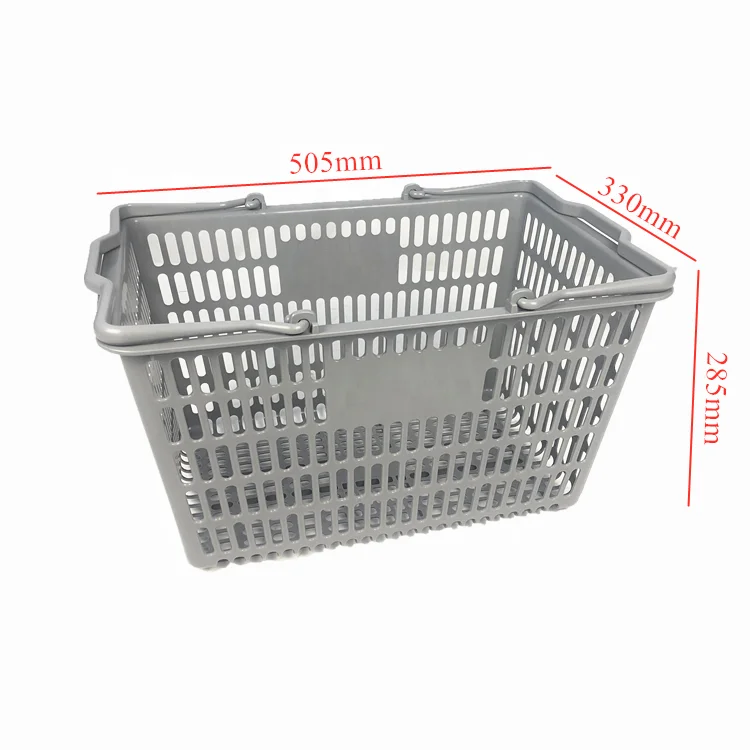
Professional organizers consistently recommend systematic approaches to decluttering and storage that prioritize both accessibility and visual harmony. These methods focus on creating designated spaces for every item while ensuring frequently used objects remain within easy reach. Successful organization projects begin with careful assessment of existing storage challenges, followed by strategic implementation of appropriate containers and systems. The key lies in selecting storage solutions that complement your space's dimensions, color scheme, and functional requirements while providing long-term durability and versatility.
Essential Storage Solutions for Every Room
Living Room Organization Strategies
Living rooms benefit tremendously from thoughtful storage integration that maintains the space's welcoming atmosphere while controlling clutter. Strategic placement of storage containers near seating areas provides convenient access to remote controls, magazines, blankets, and entertainment accessories. Consider positioning containers beside sofas and chairs to create functional storage zones that blend seamlessly with your decor theme. These storage areas should complement existing furniture while offering quick access to frequently needed items during daily relaxation and entertainment activities.
Entertainment centers require specialized organization approaches that accommodate various media formats, gaming accessories, and electronic components. Storage solutions in these areas must provide easy access while protecting sensitive equipment from dust accumulation and physical damage. Wire management becomes crucial in entertainment zones, requiring containers that can house cables, adapters, and charging stations without creating visual chaos. Smart storage planning in living areas ensures that technology enhances rather than detracts from the room's overall aesthetic appeal.
Bedroom Storage Optimization
Bedrooms present unique storage challenges that require balancing accessibility with peaceful ambiance creation. Clothing organization systems must accommodate seasonal rotation while maintaining easy access to daily essentials. Under-bed storage maximizes available space without compromising room flow, providing ideal locations for storing seasonal bedding, out-of-season clothing, or personal items. These hidden storage areas keep bedrooms clutter-free while ensuring important belongings remain protected and organized throughout the year.
Closet organization benefits from systematic categorization that separates different clothing types, accessories, and personal items into designated sections. Storage containers within closets create defined zones for specific items, preventing the gradual accumulation of miscellaneous objects that can overwhelm organized systems. Regular maintenance of closet organization ensures that storage systems continue functioning effectively while adapting to changing wardrobe needs and lifestyle preferences over time.
Kitchen and Pantry Organization Excellence
Pantry Storage Systems
Effective pantry organization requires systematic approaches that maximize vertical space while ensuring food safety and accessibility. Storage containers must provide airtight seals to maintain food freshness while offering clear visibility of contents for efficient meal planning. Grouping similar items together creates intuitive organization systems that family members can easily maintain over time. These systems should accommodate various package sizes while preventing smaller items from becoming lost behind larger containers.
Label systems in pantries create consistency that extends beyond initial organization efforts, ensuring long-term maintenance success. Clear labeling prevents confusion during busy cooking periods while helping family members return items to their designated locations. Storage rotation becomes manageable when containers are properly labeled with contents and expiration information, reducing food waste while maintaining organized inventory systems that support efficient meal preparation routines.
Kitchen Counter and Cabinet Solutions
Kitchen counters require strategic storage solutions that balance accessibility with visual cleanliness, ensuring frequently used items remain within reach without creating cluttered surfaces. Storage systems near cooking areas must withstand heat exposure while providing quick access to essential cooking tools, spices, and preparation materials. These zones benefit from storage solutions that can be easily cleaned and sanitized, maintaining kitchen hygiene standards while supporting efficient cooking workflows.
Cabinet organization maximizes available space through vertical storage strategies that accommodate various kitchen item sizes and shapes. Plastic basket solutions within cabinets create designated zones for different categories of items, from cleaning supplies to small appliances. These internal organization systems prevent cabinet chaos while ensuring that stored items remain easily accessible during daily kitchen activities and cooking preparation sessions.
Bathroom and Laundry Organization
Bathroom Storage Essentials
Bathroom organization requires moisture-resistant storage solutions that can withstand humid environments while maintaining structural integrity over extended periods. Storage containers in bathrooms must provide protection from water exposure while offering convenient access to toiletries, medications, and personal care items. Vertical storage maximizes limited bathroom space, utilizing wall areas and cabinet interiors to create organized zones for different categories of bathroom essentials.
Under-sink storage areas present unique challenges that require creative solutions to work around plumbing fixtures while maximizing available space. Storage systems in these areas must accommodate irregular shapes while providing protection from potential moisture exposure. Organization in bathroom storage focuses on separating daily essentials from occasional-use items, ensuring that frequently needed products remain easily accessible while maintaining clean, uncluttered surfaces throughout the space.
Laundry Room Efficiency
Laundry rooms benefit from systematic organization that streamlines washing, drying, and folding processes while maintaining supply inventory. Storage solutions in laundry areas must accommodate various detergent sizes, fabric softeners, and cleaning supplies while ensuring safety through proper separation of different product types. These spaces require organization systems that support efficient workflow patterns, reducing time spent on laundry tasks while maintaining clean, functional work environments.
Sorting systems in laundry rooms create efficiency that extends beyond simple clothing separation, incorporating storage for various fabric types, colors, and washing requirements. Storage containers can house pre-sorted items, allowing for batch processing that maximizes machine efficiency while reducing overall laundry time. These organization systems must accommodate changing laundry volumes while maintaining flexibility for different household schedules and washing preferences throughout busy family routines.
Office and Workspace Organization
Desk and Surface Management
Professional workspace organization requires balancing functionality with visual appeal, creating environments that support productivity while maintaining professional appearances. Desk storage systems must provide immediate access to frequently used supplies while preventing surface clutter that can distract from important tasks. Strategic container placement creates designated zones for different work activities, from writing supplies to technology accessories, ensuring that essential tools remain within convenient reach during busy work periods.
Document organization within office spaces requires systematic approaches that accommodate both physical and digital workflow integration. Storage solutions for paperwork must provide protection while ensuring quick retrieval during client meetings or project deadlines. These systems should adapt to changing document volumes while maintaining security for sensitive information, creating professional environments that support efficient business operations and client interactions.
Supply and Equipment Storage
Office supply organization benefits from inventory management approaches that prevent both shortages and excessive accumulation of materials. Storage systems must accommodate various supply sizes while providing clear visibility of inventory levels for efficient reordering decisions. These organization methods should support multiple users while maintaining system integrity through consistent placement protocols that all office personnel can easily follow and maintain over time.
Equipment storage in office environments requires protection considerations that extend beyond simple organization, incorporating security and maintenance accessibility factors. Storage solutions must provide dust protection for sensitive electronics while ensuring proper ventilation for equipment that generates heat. These systems should accommodate equipment upgrades and changes while maintaining organized environments that support professional operations and client presentations throughout daily business activities.
Children's Room and Play Area Organization
Toy Storage and Play Area Management
Children's storage systems require durability considerations that can withstand active use while remaining safe for young users. Storage solutions in play areas must provide easy access for children while encouraging independent cleanup habits through intuitive organization systems. These containers should withstand frequent handling while maintaining structural integrity, ensuring long-term functionality that adapts to changing toy collections and play preferences as children grow and develop new interests.
Educational material organization supports learning activities while maintaining play area functionality, creating designated zones for different types of educational tools and creative supplies. Storage systems should separate messy activities from quiet learning materials, preventing cross-contamination while ensuring that appropriate supplies remain accessible for various educational and creative projects. These organization approaches should accommodate supervision requirements while promoting age-appropriate independence in material selection and cleanup responsibilities.
Clothing and Personal Item Storage
Children's clothing organization requires flexible systems that accommodate rapid growth while teaching organizational skills through manageable storage approaches. Storage solutions should be accessible to children while protecting clothing from damage, creating systems that grow with changing wardrobe needs. These approaches must balance independence encouragement with practical considerations, ensuring that children can participate in clothing organization while maintaining system effectiveness over time.
Personal item storage in children's rooms requires safety considerations that prevent access to inappropriate items while encouraging responsibility for personal belongings. Storage systems should provide clear boundaries between different types of items while remaining visually appealing to young users. These organization approaches should support developing responsibility skills while maintaining parental oversight capabilities, creating environments that promote both independence and safety throughout childhood development stages.
Garage and Storage Area Solutions
Tool and Equipment Organization
Garage organization requires heavy-duty storage solutions that can withstand temperature fluctuations while providing protection from moisture and dust exposure. Tool storage systems must balance security with accessibility, ensuring that equipment remains organized while preventing unauthorized access. These storage approaches should accommodate various tool sizes while maintaining visibility for efficient project planning and equipment maintenance throughout seasonal work cycles and home improvement projects.
Seasonal equipment storage requires rotation systems that maximize space efficiency while ensuring proper maintenance access during storage periods. Storage solutions must provide protection from environmental factors while allowing for periodic inspection and maintenance activities. These systems should accommodate changing seasonal needs while maintaining organization that supports quick access when equipment transitions between active use and storage periods throughout annual cycles.
Seasonal and Holiday Storage
Holiday decoration storage requires protective systems that maintain item condition while providing efficient space utilization during extended storage periods. Storage containers must protect fragile items while preventing tangling of lights and garlands, ensuring that decorations remain ready for use when holidays arrive. These organization systems should accommodate various decoration sizes while providing clear identification for efficient retrieval during busy holiday preparation periods.
Seasonal clothing and gear storage must provide protection from pests while maintaining item condition during months of non-use. Storage systems should prevent moisture accumulation while ensuring proper ventilation for stored fabrics and materials. These approaches must accommodate changing seasonal needs while maintaining organization that supports efficient transitions between seasons, ensuring that appropriate gear remains accessible when weather conditions change throughout annual cycles.
FAQ
What size storage containers work best for different room types
Storage container sizing depends primarily on available space dimensions and intended contents, with smaller containers working better for frequent-access items and larger containers suitable for bulk storage needs. Living areas typically benefit from medium-sized containers that blend with furniture scale, while closets can accommodate larger containers for seasonal storage. Kitchen storage requires varied sizes to match different food package dimensions, and bathroom storage should prioritize compact containers that fit within limited cabinet and counter space constraints.
How do I maintain organized storage systems long-term
Long-term storage organization success requires establishing consistent habits that all household members can easily follow, combined with regular maintenance schedules that prevent gradual system breakdown. Label all containers clearly and maintain designated locations for each item category, ensuring that everyone understands where items belong after use. Schedule monthly organization reviews to address any developing problem areas and adjust systems as needs change, while establishing simple daily habits that prevent clutter accumulation in organized spaces.
What features should I prioritize when selecting storage containers
Prioritize durability features that match your intended use environment, including moisture resistance for bathrooms and kitchens, and impact resistance for high-traffic areas with children or heavy use. Visibility features like clear sides or open tops improve accessibility, while stackable designs maximize vertical space utilization. Consider handle placement and weight capacity for containers that require frequent moving, and ensure that size specifications match your available storage spaces before making final selections.
How can I organize storage containers within limited space
Maximize limited space through vertical stacking strategies and multi-functional container selection that serves multiple organizational purposes within single locations. Utilize under-utilized areas like under beds, behind doors, and high shelving for less frequently accessed items, while keeping daily essentials in prime accessibility zones. Consider modular storage systems that can be reconfigured as needs change, and prioritize containers that nest or fold when not in use to minimize storage space requirements for the containers themselves.