
 EN
EN
When retailers focus on creating family-friendly shopping environments, selecting the right child shopping cart becomes a strategic decision that impacts customer satisfaction, safety compliance, and long-term business success. The evaluation process involves multiple stakeholders, from store managers to safety coordinators, each bringing unique perspectives on functionality, durability, and customer appeal. Understanding how retailers systematically assess these solutions helps manufacturers and suppliers align their offerings with real market needs.
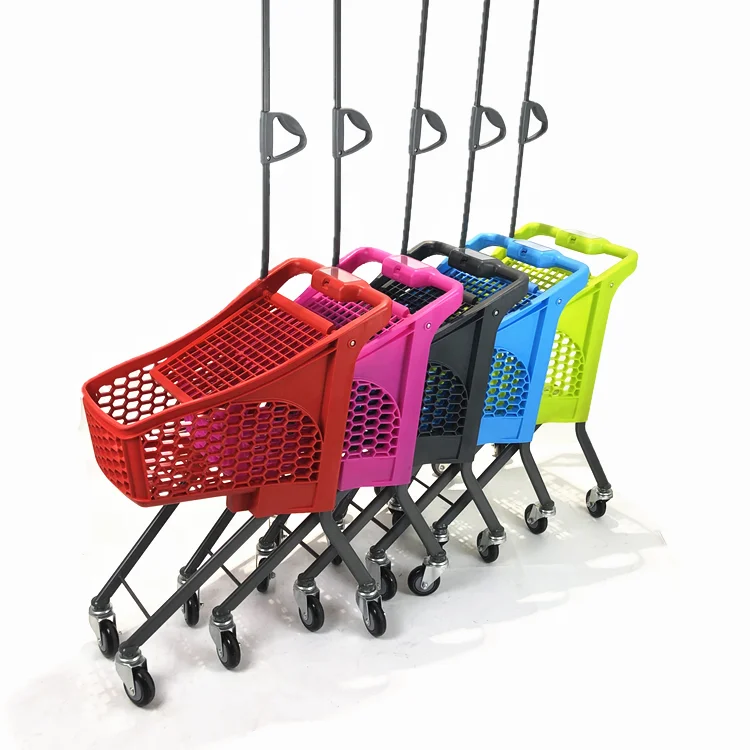
The evaluation framework that successful retailers employ combines quantitative metrics with qualitative assessments, ensuring that every child shopping cart investment delivers measurable returns through increased family visit frequency, enhanced customer loyalty, and improved store differentiation. This comprehensive approach recognizes that child-friendly shopping solutions serve as powerful tools for building emotional connections with families while addressing practical operational considerations that affect daily store management.
Primary Safety and Compliance Assessment Criteria
Structural Safety Standards Evaluation
Retailers begin their child shopping cart evaluation by examining structural safety features that protect young users during shopping experiences. The assessment focuses on weight-bearing capacity, stability during turns, and the effectiveness of safety barriers or seat belts integrated into the design. Store safety coordinators typically test these features under various load conditions to ensure the cart remains stable when children of different ages and weights use them.
Material quality represents another critical safety evaluation point, with retailers examining the durability of plastic components, the smoothness of edges, and the absence of sharp corners that could cause injuries. The child shopping cart must demonstrate resistance to cracking under normal use conditions and maintain structural integrity even after extended exposure to cleaning chemicals commonly used in retail environments.
Compliance with local and international safety standards becomes a decisive factor in the evaluation process. Retailers verify that each child shopping cart meets or exceeds relevant safety certifications, documentation requirements, and liability protection standards that safeguard both customers and the business from potential legal complications arising from safety incidents.
Age-Appropriate Design Verification
The evaluation process includes testing how effectively the child shopping cart accommodates different age groups within the target demographic. Retailers assess seat dimensions, height adjustability options, and accessibility features that allow children to enter and exit the cart safely without requiring excessive adult assistance. This evaluation often involves observing actual family interactions during pilot testing periods.
Visual appeal and child engagement features receive careful scrutiny during the assessment phase. Retailers evaluate color schemes, decorative elements, and interactive components that capture children's attention while maintaining appropriateness for the store's brand image. The goal involves finding solutions that excite children without overwhelming the overall shopping environment or creating maintenance complications.
Ergonomic considerations for both children and accompanying adults form part of the comprehensive evaluation criteria. Retailers test how comfortably parents can maneuver the child shopping cart through store aisles, whether the handle height accommodates users of different statures, and how the additional weight affects overall shopping cart performance during typical shopping trips.
Operational Efficiency and Maintenance Requirements
Daily Operations Integration Analysis
Retailers evaluate how seamlessly the child shopping cart integrates into existing store operations, particularly regarding storage requirements, retrieval systems, and staff training needs. The assessment examines whether current cart corrals accommodate the different dimensions of child-focused designs and whether additional infrastructure investments are necessary to support the new cart category.
Cleaning and sanitization procedures receive detailed evaluation, especially in post-pandemic retail environments where hygiene protocols have intensified. Retailers assess how easily staff can clean all surfaces of the child shopping cart, whether the design includes hard-to-reach areas that complicate sanitization efforts, and how quickly the carts can be processed through standard cleaning workflows without disrupting store operations.
The evaluation process includes testing cart collection and redistribution logistics to ensure that the child shopping cart doesn't create operational bottlenecks during peak shopping periods. Retailers examine whether the carts stack efficiently, how their weight affects staff handling procedures, and whether automated cart collection systems can accommodate the different specifications.
Durability and Lifecycle Cost Assessment
Long-term durability testing forms a crucial component of the retailer evaluation process, with teams examining how the child shopping cart performs under continuous use conditions that simulate months or years of customer interactions. This assessment includes evaluating wheel performance, plastic component wear patterns, and the longevity of any electronic or interactive features integrated into the design.
Maintenance cost projections help retailers understand the total cost of ownership beyond the initial purchase price. The evaluation includes analyzing replacement part availability, repair complexity, and whether specialized tools or training are required for routine maintenance tasks. Retailers often request detailed maintenance schedules and cost estimates from suppliers during the assessment phase.
The assessment process examines warranty coverage, replacement policies, and supplier support services that affect long-term operational costs. Retailers evaluate whether the child shopping cart supplier provides adequate technical support, training resources, and responsive customer service that minimizes downtime when issues arise.
Customer Experience and Business Impact Evaluation
Family Shopping Behavior Analysis
Retailers conduct observational studies to understand how the child shopping cart influences family shopping patterns, including changes in visit duration, purchase behavior, and overall customer satisfaction levels. These studies help quantify the business impact of implementing child-friendly shopping solutions beyond the initial investment costs.
The evaluation process includes gathering feedback from families who use the child shopping cart during trial periods, focusing on factors like ease of use, child satisfaction, and perceived value addition to the shopping experience. Retailers often use surveys, focus groups, and direct observation to collect comprehensive feedback that informs final selection decisions.
Customer loyalty impact assessment examines whether providing child shopping cart options increases family visit frequency, encourages longer shopping sessions, or influences store choice decisions among competing retailers. This analysis helps justify the investment by demonstrating measurable returns through increased customer retention and spending patterns.
Competitive Differentiation and Brand Alignment
Retailers evaluate how the child shopping cart contributes to their competitive positioning within the local market, particularly in areas with multiple family-oriented retailers. The assessment examines whether the cart design supports brand messaging about family-friendliness, community engagement, and customer care that differentiates the store from competitors.
Brand image compatibility receives careful consideration during the evaluation process, with retailers examining color schemes, design aesthetics, and overall visual integration with existing store elements. The child shopping cart must enhance rather than detract from the carefully cultivated store atmosphere and brand identity that attracts target customers.
Marketing and promotional opportunities associated with the child shopping cart become part of the comprehensive evaluation framework. Retailers assess whether the carts can support seasonal decorations, promotional messaging, or interactive features that create additional touchpoints for customer engagement and brand reinforcement throughout the shopping experience.
Financial Analysis and Return on Investment Calculations
Cost-Benefit Framework Development
The financial evaluation process begins with comprehensive cost analysis that extends beyond the initial purchase price of each child shopping cart unit. Retailers calculate total implementation costs including delivery, staff training, storage modifications, and any required infrastructure changes that support the new cart category within existing operations.
Revenue impact projections form a critical component of the financial assessment, with retailers estimating increased sales potential through longer family shopping visits, higher basket values, and improved customer retention rates. These projections often rely on industry benchmarks, pilot program data, and customer behavior studies that demonstrate the correlation between family-friendly amenities and spending patterns.
Break-even analysis helps retailers determine the timeline for recovering their child shopping cart investment through measurable business improvements. This analysis considers factors like increased customer frequency, enhanced customer lifetime value, and competitive advantage benefits that justify the initial expenditure and ongoing operational costs.
Budget Planning and Procurement Strategy
Retailers develop phased implementation strategies that align child shopping cart procurement with budget cycles and strategic business objectives. The evaluation process includes determining optimal quantities, timing for rollout across multiple locations, and integration with broader store improvement initiatives that maximize overall impact.
Financing options and supplier terms receive detailed analysis during the evaluation phase, with retailers comparing purchase versus lease arrangements, bulk discount opportunities, and payment schedule flexibility that accommodates cash flow requirements. The assessment includes evaluating supplier financial stability and long-term viability to ensure ongoing support availability.
Risk mitigation strategies become part of the financial evaluation framework, with retailers examining supplier guarantees, performance warranties, and contingency plans that protect against potential issues like product defects, delivery delays, or supplier business disruptions that could affect the child shopping cart implementation timeline.
FAQ
What safety certifications should retailers require when evaluating child shopping cart options?
Retailers should require comprehensive safety certifications that meet or exceed local consumer protection standards, international toy safety guidelines for age-appropriate design elements, and structural engineering certifications that verify load-bearing capacity and stability. Additionally, documentation should include material safety certifications confirming non-toxic components and compliance with environmental regulations that affect indoor air quality in retail environments.
How do retailers measure the success of their child shopping cart implementation?
Success measurement typically involves tracking key performance indicators including family customer visit frequency, average transaction values for families with children, customer satisfaction survey results, and cart utilization rates during peak shopping periods. Retailers also monitor operational metrics like maintenance costs, staff training effectiveness, and integration efficiency with existing store procedures to ensure the investment delivers expected returns.
What factors determine the optimal number of child shopping carts for a retail location?
The optimal quantity depends on store size, customer demographics, peak shopping period analysis, and the percentage of shoppers who visit with children. Retailers typically calculate requirements based on maximum concurrent family shoppers during busy periods, ensuring adequate availability without over-investing in units that remain unused during slower periods. Geographic and seasonal factors also influence quantity decisions for locations with varying family shopping patterns.
How should retailers handle maintenance and cleaning protocols for child shopping carts?
Effective maintenance protocols include daily sanitization procedures using child-safe cleaning products, weekly detailed inspections of safety features and structural components, and monthly comprehensive maintenance checks including wheel function and interactive element testing. Retailers should establish clear documentation procedures for maintenance activities, train staff on proper handling techniques, and develop replacement schedules based on manufacturer recommendations and actual wear patterns observed during regular use.
Table of Contents
- Primary Safety and Compliance Assessment Criteria
- Operational Efficiency and Maintenance Requirements
- Customer Experience and Business Impact Evaluation
- Financial Analysis and Return on Investment Calculations
-
FAQ
- What safety certifications should retailers require when evaluating child shopping cart options?
- How do retailers measure the success of their child shopping cart implementation?
- What factors determine the optimal number of child shopping carts for a retail location?
- How should retailers handle maintenance and cleaning protocols for child shopping carts?