
 EN
EN
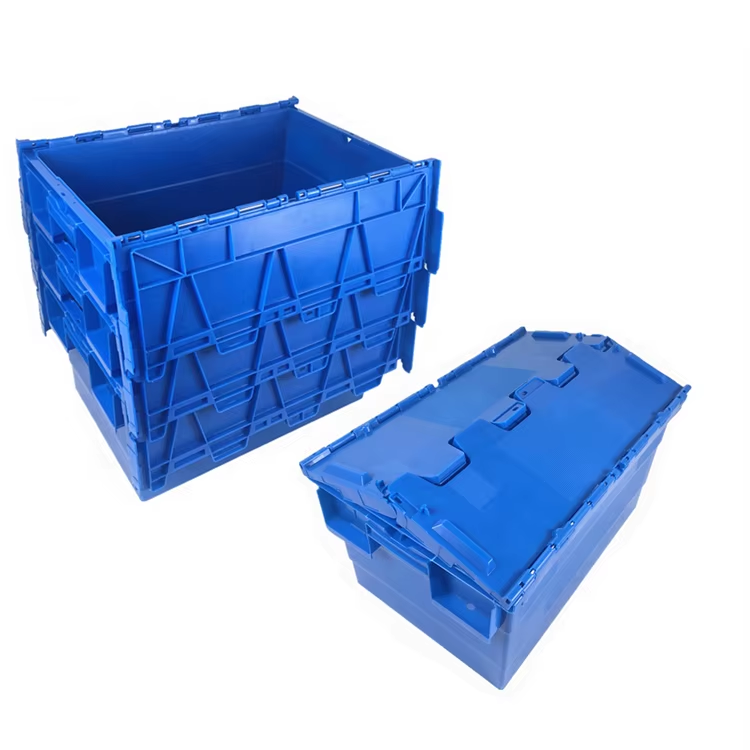
Food logistics operations face mounting pressure to enhance efficiency while maintaining product quality throughout the supply chain. The integration of specialized storage solutions has become critical for companies seeking to optimize their handling processes and reduce operational costs. Modern food distribution centers rely heavily on innovative containers that can withstand rigorous transportation demands while preserving product integrity. Among these solutions, the plastic crate has emerged as a game-changing component that addresses multiple challenges simultaneously in food logistics environments.
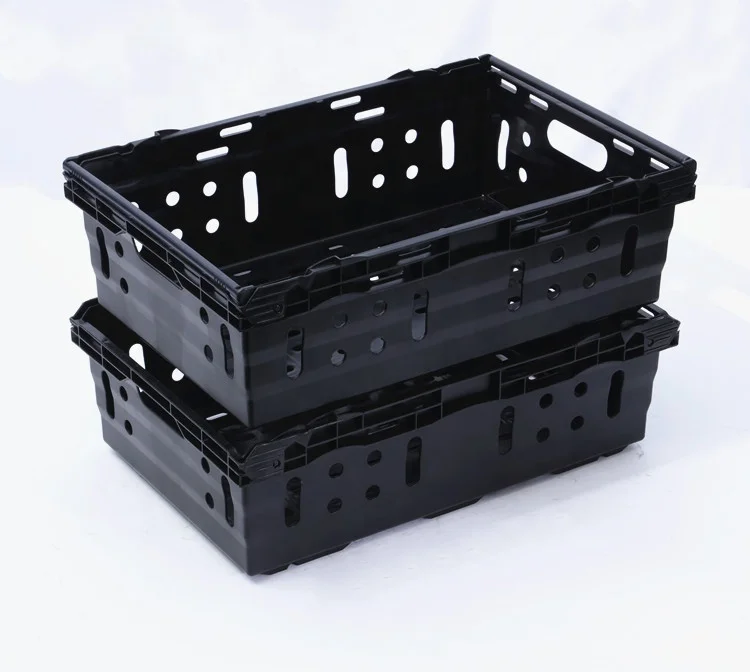
The transformation of food handling efficiency begins with understanding how proper storage containers impact every stage of the logistics process. From warehouse organization to final delivery, each plastic crate serves as a fundamental building block that enables streamlined operations. These containers have revolutionized traditional approaches to food storage by offering superior durability, hygiene standards, and operational flexibility that wooden alternatives simply cannot match.
Enhanced Durability and Longevity in Food Operations
Superior Material Composition Benefits
The advanced polymer construction of each plastic crate delivers exceptional resistance to impact, moisture, and temperature fluctuations commonly encountered in food logistics. Unlike traditional wooden containers that deteriorate rapidly under harsh conditions, these modern solutions maintain structural integrity throughout extended use cycles. The high-density polyethylene material resists cracking, warping, and degradation even when subjected to repeated loading and unloading procedures.
Food-grade plastics used in crate manufacturing undergo rigorous testing to ensure compliance with international safety standards. These materials resist bacterial growth and chemical absorption, making them ideal for direct food contact applications. The non-porous surface prevents contaminant retention while facilitating thorough cleaning between uses, ensuring consistent hygiene standards throughout the supply chain.
Extended Service Life Advantages
Investment in quality plastic crate solutions yields significant long-term cost savings through extended service life compared to disposable packaging alternatives. These containers typically maintain functionality for thousands of use cycles when properly maintained, dramatically reducing replacement frequency and associated procurement costs. The initial investment in durable containers pays dividends through reduced waste generation and lower total cost of ownership.
Maintenance requirements remain minimal due to the inherent properties of modern plastic materials. Simple washing procedures restore containers to like-new condition, eliminating the need for complex refurbishment processes required by other container types. This operational simplicity translates directly into labor savings and increased productivity throughout food handling operations.
Optimized Space Utilization and Storage Efficiency
Stackability and Modular Design
The engineered design of modern plastic crate systems maximizes vertical storage capacity through precise stackability features. Each container incorporates reinforced corners and integrated stacking ribs that distribute weight evenly across multiple levels. This design approach enables safe stacking heights that optimize warehouse cube utilization without compromising container integrity or product safety.
Modular dimensions ensure seamless integration with existing storage infrastructure and transportation equipment. Standard sizing conventions allow multiple container configurations to work together efficiently, creating flexible storage solutions that adapt to varying product requirements. The uniform footprint simplifies inventory management and enhances organization throughout distribution facilities.
Ventilation and Product Preservation
Strategic ventilation features built into each plastic crate promote optimal airflow around stored products, extending shelf life and maintaining quality during extended storage periods. The mesh or perforated sidewalls facilitate natural air circulation that prevents moisture accumulation and heat buildup. This passive cooling effect reduces the energy burden on refrigeration systems while improving product preservation outcomes.
Fresh produce benefits significantly from the enhanced airflow characteristics provided by ventilated container designs. Fruits and vegetables maintain optimal respiration rates when adequate air circulation prevents the buildup of ethylene gases and excess moisture. The result is extended freshness periods that reduce spoilage rates and improve overall supply chain efficiency.
Improved Handling and Transportation Efficiency
Ergonomic Design Features
Each plastic crate incorporates ergonomic handles and grip surfaces that reduce worker fatigue during manual handling operations. The lightweight construction compared to traditional alternatives enables workers to handle larger quantities with less physical strain. Contoured hand grips provide secure hold points that minimize the risk of dropping incidents and associated product damage.
The balanced weight distribution achieved through thoughtful plastic crate design enhances stability during transport operations. Center of gravity considerations prevent tipping incidents while maintaining easy maneuverability through narrow aisles and confined spaces. These safety features contribute to reduced workplace injuries and improved overall operational safety records.
Automation Compatibility
Modern food logistics facilities increasingly rely on automated handling systems to maintain competitive efficiency levels. The standardized dimensions and consistent weight characteristics of quality plastic crate systems ensure reliable performance with robotic handling equipment. Precise manufacturing tolerances eliminate dimensional variations that could disrupt automated sorting and stacking operations.
Integration capabilities extend to conveyor systems, automated storage and retrieval systems, and robotic palletizing equipment. The predictable handling characteristics of standardized containers enable higher throughput rates and reduced error frequencies in automated environments. This compatibility becomes increasingly valuable as facilities scale operations and invest in advanced automation technologies.
Hygiene and Food Safety Advantages
Easy Cleaning and Sanitization
The smooth, non-porous surface of each plastic crate enables thorough cleaning using standard washing equipment and procedures. Unlike porous materials that harbor bacteria and contaminants, these containers achieve complete sanitization through conventional cleaning protocols. Hot water and approved sanitizing agents penetrate all surface areas without causing material degradation or structural damage.
Rapid drying characteristics prevent moisture retention that could promote bacterial growth between uses. The ventilated design facilitates air circulation that accelerates the drying process, enabling quick turnaround times for container reuse. This efficiency supports high-volume operations where container availability directly impacts throughput capacity.
Contamination Prevention
Closed-loop plastic crate systems significantly reduce cross-contamination risks compared to single-use packaging that may lack proper handling controls. The ability to thoroughly clean and inspect containers before each use ensures consistent hygiene standards throughout the supply chain. This control level becomes critical when handling sensitive food products that require strict contamination prevention protocols.
Color-coding options enable segregation of containers by product type, processing stage, or contamination risk level. Visual identification systems prevent accidental mixing of containers that have handled different product categories, maintaining separation protocols essential for food safety compliance. These systems support HACCP implementations and regulatory compliance requirements across diverse food handling operations.
Cost Optimization and Return on Investment
Operational Cost Reductions
The transition to reusable plastic crate systems eliminates ongoing packaging material costs associated with disposable alternatives. While initial procurement requires capital investment, the elimination of recurring packaging expenses generates substantial savings over time. These savings compound as volume increases and container utilization rates optimize through experience and process improvements.
Labor efficiency improvements result from standardized handling procedures and reduced packaging preparation time. Workers become proficient with consistent container types, reducing training requirements and improving task completion speeds. The elimination of packaging assembly and disposal activities redirects labor resources toward value-added activities that enhance overall productivity.
Environmental Impact and Sustainability
Reusable plastic crate systems dramatically reduce waste generation compared to single-use packaging alternatives. The extended service life of quality containers minimizes material consumption per unit of food handled, supporting corporate sustainability initiatives and environmental compliance goals. This waste reduction often translates into lower disposal costs and improved environmental performance metrics.
Many modern containers incorporate recycled content or design features that facilitate end-of-life recycling. This circular approach to material utilization aligns with growing consumer and regulatory expectations for sustainable business practices. The environmental benefits often support premium pricing strategies and enhanced brand positioning in environmentally conscious market segments.
Implementation Strategies and Best Practices
Facility Integration Planning
Successful implementation of plastic crate systems requires comprehensive planning that considers existing infrastructure, workflow patterns, and operational constraints. Facility assessments should evaluate storage capacity, handling equipment compatibility, and cleaning facility requirements. These evaluations identify necessary modifications or investments required to optimize container system performance.
Pilot programs provide valuable insights into operational impacts before full-scale implementation. Small-scale testing reveals workflow modifications, training requirements, and performance improvements that inform broader rollout strategies. These controlled implementations minimize disruption risks while building organizational confidence in new container systems.
Training and Change Management
Worker training programs ensure proper handling techniques and maximize the benefits available from improved container systems. Training should address cleaning procedures, stacking protocols, and safety considerations specific to the new plastic crate design. Comprehensive training reduces damage rates and ensures consistent performance across all operational shifts.
Change management strategies help organizations navigate the transition from familiar packaging systems to new container technologies. Communication programs should highlight benefits for individual workers, such as reduced physical strain and improved safety features. Success metrics tracking demonstrates improvement trends that reinforce adoption and identify areas requiring additional attention.
Future Trends and Technology Integration
Smart Container Technologies
Emerging technologies enable integration of sensors and tracking devices into plastic crate designs, creating intelligent containers that provide real-time visibility throughout the supply chain. These smart containers monitor temperature, humidity, location, and handling conditions that affect product quality. Data collection capabilities support predictive analytics and optimization strategies that enhance overall supply chain performance.
Internet of Things connectivity transforms traditional containers into data collection platforms that inform decision-making processes. Real-time alerts notify managers of adverse conditions that could compromise product quality or safety. This proactive approach prevents problems rather than reacting to discovered issues after damage has occurred.
Advanced Material Developments
Research and development efforts continue advancing plastic crate materials to deliver enhanced performance characteristics. Anti-microbial additives provide additional food safety benefits while maintaining structural properties and cleanability. These material improvements address specific industry challenges while expanding application opportunities across diverse food categories.
Lightweight material formulations reduce transportation costs while maintaining strength and durability requirements. Advanced polymer chemistry enables thinner wall sections that conserve material while preserving impact resistance and load-bearing capacity. These innovations support cost optimization goals while improving environmental performance through reduced material consumption.
FAQ
What makes plastic crates more hygienic than traditional wooden containers?
Each plastic crate features a non-porous surface that prevents bacterial penetration and facilitates complete sanitization through standard washing procedures. Unlike wood, which can harbor contaminants in its porous structure, plastic containers achieve thorough cleaning that eliminates bacteria and prevents cross-contamination between uses. The smooth surface enables visual inspection for cleanliness verification, supporting food safety compliance requirements.
How do ventilated plastic crates improve product freshness?
The ventilated design of quality plastic crate systems promotes optimal airflow that regulates temperature and humidity around stored products. This air circulation prevents moisture buildup and heat accumulation that accelerate spoilage processes. Fresh produce maintains natural respiration patterns while avoiding the buildup of ethylene gases that trigger premature ripening and quality deterioration.
What cost savings can facilities expect from implementing reusable plastic crate systems?
Organizations typically achieve significant savings through eliminated recurring packaging material costs, reduced labor for packaging preparation, and decreased waste disposal expenses. While initial investment in plastic crate systems requires capital allocation, the elimination of ongoing packaging purchases generates positive returns within the first year of implementation. Additional savings result from improved product protection that reduces damage-related losses throughout the supply chain.
How do plastic crates integrate with automated handling systems?
Modern plastic crate designs incorporate standardized dimensions and consistent weight characteristics that ensure reliable performance with robotic handling equipment and conveyor systems. The predictable physical properties enable automated sorting, stacking, and palletizing operations that increase throughput while reducing error rates. Integration capabilities support facility automation strategies that enhance competitive positioning through improved efficiency and reduced labor requirements.
Table of Contents
- Enhanced Durability and Longevity in Food Operations
- Optimized Space Utilization and Storage Efficiency
- Improved Handling and Transportation Efficiency
- Hygiene and Food Safety Advantages
- Cost Optimization and Return on Investment
- Implementation Strategies and Best Practices
- Future Trends and Technology Integration
- FAQ