
 EN
EN
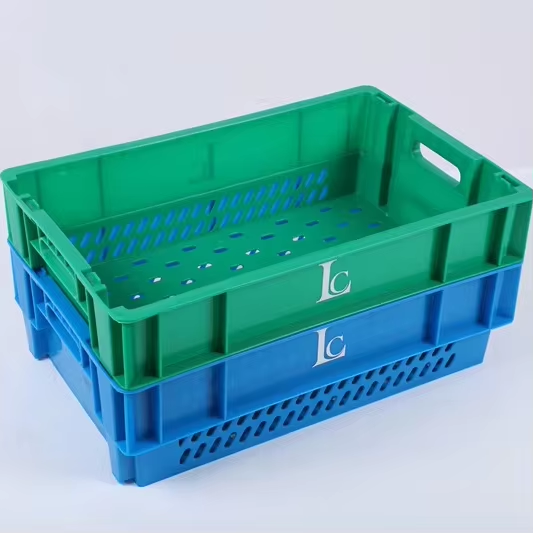
Modern warehouse operations demand storage solutions that maximize vertical space utilization while maintaining structural integrity and operational efficiency. The stackable storage box has emerged as a cornerstone of contemporary logistics systems, offering facilities the ability to optimize their storage capacity through intelligent design features. These innovative containers combine durability with functionality, enabling warehouses to create towering storage configurations that remain stable and accessible throughout their operational lifecycle.
Understanding the specific features that define an efficient stackable storage box becomes crucial for warehouse managers seeking to enhance their storage density without compromising safety or accessibility. The architectural elements of these containers must work in harmony to create systems that withstand the rigors of industrial environments while providing seamless integration with existing warehouse infrastructure.
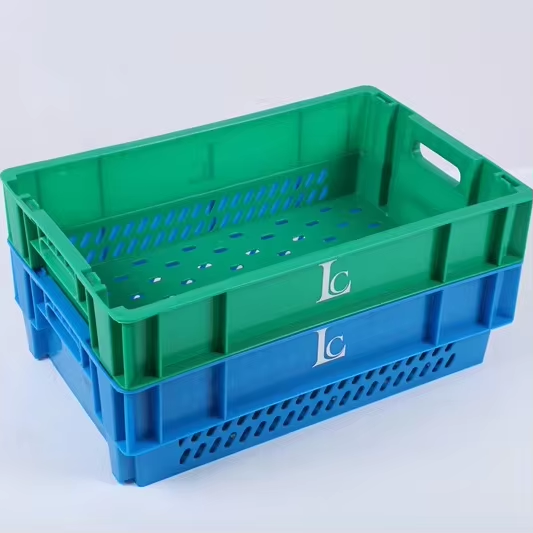
Structural Design Elements for Maximum Stack Stability
Load-Bearing Frame Architecture
The foundation of any effective stackable storage box lies in its structural framework, which must distribute weight evenly across multiple contact points. High-quality containers feature reinforced corner posts and edge reinforcements that channel vertical loads directly through the most robust sections of the container walls. These structural elements prevent deformation under heavy loads and ensure that each stackable storage box maintains its dimensional integrity even when supporting significant weight from units positioned above.
Advanced manufacturing techniques incorporate ribbing patterns and strategic material thickness variations that enhance load distribution while minimizing material usage. The geometry of these reinforcements creates a network of stress-resistant pathways that prevent point loading and reduce the likelihood of structural failure. Professional-grade containers often feature integrated support pillars that run vertically through the container walls, providing additional stability when multiple units are stacked together.
Precision Interlocking Mechanisms
Effective stackable storage box designs incorporate sophisticated interlocking systems that create mechanical connections between vertically adjacent containers. These mechanisms typically consist of raised bosses on the container tops that align precisely with corresponding recesses in the bottoms of containers placed above. The dimensional tolerances of these features must be engineered to provide secure engagement while allowing for thermal expansion and manufacturing variations.
The interlocking geometry serves multiple functions beyond simple alignment, creating lateral stability that prevents horizontal shifting during transport and handling operations. Quality systems feature multi-point engagement patterns that distribute connection forces across several locations, reducing stress concentrations that could lead to premature wear or failure. These mechanical connections eliminate the need for additional securing devices in many applications, streamlining warehouse operations while maintaining safety standards.
Material Properties and Construction Quality
High-Performance Polymer Selection
The material composition of a stackable storage box directly influences its long-term performance and structural reliability under repeated stacking cycles. Premium containers utilize high-density polyethylene or polypropylene formulations that provide optimal balance between strength, flexibility, and chemical resistance. These materials maintain their mechanical properties across wide temperature ranges and resist degradation from exposure to common warehouse chemicals and cleaning agents.
Advanced polymer blends incorporate impact modifiers and UV stabilizers that extend service life in demanding industrial environments. The molecular structure of these materials provides inherent memory characteristics that allow containers to return to their original dimensions after experiencing temporary deformation. This resilience ensures that stackable storage box units maintain their precise dimensional relationships throughout extended use cycles.
Wall Thickness and Distribution Optimization
Optimal wall thickness distribution represents a critical design parameter that affects both structural performance and material efficiency in stackable storage box construction. Strategic thickness variations allow manufacturers to concentrate material where structural demands are highest while reducing weight and cost in less critical areas. Computer-aided stress analysis guides these decisions, ensuring that every section of the container contributes optimally to overall structural integrity.
The manufacturing process must maintain consistent wall thickness tolerances to prevent weak points that could compromise stack stability. Advanced injection molding techniques utilize sophisticated flow control systems that ensure uniform material distribution even in complex geometries. Quality control measures verify that wall thickness variations remain within specified tolerances throughout the production process, maintaining the structural predictability essential for safe stacking operations.
Dimensional Standards and Compatibility
Modular Footprint Coordination
Effective stackable storage box systems adhere to standardized dimensional grids that ensure compatibility with palletized handling systems and warehouse racking structures. These modular dimensions allow containers to nest efficiently on standard pallets while maximizing space utilization within established storage frameworks. The base dimensions typically conform to fractional pallet sizes that enable multiple containers to fit precisely within standard pallet footprints without wasted space.
Professional warehouse operations benefit from stackable storage box families that share common base dimensions while offering varying heights and internal configurations. This standardization simplifies inventory management and handling procedures while providing flexibility to accommodate different product types and storage requirements. The dimensional consistency extends to handle positioning and lid interface specifications, ensuring that automated handling equipment can process containers efficiently regardless of their specific variant within the product family.
Height Standardization and Stacking Modules
Standardized height increments enable warehouse managers to optimize vertical space utilization by selecting stackable storage box configurations that maximize available ceiling space. Common height modules allow for predictable stack configurations that align with standard warehouse clearance requirements and material handling equipment specifications. These standardized dimensions facilitate capacity planning and enable precise calculation of storage density improvements.
The relationship between container height and structural performance requires careful optimization to ensure that taller containers maintain adequate strength-to-weight ratios. Engineering analysis determines optimal height limits for different load conditions, ensuring that stackable storage box units provide reliable performance even when configured in maximum-height stacks. These design parameters enable warehouse operators to confidently plan storage layouts that fully utilize available vertical space.
Safety Features and Operational Considerations
Load Capacity Specifications and Testing
Reliable stackable storage box systems provide clearly defined load capacity specifications that enable safe stacking configurations under various operational conditions. These specifications include both dynamic and static load ratings that account for the additional stresses imposed during handling and transport operations. Professional testing protocols verify that containers meet or exceed these specifications under standardized test conditions that simulate real-world operational stresses.
Comprehensive testing programs evaluate stackable storage box performance under extended load conditions, temperature cycling, and repeated loading scenarios that replicate the demands of continuous warehouse operations. These tests establish safety factors that provide operational margins for variations in loading patterns and environmental conditions. The resulting specifications enable warehouse managers to establish safe operating procedures and stack height limitations that prevent overloading situations.
Visual Inspection and Maintenance Features
Quality stackable storage box designs incorporate features that facilitate visual inspection and maintenance activities essential for safe long-term operation. Translucent or transparent wall sections allow operators to assess container contents without opening units, while surface textures and color schemes highlight wear patterns or damage that could affect structural integrity. These visual cues enable proactive maintenance programs that identify potential issues before they compromise safety.
Accessible design features enable thorough cleaning and sanitization procedures that maintain hygienic conditions in food-grade and pharmaceutical applications. Smooth internal surfaces resist contamination accumulation while drainage features prevent moisture retention that could promote bacterial growth. The stackable storage box construction must withstand repeated exposure to industrial cleaning chemicals and high-pressure washing systems without degrading structural properties or dimensional accuracy.
Integration with Warehouse Management Systems
Identification and Tracking Capabilities
Modern stackable storage box systems incorporate identification features that enable seamless integration with warehouse management and inventory tracking systems. Molded-in label areas provide secure mounting points for barcode labels and RFID tags that maintain their position and readability throughout handling operations. These identification systems enable automated tracking of container movements and contents, supporting advanced inventory management capabilities.
The positioning of identification features must consider the stacking configuration to ensure that labels remain accessible for scanning even when containers are positioned in multi-level stacks. Strategic placement on multiple surfaces provides redundant identification options that maintain system functionality even when primary labels become obscured or damaged. These design considerations ensure that stackable storage box systems support advanced logistics technologies that depend on reliable automatic identification.
Handling Equipment Compatibility
Professional stackable storage box designs accommodate the full range of material handling equipment commonly used in warehouse environments. Fork truck pockets, crane lifting points, and conveyor-friendly base designs ensure that containers integrate seamlessly with existing handling infrastructure. These features must maintain their functionality when containers are configured in stacked arrangements, enabling efficient movement of entire stack assemblies when operational requirements demand.
The interface geometry between stackable storage box units and handling equipment requires precise dimensional control to ensure reliable engagement and safe load transfer. Wear-resistant materials and reinforced contact areas extend service life under repeated handling cycles while maintaining the dimensional accuracy essential for automated systems. These design features enable warehouse operations to fully utilize mechanized handling capabilities while benefiting from improved storage density.
Environmental Performance and Sustainability
Temperature and Chemical Resistance
Industrial stackable storage box applications demand materials and construction methods that maintain structural integrity across wide temperature ranges and in the presence of various chemical exposures. Quality containers utilize polymer formulations that resist embrittlement at low temperatures while maintaining dimensional stability at elevated temperatures. This thermal performance ensures reliable stacking behavior regardless of seasonal temperature variations or heated warehouse environments.
Chemical resistance properties enable stackable storage box systems to function effectively in environments where exposure to cleaning agents, industrial chemicals, or corrosive substances may occur. The material selection and surface treatments must provide long-term resistance to chemical attack while maintaining the smooth surfaces essential for effective cleaning and sanitization. These properties extend container service life and maintain the structural predictability essential for safe stacking operations.
Recycling and End-of-Life Considerations
Sustainable stackable storage box designs incorporate recyclable materials and construction methods that support circular economy principles. Single-material construction eliminates the need for complex separation procedures during recycling, while clearly marked material identification codes facilitate proper sorting and processing. These design considerations enable responsible disposal practices that minimize environmental impact at the end of the container's service life.
Extended service life capabilities reduce the frequency of container replacement, minimizing resource consumption and waste generation over the operational lifetime of warehouse storage systems. Durable stackable storage box construction withstands thousands of use cycles while maintaining structural integrity and dimensional accuracy. This longevity provides both economic and environmental benefits by reducing the total lifecycle impact of warehouse storage operations.
Cost-Effectiveness and Return on Investment
Space Utilization Optimization
The primary economic benefit of implementing stackable storage box systems lies in their ability to dramatically increase storage density within existing warehouse footprints. Vertical stacking capabilities can double or triple effective storage capacity without requiring facility expansion or additional floor space. These space utilization improvements translate directly into reduced facility costs per unit of stored inventory, providing immediate and ongoing operational savings.
Quantifying the return on investment from stackable storage box implementation requires analysis of both direct cost savings and operational efficiency improvements. Reduced facility lease costs, improved inventory turnover rates, and decreased material handling labor requirements contribute to comprehensive cost reductions that typically justify system investments within the first year of operation. These economic benefits continue throughout the extended service life of quality container systems.
Maintenance and Replacement Cost Analysis
Long-term cost effectiveness depends significantly on the durability and maintenance requirements of stackable storage box systems. Quality containers designed for industrial applications provide service lives measured in decades rather than years, minimizing replacement costs and reducing system downtime. The initial investment in premium containers typically provides lower total cost of ownership compared to frequent replacement of lower-quality alternatives.
Maintenance cost considerations include cleaning requirements, repair procedures, and replacement part availability for stackable storage box systems. Designs that minimize maintenance requirements while providing easy access for necessary servicing activities reduce ongoing operational costs. The availability of replacement components and repair services from established manufacturers ensures that systems remain functional throughout their intended service lives without unexpected cost burdens.
FAQ
What load capacity should I expect from a quality stackable storage box?
Professional-grade stackable storage box units typically support static loads ranging from 60 to 120 kilograms per container when properly stacked, with dynamic load ratings generally 20-30% lower to account for handling stresses. The specific capacity depends on container size, material thickness, and structural design features. Always verify manufacturer specifications and conduct appropriate testing for your specific applications and stacking configurations to ensure safe operation within design limits.
How do I determine the optimal stack height for my warehouse application?
Optimal stack height calculation must consider ceiling clearance, load capacity limits, handling equipment reach, and safety requirements specific to your facility. Most stackable storage box systems perform safely in stacks of 6-10 units high under normal warehouse conditions, but this varies significantly based on container design and load distribution. Consult with structural engineers and review manufacturer guidelines to establish appropriate height limits that maintain safety margins while maximizing storage density.
What maintenance procedures are required to ensure long-term reliability of stackable storage systems?
Regular maintenance of stackable storage box systems includes visual inspection for cracks or deformation, cleaning to prevent contamination buildup, and verification of dimensional accuracy at interlocking points. Monthly visual inspections can identify wear patterns or damage before they compromise safety, while annual dimensional checks ensure that stacking tolerances remain within acceptable limits. Immediate removal of damaged containers from service prevents cascade failures that could affect entire stack assemblies.
Can different brands or sizes of stackable storage boxes be safely mixed in the same stack?
Mixing different stackable storage box brands or models in the same stack is generally not recommended unless specifically validated by engineering analysis. Dimensional variations, load capacity differences, and incompatible interlocking systems can create unsafe conditions that compromise stack stability. When space utilization requires mixing container types, conduct thorough compatibility testing and establish specific procedures that account for the limitations of the weakest components in the mixed system.
Table of Contents
- Structural Design Elements for Maximum Stack Stability
- Material Properties and Construction Quality
- Dimensional Standards and Compatibility
- Safety Features and Operational Considerations
- Integration with Warehouse Management Systems
- Environmental Performance and Sustainability
- Cost-Effectiveness and Return on Investment
-
FAQ
- What load capacity should I expect from a quality stackable storage box?
- How do I determine the optimal stack height for my warehouse application?
- What maintenance procedures are required to ensure long-term reliability of stackable storage systems?
- Can different brands or sizes of stackable storage boxes be safely mixed in the same stack?